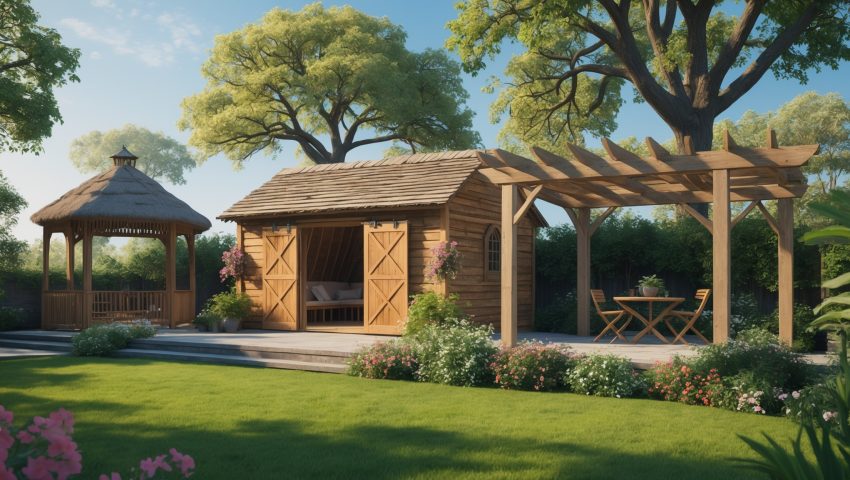
Introduction: Why Insurance for DIY Backyard Structures Matters
Adding a shed, pergola, or gazebo to your property can transform your backyard into a functional and inviting space. Whether you’re building a garden shed for tools, a pergola for outdoor dining, or a gazebo for relaxation, these projects represent a significant investment of time, effort, and money. Many U.S. homeowners take a DIY approach to save on labor costs and customize their structures. But one aspect often overlooked is insurance—until something goes wrong.
Imagine completing your new shed, only to lose it to a storm with no coverage. Or worse, a visitor is injured during construction and you face liability issues. Standard homeowners policies don’t always offer the protection you might expect for detached structures, especially when they’re newly built or in progress. Understanding insurance essentials before, during, and after your DIY project is crucial to avoid costly surprises.
This guide gives you a step-by-step look at insurance considerations for DIY backyard structures in the U.S. You’ll learn what your policy covers, how to close coverage gaps, what documents to keep, and practical steps to protect your investment from start to finish.
Understanding Insurance Basics for Detached Structures
What Qualifies as a Detached Structure?
Insurance policies often refer to “other structures” or “Coverage B” to include buildings separate from your main residence. This covers:
- Garden and storage sheds
- Pergolas and arbors
- Gazebos
- Detached garages
- Workshops
- Fences
However, each policy’s definition can vary. Always check your specific insurance documents to confirm what’s included.
Standard Coverage Limits and Exclusions
Most homeowners insurance policies cover detached structures up to 10% of your main dwelling’s insured value. For example, if your home is insured for $400,000, your shed, pergola, and gazebo combined might only be covered for $40,000. This may not be enough if you’ve added multiple or high-end structures.
Common exclusions include:
- Structures used for business or rental purposes
- Structures under construction (especially if built DIY)
- Damage from certain natural disasters, like floods or earthquakes, unless you have a special rider
- Wear and tear, rot, or poor workmanship
When to Notify Your Insurance Company
It’s essential to inform your insurer when you plan to build or have built a new detached structure. This ensures your coverage is updated, and you’re not left with a gap if damage or liability occurs.
Pre-Construction: Insurance Planning for DIY Projects
Check Your Policy Before You Begin
Contact your insurance provider before breaking ground. Ask:
- Does my policy cover new structures during construction?
- Are there size, use, or cost restrictions?
- What documentation do you require for new construction?
If your current policy doesn’t cover in-progress structures, ask about additional options or riders for builder’s risk or construction coverage.
Permits, Compliance, and Insurance Implications
Building without required permits can void your insurance coverage. Check local building codes and obtain necessary permits before starting. Document all approvals; insurers may request proof if you file a claim.
Liability Coverage During Construction
DIY projects can pose injury risks. Standard liability coverage may not protect you if someone is hurt during construction. Consider:
- Temporarily increasing liability limits for the project duration
- Requesting a rider for construction-related liability
- Advising neighbors and posting signs to keep unauthorized people away
During Construction: Protecting Your Project and Yourself
Document Progress and Materials
Keep a detailed record throughout the build:
- Photograph each stage of construction
- Save receipts for all materials and tools
- Keep permit documents and inspection reports
This documentation supports insurance claims and verifies your structure meets code.
Security and Weather Protection
Partially built structures are vulnerable to theft and weather damage. Practical steps include:
- Lock up tools and materials each day
- Cover exposed wood or unfinished sections with tarps or weatherproof sheeting
- Install temporary fencing if possible
Some insurers may require proof that you took reasonable precautions to mitigate risk.
Injury Prevention and Safety Precautions
Safety is critical for both insurance and well-being. Follow best practices:
- Wear appropriate PPE (gloves, eye protection, boots)
- Keep the worksite tidy to avoid tripping hazards
- Use tools as intended and check for recalls or defects
- Have a basic first aid kit on hand
Accidents may affect your liability coverage, so take extra care.
Post-Construction: Updating Coverage and Ensuring Protection
Report the Completed Structure
Once your shed, pergola, or gazebo is complete, notify your insurer with:
- Photos of the finished structure
- Final permit and inspection sign-offs
- Total cost of construction (labor and materials)
Request confirmation that the new structure is added to your policy and that coverage limits are adequate.
Valuing Your Structure: Actual Cash Value vs. Replacement Cost
Your insurer will offer either actual cash value (ACV) or replacement cost coverage:
- ACV: Pays the depreciated value of your structure at the time of loss.
- Replacement Cost: Pays the cost to rebuild with similar materials and quality, regardless of depreciation.
Replacement cost is preferable but may increase your premium.
Special Considerations for High-Value or Custom Structures
Custom features—like premium roofing, built-in storage, or electrical wiring—can exceed standard coverage. Provide detailed documentation and ask your insurer if a policy endorsement is needed.
Seasonal and Environmental Risks
Depending on your location, consider:
- Flood insurance for low-lying or floodplain properties
- Earthquake coverage in seismic zones
- Hurricane endorsements in coastal areas
Detached structures are often excluded from these perils unless you add specific riders.
Common Coverage Gaps and How to Avoid Them
Business Use Exclusions
If your shed or gazebo doubles as a workspace or rental venue, standard coverage may not apply. Notify your insurer of any non-residential use and explore commercial or home business policies if needed.
Inadequate Limits for Multiple Structures
Remember, the 10% “other structures” limit covers all detached buildings on your property. If you build a shed and a gazebo, their combined value may exceed this limit. Increase your coverage as needed.
DIY Construction Quality
Insurance may deny claims for poor workmanship. Follow all building codes, use high-quality materials, and retain inspection reports to prove compliance.
Utility Additions and Upgrades
Adding electrical, water, or gas lines to a backyard structure increases risk and insurance requirements. Ensure all work is permitted, inspected, and documented.
Proactive Steps for Peace of Mind
Annual Structure Review
Once a year, review your property for new additions or upgrades. Update your insurer on any changes and reassess your coverage limits.
Inventory and Documentation
Maintain a digital folder with:
- Photos and video walkthroughs
- Receipts and invoices
- Permit, inspection, and warranty documents
This makes the claims process smoother if disaster strikes.
Risk Reduction Tips
- Anchor lightweight structures to prevent wind damage
- Trim nearby trees to minimize falling limb risk
- Use fire-resistant materials where possible
- Install motion-sensor lights or security cameras for theft deterrence
Real-Life Example: Avoiding Disaster With Proper Coverage
Consider the case of a homeowner in Texas who built a high-end wooden gazebo with custom lighting. A severe storm damaged the structure just months after completion. Thanks to notifying their insurer and providing construction documentation, their claim was processed quickly, and they received full replacement cost coverage. Contrast this with another case where a DIY shed—built without a permit and not reported to the insurer—was lost to fire. The claim was denied, costing the owners thousands in unreimbursed losses.
Frequently Asked Questions
- Does my homeowners insurance automatically cover new backyard structures?
Not always. You must notify your insurer and confirm the new structure is added to your policy. - What if I build without a permit?
This can void your coverage and lead to denied claims. Always obtain proper permits. - Is theft covered?
Theft of materials or completed structures is generally covered, but only if you have adequate limits and took reasonable precautions. - How do I know if I need extra insurance?
If your structure’s value, features, or use exceed standard coverage, ask your insurer about endorsements or policy increases.
Conclusion: Safeguarding Your DIY Backyard Investment
Building a shed, pergola, or gazebo can be a rewarding DIY project, adding both value and enjoyment to your home. But the satisfaction of a job well done can quickly turn sour if disaster strikes and you’re left unprotected. Insurance is often the last thing on a DIYer’s mind, but it’s one of the most critical aspects of any home improvement project—especially when it comes to detached backyard structures.
By understanding your policy, communicating with your insurer, and keeping detailed records, you’ll ensure that your backyard additions are covered from the moment you break ground to years down the road. Take time to plan ahead, follow local codes, and don’t hesitate to ask for policy adjustments or endorsements. The peace of mind you’ll gain is worth the small amount of extra effort.
Before starting your next backyard build, add “insurance check” to your project checklist. This simple step can make all the difference if you ever need to file a claim. Protect your investment, your home, and your family by making insurance a priority in every phase of your DIY journey.
If I build a shed myself and it’s still under construction, does my homeowners policy cover any damage during that phase, or only after it’s finished?
Most homeowners policies do not cover damage to a shed while it is under construction, as coverage usually applies only after the structure is completed and properly documented. It’s best to check with your insurer about your specific policy and possible builder’s risk options.
How does insurance handle a situation where someone gets hurt while helping me build a gazebo in my backyard?
If someone gets injured while helping you build a gazebo, your homeowners insurance may cover their medical expenses under the liability portion. However, coverage can vary, so it’s important to check your policy details and notify your insurer about the incident.
You mention standard policies often cover only up to 10% of the main dwelling’s value for detached structures. What are my options if my new shed and gazebo go over that limit?
If your shed and gazebo exceed the standard coverage limit, you can ask your insurer about increasing your ‘Other Structures’ coverage. This is usually an add-on or endorsement to your existing homeowners policy.
How does insurance handle situations where friends help out with construction and someone gets hurt, since it’s technically a DIY project on my property?
If a friend is injured while helping you build a backyard structure, your homeowner’s liability insurance may help cover their medical expenses. However, coverage can vary, so it’s important to check your policy or contact your insurer for details and any exclusions.
Does insurance usually cover injuries to friends or neighbors who help me build my gazebo, or would I need a special policy for that situation?
Most standard homeowners insurance policies do not cover injuries to friends or neighbors who help with construction, as they could be considered ‘volunteer workers.’ To cover potential injuries, you may need a special policy or rider, such as a voluntary workers’ compensation policy.
How do I determine if the 10% coverage limit for detached structures is enough if I’m building both a pergola and a storage shed at the same time?
Add up the estimated replacement costs for both the pergola and the shed. Compare that total to your policy’s 10% coverage limit for detached structures. If your costs exceed that limit, contact your insurer to increase your coverage.
Are there specific documents or photos I should keep during the DIY process to avoid issues with insurance claims later on?
It’s wise to keep receipts for materials, building permits, and any plans you used. Take clear photos throughout each construction stage, showing progress and any structural details. This documentation helps prove value and quality if you ever need to file a claim.
What steps should I take with my insurance company before I start building a pergola to make sure I’m covered during the construction process if someone gets hurt?
Contact your insurance company before starting construction to report your plans, ask if your policy covers liability during building, and see if you need extra coverage or a rider for construction-related injuries on your property.