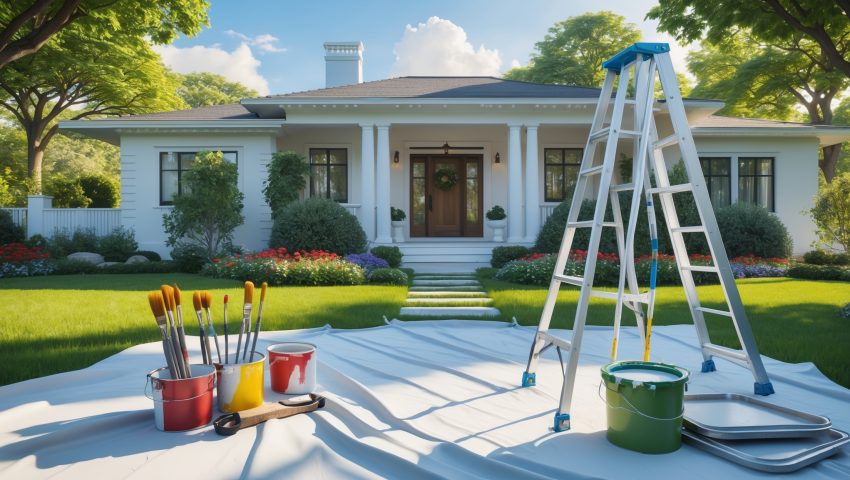
Introduction: Why Exterior Painting Is the Ultimate DIY Home Upgrade
Few home improvement projects deliver immediate impact like painting your home’s exterior. A fresh coat of paint not only revitalizes curb appeal—it actively protects your investment from weather, pests, and time’s relentless march. While DIY exterior painting is a major undertaking, it’s also one of the most satisfying and cost-effective upgrades you can tackle. However, with the stakes high and the elements unrelenting, this isn’t a project for guesswork. Success hinges on meticulous preparation, the right set of tools, and a keen awareness of the best timing for your climate. This guide goes far beyond basic brushwork. Whether you’re a first-timer or a seasoned DIYer, you’ll find deep-dive advice on surface prep, tool selection, seasonal timing by region, and pro-level techniques that ensure your hard work stands the test of time. Skip the rookie mistakes and get ready to transform your home’s exterior with results that rival professional painters—without the pro price tag.
Section 1: Assessing Your Home’s Exterior—Start With a Critical Eye
Walk the Perimeter: Identify Trouble Spots
Before you buy a single can of paint, take a slow, systematic walk around your home’s exterior. Look for:
- Peeling, blistering, or alligatoring paint: Indicates moisture problems or failed previous prep.
- Rotting wood, mold, or mildew: Must be addressed before painting.
- Cracked or missing caulk: Compromises weatherproofing and energy efficiency.
- Chalking: Rub your hand over the paint—if it leaves a powder, extra prep is needed.
- Warped siding or trim: May signal structural or moisture issues.
Test for Lead Paint (Pre-1978 Homes)
If your home was built before 1978, test for lead-based paint using an EPA-approved kit. If positive, follow federal and local guidelines or consult a certified removal professional—never sand or scrape lead paint without proper containment and protection.
Section 2: The Science of Surface Prep—Where Amateurs Fail and Pros Prevail
Cleaning: The Foundation of Paint Adhesion
Paint needs a clean, dry surface. Even invisible grime or pollen can doom your project. Use a garden hose and a soft-bristle brush for light cleaning or a pressure washer for stubborn dirt. Avoid high pressure near windows, under siding, or on old wood—too much force can cause damage. Allow the exterior to dry fully (24–48 hours) before proceeding.
Scraping and Sanding: Removing Loose Paint
Use a carbide-blade scraper to remove flaking paint. Feather rough edges with 80–120 grit sandpaper. For entire boards with widespread peeling, replace the board if rot is present. Collect paint chips on drop cloths and dispose of them safely, especially if lead is a concern.
Repairs: Caulking, Patching, and Woodwork
- Caulk all gaps: Use high-grade exterior acrylic latex caulk for joints, seams, and around windows/doors. Do not caulk weep holes or ventilation gaps.
- Patch holes and gouges: Use two-part epoxy or exterior wood filler, then sand smooth.
- Replace rotted wood: Don’t paint over compromised trim or siding—this invites future failure.
Priming: Insurance for a Lasting Finish
Always prime bare wood, patched areas, or spots where old paint was stripped. Use a high-quality, exterior-grade primer matched to your paint type (latex or oil). For chalky surfaces, use a specialty bonding primer.
Section 3: Tools and Equipment—What You Really Need (and What’s Overkill)
Brushes and Rollers: Quality Matters
- Angled sash brush (2.5–3”): For windows, trim, and detailed work.
- Wide flat brush (4”+): For siding and broad surfaces.
- High-capacity roller (3/4”–1” nap): For stucco, masonry, or textured siding.
Natural bristle brushes are best for oil-based paints; synthetic for latex. Do not skimp on brush quality—cheap brushes leave streaks and lose bristles.
Sprayers: Pros and Cons
- Airless sprayers cover large areas fast with a smooth finish, but require careful masking and practice to avoid overspray and drips.
- Rent versus buy? Unless you plan frequent use, rental is usually more cost-effective for high-quality equipment.
Ladders, Scaffolding, and Safety Gear
- Extension ladders: Choose one that extends 3–4 feet above your highest work point. Inspect for stability before use.
- Scaffolding: Provides steady footing for high or awkward areas; rent for multi-story homes.
- Personal protective equipment: Safety glasses, gloves, dust mask/respirator (especially when sanding or spraying), and non-slip shoes.
Masking and Drop Cloths
- Painters’ plastic and tape: Mask off windows, hardware, and landscaping. Remove tape promptly after painting to avoid residue.
- Canvas drop cloths: Protect decks, driveways, and plants. Canvas is less slippery and more durable than plastic.
Section 4: Paint Selection—Color, Chemistry, and Climate
Choosing Exterior Paint Types
- 100% acrylic latex: The gold standard for most U.S. climates—excellent adhesion, flexibility, and fade resistance.
- Oil-based/alkyd paint: Best for metal railings or bleeder-prone woods (like cedar), but less common due to VOCs and drying time.
- Masonry/concrete paint: Required for stucco, brick, or block—prevents peeling and efflorescence.
Color Selection Tips
Factor in roof color, neighboring homes, and landscaping. Lighter shades reflect heat (great for Southern climates), while darker shades offer drama but may fade faster and show surface flaws. Always test swatches on multiple sides of your home before committing.
Sheen: Flat, Satin, or Gloss?
- Flat/matte: Hides imperfections but less washable—good for older siding.
- Satin/eggshell: Most popular—balances cleanability with subtle shine.
- Semi-gloss: Durable and easy to clean—best for trim, doors, and shutters.
Section 5: Seasonal Painting Strategies—Timing by U.S. Region
Why Timing Matters
Paint performance depends on temperature, humidity, and weather stability. Each region has optimal painting windows—and pitfalls to avoid.
Northeast and Midwest
- Best window: Late spring to early fall (May–September), when daytime highs are 50–85°F and nights stay above 35°F.
- Watch out: Sudden storms and morning dew. Avoid painting right after rain or during high humidity.
Southeast and Gulf Coast
- Best window: Late fall to early spring (October–April), avoiding hurricane season and high summer humidity.
- Watch out: Frequent rain and rapid weather changes—check forecasts daily.
Southwest and Mountain States
- Best window: Spring and fall, when temperatures are moderate and UV exposure is lower.
- Watch out: Extreme midday heat and rapid drying—paint in the shade or during cooler hours.
Pacific Northwest
- Best window: Summer (June–September), when rain is least likely.
- Watch out: Persistent dampness—ensure surfaces are thoroughly dry before painting.
Section 6: Step-by-Step Exterior Painting Process
1. Set Up and Mask
- Move or cover outdoor furniture, grills, and landscaping with drop cloths.
- Mask off windows, doors, and hardware using painter’s tape and plastic sheeting.
- Set up ladders or scaffolding securely; check for power lines and overhead hazards.
2. Apply Primer
- Spot-prime bare wood, patched areas, or any stains.
- Allow primer to cure as per manufacturer’s directions—don’t rush this step.
3. Paint Siding and Trim
- Start at the top and work down: Prevents drips from marring finished areas.
- Brush, roll, or spray: Use a brush for edges and detailed areas, roller for broad surfaces, sprayer for large uniform walls.
- Work in manageable sections: Maintain a wet edge to avoid lap marks.
- Apply two coats: One coat is rarely enough—second coat ensures durability and even color.
4. Paint Trim, Doors, and Details
- Use semi-gloss or gloss for trim and doors for added durability.
- Remove tape promptly after final coat to avoid peeling off fresh paint.
Section 7: Avoiding Common DIY Exterior Painting Mistakes
- Painting on damp or dirty surfaces: Leads to peeling and poor adhesion.
- Ignoring weather forecasts: Rain or cold within 48 hours can ruin results.
- Skipping primer: Especially on bare or patched wood—don’t risk it.
- Using cheap paint or brushes: False economy—better materials last longer and look better.
- Overextending yourself: Large homes may require help—it’s okay to call in friends or pros for tough spots.
Section 8: Pro-Level Tips for a Flawless Finish
- Back-brushing/back-rolling: After spraying, use a brush or roller to work paint into the surface for even coverage and penetration.
- Maintain a wet edge: Avoid visible lap marks by planning your work sequence and keeping adjacent areas wet.
- Use extender additives: For hot or dry climates, add paint extenders to slow drying and improve flow.
- Check for drips and sags as you go: Fix immediately with a light brush stroke.
- Inspect in different light: Move around the house during the day to catch missed spots or uneven coverage.
Section 9: Clean-Up and Maintenance—Protecting Your Investment
Proper Clean-Up
- Clean brushes and rollers promptly—latex paint with soap and water, oil-based with mineral spirits.
- Remove all masking tape and drop cloths once paint is dry to the touch.
- Dispose of leftover paint and solvents per local environmental regulations.
Long-Term Maintenance
- Inspect your paint job annually for early signs of peeling, cracking, or mildew.
- Touch up small chips before they spread.
- Gently wash siding every spring to remove dirt and pollen.
- Keep gutters and downspouts clear to prevent water damage to paint and siding.
Conclusion: DIY Exterior Painting—A Smart, Satisfying Investment
Tackling your home’s exterior painting is a big commitment, but with careful preparation, quality tools, and an eye on regional timing, it’s a project well within reach for most DIYers. The rewards go far beyond cosmetic improvement: you’ll boost your home’s value, extend the life of your siding and trim, and take pride in a project that literally wraps your house in protection. Remember—rushed prep or bargain-bin materials are a false economy that lead to costly do-overs. Invest time in cleaning, repairs, and priming. Choose paints and tools designed for your home’s materials and climate. Be patient with weather windows and work in manageable sections. The difference between a fleeting facelift and a finish that lasts 10+ years is all in the details. By following these pro-level prep, tool, and timing strategies, you’ll achieve a stunning result worthy of your home’s potential—and the satisfaction of a job truly well done.
You mention chalking as a sign that extra prep is needed. What specific steps should I take if I find chalky residue during my inspection?
If you find chalky residue, wash the area thoroughly with a hose or pressure washer and a scrub brush. Let it dry completely, then test again. If chalk remains, apply a primer designed for chalky surfaces before painting.
If I find chalking on parts of my siding but not everywhere, do I need to prep the whole house the same way or just spot treat those areas?
You only need to address chalking where it’s present. Spot treat those areas by cleaning and priming them thoroughly, while you can use standard prep steps for the rest of the siding.
If my siding has some warped spots but no obvious moisture damage, is it okay to proceed with painting after minor repairs, or should I replace those sections first?
If the warping is minor and the siding is structurally sound, you can repair and prep those areas before painting. However, if the boards feel soft, loose, or unstable, replacing them before painting is the best option for long-lasting results.
If my siding has some warped boards, do those need to be replaced before painting or can they be repaired in place?
Warped boards should ideally be replaced before painting to ensure a smooth, long-lasting finish. However, if the warping is minor, you might be able to repair them in place by re-nailing, filling gaps, and sanding the surface flat.
If I find a few small areas with rotting wood during my walkaround, is it okay to repair them myself before painting, or should I bring in a professional?
If the rotting areas are small and you’re comfortable with basic repairs, you can fix them yourself by cutting out the damaged wood, filling gaps, and sanding smooth. For larger or structural damage, it’s safer to consult a professional.
If I spot some minor wood rot during my inspection, is it better to replace the section or can I use a wood hardener and filler before painting?
For minor wood rot, using a wood hardener followed by a quality wood filler is usually sufficient before painting. However, if the rot is extensive or the wood feels soft and crumbles, replacing the affected section is a safer, longer-lasting solution.
Can you clarify what seasonal timing considerations should be kept in mind for different U.S. regions when planning an exterior paint job?
Seasonal timing depends on your region’s climate. In the Northeast and Midwest, late spring to early fall is best. In the South, avoid peak summer heat and humidity. For the West, mild, dry conditions in spring or fall work well.
Can you expand on the best types of prep or paint products for homes in humid climates to avoid peeling and mildew?
In humid climates, thoroughly clean and dry surfaces before painting. Use mildew-resistant exterior primers and 100% acrylic latex paints, which resist moisture and peeling. Also, choose paints labeled specifically for humid or coastal areas for extra protection.
Do you have recommendations for budget-friendly tools that still deliver professional results, especially for someone tackling exterior painting for the first time?
For a first-time exterior paint job, opt for a sturdy angled brush, a medium-nap roller, and a metal paint tray. Consider renting a quality ladder and using painter’s tape. These basics offer solid results without breaking the bank.
For homes built before 1978, what’s the general cost and timeframe for safe lead paint removal if I need to bring in a certified professional?
For homes built before 1978, professional lead paint removal typically costs $8 to $15 per square foot. The process usually takes several days to a week, depending on home size and complexity, ensuring safety standards are met.
Can you explain more about how to deal with chalking paint before starting, and what specific prep steps are needed if I find it?
If you find chalking paint, start by rubbing the surface with your hand—if a powdery residue comes off, that’s chalking. Wash the area thoroughly with a trisodium phosphate (TSP) solution or soap and water. Rinse, let it dry, then lightly sand before priming and painting.
When checking for chalking paint as mentioned, what extra prep steps are suggested if I find a lot of powder coming off the siding?
If you find heavy chalking, thoroughly scrub the area with a stiff brush and soapy water, then rinse well. After it dries, consider applying a quality bonding primer before painting to ensure proper paint adhesion.
If I find cracked or missing caulk while inspecting my house, do I need to replace it everywhere or just in trouble spots before painting?
You only need to replace caulk in the trouble spots where it’s cracked or missing. Make sure those areas are sealed well before painting to prevent moisture problems and ensure a smooth, long-lasting finish.
If I find warped siding during my inspection, should I fix that before moving on to any prep or painting steps, and what repairs are usually needed?
Yes, you should repair any warped siding before prepping or painting. Common repairs include replacing damaged boards, securing loose sections, and ensuring the surface is flat and stable to help paint adhere properly and to avoid future issues.
Does the recommended prep or painting schedule change for homes in humid regions compared to drier climates like the Southwest?
Yes, in humid regions, it’s important to allow extra drying time between prep steps and coats of paint. You should also avoid painting during very damp or rainy periods to prevent moisture issues, unlike in drier Southwest climates.
You mention seasonal timing by region for painting—could you share specific recommendations for the Northeast, especially regarding humidity and temperature swings?
For the Northeast, aim to paint in late spring or early fall when temperatures stay between 50 and 85°F. Pick days with low humidity and avoid periods of frequent rain or dramatic temperature swings for best paint adhesion and drying.
If I find rotting wood during my assessment, do I need to replace it completely before painting or are there reliable repair options for minor spots?
For minor rotting spots, you can use wood hardener and exterior wood filler to repair them. However, if the wood is extensively damaged or soft, it’s best to replace it completely before painting for lasting results.
If I find warped siding or trim during my inspection, should I always replace it before painting, or are there repair methods that work well?
If siding or trim is only slightly warped, you might be able to repair it with fillers, caulk, or by re-nailing. However, if the damage is severe or affects the structure, replacement is the best option before painting.
If I find small areas of rotted wood during my prep walk, is it necessary to replace them completely before painting, or are there reliable patching options?
Small areas of rotted wood can often be patched with epoxy wood filler after removing all decayed material. However, if the rot is extensive or compromises structural integrity, replacement is best. Make sure the area is dry before patching or painting.
If I find rotting wood during my inspection, should I replace it myself before beginning prep work, or does it make more sense to hire a professional for that step?
If the rotting wood is minor and you’re comfortable with basic carpentry, you can replace it yourself before painting. For extensive damage or structural concerns, hiring a professional is safer and ensures a long-lasting result.
For homes built before 1978, if lead paint is detected, what are some realistic DIY steps a homeowner can safely take before hiring a certified pro?
If lead paint is found, you can carefully clean dust with a damp cloth, avoid sanding or scraping, and seal off the area to limit exposure. Always wear protective gear and keep children and pets away until a certified professional handles removal.
When inspecting for rotting wood or warping, are there quick fixes DIYers can use, or should those be totally replaced before starting to paint?
Small areas of rot or minor warping can sometimes be patched with wood filler or epoxy, but for significant damage, it’s best to replace the affected wood. This ensures a longer-lasting, professional-looking paint job.
If I find cracked caulk around windows, should I recaulk before or after scraping and sanding the old paint? Any specific type of caulk you recommend for exterior use?
Remove any loose paint by scraping and sanding first, then recaulk around the windows before priming and painting. For exterior use, choose a high-quality paintable acrylic latex caulk designed for outdoor applications to ensure durability and flexibility.
If I find some rotting wood or mold during my inspection, should I fix that myself before painting or is it better to hire a pro for those repairs first?
If the repairs are minor and you’re comfortable with them, you can handle small fixes yourself. For extensive rot or mold, it’s safer to hire a professional to ensure the problem is fully resolved before painting.
Could you clarify how to tell the difference between regular old paint and possible lead paint if my house was built around the late 1970s?
If your house was built in the late 1970s, there’s a chance it has lead paint, especially if painted before 1978. Lead paint often looks no different, so use a lead test kit from a hardware store or hire a certified professional for accurate identification.
When inspecting for rotting wood or warped siding, are there specific tools or techniques you recommend to catch hidden damage before painting?
To spot hidden rot or warping, use a screwdriver or awl to gently probe wood for soft spots, and look for bubbling paint or discoloration. A moisture meter is also useful to detect areas with excess moisture that could indicate hidden damage.
Are there affordable tools recommended for first-timers to spot check for moisture or rot, or should I call in a pro if I’m unsure?
For basic moisture checks, affordable moisture meters are available at hardware stores and can help spot damp areas. A sturdy screwdriver can gently probe wood for rot. If you find uncertain or widespread issues, consulting a pro is wise.
If I find cracked or missing caulk, is it best to recaulk before any other repairs, or should that come after treating things like rot or mildew?
Treat any rot or mildew first, as repairs in those areas might disturb the caulk. Once the surfaces are sound and dry, recaulk as needed before priming and painting for the best results.
For homes in humid climates, when is the optimal season or weather window to start exterior painting to minimize issues like peeling or blistering?
In humid climates, aim to paint during late spring or early fall when humidity is lower and temperatures are mild. Avoid rainy periods and wait until exterior surfaces are fully dry to reduce risks of peeling or blistering.
If I find some warped siding or trim during my perimeter check, do I need to replace those sections before painting, or are there reliable repair methods that still allow the paint to last?
If the siding or trim is only slightly warped, you can often repair it with caulk or wood filler, then sand smooth. Severely warped or rotten sections should be replaced to ensure the paint adheres well and lasts.
If I find some chalking on my siding but no peeling paint, do I still need to prime the whole exterior or just spot prime those areas?
If you only see chalking without peeling, you can usually get by with a thorough cleaning to remove the chalk, then spot prime any bare or stubborn areas. Full priming isn’t needed unless the surface is very weathered.
If I find cracked or missing caulk around my windows, should I re-caulk before prepping the rest of the surface, or can that wait until after painting?
You should re-caulk cracked or missing caulk before prepping and painting. This seals gaps, protects against moisture, and ensures the new paint adheres properly for a longer-lasting finish.
How much time should I budget for surface prep compared to the actual painting, especially if I find cracked or missing caulk during my inspection?
Plan on spending at least as much time on surface prep as on painting itself. If you find cracked or missing caulk, allow extra hours or even a full day for proper caulking and drying before you start painting.
If my siding has some warped spots but they’re not too bad, should I fix them before painting or can I just paint over them for now?
It’s best to repair warped siding before painting. Painting over warped areas can lead to peeling and uneven results. Fixing them now ensures your paint job looks great and lasts longer.
How can I tell if some warped trim is just cosmetic or if it’s a bigger moisture issue that needs fixing before painting?
Check if the warped trim feels soft, spongy, or shows signs of mold and staining—these can mean moisture damage. If it’s only slightly warped but solid and dry, it’s likely cosmetic. Address any underlying moisture before painting to prevent future problems.
If I discover some rotting wood or cracked caulk during my initial walk-around, should I repair those areas before I even start power washing or scraping the old paint?
Yes, you should repair rotting wood and cracked caulk before power washing or scraping. Addressing these issues first helps prevent further damage from moisture and ensures a longer-lasting, high-quality paint job.
For homes that test positive for lead paint, is it possible for a DIYer to safely prep and paint, or is professional remediation always necessary?
If your home tests positive for lead paint, strict safety measures are required. DIYers can legally do the work if it’s their own home, but must follow EPA guidelines for containment and cleanup. Many prefer hiring certified pros to ensure safety.
If I find some chalking on my siding, do I need to strip off all the paint or just focus on those spots before repainting?
You don’t need to strip off all the paint. Just focus on the chalky areas by scrubbing them clean and ensuring the surface is dry and residue-free before repainting. Spot priming those areas can also help the new paint adhere better.
If I find some rotting wood during my perimeter check, should I replace the boards entirely or are there repair products that work well for exterior painting prep?
If the rot is minor, you can use wood hardener and exterior wood filler to repair the area. For extensive rot or structural damage, it’s best to replace the affected boards before painting.
If I find chalking on older paint during my initial walk-around, what’s the best prep method to make sure the new paint sticks well?
To prep chalky surfaces, scrub them with a stiff brush and a mild detergent, then rinse thoroughly with water. Let the area dry completely before applying a quality exterior primer designed for chalky surfaces, followed by your topcoat.
If I find cracked or missing caulk around my windows and trim, should I recaulk before or after scraping old paint during prep?
You should scrape off old, loose paint first, then recaulk any cracked or missing areas before priming and painting. This helps ensure the new caulk adheres well and provides a smooth, durable finish.
When inspecting for chalking as mentioned, how much powder residue is enough to require extra prep before painting?
If you rub your hand over the surface and see a noticeable layer of powder that transfers easily to your skin, that’s enough chalking to require extra prep, like thorough cleaning or using a specialty primer, before painting.
For DIYers in humid regions, how do you recommend timing the prep and painting steps to avoid problems with moisture and drying?
In humid regions, plan prep and painting for days with lower humidity, ideally below 70%. Start in the late morning after dew dries and finish early afternoon. Always let surfaces dry fully before priming or painting to prevent peeling and mold.
Does painting in a humid climate change the timing or type of prep I should do for mold or mildew issues on wood siding?
Yes, in humid climates you should check for and remove any mold or mildew before painting. Clean with a mildew remover and let the wood dry completely. You may also want to use a mildew-resistant primer for extra protection.
For homes built before 1978, what are the main steps to safely handle lead-based paint if removing it yourself isn’t an option?
If you can’t remove lead-based paint yourself, the key steps are to keep painted surfaces in good repair, regularly clean dust with a damp cloth, avoid sanding or scraping, and repaint over old paint using a lead-safe primer and quality topcoat.
For homes in humid climates, are there extra steps you recommend to prevent future paint blistering or mildew after painting?
For humid climates, make sure all surfaces are completely dry before painting, use a mildew-resistant primer and exterior paint, and clean surfaces to remove any mold or mildew first. Good ventilation and regular maintenance also help prevent blistering and mildew.
When assessing for chalking, how much of that powdery residue is a sign that the prep will need extra attention before painting?
If you notice a noticeable amount of powder on your hand after rubbing the wall, that’s a sign the surface needs extra cleaning and potentially priming. Any significant chalking means you’ll need to wash thoroughly and possibly use a bonding primer before painting.
How much does the timing by region actually affect the results, and is it really worth waiting for the ideal season if I’m in a mild climate?
In a mild climate, timing matters less than in regions with extreme weather. You often have more flexibility, but painting during dry, stable conditions helps paint adhere and last longer. Waiting for mild, consistent weather is still beneficial, though not always critical.
How much extra prep time should I budget for if my current paint is chalking a lot? I have two small kids so I need to plan carefully.
If your paint is chalking significantly, allow at least 1–2 extra days for thorough washing, scraping, and priming. Scheduling work over several shorter sessions may help manage things with your kids at home.
When inspecting for peeling or blistering paint, is there a way to tell if it’s mostly from weather exposure versus a problem like moisture inside the walls?
Yes, you can often tell the cause by looking closely at the pattern. Weather exposure usually causes peeling in exposed areas, while moisture from inside often leads to blistering or peeling in spots near gutters, downspouts, or inside corners.
For homes built before 1978, what are some safe alternatives to fully removing lead paint if hiring a professional isn’t in my budget right now?
For older homes, you can safely manage lead paint by sealing it with a high-quality primer and paint, known as encapsulation. Avoid sanding or dry-scraping. Clean surfaces thoroughly, and keep kids and pets away from chipping areas.
For a first-time DIYer, how do I know when warped trim needs to be replaced rather than just repainted?
If the trim is soft, crumbling, or can’t hold paint or nails, it likely needs replacing. Minor warping can be filled and painted, but severe bends or rot mean replacement is safest for long-lasting results.
The article mentions extra prep for chalky paint—can you explain what specific steps are involved to ensure the new paint adheres properly?
For chalky paint, start by thoroughly washing the surface, then brush or scrub off any loose chalk with a stiff brush. Rinse well, let it dry, and apply a bonding primer before painting to ensure proper adhesion.
If I find cracked caulk during my walk-around, should I re-caulk before doing any other prep work, or can I do it right before painting?
It’s best to re-caulk cracks after cleaning and scraping but before priming and painting. This gives the caulk time to cure and ensures a smooth, long-lasting finish for your exterior paint job.
Can you elaborate on how seasonal timing for painting differs between humid southern climates and drier regions like the Southwest? I want to avoid issues with paint adhesion.
In humid southern climates, paint during the drier months and avoid rainy or extremely humid days, as moisture slows drying and can affect adhesion. In drier southwestern areas, paint in milder seasons to avoid extreme heat, which can cause paint to dry too quickly and crack.
If I find a few small spots of rotting wood when I walk around my house, is there an affordable product to repair those, or do I need to replace the boards completely?
For small areas of rot, you can use wood hardener and exterior wood filler to repair the spots rather than replacing the entire board. These products are affordable and work well if the damage isn’t extensive.
If I discover minor wood rot during my initial walk-around, do I need to replace the boards entirely or are there effective repair techniques suitable for DIYers?
For minor wood rot, you don’t always need to replace the entire board. You can often use a wood hardener and exterior wood filler to repair small areas before painting. Replace boards only if the rot is extensive or structural.
Can you give some advice on dealing with rotting wood and mildew during the prep phase? Is it better to replace or repair these spots before painting?
Addressing rotting wood and mildew before painting is crucial. Replace wood that’s badly rotted or structurally unsound. For minor rot, use wood hardener and filler. Always remove mildew with a cleaning solution and let surfaces dry fully before priming and painting.
For homes with some rotting wood found during the initial inspection, is it better to replace just those sections, or does that mean there might be bigger structural issues to check out first?
If you find some rotting wood, it’s best to replace those sections. However, it’s wise to check nearby areas for hidden moisture or damage to rule out larger structural issues before painting.
Is there a way to fix cracked or missing caulk without replacing all of it, or is a full re-caulking necessary for a long-lasting paint job?
You can spot-fix cracked or missing caulk by scraping out just the damaged sections and applying new caulk in those areas. As long as the surrounding caulk is intact, a full re-caulking isn’t usually necessary for durability.
If I find warped siding or rotting wood during my inspection, how should I prioritize those repairs before painting, and are there any cost-effective solutions for small business budgets?
Address any warped siding or rotting wood before painting—repair or replace damaged areas to ensure paint adheres properly. For small budgets, patch minor rot with wood filler and only replace severely damaged sections to save on costs.
You mention that identifying warped siding could signal bigger issues. Should I have that inspected by a pro before painting, or can I move forward with repairs myself?
If you notice warped siding, it’s best to have it inspected by a professional before painting. Warping can indicate underlying moisture or structural problems that should be addressed first to ensure a lasting paint job.
When checking for chalking on old paint, how do you know if it’s bad enough to need extra prep, and what prep steps do you recommend if you find it?
Rub your hand over the paint; if you see a noticeable chalky residue, that’s a sign you need extra prep. Scrub the area thoroughly with soap and water, then rinse. For heavy chalking, use a bonding primer before painting.
If I find warped siding during my inspection, do I need to replace it before painting, or are there ways to fix it temporarily for a better paint job?
It’s best to replace severely warped siding before painting, as paint won’t adhere well to uneven surfaces. For minor warping, you can temporarily secure it with nails or screws, but this is only a short-term fix.
How can you tell the difference between paint that’s just old and paint that has underlying moisture or rot issues during your perimeter check?
Old paint usually looks faded, chalky, or cracked, but paint affected by moisture or rot will bubble, peel, or feel soft to the touch. Press gently on suspicious spots—softness or crumbling are signs of underlying moisture or rot problems.
If I find minor wood rot during my perimeter inspection, do I need to fully replace boards, or can certain fillers work just as well for small repairs before painting?
For minor wood rot, you can use high-quality wood fillers or epoxy to repair small areas after removing any soft, damaged wood. Full board replacement is only necessary if the rot is extensive or compromises the board’s strength.
Can you recommend specific products or methods for treating mold and mildew on siding before painting, especially in humid climates?
To treat mold and mildew on siding, especially in humid climates, use a solution of one part bleach to three parts water, or look for commercial cleaners labeled for mold removal. Scrub the area thoroughly, rinse well, and let it dry before painting.
For homes built before 1978 that test positive for lead paint, what’s the most cost-effective way to handle safe removal or containment as a homeowner, versus hiring a professional?
If your home tests positive for lead paint, hiring a certified professional is safest and often legally required for major work. For small areas, you can use lead-safe work practices and containment, but always wear proper protective gear and never sand or dry-scrape lead paint.
If I find rotting wood during the perimeter walk, do I need to replace it all before painting or are there ways to repair minor spots?
For minor rotting spots, you can use wood filler or epoxy to repair and sand them smooth. If the wood is severely damaged or soft, it’s best to replace those sections before painting to ensure a lasting finish.
If I find some rotting wood or mildew during my exterior inspection, is it best to replace those areas right away, or can I treat and paint over them temporarily until a bigger repair?
It’s important to address rotting wood before painting—replace or repair those sections first, as painting over them won’t stop further damage. If you spot mildew, clean and treat the area thoroughly before painting to prevent future issues.
For a business with a tight budget, what are the most important prep steps to prioritize if we can’t address every issue listed, like minor rotting or chalking?
Focus on thoroughly cleaning the surfaces, scraping off loose or peeling paint, and repairing any major cracks or holes. Addressing minor rot or chalking can be delayed, but ensure the surface is dry and smooth before painting for best results.
If I find cracked or missing caulk during my walkaround, do I need to replace it before painting or can I just paint over it?
You should replace any cracked or missing caulk before painting. Applying fresh caulk ensures a smooth, weatherproof seal and helps the paint adhere better for a longer-lasting finish.
How can I tell if chalking is a big enough issue that I need to do extra prep before painting, and what exactly does that extra prep involve?
Rub your hand on the siding—if you see a lot of white, powdery residue, chalking is significant. Extra prep includes scrubbing the surface with soap and water, or a trisodium phosphate solution, to remove the residue before painting.
When inspecting for chalking as you described, how much surface powder is normal before it signals that extra prep is definitely needed?
A small amount of powder that barely comes off on your hand is normal, but if your fingers pick up a noticeable, dusty residue, the chalking is significant and extra prep like thorough washing or priming is needed before painting.
For houses with a lot of old, chalky paint but minimal peeling, what’s the best prep method to ensure the new paint sticks well?
For chalky surfaces with minimal peeling, start by thoroughly washing the exterior to remove loose residue—either with a scrub brush or gentle power washing. Once dry, apply a high-quality bonding or masonry primer before painting to ensure strong adhesion.
If I find warped siding during the walk-around, do I have to replace it before painting or can I just repair it somehow?
If you find warped siding, it’s best to replace it rather than just repair it. Painting over warped siding won’t fix the problem and may lead to peeling or uneven results later.
If I find a few small areas with rotting wood during my assessment, should I repair those myself or is it safer to call in a professional before starting the painting process?
If the wood rot is minor and you’re confident in your repair skills, you can handle small fixes yourself using wood filler or epoxy. For larger or structural damage, it’s safer to call a professional before painting.
If my house was built in 1975 but has several layers of newer paint, should I still be concerned about possible lead paint underneath when prepping the exterior?
Yes, you should still be cautious. Homes built before 1978 may have lead-based paint underneath newer layers. When sanding or scraping, take precautions to minimize dust and consider testing for lead before starting work.
If I find a small patch of rotting wood during my inspection, can I just repair that spot before painting or should I replace entire boards?
If only a small area is rotted, you can usually repair it with wood filler or epoxy. However, if the rot affects a large portion or compromises the board’s strength, it’s best to replace the whole board.
If I find warped trim while walking my house perimeter, do I need to replace it before painting or is there a way to repair it and still get good results?
If the trim is only slightly warped, you can often repair it by reattaching it with nails or screws and filling gaps with exterior-grade caulk. Severely warped or rotted trim should be replaced for the best painting results and long-term durability.
What’s the best way to handle a painting project if you discover both mold and cracked caulk during your initial walk-around inspection?
Start by removing any mold with a scrub brush and a solution of water and mild detergent, then let the surface dry completely. For cracked caulk, scrape out the old caulk, clean the gap, and apply fresh exterior-grade caulk before painting.
You mentioned seasonal timing—if I live in the Northeast, which month would typically offer the best conditions for exterior painting?
In the Northeast, late spring (May to early June) or early fall (September) usually provide the best weather for exterior painting—mild temperatures, lower humidity, and less chance of rain help ensure a smooth, lasting finish.
For homes built before 1978, if the lead test is positive, what are the safest DIY-friendly steps for containment, or is it always better to bring in a professional right away?
If a lead test is positive, it’s safest to bring in a certified professional, as improper DIY methods can release hazardous lead dust. If you must proceed, use plastic sheeting to contain the area, wear proper protection, and avoid sanding or dry scraping.
Does the article cover any budget-friendly tool recommendations for first-timers who don’t want to invest in pro-grade equipment right away?
Yes, the article suggests basic, affordable tools suitable for beginners, such as quality synthetic brushes and standard rollers, instead of high-end sprayers or specialty gear. These recommendations help you achieve good results without a big initial investment.
If I find chalking on my siding, what extra prep steps do I need before I can start painting?
If you notice chalking on your siding, wash the surface thoroughly to remove the chalky residue. Let it dry completely, then apply a quality primer designed for chalky surfaces before painting to ensure the new paint adheres properly.
If I find rotting wood or mold during my perimeter walk, is it better to replace those sections before painting or can I treat and seal them instead?
It’s best to replace any rotting wood before painting, as painting over it won’t stop further decay. Moldy areas should be properly cleaned and treated with a fungicide before painting to prevent future problems.
If I find some warped siding during my inspection, should I hold off on painting until it’s repaired, or is there a temporary fix to keep my timeline moving?
It’s best to repair any warped siding before painting, since paint won’t adhere properly and the damage could worsen. Temporary fixes often don’t provide a stable surface, so repairing first will ensure lasting and professional results.
If I find rotting wood during my perimeter check, should I repair or completely replace those boards before painting, and is there a budget-friendly approach?
If the rot is minor, you can remove damaged areas and fill them with wood epoxy as a budget-friendly fix. For extensive rot or structural issues, replacing the boards is safer before painting to ensure a lasting, quality finish.
If I find chalking or peeling paint on just a few spots, do I need to prep and repaint only those areas, or is it better to do the whole side for a uniform look?
If the chalking or peeling is limited to a few spots, you can prep and repaint just those areas. However, repainting the whole side will give you the most uniform appearance, especially if the color has faded over time.
How should I adjust my prep process if I find chalky residue or mildew during the initial walk-around, especially in a humid climate?
If you find chalky residue, scrub it off with a stiff brush and rinse well. For mildew, use a solution of water and mild bleach, scrub the area, and rinse. Make sure surfaces are fully dry before painting, especially in humid climates.
If I spot chalking on my current exterior paint, what are the extra prep steps you recommend before repainting to ensure the new coat sticks well?
Chalking should be scrubbed off with a stiff brush and mild detergent, then rinsed thoroughly. Once dry, check for any remaining powder. If some persists, apply a quality bonding primer before repainting for the best adhesion.
Is there an ideal time of year for painting in a humid climate, or do I just need to watch the weather forecast closely?
In humid climates, early fall or late spring are often best, as humidity is usually lower. Still, always check the forecast for dry, mild days and avoid painting right after rain or when high humidity is expected.
If I find some rotting wood during my perimeter check, is it better to repair or fully replace those sections before starting the exterior paint job?
If you find rotting wood, it’s best to fully replace those sections rather than just repair them. This ensures a long-lasting, smooth paint job and prevents further structural issues down the line.
If I find cracked caulk in a few spots, do I need to recaulk the entire house or just the trouble areas before starting to paint?
You only need to recaulk the areas where the caulk is cracked or missing. Make sure those spots are sealed well before painting for the best results.
For homes with warped siding or trim, do you recommend replacing those spots entirely or can they be repaired before painting?
If the siding or trim is only slightly warped, minor repairs or filling may be enough before painting. However, if the warping is severe or affects structural integrity, it’s best to replace those sections for a longer-lasting, professional finish.
How do you decide whether cracked or missing caulk is a simple DIY fix, or if it means there are deeper weatherproofing problems that need professional attention?
If the cracks in the caulk are small and isolated, you can usually re-caulk those areas yourself. However, if there’s widespread caulk failure, moisture damage, or signs of wood rot, it’s best to consult a professional to assess for deeper weatherproofing issues.
If lead-based paint is detected on only a small section of siding, is it necessary to involve a certified removal professional for just that area or the entire exterior?
If lead-based paint is found, even in a small area, regulations often require a certified professional for safe removal, but only the affected area needs specialized handling—not the entire exterior unless more lead paint is discovered elsewhere.
Can you explain what kind of prep is needed if I find chalking on my siding during the initial walkthrough?
If you notice chalking on your siding, start by thoroughly washing the surface with soap and water or a mild detergent. Rinse well, let it dry, then lightly sand to remove any remaining residue before priming and painting.
If I find small areas of chalking during my walk-around, do I have to remove all the old paint or just sand those spots before priming?
If you notice small chalking spots, you don’t need to remove all the old paint—just scrub or sand those areas until they’re smooth and free of chalky residue, then prime before painting.
If I find cracked caulk and warped siding, should I address those repairs before starting any paint prep, or can some steps overlap to save time?
Address cracked caulk and warped siding before starting any paint prep. Repairs should be fully completed first so the paint properly adheres and lasts longer, preventing further damage and ensuring a smooth, professional result.
If I find some rotting wood while inspecting my siding, is it better to repair it myself or should I call in a pro before painting?
If the rot is minor, you can usually handle repairs with wood filler or epoxy and some basic tools. For larger or structural damage, it’s safer to call a professional before painting to ensure the integrity of your siding.
How can I tell the difference between wood that just looks worn out and actual rotting that has to be fixed before painting?
Check for softness by pressing a screwdriver into the wood—rotting wood feels spongy and may crumble. Also, look for deep cracks, dark spots, or areas where paint bubbles or peels away easily, which can indicate rot needing repair.
How can I tell if chalking is still present after initial cleaning, and what extra prep steps should I take if it persists?
After cleaning, run your hand over the surface—if you see a white, powdery residue on your fingers, chalking remains. To remove it, wash again, use a stiff brush, or apply a chalk-binding primer before painting.
What’s the best way to address rotting wood or mildew I find during the perimeter walk, and do I need to replace or just treat the affected areas before painting?
For rotting wood, it’s best to replace the damaged sections to ensure a lasting paint job. If you find mildew, scrub it off with a mildew remover and let the area dry completely before painting.
If I find chalking on my siding during the initial walkaround, what’s the best way to prep those areas before painting so the new paint lasts?
Chalking should be scrubbed off with a stiff brush and water, or with a mild detergent if needed. Rinse thoroughly, let dry, then test if chalking remains by rubbing your hand along the surface. Prime any stubborn areas before painting.
How expensive can it get to properly address issues like rotting wood and lead paint before you even start painting?
Addressing rotting wood and lead paint can add significant costs before painting begins. Repairs for rotting wood may range from a few hundred to several thousand dollars, while professional lead paint removal can cost $8–$15 per square foot, depending on severity and house size.
When checking for warped siding or trim, how do you decide if it needs to be replaced completely or if filler and sanding will do the job?
Look for extensive warping, rot, or crumbling—if the siding or trim feels soft, spongy, or has large cracks, replacement is best. For minor warping, cracks, or small holes, filler and sanding should be enough.
If I find chalking on the exterior, what extra prep steps do I actually need to take before starting to paint?
If you see chalking, scrub the surface thoroughly with a stiff brush and a mild detergent, then rinse well. Make sure the surface is completely dry before you start priming and painting for the best results.
If I find some minor rotting wood on my siding, do I need to fully replace it before painting, or are there good repair products for small spots?
For small areas of rot, you can use wood hardener and exterior-grade wood filler to repair the damage before painting. Just make sure to remove all loose material and let repairs dry fully before priming and painting.
If I spot mold or mildew during my walkaround, do I need to use a special type of primer after cleaning, or is regular exterior primer sufficient for long-term protection?
After cleaning away mold or mildew, it’s best to use a primer specifically labeled as mildew-resistant or mold-inhibiting. This offers extra long-term protection compared to regular exterior primer, helping to prevent future growth under the paint.
If I find chalking when I do the hand test on my siding, what extra prep steps should I take before painting?
If you notice chalking, you’ll need to wash the surface thoroughly with a scrub brush and mild detergent to remove the residue. Rinse well and let it dry before priming, as primer will help the new paint adhere properly.
If I notice cracked caulk around windows, should I recaulk before or after power washing the siding, and are there certain caulking products that hold up better in humid climates?
Recaulk after power washing, since the cleaning may loosen or remove old caulk. For humid climates, look for high-quality exterior silicone or polyurethane caulks labeled as paintable and mildew-resistant—they offer better durability and flexibility.
When testing for lead paint in older homes, do you have tips on safe DIY sampling, or is it best to immediately call in a professional to handle it?
For safety, it’s usually best to hire a certified professional for lead paint testing, especially if your home is pre-1978. DIY test kits exist, but improper sampling can release hazardous dust. Professional assessment ensures accurate results and safe handling.
If I find minor areas of rotting wood during my perimeter check, is it better to repair or replace them before painting, and how might this impact the overall timeline?
It’s best to repair or replace rotting wood before painting to ensure a lasting finish. Repairs may add a few hours, while replacements could extend the prep time by a day or two, but it’s important for durability.
If I find chalking but no peeling on my siding, do I just need extra prep or should I strip the paint down to bare wood first?
If you see chalking but no peeling, you don’t need to strip down to bare wood. Wash off the chalky residue, let the surface dry, and then apply a quality primer before painting for the best results.
If my hand comes away chalky when I rub the paint but there’s no peeling, do I still need to fully strip the old paint before repainting?
You don’t need to fully strip the old paint if it’s just chalky with no peeling. Wash off the chalky residue thoroughly, let it dry, and then apply a quality primer before repainting for the best results.
You mention timing by region—are there any tools or guidelines to help small business owners schedule exterior painting for peak durability in unpredictable climates?
For unpredictable climates, consider using local weather-tracking apps and industry guidelines from paint manufacturers. Many businesses also rely on digital project management tools that integrate weather forecasts to help schedule exterior painting for optimal durability.
If I find minor rotting wood during my inspection, is it better to repair it myself before painting or should I call in a professional?
If the rot is minor and you’re comfortable with home repairs, you can use wood filler or epoxy to fix it yourself before painting. For larger or structural damage, it’s safer to call a professional to ensure lasting results.
If I find some rotting wood during my perimeter check, should I replace it before starting any prep, or are there quicker fixes that still hold up?
It’s best to replace any rotting wood before starting prep or painting. Quick fixes like fillers may not last and can lead to bigger issues later, while proper replacement ensures a durable and professional finish.
For business owners trying to minimize downtime, when is the best season to tackle exterior painting if we’re in the Midwest?
In the Midwest, late spring through early fall is ideal for exterior painting. Aim for periods with mild temperatures, low humidity, and minimal rain, which helps paint cure properly and allows you to minimize business downtime.
If my siding has some warped spots but no visible rot, is it still okay to paint over them, or should I fix those areas first?
It’s best to fix any warped siding before painting. Even without rot, warped areas can cause paint to crack or peel sooner, and repairs will help your paint job last longer and look smoother.
How much time should I set aside for prepping the exterior if I find rotting wood or mold during my initial walk-around?
If you discover rotting wood or mold, plan for at least several extra days. Fixing rot means removing and replacing wood, while mold requires cleaning and drying time before priming. The exact time depends on how widespread the issues are.
Do you have tips for small business owners needing to paint a storefront with lots of trim and previous caulking issues like you mentioned in the inspection section?
For storefronts with lots of trim and old caulking, carefully remove any failing caulk, clean gaps, and use high-quality exterior caulk before painting. Sand rough spots on trim, prime bare wood, and tape edges for clean lines. Work in manageable sections for best results.
When testing for chalking, if I notice a powder coming off, what extra prep steps are involved and will that increase my supply costs significantly?
If you notice chalking, you’ll need to wash the surface thoroughly to remove the powder, possibly using a pressure washer and a mild detergent. This step may add some cleaning supplies but shouldn’t significantly increase your overall costs.
For busy families, is it possible to break up exterior painting into smaller sections over several weekends, or does that cause issues with color matching or finish?
You can absolutely break up exterior painting into smaller sections over several weekends. Just be sure to buy all the paint at once to ensure color consistency, and keep track of weather conditions for even drying and finish.
If my home exterior has chalking and some rotting wood, what are the recommended steps to treat both issues before I start prepping for paint?
For chalking, wash the surfaces with a mild detergent and scrub off the residue, then rinse thoroughly. For rotting wood, remove damaged areas, treat with wood hardener, or replace the wood if necessary. Allow everything to dry before further prep.
How can I tell if I need to replace rotting wood versus just repairing it before painting my house?
If the wood feels soft, crumbles easily, or you can poke through it with a screwdriver, it’s best to replace it. Minor surface damage or shallow rot can often be repaired with filler or epoxy before painting.
If I find areas with peeling or alligatoring paint, do I need to completely strip those spots, or can I just sand them before repainting?
For peeling or alligatoring paint, it’s best to scrape off all loose and flaking material until you reach a solid surface. Then sand the area smooth before priming and repainting. Complete stripping isn’t always necessary unless the paint is failing throughout.
If I discover rotting wood during my walk-around, is it better to replace it entirely or are there reliable repair methods suitable before painting?
If the rot is extensive or the wood feels soft and crumbles, it’s best to replace it. For minor surface rot, you can use wood hardener and epoxy filler to repair before painting. Ensure the area is dry and stable first.
If I find rotting wood while inspecting my siding, do I need to replace it completely before painting, or are there reliable ways to repair it myself?
If the wood is only mildly rotted, you can remove the damaged areas and use wood filler or epoxy to repair it. However, if the rot is extensive, replacing the affected boards is best to ensure a lasting paint job.
How can I tell if warped siding is just a cosmetic issue or if it indicates something more serious before I start painting?
Check for softness, moisture, or mold around the warped area by gently pressing it. If it’s spongy, crumbly, or damp, it could be a sign of rot or water damage. Cosmetic issues usually feel dry and firm.
If I find some rotting wood during my exterior inspection, is it better to repair or fully replace those sections before painting?
If you find rotting wood, it’s usually best to fully replace those sections before painting. Repairs might be a temporary fix, but replacement ensures a longer-lasting, safer, and better-looking result for your home’s exterior.
If I find cracking or missing caulk during my inspection, do I need to recaulk everything before painting, or just the problem areas?
You only need to recaulk the areas where you find cracks or missing caulk. Make sure those spots are clean and dry before applying new caulk for the best paint adhesion and protection.
For homes built before 1978, what are the safest ways to address minor peeling spots if I’m waiting on a professional lead abatement team?
For minor peeling on pre-1978 homes, safely cover spots with plastic sheeting and painter’s tape to contain any dust. Avoid sanding or scraping until professionals arrive, and keep kids and pets away from the area.
If chalking is found during the initial walkthrough, what specific products or prep steps do you recommend to ensure the new paint lasts?
If you find chalking, wash the area thoroughly with a hose and scrub brush or pressure washer. Once dry, apply a high-quality bonding primer made for chalky surfaces before painting. This helps the new paint adhere and last longer.
If my siding has a bit of warping but no visible rot, should I still repaint, or would that risk bigger issues down the road?
If the warping is minor and there’s no rot, repainting is usually fine, but be sure to monitor for further movement. Warping can sometimes signal moisture issues, so check for leaks and address the source before painting.
If my house was built before 1978 but the exterior has been repainted since, do I still need to worry about testing for lead paint?
Even if your house has been repainted, it’s possible that older layers with lead paint are still beneath newer coats. It’s safest to test for lead, especially when sanding or scraping exterior surfaces.