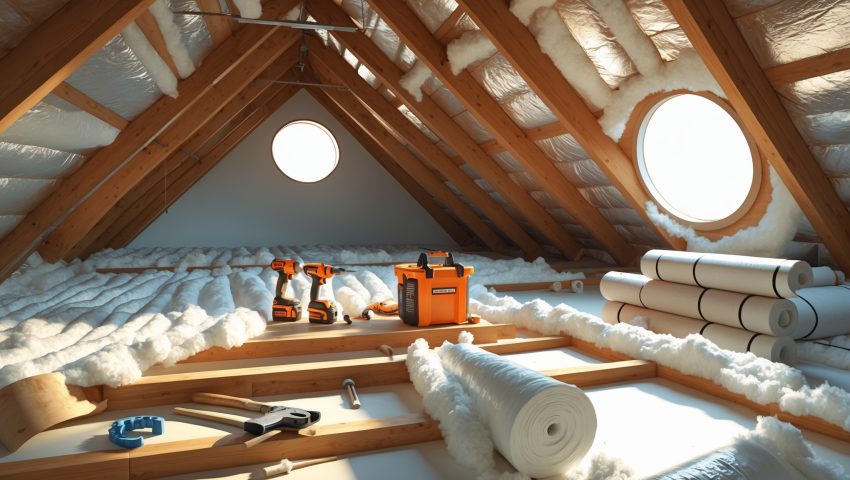
Introduction: The Truth About DIY Insulation Upgrades
Insulation is one of the most effective ways to increase your home’s energy efficiency, comfort, and value. Yet, for many U.S. homeowners considering a DIY insulation upgrade, misinformation abounds. Misunderstood building codes, exaggerated difficulty, and outdated product myths can cause would-be DIYers to hesitate or make costly mistakes. If you’re considering adding insulation to your attic, crawl space, or walls, it’s crucial to separate fact from fiction. This detailed guide debunks the most common myths about DIY insulation upgrades in U.S. homes, provides up-to-date facts, and offers practical tips to ensure your project is safe, effective, and compliant. Whether you’re looking to save on your energy bills or tackle a restoration project, understanding the realities behind DIY insulation will set you up for long-term success.
Myth #1: “Insulation Is a Simple Weekend Project Anyone Can Do”
Understanding the Complexity
While installing insulation is a manageable project for many homeowners, it’s far from universally simple. The type of insulation, building age, climate zone, and existing structure all influence the scope and difficulty of the job. For example, adding batt insulation to an open attic is more straightforward than dense-packing blown-in cellulose in finished walls or sealing crawl spaces in humid regions.
Key Considerations
- Building Codes: Many municipalities require permits or inspections, especially if existing insulation contains hazardous materials like asbestos or if you’re altering vapor barriers.
- Material Selection: Fiberglass, cellulose, mineral wool, and spray foam each have unique handling and installation challenges.
- Safety: Proper PPE—gloves, respirators, coveralls, and eye protection—is essential to avoid irritation and respiratory hazards.
Expert Advice
Before you start, research your local building codes, understand your home’s thermal envelope, and assess your skill level honestly. In many cases, minor prep or professional consultation can mean the difference between a successful DIY job and an expensive redo.
Myth #2: “More Insulation Is Always Better”
R-Value and Diminishing Returns
It’s a common misconception that packing in as much insulation as possible will continually improve energy efficiency. However, each layer adds less benefit than the last. The U.S. Department of Energy recommends R-values based on climate zone—overinsulating can even create moisture and ventilation issues.
- Recommended R-Values: Attics in northern states may need R49–R60, while southern climates can be efficient at R30–R49. Walls and floors have different requirements.
- Moisture Risks: Excess insulation can trap moisture, leading to mold, rot, and reduced indoor air quality.
Expert Advice
Use the DOE’s climate zone map and consult manufacturer guidelines. Focus on sealing air leaks before adding insulation for maximum benefit. If in doubt, consult a local energy auditor.
Myth #3: “DIY Spray Foam Is Just as Good as Professional Installation”
The Risks of DIY Spray Foam
Spray polyurethane foam (SPF) offers high R-values and air sealing, but it’s among the most challenging insulation types for DIYers. Improper mixing, uneven application, and lack of ventilation can lead to poor performance, lingering odors, or even unsafe living conditions.
- Mixing and Application: Two-part spray foam kits require precise temperature and mixing control.
- Coverage and Expansion: Overapplication can warp framing or cause bulging drywall.
When to DIY, When to Hire
Small gap filling with one-part cans is safe for most homeowners. Large-scale attic or wall projects are best left to certified professionals with proper equipment and ventilation controls.
Myth #4: “Newer Homes Don’t Need Insulation Upgrades”
Reality Check
Even homes built within the past 10–15 years may suffer from inadequate or poorly installed insulation. Building codes update regularly, and many production homes use the minimum required R-value. Settling, gaps around penetrations, and unsealed ductwork can all undermine factory-installed insulation.
- Common Problem Areas: Attic hatches, rim joists, knee walls, and recessed lighting often have gaps or thin coverage.
- Energy Audits: A blower door test or thermal imaging can reveal hidden inefficiencies.
Expert Advice
Regardless of your home’s age, periodic inspection and targeted upgrades can yield significant comfort and savings. Focus first on attic and crawl space insulation, then address walls and floors as needed.
Myth #5: “Insulation Is Only for Cold Climates”
Why Every U.S. Home Needs Proper Insulation
Insulation isn’t just about keeping heat in—it’s equally crucial for keeping unwanted heat out. In warm and humid states, proper insulation reduces cooling costs, improves indoor comfort, and prevents condensation issues that can contribute to mold growth.
- Air Leaks: Uninsulated attics and walls allow hot, moist air to infiltrate living spaces.
- HVAC Efficiency: Well-insulated homes reduce the workload on air conditioners and heat pumps, extending their lifespan.
Expert Advice
Review your home’s insulation regardless of region. In hot climates, radiant barriers and attic ventilation may be worthwhile additions.
Myth #6: “All Insulation Is the Same”
Types of Insulation and Their Best Uses
Homeowners often assume that insulation is a one-size-fits-all product. In reality, material choice can greatly impact performance, installation ease, and cost.
- Fiberglass Batts: Affordable and easy to install, ideal for attics and open framing.
- Blown-In Cellulose: Great for retrofitting walls and attics, offers good air sealing when densely packed.
- Mineral Wool: Superior fire resistance and soundproofing, denser and heavier to handle.
- Spray Foam: Highest R-value, also acts as air barrier, but expensive and tricky for DIY.
Expert Advice
Match the insulation type to the space and your installation skills. Don’t hesitate to mix materials—many retrofits use batts for large spaces and spray foam or caulk for gaps and penetrations.
Myth #7: “Permits Aren’t Required for Insulation Upgrades”
The Compliance Reality
Many municipalities require permits for significant insulation work, especially if you’re altering vapor barriers, working in multifamily units, or disturbing old materials that might contain asbestos or lead. Skipping the permit process can result in failed inspections, insurance issues, or even legal trouble during a future home sale.
- Permit Triggers: Major upgrades, wall cavity work, or changes to fire barriers often require permits.
- Asbestos and Lead: Homes built before 1980 may have hazardous materials—testing and professional remediation are sometimes required by law.
Expert Advice
Contact your local building department before starting. Save permit and inspection records for future real estate transactions.
Myth #8: “You Don’t Need to Air Seal If You Add Insulation”
Why Air Sealing Matters
Insulation slows heat transfer, but air leaks can still undermine performance. Gaps around plumbing, wiring, attic hatches, and chimneys allow conditioned air to escape, regardless of insulation R-value. Air sealing with caulk, foam, or weatherstripping is a critical step before insulation goes in.
- Common Leakage Points: Recessed can lights, top plates, electrical boxes, and attic access doors.
- Best Practices: Use expanding foam for large gaps, caulk for cracks, and weatherstripping for movable joints.
Expert Advice
Schedule air sealing as a dedicated step before installing new insulation. A smoke pencil or infrared camera can help identify leaks you might otherwise miss.
Myth #9: “DIY Insulation Is Always Cheaper Than Hiring a Pro”
The Real Cost Breakdown
DIY can save on labor, but costs may rise due to tool rental, material waste, disposal fees, and mistakes requiring correction. Some insulation types (e.g., spray foam) require specialized equipment or bulk purchases that increase per-project cost.
- Material Costs (2024 Average): Fiberglass batts: $0.60–$1.20/sq.ft. Blown-in cellulose: $1.00–$1.50/sq.ft. Spray foam (pro): $2.00–$4.00/sq.ft.
- Equipment Rental: Blower rental: $50–$100/day. Safety gear: $40–$100.
- Disposal Fees: Old insulation, especially with mold or pests, may require special handling.
Expert Advice
Get quotes from pros and compare total costs, including your time and risk. For small projects, DIY can offer good value; for large or complex jobs, professional installation may be more cost-effective over time.
Myth #10: “DIY Insulation Has No Impact on Home Insurance”
Insurance Implications
Major insulation upgrades can affect your homeowner’s insurance coverage, especially if improper installation leads to fire risk, water damage, or code violations. Some policies require notification of material alterations—failure to do so may affect claim payouts.
- Documentation: Save receipts, permits, and before/after photos.
- Professional Certification: Some insurers require proof that upgrades meet code or were inspected.
Expert Advice
Notify your insurance provider for significant insulation projects, especially if you’re working in attics, crawl spaces, or around electrical systems. This can help avoid claim disputes in the event of damage or loss.
How to Plan a Successful DIY Insulation Upgrade
Step 1: Assess Your Home
Use a tape measure, flashlight, and thermal camera (or phone attachment) to check insulation depth and continuity in attic, walls, and crawl space. Note areas with visible gaps, moisture, or pest damage.
Step 2: Research Local Codes and Permits
Contact your city or county building department to determine permit requirements, disposal rules, and approved materials.
Step 3: Choose the Right Insulation
- Match product type to space (e.g., batts for open attic, blown-in for retrofits).
- Check R-value recommendations for your climate zone.
- Buy 10–15% extra to account for cutting and fitting waste.
Step 4: Prep and Air Seal
- Seal gaps with caulk or spray foam.
- Install baffles around soffit vents to maintain attic ventilation.
- Clean and dry all surfaces before installing new insulation.
Step 5: Install Insulation Safely
- Wear full PPE: gloves, mask/respirator, goggles, and coveralls.
- Cut batts to fit snugly—don’t compress or overpack.
- Use rulers or depth markers to ensure even coverage.
- Keep insulation away from heat sources (chimneys, can lights) per code.
Step 6: Inspect and Document
- Take photos before, during, and after installation.
- Keep all receipts and permits for insurance and resale value.
- Consider a professional inspection for major upgrades.
Conclusion: Setting the Record Straight on DIY Insulation
DIY insulation upgrades can be a highly rewarding and cost-effective way to improve your home’s comfort, efficiency, and long-term value—if approached with the right knowledge. As we’ve uncovered, many common myths mislead homeowners into making risky decisions, cutting corners, or spending more than necessary. It’s essential to recognize that insulation projects vary widely in complexity, cost, and regulatory requirements. More is not always better, and not all insulation products or installation methods are created equal. Air sealing, proper safety precautions, and compliance with local codes are as important as R-value or material choice.
Before starting your project, assess your home’s unique needs, research local requirements, and match your skill level to the job. If you’re tackling a small attic or crawl space, DIY can offer real savings and satisfaction. For larger or more challenging projects—especially those involving spray foam, dense-packed walls, or hazardous old materials—professional help is often a wise investment. Don’t overlook the importance of documentation for both insurance and future resale value.
By separating myth from fact and following best practices, you’ll ensure your insulation upgrade delivers years of comfort, lower energy bills, and peace of mind. Stay curious, stay safe, and don’t hesitate to seek expert advice when needed—your home (and wallet) will thank you.
If I find signs of old insulation that could contain asbestos, what are the safe first steps before starting any removal or upgrades myself?
If you suspect your insulation may contain asbestos, avoid disturbing it. Stop any work immediately and contact a certified asbestos professional to assess and, if needed, safely remove the material. Do not attempt removal yourself.
For someone in a humid climate, do you recommend a specific approach for sealing crawl spaces to avoid moisture issues?
In humid climates, it’s best to use a vapor barrier on the ground and walls of your crawl space. Make sure vents are sealed, and consider adding dehumidifiers for extra moisture control.
If my attic already has some insulation but I want to add more, how can I tell if I need permits or inspections according to building codes?
Whether you need permits or inspections depends on your local building codes. It’s best to contact your city or county building department to ask about requirements for adding insulation in your attic.
If my attic already has old fiberglass insulation, do I need to remove it before adding new material, or can I just add another layer on top?
You can usually add a new layer of insulation on top of existing fiberglass, as long as the old material is dry, not moldy, and there are no signs of pests. Make sure not to block attic ventilation.
How do costs and installation difficulty compare between blown-in cellulose and spray foam for finished wall upgrades in an older home?
Blown-in cellulose is generally less expensive and easier to install in finished walls, often needing only small holes. Spray foam costs more and usually requires more extensive prep and skill, especially in older homes with existing walls.
Could you give more detail about how to check local building codes and what permits might be needed before starting a DIY insulation project?
Start by visiting your city or county building department’s website or office to find local insulation requirements. Ask if permits are needed for your specific project, as rules vary by location and insulation type. Always confirm before you begin any work.
How can I find out what building permits or inspections I might need in my area before beginning a DIY crawl space insulation project?
Contact your local building or permitting office to ask about specific requirements for crawl space insulation projects. They can tell you if permits or inspections are needed based on your location and the scope of your work.
If my municipality requires a permit, what should I expect from the inspection process when doing a DIY insulation upgrade in my home?
If a permit is required, an inspector will usually check that the insulation type, installation, and R-value meet local codes. Expect a visit during or after your work to verify compliance and proper coverage before closing up walls or ceilings.
The article lists several insulation types like cellulose and spray foam. For someone with basic DIY experience, which material is safest and most manageable for attic upgrades?
For those with basic DIY experience, cellulose is generally the safest and most manageable material for attic upgrades. It’s easier to handle and install than spray foam, which often requires special equipment and safety precautions.
For homeowners in humid regions, what’s the best way to ensure proper sealing of crawl spaces without causing future moisture issues?
For humid regions, it’s best to use a vapor barrier on the crawl space floor and up the walls, seal any air leaks, and ensure proper ventilation or install a dehumidifier to control moisture while keeping the area well-sealed.
If my attic already has some old insulation, how do I tell if it might contain hazardous materials like asbestos before starting a DIY upgrade?
Check the age and appearance of your insulation. If your home was built before the 1980s and the insulation is gray, fluffy, or looks like loose fill, it could contain asbestos. For safety, consider having a professional test it before disturbing anything.
If my local building codes require a permit, what’s the typical process for getting one before doing DIY insulation work?
Usually, you’ll need to visit your local building department, fill out a permit application, and provide project details like materials and plans. There may be a fee, and an inspection might be required both before and after the work.
Could you clarify what steps a homeowner should take to check for hazardous materials like asbestos before starting a DIY insulation project?
Before starting, homeowners should research the age of their home, as older homes may have asbestos. If asbestos is suspected, avoid disturbing insulation and hire a licensed professional to test materials. Never try to remove or sample suspicious materials yourself.
Does getting a permit for DIY insulation usually add a lot to the overall cost or timeframe of the project for a typical homeowner?
Getting a permit for DIY insulation usually adds a small fee to your costs, which varies by location. The permit process can add a few days to a week, but it generally doesn’t cause significant delays or major extra expenses for most homeowners.
If I find old insulation in my attic and worry it might contain asbestos, do I need a special permit or should I call a professional before starting anything myself?
If you suspect your attic insulation contains asbestos, it’s safest to call a certified professional for inspection and removal. Disturbing asbestos materials can be hazardous, and special permits and procedures are usually required for safe handling and disposal.
You mention different materials like mineral wool and spray foam—how can I figure out which is best for my climate zone and a 1970s-built home?
To choose the best insulation, check your local climate zone using the Department of Energy guidelines. For a 1970s home, consider mineral wool for breathability in humid areas or spray foam for tighter air sealing in colder regions. Consulting a local expert also helps.
If my house was built in the 1970s, how can I tell if the existing insulation might contain hazardous materials like asbestos before starting a DIY upgrade?
For homes built in the 1970s, check if your insulation is loose, gray, and has shiny flecks—this could be vermiculite, which may contain asbestos. If you’re unsure, consider having a professional inspect or test a sample before starting any DIY work.
How do you recommend homeowners decide between fiberglass, cellulose, and spray foam if they have a mix of open attics and finished walls?
For open attics, fiberglass or cellulose are budget-friendly and easy to install. For finished walls, blown-in cellulose works well with minimal disruption. Spray foam offers the best air sealing but costs more, so reserve it for problem spots or if budget allows.
How much extra time should I expect if I’m also sealing a crawl space in a humid climate, compared to just adding attic insulation?
Sealing a crawl space in a humid climate usually adds one to three full days of work, depending on its size and complexity, whereas attic insulation alone can often be completed in a day.
Should I budget for inspection fees or special equipment if I want to add spray foam myself, especially in an older home?
Yes, plan for inspection fees, especially in older homes, to check for issues like moisture or wiring. You’ll also need special equipment like protective gear and a spray foam kit, as proper application is crucial for safety and effectiveness.