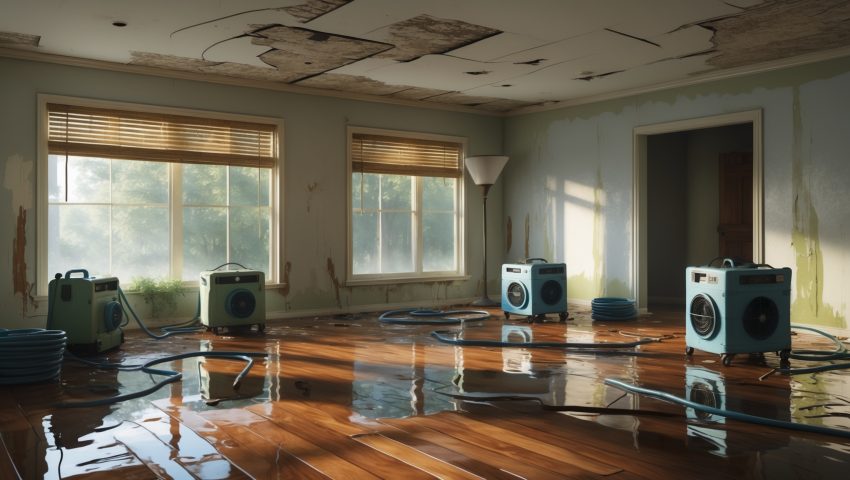
Introduction: Why Water Damage Claims Matter for U.S. DIYers
Water damage is one of the most common and costly disasters facing American homeowners each year. From burst pipes and overflowing appliances to storm-driven leaks, the aftermath can be overwhelming—especially if you’re the kind of hands-on homeowner who’s ready to roll up your sleeves. But before you break out the shop vac and sledgehammer, understanding how to navigate your homeowners insurance claim is crucial. Filing a claim for water damage isn’t just about ticking boxes; it’s about ensuring your financial investment in your home is protected, and that you’re empowered to make the right restoration decisions. Mistakes or delays at this stage can mean denied claims, incomplete repairs, or thousands of dollars out of pocket. This comprehensive guide walks U.S. DIYers through each step of a successful water damage insurance claim—from documenting the loss and communicating with adjusters, to understanding policy details and planning your DIY restoration. Whether you’re new to homeownership or experienced in DIY, these practical strategies will help you avoid common pitfalls, maximize your coverage, and confidently restore your home.
Understanding Your Homeowners Insurance Policy
Key Terms Every Homeowner Should Know
- Named Perils vs. All-Risk: Know whether your policy covers specific causes (named perils) or all causes except exclusions (all-risk).
- Deductible: The amount you pay out of pocket before insurance kicks in.
- Actual Cash Value (ACV) vs. Replacement Cost Value (RCV): ACV pays depreciated value; RCV pays for new replacements.
- Exclusions: Common exclusions include flooding from external sources (which requires separate flood insurance), gradual leaks, and neglect.
- Endorsements: Optional add-ons that can expand coverage, such as sewer backup or sump overflow.
What Types of Water Damage Are Usually Covered?
Most standard homeowners insurance policies cover sudden and accidental water damage. For example, a burst pipe or accidental overflow of a washing machine are typically included. However, water damage from poor maintenance, gradual leaks, or flooding from rising bodies of water is almost always excluded. Review your declarations page and endorsements to clarify your coverage specifics.
Step 1: Act Fast to Stop and Document the Damage
Immediate Actions to Minimize Loss
- Shut off the water supply at the main valve if the source is internal (e.g., burst pipe).
- Turn off electricity in affected areas to prevent shock hazards.
- Move valuables and furniture out of standing water if safe to do so.
- Ventilate the area with fans and open windows to slow mold growth.
How to Document Water Damage for Your Claim
- Take high-resolution photos and videos from multiple angles, including close-ups of damaged areas and wider shots of affected rooms.
- Photograph personal property, flooring, walls, insulation, and any visible source of the water.
- Keep a written log noting the time, cause, and steps taken to prevent further damage.
- Save receipts for any emergency repairs or mitigation services.
Thorough documentation is your strongest asset if there’s a dispute about the extent or cause of the damage.
Step 2: Notify Your Insurance Company Promptly
Initiating the Claim
Contact your insurance provider as soon as possible. Most carriers have 24/7 claim hotlines or online portals. Provide:
- Your policy number
- Date and time of the incident
- Cause of the water damage (if known)
- Initial estimate of the scope of damage
Ask about the next steps, deadlines, and whether an adjuster will visit your property.
Understanding Your Insurer’s Expectations
Most insurers expect you to take reasonable action to prevent further damage—this is called your “duty to mitigate.” Failure to do so (for example, by not drying out wet areas) can result in a reduced payout or a denied claim.
Step 3: Meet the Adjuster and Present Your Evidence
Preparing for the Adjuster’s Visit
- Organize your photos, videos, and receipts.
- Make a detailed inventory of damaged items, including age, purchase price, and estimated value.
- If you’ve already started cleanup, keep samples of damaged materials (such as a piece of wet carpet or drywall).
During the Inspection
Walk through the damage with the adjuster, pointing out all affected areas. Share your documentation and ask questions about what the policy will cover. If you disagree with the adjuster’s assessment, request a written explanation and consider seeking a second opinion (more on this in the troubleshooting section below).
Step 4: Estimate Repairs—DIY vs. Professional Restoration
When DIY Restoration Makes Sense
Insurance policies usually pay for the cost to restore your home to its pre-loss condition. You have the right to choose your own contractors—or do the work yourself. DIY restoration is a great option for:
- Small, non-structural repairs (such as replacing drywall, painting, or installing new flooring)
- Non-hazardous clean-up (like removing wet carpets and baseboards)
- Homes outside of humid climates where mold growth accelerates
However, significant water damage, especially involving electrical systems, insulation, or mold, may require licensed professionals. Insurers may also require certain repairs to be performed by certified contractors to maintain coverage for future claims.
Getting Accurate Repair Estimates
- Use online tools (like Xactimate or HomeAdvisor) to estimate material and labor costs in your region.
- Get at least two written estimates from local contractors, even if you plan to DIY—these help justify your claim value.
- Include all costs: materials, rental equipment (dehumidifiers, fans), and disposal fees.
Step 5: Navigating the Claims Process
Understanding Payout Structures
Most claims are paid in two parts:
- Initial Payment: Based on the adjuster’s estimate, minus your deductible.
- Depreciation Holdback: If you have Replacement Cost coverage, a second payment is released after you provide receipts showing repairs are complete.
Keep all receipts and invoices for materials and services. If you do the work yourself, insurers may reimburse only the material cost, not your labor—check your policy for details.
Common Reasons for Claim Delays or Denials
- Failure to document damage promptly
- Delays in reporting the loss
- Exclusions for gradual leaks or external flooding
- Disputes over the cause of damage (e.g., pre-existing vs. sudden)
- Insufficient evidence of repairs
Step 6: Troubleshooting Claim Disputes
When You Disagree with the Insurance Adjuster
- Request a copy of the adjuster’s detailed estimate and reasoning.
- Submit your own evidence, including repair estimates, photos, and a written rebuttal.
- Consider hiring an independent public adjuster (who works for you, not the insurer) for complex or high-value claims.
- Escalate the dispute within your insurer or file a complaint with your state insurance commissioner if necessary.
Understanding the Role of Appraisals and Mediation
If you and your insurer can’t agree on the value of loss, your policy may provide for an appraisal process. Each party selects an appraiser, and a neutral umpire resolves disagreements. Mediation or arbitration are other options for resolving disputes without litigation.
Step 7: DIY Restoration—Best Practices for a Successful Recovery
Essential Tools and Equipment
- Wet/dry vacuum
- Heavy-duty fans and dehumidifiers
- Moisture meter
- Utility knife, pry bar, and basic hand tools
- Protective gear: gloves, respirator, goggles
Step-by-Step DIY Restoration Workflow
- Remove Standing Water: Use a wet/dry vacuum or pump.
- Discard Unsalvageable Materials: Cut out wet drywall, insulation, and carpets that can’t be dried within 48 hours.
- Dry Out the Structure: Run fans and dehumidifiers continuously; monitor moisture levels until wood and drywall are dry.
- Treat for Mold: Clean affected areas with a disinfectant; consider a mold inhibitor for porous surfaces.
- Repair and Restore: Replace drywall, insulation, flooring, and repaint as needed. Save all receipts and take photos of each stage for your insurer.
Compliance and Safety Reminders
- Obtain permits for any structural, electrical, or plumbing work as required by your municipality.
- Follow EPA guidelines for mold remediation (especially if mold covers more than 10 sq. ft.).
- Use certified electricians and plumbers for repairs beyond your expertise.
Preventing Future Water Damage (and Claims)
Proactive Home Maintenance Checklist
- Inspect and replace washing machine hoses every 5 years.
- Insulate exposed pipes before winter in cold climates.
- Test sump pumps and install battery backups.
- Seal windows, doors, and foundation cracks annually.
- Clean gutters and downspouts each spring and fall.
- Install smart leak detectors in kitchens, bathrooms, and basements.
Some insurers offer premium discounts for installing leak detection devices or upgrading plumbing, so check your policy or ask your agent.
Conclusion: Turning a Water Damage Crisis Into an Opportunity
Dealing with water damage can be daunting, but with the right approach, U.S. DIYers can turn a setback into a successful restoration—and even a smarter, more resilient home. Navigating your homeowners insurance claim is a process that rewards preparation, prompt action, and persistence. From understanding the fine print in your policy to meticulously documenting every step, each action you take can mean the difference between a stress-free payout and a frustrating denial.
Remember, your insurance coverage is designed to restore your home to its pre-loss condition. By knowing your rights, duties, and available resources, you can confidently advocate for yourself and maximize your claim. Don’t hesitate to ask questions, seek multiple estimates, and, if needed, escalate disputes through the proper channels. If you’re tackling repairs yourself, prioritize safety, compliance, and thorough documentation at every stage. And above all, use this experience as a catalyst to invest in preventive measures, ensuring that your home stands strong against water risks in the future.
The path from disaster to recovery may be challenging, but with this step-by-step guide, you’ll have the tools and knowledge to protect your investment, restore your home, and gain peace of mind—no matter what the weather (or plumbing) throws your way.
If my policy only covers named perils, how do I know if a sudden appliance leak would be eligible for a claim?
Check your policy’s list of named perils. If sudden water damage from appliances is specifically listed, you may be covered. If it isn’t mentioned, your claim might not be eligible. Contact your insurer to confirm the details for your situation.
For a DIYer trying to document water damage before cleanup, what’s the best way to make sure adjusters don’t question the cause later?
Take clear photos and videos of all affected areas before moving anything. Include close-ups and wide shots, and document the source of the water if possible. Save receipts, and write a brief description of what happened for reference.
Can you clarify the difference between actual cash value and replacement cost value when it comes to settling a water damage claim?
Actual cash value is the amount your damaged items are worth today, factoring in depreciation. Replacement cost value covers the full cost to replace the items with new ones of similar kind and quality, without subtracting for depreciation.
Could you clarify if fixing a burst pipe yourself before the adjuster visits can impact the outcome of your water damage claim?
Fixing a burst pipe yourself before the adjuster visits can affect your claim, especially if repairs make it hard to assess the damage. It’s best to document everything with photos and limit repairs to stopping further damage until the adjuster inspects.
Could you explain more about the difference between actual cash value and replacement cost value in real-life claim situations, especially for someone trying to DIY the restoration?
Actual cash value means your payout is reduced for depreciation, so you get less money based on your item’s age or condition. Replacement cost value pays for new materials at today’s prices, which is better if you’re doing DIY repairs and need to buy supplies.
When handling water damage repairs myself, are there steps I should avoid to make sure my claim isn’t denied by the insurance company?
Avoid discarding damaged materials before your insurer inspects, making permanent repairs before approval, or failing to document the damage with photos and notes. Always notify your insurance company promptly and follow their specific instructions during the process.
Could you elaborate on what counts as ‘neglect’ in policy exclusions, especially for DIYers who regularly maintain their homes but occasionally miss an issue?
In insurance terms, ‘neglect’ usually means ignoring ongoing maintenance or allowing problems like leaks or mold to worsen over time. Missing an occasional issue despite regular DIY upkeep isn’t typically considered neglect, but consistently overlooking maintenance could be.
If my claim gets denied because of a supposed exclusion, what immediate steps should I take to appeal or get a professional reassessment?
First, carefully review your policy to confirm the exclusion. Then contact your insurer for clarification in writing. If you still disagree, consider hiring a licensed public adjuster or an attorney to review your claim and assist with the appeals process.
If I start cleaning up water damage myself right after the incident, will that impact my claim or affect what the insurance will cover?
You can begin cleaning up to prevent further damage, but be sure to document everything with photos and keep damaged items if possible. Notify your insurer first and follow their instructions, as removing evidence or repairs could affect what’s covered.
What’s the best way to document the initial water damage before starting any DIY cleanup to make sure the insurance adjuster doesn’t deny my claim?
Take clear photos and videos of all affected areas, including damaged items and standing water. Note the date and time. If possible, make a list of damaged belongings. Don’t throw anything away until your insurer approves.
Could you explain more about what counts as a ‘gradual leak’ versus sudden damage in a claim? I want to make sure I’m not missing something in my coverage.
A ‘gradual leak’ happens slowly over time, like a dripping pipe causing unnoticed damage, and is often excluded from coverage. Sudden damage is unexpected and immediate, such as a pipe bursting, which is usually covered by homeowners insurance.
What should I do if my insurance adjuster disagrees with my estimate for DIY repairs after water damage?
If your adjuster disagrees with your estimate, provide detailed documentation like photos, receipts for materials, and a breakdown of your repair costs. You can also request a re-inspection or hire an independent appraiser to review the damage and estimates.
If a DIYer spots a slow leak but only just discovered it, how does the insurance company decide if it’s ‘sudden and accidental’ or excluded as gradual damage?
The insurance company reviews when the leak started and how long it went unnoticed. If evidence shows the damage developed over time, it’s likely considered gradual and excluded. If they determine it was sudden and accidental, it may be covered.
Could you explain a bit more about the difference between actual cash value and replacement cost for water-damaged appliances? I’m not sure which one my policy uses.
Actual cash value means your insurer pays what your appliance is worth today, factoring in depreciation. Replacement cost covers the price to buy a new, similar appliance. Check your policy’s declarations page or ask your agent to see which applies.
If my policy is all-risk, how do I verify which water damage exclusions apply before starting any repairs myself?
Review your all-risk policy’s exclusions section, focusing on water damage scenarios. If any terms are unclear, contact your insurance agent for clarification before starting repairs to ensure you don’t jeopardize coverage for excluded types of water damage.
Could you explain a bit more about how Actual Cash Value versus Replacement Cost Value affects what I’d get back if I tackle repairs myself?
Actual Cash Value means your payout is reduced for depreciation, so you’ll get less money for older items. Replacement Cost Value gives you enough to buy new materials, even if you do the repairs yourself, but you may need to show receipts.
For DIYers, when is it safe to start repairs after documentation, or should I always wait for the adjuster to visit first?
It’s best to wait until the insurance adjuster has inspected and documented the damage before starting repairs, unless you need to make urgent temporary fixes to prevent further damage. Keep records of any emergency repairs you do.
Could you explain how the deductible works if I plan to do some DIY repairs myself rather than hiring contractors?
The deductible is the amount you pay out-of-pocket before your insurance covers the rest, no matter who does the repairs. If you do DIY repairs, your insurer still subtracts the deductible from your claim payout.
Could you explain how the deductible works if several small water damage repairs add up, but none individually exceed the deductible?
The deductible applies to each individual claim, not to a series of repairs added together. If none of the separate repairs exceed your deductible, your insurance typically won’t cover the costs, even if their combined total is higher.
Could you explain how actual cash value versus replacement cost would play out when replacing damaged flooring after a leak?
Actual cash value pays out the cost of your damaged flooring minus depreciation, so you’ll get less money for older floors. Replacement cost covers what it takes to buy new flooring of similar kind, without subtracting for age or wear.
How quickly after discovering water damage do I need to contact my insurer to avoid problems with the claim?
You should contact your insurer as soon as possible after discovering water damage, ideally within 24 to 48 hours. Prompt notification helps prevent claim delays or denials and ensures your policy requirements are met.
If a pipe has a slow leak behind a wall that I don’t notice for months, would that usually be considered a gradual leak and excluded by most policies?
Yes, most homeowners insurance policies exclude coverage for gradual damage like a slow, unnoticed leak. They typically only cover sudden and accidental water damage. It’s important to check your policy details or consult your insurer for specifics.
You mentioned endorsements like sewer backup coverage—how do I know if I already have this add-on in my current policy, or do I need to request it separately?
To find out if your policy includes sewer backup coverage, check your policy documents for this specific endorsement or contact your insurance agent directly. If it’s not listed, you’ll likely need to request it as a separate add-on.
If my policy only covers named perils and I have a slow leak that turned into sudden damage, is there a way to prove it’s covered or would that usually be excluded?
With a named perils policy, only specific causes listed in your policy are covered. Slow leaks are usually excluded, even if they lead to sudden damage. Coverage depends on proving the damage was truly sudden and caused by a covered peril.
For DIYers handling their own repairs, does the insurance company require professional invoices, or are detailed receipts for materials and before-and-after photos usually enough to satisfy a claim?
Insurance companies typically do not require professional invoices if you handle repairs yourself. Detailed receipts for materials and clear before-and-after photos are usually sufficient, but check with your insurer for any specific documentation they may need.
Can you explain how the claims process changes for DIYers who want to handle their own repairs versus hiring a contractor?
If you handle repairs yourself, insurance usually covers only materials and not your labor. You’ll need to document damage and completed repairs carefully. With contractors, insurers may want estimates or invoices, and they might pay the contractor directly.
If I start fixing the water damage myself before the adjuster comes, could that hurt my chances of getting the claim approved?
Yes, making repairs before the adjuster documents the damage can affect your claim. It’s best to take photos and contact your insurer right away. Only do emergency repairs to prevent further damage until the adjuster arrives.
If my policy is all-risk but I don’t have any endorsements, am I still covered if my sump pump fails during a big storm?
An all-risk policy usually covers sudden, accidental water damage, but sump pump failures are often excluded unless you have a specific sump pump or water backup endorsement. Without that endorsement, damage from sump pump failure is likely not covered.
If I start cleanup before the adjuster arrives, how can I make sure I don’t hurt my chances of getting my claim approved?
Take detailed photos and videos of all the damage and affected areas before you begin any cleanup. Save any damaged items if possible, and keep receipts for any emergency repairs or cleanup supplies you purchase.
If I start cleaning up water damage myself before the adjuster arrives, could that hurt my chances of getting the claim approved?
Starting cleanup to prevent further damage is usually fine, but be sure to document everything with photos and notes before you begin. Save any damaged items if possible, so the adjuster can review them when they arrive.
If I spot a slow leak behind a wall that has clearly been there a while, will my claim likely be denied for neglect, or is there a way to document that it only just became noticeable?
Insurance companies often deny claims for damage caused by long-term leaks, citing neglect. However, if you can show detailed evidence—like recent photos, plumber reports, or signs that the issue was not previously visible—it may help support your claim.
For DIYers handling restoration themselves, are there certain repairs that insurers usually require to be done by professionals in order for the claim to be approved?
Yes, insurers often require licensed professionals for major repairs like electrical work, plumbing, or structural fixes. DIYers can usually handle minor tasks such as drying and cleaning, but always check your policy or consult your adjuster before starting any major repairs.
If my policy only covers named perils, how can I tell if an overflowing washing machine is included or if I need an endorsement?
Check your policy’s list of named perils. If it specifically lists accidental water damage from appliances, you’re covered. If not, you’ll likely need an endorsement for washing machine overflows. Contact your insurer for clarification if you’re unsure.
Could you explain how the claims process changes if I want to handle all the restoration work myself instead of hiring contractors? Are there any steps I should do differently?
If you handle restoration yourself, your insurer may require detailed documentation of all damage and repairs. Keep photos and receipts for materials. Some policies may reimburse only actual expenses, not labor, so clarify this with your adjuster before starting.
If my policy is all-risk but excludes gradual leaks, how do I prove to the insurance company that my water damage was sudden and accidental?
Gather evidence like dated photos of the damage, maintenance records, and any repair receipts. Explain any recent events that could have caused sudden damage, such as a burst pipe. An independent plumber’s assessment can help confirm the damage was sudden and accidental.
Could you explain how my deductible works if I have both replacement cost value and actual cash value coverage in my policy for water-related repairs?
Your deductible is the amount you pay out of pocket before insurance covers the rest, regardless of coverage type. With replacement cost value, you’ll be reimbursed for new materials minus your deductible. With actual cash value, the payout reflects depreciated value minus your deductible.
How quickly do I need to report water damage to avoid claim denial, and does that timeline change if I’m still drying things out myself before calling the insurer?
You should report water damage to your insurer as soon as possible, ideally within 24–48 hours. Even if you’re still drying things out yourself, notify your insurer right away to avoid denial or issues with your claim.
Could you explain the difference in claim outcomes if I have replacement cost value versus actual cash value coverage for my water-damaged floors?
With replacement cost value, your insurer pays to repair or replace your damaged floors with new materials of similar kind and quality. Actual cash value coverage deducts for depreciation, so you receive less based on the floors’ age and wear.
If my policy is named perils only, how do I figure out if a burst washing machine hose would be covered or counted as neglect?
Check your policy’s list of named perils to see if it specifically includes accidental water damage from appliances. If it does, a burst hose may be covered, unless the insurer finds signs of poor maintenance or neglect.
Could you clarify how to tell if gradual leaks are considered neglect and not covered by standard homeowners insurance policies?
Gradual leaks, like those from slow plumbing issues over time, are often seen as homeowner neglect if not quickly fixed. Standard policies usually cover sudden, accidental damage, so undetected or ignored leaks typically aren’t covered.
How do I know if my all-risk policy really includes things like sump pump overflows, or do I always need an additional endorsement for that?
All-risk policies usually exclude sump pump overflows unless you have a specific endorsement. Check your policy’s exclusions and endorsements section or contact your insurer to confirm if this coverage is included or if you should add it.
For someone planning to do their own repairs, are there steps I should take during the claims process to avoid issues with replacement cost versus actual cash value reimbursement?
Be sure to document all damages with photos and keep receipts for any materials you purchase. Notify your insurer before making repairs, and ask how self-repairs might affect your reimbursement, especially regarding replacement cost versus actual cash value.
Could you explain how the deductible works with water damage claims, especially if I want to handle most of the repairs myself as a DIYer?
The deductible is the amount you pay out of pocket before your insurance coverage applies. If you handle repairs yourself, your insurer reimburses only costs above your deductible, usually for materials or necessary professional work, not your own labor.
Could you explain a bit more about how gradual leaks are classified versus sudden water damage when filing a claim?
Insurance typically covers sudden, accidental water damage, like a burst pipe. Gradual leaks, such as slow plumbing drips, are usually considered maintenance issues and often aren’t covered. Document the timing and cause of the damage when filing your claim.
If a slow leak under my sink is discovered during a kitchen remodel, does that count as a ‘gradual leak’ and would insurance still cover it?
A slow leak found during a remodel is typically considered a ‘gradual leak.’ Most homeowners insurance policies exclude coverage for gradual damage, so it’s unlikely to be covered. Check your policy details or contact your insurer to confirm.
You mention endorsements like sewer backup coverage—do those usually have separate deductibles, or are they combined with my main homeowners deductible?
Endorsements such as sewer backup coverage often have their own separate deductibles, which can be different from your main homeowners deductible. It’s best to review your policy or check with your insurer to confirm how your specific coverage works.
If my policy is all-risk, does that mean it would cover a slow, undetected pipe leak under my sink, or would that still count as neglect?
Even with an all-risk policy, most insurers exclude coverage for damage from slow, undetected leaks because they’re considered maintenance issues or neglect. Sudden and accidental leaks are usually covered, but gradual damage typically isn’t.
If my policy is all-risk, are there still specific types of water damage that might not be covered, or do exclusions always apply?
Even with an all-risk policy, exclusions still apply. Common exclusions include damage from flooding, sewer backups, gradual leaks, and neglect. It’s important to review your policy to see exactly what types of water damage are not covered.
Could you explain how the claims process might differ if I have an actual cash value policy versus a replacement cost value one for my damaged floors?
With an actual cash value policy, your claim payout for damaged floors will be reduced for depreciation, so you’ll get less than the cost of new flooring. A replacement cost policy covers the full cost to replace your floors with similar materials, without deducting for age or wear.
Could you explain a bit more about what counts as a sudden and accidental leak versus something they might call neglect or gradual damage?
A sudden and accidental leak is unexpected, like a pipe bursting overnight. Neglect or gradual damage refers to issues that develop slowly, such as long-term leaks or mold from lack of maintenance. Insurers usually only cover sudden, accidental events.
If I want to do some of the restoration myself instead of hiring a contractor, how does that impact the claim process or the payout amount under an RCV policy?
If you handle some repairs yourself under a replacement cost value (RCV) policy, insurers typically pay you based on the actual cash value first, then reimburse the difference when you show proof of completed work. DIY work may limit reimbursement to your documented expenses.
Our policy says it’s all-risk, but I’m still confused about what counts as a sudden vs. gradual leak. Can you give some real-life examples of each?
A sudden leak might be a pipe bursting unexpectedly or a washing machine hose snapping, causing immediate flooding. A gradual leak is more like a slow drip under a sink over months, leading to damage from ongoing moisture.
If my policy has actual cash value coverage, how much could I end up paying out-of-pocket for older appliances or materials that need replacement after water damage?
With actual cash value coverage, your insurer will subtract depreciation from the replacement cost, so you’ll get less money for older appliances or materials. You’ll pay the difference between the depreciated payout and the full replacement cost out-of-pocket.
After documenting the loss, what should be my first step in communicating with my insurance company to help avoid claim delays or mistakes?
Contact your insurance company as soon as possible, provide them with your documentation, and ask for a claim number and adjuster assignment. Clearly describe the damage and keep a record of all conversations and correspondence for future reference.
After documenting the loss, what’s the best way to make sure my DIY repairs don’t accidentally invalidate my claim?
Check with your insurance adjuster before starting repairs and keep all receipts and photos of your work. Make sure repairs are only temporary until the adjuster approves permanent fixes, to avoid issues with your claim.
Could you explain how the deductible works if I have both a burst pipe and some older water issues at the same time?
Your deductible is the amount you pay out of pocket before insurance covers the rest. If both the burst pipe and older water issues are part of one claim, you usually pay one deductible. However, insurance often excludes or limits coverage for long-term or pre-existing water damage, so only the new burst pipe damage may be covered after the deductible.
If my policy has actual cash value and not replacement cost, how much less can I expect to get for damaged flooring from a burst pipe?
With actual cash value coverage, your payout will reflect the depreciated value of your flooring, not the cost to buy new materials. The older or more worn your flooring was, the lower your claim payout will be compared to replacement cost.
How does the insurance company determine whether water damage was sudden and accidental versus gradual, and what kind of documentation should I gather to prove my case?
Insurance companies inspect the damage, review photos, and look for signs like mold or long-term leaks to judge if water damage is sudden or gradual. You should gather photos, repair estimates, receipts, and any maintenance records to support your claim.
If my policy is all-risk but has an exclusion for gradual leaks, how do insurers determine if the damage was sudden or happened over time?
Insurers typically assess the damage by looking for signs of long-term issues, like mold, rot, or corrosion. They may review repair records, inspect water stains, and check if the damage indicates ongoing leakage rather than a single, sudden event.