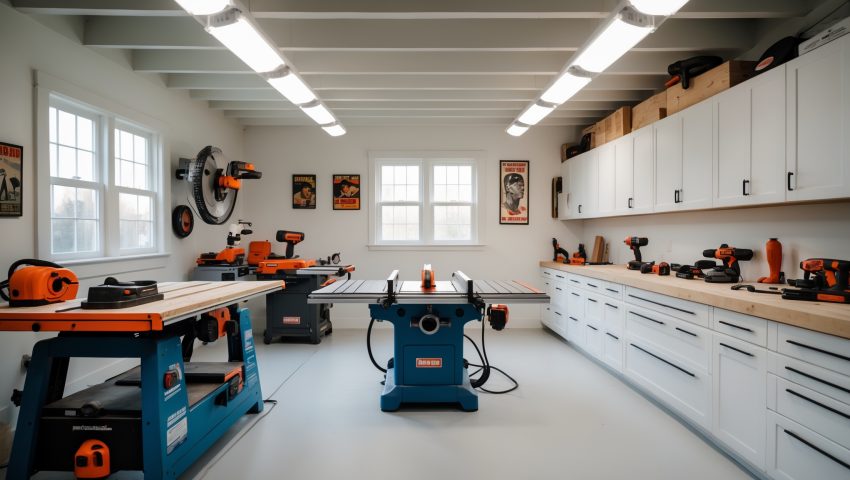
Introduction: Why Power Tool Safety Should Be Your #1 Priority in DIY Projects
DIY home improvement projects can be incredibly rewarding, offering U.S. homeowners a hands-on way to refresh their living spaces, save money, and experience the satisfaction of a job well done. However, the increased accessibility of power tools has also led to a rise in preventable injuries and accidents. According to the U.S. Consumer Product Safety Commission, over 400,000 emergency room visits each year are attributed to home workshop tools. Many of these incidents could be avoided with proper preparation and adherence to safety protocols.
Whether you’re installing new kitchen cabinets, building a backyard deck, or simply hanging shelves, power tools play a pivotal role in modern DIY. However, their speed and strength can introduce risks ranging from minor cuts to life-threatening injuries if used improperly. This comprehensive safety checklist is designed to empower you with the knowledge and habits needed to confidently tackle your next project while keeping yourself, your family, and your home safe.
This guide breaks down essential safety steps before, during, and after power tool use. We’ll cover everything from personal protective equipment (PPE) and workspace setup to tool-specific precautions and emergency preparedness. By following these practical, expert-backed best practices, you can minimize hazards and maximize the success of your home improvement endeavors.
Section 1: Preparing for Success — Setting Up a Safe DIY Workspace
1.1 Choose the Right Location
- Ventilation: Ensure your workspace is well-ventilated, especially when using tools that generate dust or fumes (e.g., saws, sanders, chemical strippers).
- Lighting: Use bright, shadow-free lighting so you can clearly see your work and any moving tool parts.
- Stable Surfaces: Secure workbenches and surfaces to prevent wobbling or tipping during tool operation.
- Accessibility: Keep walkways clear of cords, hoses, and debris to avoid tripping hazards.
1.2 Safety-First Organization
- Tool Storage: Store power tools in their cases or on designated shelves when not in use, out of reach of children and pets.
- Charger Placement: Position battery chargers away from flammable materials and ensure they’re on stable, ventilated surfaces.
- Extension Cords: Use heavy-duty, grounded extension cords rated for power tool use, and avoid overloading circuits.
Section 2: Personal Protective Equipment (PPE) — Your First Line of Defense
2.1 Eye and Face Protection
- Safety Glasses: Wear ANSI-rated safety glasses for all power tool tasks. Use wraparound styles for extra coverage.
- Face Shields: Use a full-face shield when grinding, cutting metal, or operating tools that may throw debris.
2.2 Hearing Protection
- Earplugs or Earmuffs: Use hearing protection with a minimum NRR (Noise Reduction Rating) of 25 dB when using loud tools like miter saws, routers, or demolition hammers.
2.3 Respiratory Protection
- Dust Masks: Use N95 or higher-rated masks when sanding, sawing, or working with insulation or chemical fumes.
- Respirators: For extensive painting or chemical work, use a respirator with appropriate cartridges.
2.4 Hand and Body Protection
- Gloves: Wear cut-resistant gloves for handling sharp materials. Use snug-fitting, non-slip gloves when operating tools (avoid loose gloves that can snag in moving parts).
- Clothing: Choose fitted clothing and tie back long hair. Avoid jewelry, loose sleeves, or drawstrings that could get caught in tools.
- Footwear: Wear closed-toed, non-slip shoes or boots, preferably with reinforced toes.
Section 3: Pre-Use Power Tool Checklist — Safety Starts Before the Switch
- Read the Manual: Always read the manufacturer’s manual, even if you’re familiar with the tool. Pay attention to safety warnings, recommended accessories, and maintenance tips.
- Inspect for Damage: Check cords for fraying, cracks, or exposed wires. Inspect batteries for swelling or leaks. Verify that guards, shields, and safety locks are in place and functional.
- Verify Blades/Bits: Ensure that blades, bits, and attachments are sharp, clean, and tightly secured.
- Check Power Source: Confirm that outlets are grounded and GFCI-protected (especially in basements, garages, or outdoors).
- Test Safety Features: Engage safety locks, test emergency shut-off functions, and confirm the tool powers off when the trigger is released.
- Plan Your Cuts/Movements: Mark materials with cut lines and plan out movements to avoid awkward or unsafe body positions.
Section 4: Safe Operation — Best Practices While Using Power Tools
4.1 General Handling Tips
- One Tool at a Time: Never operate multiple power tools simultaneously.
- Stay Focused: Avoid distractions. Don’t use power tools if you’re tired, rushed, or under the influence of alcohol, medication, or recreational drugs.
- Maintain a Firm Grip: Hold tools with both hands when possible. Use clamps to secure workpieces instead of your hands.
- Mind Your Cords: Keep cords behind you and away from blades or bits. Use cord management hooks or retractors when available.
4.2 Tool-Specific Tips
- Drills and Drivers: Start at low speed to prevent slipping. Use both hands for larger models. Remove drill bits before storage.
- Saws (Circular, Reciprocating, Jigsaw): Wait for the blade to reach full speed before making contact with material. Let the saw do the work—don’t force the cut. Always stand to the side of the cutting line, not directly behind.
- Sanders: Start with the tool off the workpiece, then lower it gently. Avoid pressing down; let the sander’s weight do the work.
- Grinders: Use a guard at all times. Let wheels come to a complete stop before setting the tool down.
- Nail Guns and Staplers: Keep the tool pointed away from your body and others. Engage the safety contact tip before triggering. Disconnect from power or air supply before clearing jams.
- Rotary Tools (Dremels, Oscillating Tools): Use attachments rated for the tool’s speed. Wear eye and respiratory protection for fine dust and debris.
Section 5: Electrical and Fire Safety — Preventing Hidden Hazards
- GFCI Outlets: Always use tools on Ground Fault Circuit Interrupter (GFCI) outlets when working in damp areas or outdoors.
- Don’t Overload Circuits: Avoid plugging multiple high-amperage tools into the same outlet or extension cord.
- Unplug When Not in Use: Disconnect tools before changing accessories, making adjustments, or leaving the area.
- Fire Extinguisher: Keep a multi-class (ABC) fire extinguisher accessible in your workspace.
- Manage Flammable Materials: Store paints, solvents, and rags in metal safety cabinets, away from heat sources and sparks.
Section 6: After the Job — Clean-Up and Post-Use Practices
- Clean Tools: Remove dust, debris, and residues from tools after each use. Use a brush or vacuum—never compressed air, which can drive particles deeper into tool motors.
- Inspect and Maintain: Perform a quick check for wear or damage. Sharpen blades, lubricate moving parts, and recharge batteries as needed.
- Store Properly: Place tools in their designated storage areas. Coil cords loosely to prevent kinks or breakage.
- Dispose of Waste Safely: Bag and remove sawdust, metal shavings, and scraps promptly. Dispose of hazardous materials (e.g., oily rags, solvents) at approved facilities according to local regulations.
- Review Your Process: Take a moment to assess what went well, what could improve, and whether any near-misses occurred. This reflection builds safer habits for future projects.
Section 7: Emergency Readiness — Be Prepared, Not Panicked
- First Aid Kit: Stock a comprehensive kit with bandages, antiseptics, burn ointment, tweezers, and eye wash solution. Know where it is at all times.
- Emergency Contacts: Post emergency numbers (911, local poison control, nearest urgent care) in your workshop or garage.
- Fire Escape Plan: Ensure all exits are clear. Plan and practice evacuation routes with your household.
- Report and Rest: If an accident occurs, report it promptly. Even minor injuries deserve attention—don’t rush back to work without proper care.
Conclusion: Building a Culture of Safety in Your DIY Journey
Adopting a thorough safety checklist isn’t just about following rules—it’s about cultivating confidence and peace of mind every time you pick up a power tool. As a U.S. homeowner, your DIY ambitions can only thrive when you prioritize your wellbeing and that of those around you. The habits you build today—planning your workspace, wearing the right protective gear, and maintaining your tools—will pay off with years of successful, injury-free projects.
Remember, no improvement is worth risking your health. By integrating these expert-backed safety practices into your routine, you’re investing in more than just your home; you’re nurturing a lifelong skillset that empowers you to take on new challenges with care and competence. Whether you’re a beginner or a seasoned DIYer, revisit this checklist before every project. Share it with friends and family, and encourage a culture of safety in your community.
With every cut, drill, and sand, let safety lead the way. You’ll not only protect yourself but also set a positive example for future generations of home improvers across the U.S. Happy—and safe—DIYing!
Do you have any tips for setting up a safe DIY area in a small apartment where space is really limited?
Choose one corner for your DIY projects, use a sturdy foldable table, and store power tools in lockable bins. Keep the area clutter-free, use extension cords safely, and always work near a window or fan for ventilation.
How do you recommend handling ventilation if my garage doesn’t have any windows or built-in exhaust when I’m using power tools that create a lot of dust?
In a windowless garage, use a portable air filtration unit or a shop vacuum with a HEPA filter to capture dust. Open the main garage door when possible, and always wear a dust mask or respirator for added protection.
What type of personal protective equipment do you recommend for someone frequently using saws and sanders, especially regarding dust and fumes?
For frequent use of saws and sanders, wear safety goggles, hearing protection, dust masks or a respirator rated for fine particles, and gloves. If fumes are present, use a respirator designed for chemical vapors and ensure good ventilation in your workspace.
Do you have tips for setting up good ventilation in a small space, especially when using tools that produce a lot of dust?
To improve ventilation in a small space, open windows and doors if possible, use a box fan to direct dust out, and set up a portable air purifier with a HEPA filter. Wearing a dust mask also helps protect your lungs.
If my workspace lighting isn’t great for detailed cuts, is it better to invest in overhead lights or portable work lights for safety during projects?
Portable work lights are a flexible and effective option for detailed tasks since you can position them exactly where you need extra light. However, combining them with good general overhead lighting provides the safest and most comfortable workspace.
Do you have specific recommendations for affordable, durable PPE for someone just starting out with power tools at home?
For beginners, consider ANSI-rated safety glasses, work gloves with reinforced palms, and basic earmuffs. Brands like 3M and DeWalt offer reliable gear at reasonable prices. Look for multi-packs at hardware stores to save money without sacrificing quality.
Do you have any tips for setting up proper ventilation if my workspace is in a basement with no windows?
For a basement without windows, use a portable exhaust fan to direct fumes outside through a door or vent. Consider an air purifier with a HEPA filter and take regular breaks to let fresh air circulate whenever possible.
I noticed you mention ventilation when using tools like sanders. Are there affordable options for improving air quality in a garage workspace?
Yes, affordable options include using box fans to improve airflow, opening doors and windows when possible, and wearing a basic dust mask or respirator. Portable air purifiers designed for dust can also be a cost-effective addition.
What types of PPE do you recommend specifically when using power tools around kids or pets at home?
When using power tools around kids or pets, I recommend wearing safety glasses, hearing protection, sturdy gloves, and closed-toe shoes. Also, use dust masks if there’s debris. Keep children and pets in another room to reduce risk.
Could you clarify what types of PPE you recommend specifically for different power tools, like saws versus sanders?
For saws, use safety goggles, hearing protection, dust mask, and cut-resistant gloves. For sanders, goggles and a dust mask are key, and consider hearing protection if it’s loud. Gloves can help with grip but avoid loose ones near moving parts.
Are there any budget-friendly recommendations for personal protective equipment that still meet safety standards?
Yes, look for safety glasses, earplugs, and work gloves labeled ANSI or OSHA compliant at big box stores or online. Brands like 3M and Honeywell offer affordable gear that meets safety standards without sacrificing protection.
For someone new to using power tools, what are the most essential PPE items you recommend buying first to stay within a budget?
For beginners, start with safety glasses to protect your eyes, sturdy work gloves for your hands, and hearing protection if you’re using loud tools. These basics are affordable and cover the most common risks in DIY projects.
If my only available area has limited lighting, are there specific types of lights or setups you’d suggest for safe DIY work with power tools?
For safe DIY work with power tools, use bright LED work lights or clamp-on utility lamps. Adjustable portable work lights are ideal because you can direct light exactly where needed. Always ensure your workspace is evenly lit to avoid shadows.
How can I make sure my workspace has enough ventilation if I’m working in a small basement with limited windows?
Use fans to circulate air and consider a portable exhaust fan to direct fumes outside. If possible, open any available windows or doors. Also, take regular breaks to step outside and let fresh air into the workspace.