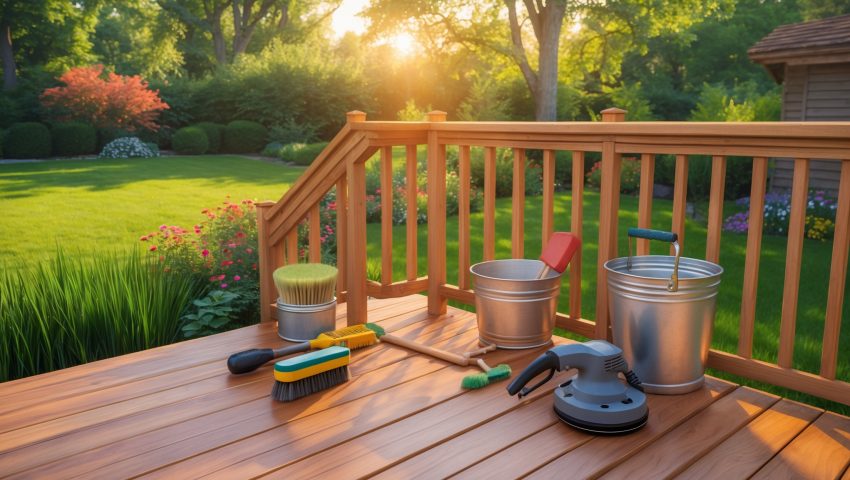
Introduction: Why DIY Deck Maintenance Matters
A deck is more than just an outdoor extension of your living space—it’s where family barbecues happen, sunsets are enjoyed, and memories are made. But even the sturdiest decks across the U.S. face the relentless challenges of sun, rain, snow, and fluctuating temperatures. Without regular upkeep, even the best-built decks can suffer from fading, warping, rot, and costly structural damage. While many homeowners invest heavily in initial construction, ongoing maintenance is often overlooked or underestimated. The good news? With a strategic, seasonal approach and a clear understanding of costs and best practices, you can dramatically extend your deck’s lifespan, enhance its beauty, and avoid the most common DIY missteps. This guide will walk you through everything you need to know—from the must-have tools and materials, to practical budgeting, to a regionally-tailored seasonal checklist. Whether your deck is pressure-treated pine, cedar, composite, or hardwood, you’ll find actionable advice for pro-grade results without breaking the bank.
Understanding Your Deck: Materials & Maintenance Needs
Types of Decking Materials
- Pressure-Treated Wood: Affordable, widely used, but prone to checking and splintering without regular sealing.
- Cedar & Redwood: Naturally resistant to rot and insects, but require annual cleaning and periodic sealing/staining.
- Composite Decking: Low-maintenance, resists rot and splintering, but still needs seasonal cleaning and some care for mold or stains.
- Tropical Hardwoods (e.g., Ipe, Mahogany): Extremely durable, but benefit from UV-protective oiling to maintain color.
Identifying Trouble Spots
Before any maintenance work, conduct a thorough inspection. Look for:
- Loose or protruding fasteners
- Splitting, cupping, or warped boards
- Discoloration, mildew, or mold patches
- Soft spots indicating rot (especially near railings, stairs, and post bases)
Cost Planning for DIY Deck Maintenance
Typical Expenses by Task
- Annual Cleaning: $20–$60 (deck-specific cleaner, brushes, gloves, buckets)
- Power Washing (Rental): $40–$100 per day
- Sealing/Staining: $80–$250 (quality sealer/stain, brushes/rollers, sandpaper)
- Board Replacement: $5–$25 per board (wood species matters)
- Fasteners & Hardware: $10–$40 (per 100-pack, stainless steel recommended)
Budgeting Tips
- Buy sealers and stains during off-season sales
- Split tool rentals with neighbors for larger jobs
- Keep leftover stain in airtight containers for touch-ups
- Track your expenses annually to spot trends and plan ahead
Cost-Saving Alternatives
For minor repairs, repurpose boards from hidden areas (under stairs) for visible surfaces, or use wood filler for small cracks. Always compare the cost of DIY materials to professional quotes—often, doing it yourself saves 50–70% on labor alone.
Essential Tools & Materials for DIY Deck Care
Basic Toolkit
- Stiff-bristle deck cleaning brush
- Garden hose with spray nozzle
- Buckets and sponges
- Putty knife (for cleaning between boards)
- Safety goggles and gloves
- Protective mask (for sanding or using chemicals)
- Cordless drill/driver (for tightening fasteners)
Advanced Tools (Optional)
- Pressure washer (rent or buy, use on lowest setting for wood decks)
- Orbital sander (for smoothing rough boards before sealing)
- Pry bar (for removing damaged boards)
Materials Checklist
- Oxygenated deck cleaner or eco-friendly alternative
- Exterior wood stain or sealer (UV and water-resistant)
- Replacement boards (matched species/composite type)
- Deck screws or hidden fasteners (corrosion-resistant)
- Sandpaper (80- and 120-grit)
Seasonal Deck Maintenance Checklist
Spring: Post-Winter Recovery
- Clear debris from surface and between boards
- Inspect for loose nails, screws, or fasteners—tighten/replace as needed
- Check railings and stairs for stability
- Clean deck with a recommended cleaner, rinse thoroughly
- Spot-treat mold or mildew with a vinegar-water mix or commercial remover
- Allow deck to dry fully before moving to repairs or sealing
Summer: UV Protection and Repairs
- Sand rough patches or splinters, especially in high-traffic areas
- Apply UV-protective sealant or stain on dry days (check forecast!)
- Replace any warped or rotted boards
- Inspect and lubricate moving parts on gates or deck doors
Fall: Prepping for Winter
- Sweep leaves and debris frequently to prevent moisture buildup
- Check drainage around the deck—redirect downspouts if needed
- Touch up stain/sealer on worn spots
- Store furniture and planters off the deck surface if possible
Winter: Preventive Measures
- Avoid using salt-based de-icers (they damage wood and hardware); use calcium magnesium acetate instead
- Periodically sweep off snow with a plastic shovel, moving with the grain
- Inspect support posts and footings for movement after deep freezes
Step-by-Step: Deep Cleaning and Resealing Your Deck
1. Preparation
- Remove furniture, planters, and décor
- Cover nearby landscaping with tarps to protect from splashes
- Check weather—choose a dry, overcast day if possible
2. Cleaning
- Apply oxygenated deck cleaner per label instructions
- Scrub boards with a stiff brush, focusing on stains and high-traffic areas
- Rinse thoroughly with a hose; avoid excessive pressure on wood decks
- Let deck dry at least 24–48 hours
3. Repairs
- Replace or repair damaged boards and tighten any loose fasteners
- Sand rough areas to smooth splinters and help stain adhere
- Fill small cracks with wood filler (if compatible with your deck type)
4. Sealing or Staining
- Stir stain/sealer thoroughly (don’t shake—this causes bubbles)
- Apply with a brush for edges and a roller or pad for large areas
- Work two boards at a time to avoid lap marks
- Allow to dry per manufacturer’s instructions, then apply a second coat if needed
5. Final Touches
- Replace furniture and décor after sealer is fully cured
- Inspect for missed spots or drips and touch up as necessary
Pro Tips for Lasting Results
- Test stain/sealer on a small, inconspicuous area first to ensure desired color
- Always move furniture and grills periodically to prevent uneven fading
- Use furniture pads to prevent gouges and scratches
- Trim nearby trees and shrubs for airflow and faster drying after rain
- Keep gutters clean—overflow can saturate deck boards and cause rot
Common DIY Deck Maintenance Mistakes (and How to Avoid Them)
- Skipping the Drying Stage: Applying stain or sealer to damp wood leads to peeling and patchy finishes.
- Overpowering with Pressure Washers: Too much pressure gouges wood and raises grain, making future maintenance harder.
- Ignoring Fastener Corrosion: Using standard steel screws invites rust and premature failure—use stainless or coated hardware instead.
- Using Interior Products Outside: Only use finishes labeled for exterior decks—interior products break down rapidly in UV and moisture.
- Neglecting Regular Inspection: Minor issues snowball into major repairs if left unchecked for a season or more.
Safety Checklist for DIY Deck Work
- Wear goggles, gloves, and masks when sanding or handling chemicals
- Keep children and pets away from the work area
- Ensure ladders are stable for accessing elevated decks
- Use only outdoor-rated extension cords for power tools
- Store chemicals and stains away from heat sources and out of reach of children
Regional Considerations Across the U.S.
Hot and Humid (Southeast, Gulf Coast)
- Prioritize mold/mildew-resistant cleaners
- Reapply sealer more frequently due to intense sun and rainfall
Cold and Snowy (Northeast, Midwest, Rockies)
- Focus on moisture-resistant stains and sealers
- Inspect for frost heave and shifting supports after winter
Dry and Sunny (Southwest, California)
- Pick UV-blocking stains; monitor for rapid drying and warping
- Water deck boards lightly before cleaning to prevent absorption of harsh chemicals
Conclusion: Investing in Your Deck’s Future
Your deck adds value, beauty, and functionality to your home, but only if you commit to regular, well-planned maintenance. By understanding the unique needs of your deck’s materials, planning your budget wisely, using the right tools, and following a proven seasonal checklist, you’ll prevent the most common issues faced by U.S. homeowners—from rot and discoloration to expensive structural repairs. Remember, the effort you invest today not only protects your deck but also creates a safer and more enjoyable outdoor space for years to come. Even if your deck is showing signs of age, it’s rarely too late to turn things around with focused DIY care. Keep track of your progress, celebrate the transformation, and share your results with your home improvement community. With smart planning and a little elbow grease, you can enjoy a gorgeous, lasting deck—season after season, year after year.
For a deck made from pressure-treated pine, how often do you really need to reseal it to prevent splintering and warping, especially in regions with harsh winters?
For pressure-treated pine decks, resealing every 1 to 2 years is usually best, but in areas with harsh winters, resealing annually helps prevent splintering and warping. Always inspect each spring and reseal if water no longer beads on the surface.
For a pressure-treated pine deck that hasn’t been sealed in years, what’s the best way to prep it before resealing to make sure the new finish lasts?
Start by thoroughly cleaning the deck with a deck cleaner to remove dirt and mildew. After cleaning, let it dry completely, then sand any rough spots. Make sure the wood is dry before applying a high-quality sealer for the best results.