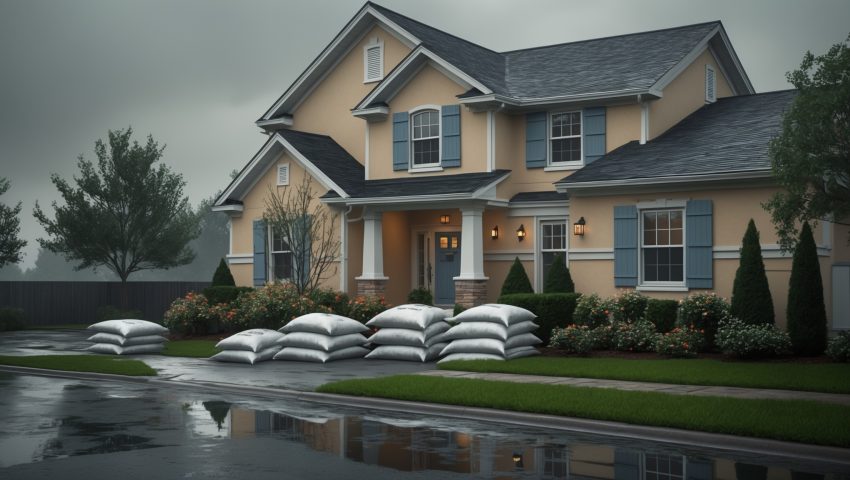
Introduction: The Rising Need for DIY Stormproofing in U.S. Homes
Natural disasters are an ever-present concern for homeowners across the United States, from hurricane-prone coastlines and tornado alleys to regions susceptible to flooding or blizzards. As extreme weather events become more frequent and severe, stormproofing your home is no longer a luxury—it’s a necessity. While professional upgrades are an option, many essential stormproofing tasks are achievable through strategic DIY projects, often at a fraction of the cost. However, knowing where to start, what to prioritize, and how to budget can feel overwhelming.
This comprehensive guide breaks down the most effective DIY stormproofing strategies tailored to common U.S. weather hazards. We’ll provide a transparent cost breakdown for each project, a detailed checklist of necessary tools and materials, and step-by-step advice to help you reinforce your home. Whether you want to hurricane-harden your windows, floodproof your basement, or secure your roof against high winds, you’ll find actionable tips and smart budgeting advice to weather any storm. Let’s make your home safer, more resilient, and prepared for whatever Mother Nature brings.
Understanding Your Home’s Risk Profile
Mapping Regional Hazards
The first step in stormproofing is understanding the specific threats your location faces. Different regions of the U.S. require different strategies:
- Coastal Southeast & Gulf: Hurricanes, flooding, storm surges
- Midwest & Plains: Tornadoes, severe thunderstorms, hail
- Northeast: Nor’easters, blizzards, ice storms
- West Coast: Heavy rain, mudslides, occasional windstorms
Use FEMA maps (msc.fema.gov), local emergency management sites, and your homeowner’s insurance risk reports to identify your primary risks. This assessment will guide the upgrades and DIY projects most relevant to your home.
DIY Stormproofing: Cost Breakdown and Project Prioritization
Budgeting Overview
Stormproofing costs can range from under $100 for basic upgrades to several thousand dollars for comprehensive retrofitting. DIY approaches can save 30–60% compared to professional installation. Below is a realistic cost breakdown for key projects (based on average U.S. 2024 prices):
- Window Protection (Plywood/Shutters): $80–$350 per window
- Door Reinforcement Kits: $100–$400 per door
- Roof Tie-Downs (Hurricane Straps): $250–$900 for most homes
- Flood Barriers/Sandbags: $50–$300 per entry point
- Basement Sealant: $200–$750
- Gutter Upgrades/Guards: $150–$500
- Tree Trimming/Removal: $0 (DIY trim)–$1,500 (large removal, may need pro)
Prioritize projects based on your risk profile, budget, and any insurance requirements.
Securing Windows: DIY Methods for Storm Resistance
Plywood Boarding
One of the most cost-effective ways to protect windows from windborne debris is boarding them with plywood. Opt for 5/8″ exterior-grade plywood, cut to overlap the window frame by at least 4 inches on each side. Pre-drill holes and use heavy-duty screws for quick installation before storms.
- Tools Needed: Circular saw, drill, tape measure, marker
- Estimated Cost: $80–$120 per window (including hardware)
Permanent Storm Shutters
Accordion or roll-down shutters provide quick, reusable protection. DIY kits are available for confident handypeople. Expect a higher upfront cost but years of reliable service.
- Tools Needed: Drill/driver, level, measuring tape, fasteners
- Estimated Cost: $250–$350 per window (DIY kit)
Window Film vs. Impact Glass
DIY security films can help hold glass together if broken, but they won’t stop flying debris. Impact glass replacement is costly and usually requires pro installation, but film application is a quick, affordable upgrade.
- Tools Needed: Utility knife, squeegee, straightedge
- Estimated Cost: $50–$120 per window (film only)
Reinforcing Doors for High Winds and Flying Debris
Door Bracing and Reinforcement Kits
Standard exterior doors often fail in high winds. Install a door reinforcement kit, which typically includes longer hinge screws, deadbolt reinforcements, and strike plate upgrades. For double doors or patio sliders, add head and foot bolts.
- Tools Needed: Power drill, screwdriver, wrench
- Estimated Cost: $100–$400 per door
Garage Door Strengthening
Garage doors are a weak point in hurricanes and tornadoes. Retrofit kits add horizontal and vertical bracing. For DIYers, installation usually involves bolting steel supports to the door’s structure and securing tracks.
- Tools Needed: Socket set, drill, level, safety glasses
- Estimated Cost: $200–$500 per door
Roof and Attic: Preventing Uplift and Water Intrusion
Installing Hurricane Straps or Clips
Metal hurricane straps connect rafters/trusses to wall plates, dramatically increasing wind resistance. Access is easiest via the attic. Work methodically, wearing gloves and eye protection.
- Tools Needed: Hammer, drill/driver, ladder, metal snips
- Estimated Cost: $250–$900 (materials for average-size home)
Inspecting and Sealing Roof Penetrations
Check for loose shingles, damaged flashing, or gaps around vents. Use roof sealant or flashing tape to block water intrusion. Prioritize repairs at eaves, ridges, and valleys.
- Tools Needed: Caulking gun, roofing cement, putty knife
- Estimated Cost: $50–$200
Attic Vent Protection
Install vent covers or baffles to keep wind-driven rain and embers out during storms or wildfires. Ensure attic vents are securely fastened and undamaged.
- Tools Needed: Screwdriver, drill, tin snips
- Estimated Cost: $40–$150
Flood and Water Intrusion Defenses
Sandbags and Temporary Flood Barriers
For homes in flood zones, pre-filled sandbags or quick-deploy barriers can shield doors, garages, and low windows. Store them dry and accessible for rapid deployment.
- Tools Needed: Shovel (if filling bags), gloves
- Estimated Cost: $50–$300 per entry point
Basement and Foundation Sealing
Apply waterproof masonry sealer to basement walls and floors. Fill cracks with hydraulic cement. Install window well covers to block debris and water.
- Tools Needed: Paint roller, brush, crack filler, utility knife
- Estimated Cost: $200–$750
Sump Pump Installation and Maintenance
Sump pumps are essential for flood-prone basements. Many homeowners can install basic models with clear instructions. Regularly test and clean your pump before storm season.
- Tools Needed: Drill, pipe wrench, level, bucket
- Estimated Cost: $150–$500 (DIY install)
Gutters, Drains, and Exterior Water Management
Cleaning and Upgrading Gutters
Clogged gutters cause roof and foundation leaks. Clean them at least twice a year, and install gutter guards to minimize debris build-up. Check downspouts for secure attachments and clear flow.
- Tools Needed: Ladder, gloves, gutter scoop, garden hose
- Estimated Cost: $50–$150 (cleaning & minor repairs), $200–$500 (gutter guards)
Improving Site Drainage
Grade soil so water flows away from the foundation. Add extensions to downspouts to direct runoff at least 6 feet from the house. For persistent issues, consider a French drain (DIY kits available).
- Tools Needed: Shovel, rake, wheelbarrow, level
- Estimated Cost: $30–$500 (grading & extensions), $600+ (DIY French drain)
Landscaping for Storm Resistance
Tree Trimming and Hazard Removal
Trim back overhanging limbs and remove dead or diseased trees that could fall on your home. For small branches, use hand saws or pole pruners; larger trees may require professional removal for safety.
- Tools Needed: Pruning saw, loppers, pole pruner, safety gear
- Estimated Cost: $0 (DIY trim), $200–$1,500 (pro removal)
Windbreaks and Erosion Control
Strategically plant dense shrubs or install fencing to reduce wind impact and erosion. Use mulch or ground cover to keep soil in place during heavy rains.
- Tools Needed: Shovel, rake, garden trowel
- Estimated Cost: $100–$500 (plants & materials)
Essential Tools and Equipment for DIY Stormproofing
- Drill/driver with bits
- Measuring tape and level
- Utility knife
- Circular saw (for plywood)
- Screwdrivers (flat and Phillips)
- Hammer
- Caulking gun
- Ladder (extension and step)
- Safety gear: gloves, goggles, dust mask
- Shovel and wheelbarrow (for drainage/landscaping)
- Gutter scoop and hose
Investing in quality tools pays off over multiple projects and increases your safety and efficiency.
Maintenance Best Practices and Seasonal Checklist
- Spring: Inspect roof and gutters, test sump pump, trim trees, check window and door seals
- Summer: Install or test storm shutters, check attic vents, review emergency supplies
- Fall: Clean gutters, reinforce doors and garage, seal foundation cracks, store sandbags accessibly
- Winter: Inspect insulation, check for ice dams, ensure snow/ice won’t block drainage
Document all upgrades and maintenance for insurance purposes—photos and receipts are invaluable after a storm event.
When to Call in the Pros
While many stormproofing tasks are DIY-friendly, certain jobs require professional expertise for safety and compliance:
- Major roof repairs or replacements
- Large tree removal near structures or power lines
- Structural wall reinforcements
- Complex drainage systems or foundation work
Always check local permit requirements, especially for exterior structural changes, to ensure compliance and maintain insurance coverage.
Conclusion: Building a Resilient Home, One Project at a Time
Stormproofing your home is one of the most empowering and practical investments you can make as a homeowner, especially as weather patterns grow more unpredictable across the U.S. The good news is that many of the most effective upgrades are well within the reach of determined DIYers. By understanding your region’s hazards and prioritizing projects based on risk and budget, you can systematically strengthen your home’s defenses against wind, water, and debris.
This guide has walked you through targeted strategies for windows, doors, roofs, basements, and landscaping, complete with realistic cost estimates and tool lists. Remember, the key to successful stormproofing is not just one big upgrade, but a series of thoughtful improvements and diligent maintenance. You don’t need to do everything at once—start with the most vulnerable points, and build your resilience season by season.
Above all, invest in quality materials, work safely, and document your efforts for both peace of mind and potential insurance claims. When in doubt, consult with local professionals for complex or high-risk tasks. By taking these steps, you’ll not only protect your property and loved ones, but also gain confidence and self-reliance in the face of whatever storms come your way.
Could you provide more detail on how to prioritize DIY stormproofing projects if my home faces multiple hazards, like both flooding and high winds?
Start by addressing the most severe threats first. If flooding risk is higher, focus on drainage and barriers. For high winds, reinforce doors, windows, and the roof. Assess your local hazard history to guide which upgrades should come first.
How often should I update my home’s risk assessment if I live in an area with rapidly changing weather patterns?
If your area experiences rapidly changing weather patterns, it’s a good idea to update your home’s risk assessment at least once a year or after any major weather event. This helps ensure your preparations stay effective and up-to-date.
What are the first steps I should take if I’m not sure which regional weather risks apply to my home?
Start by checking your local government or FEMA website for regional hazard maps. You can also contact your local building department or ask neighbors about common weather threats in your area to identify which risks to prepare for.
If I live in a Midwest tornado zone, which DIY stormproofing project should I prioritize first to get the most protection for my investment?
Start by reinforcing your home’s entry doors and garage doors, as these are common failure points during tornadoes. Installing heavy-duty door hardware or bracing kits offers strong protection and is a cost-effective DIY project for Midwest tornado zones.
For someone on a tight budget, what are the most affordable tools and materials you’d recommend starting with from your checklist?
Start with affordable basics like weatherstripping, caulk, sandbags, and plastic sheeting. These materials help seal gaps, prevent water intrusion, and block drafts without costing much. A utility knife, caulking gun, and hammer are useful low-cost tools to have.