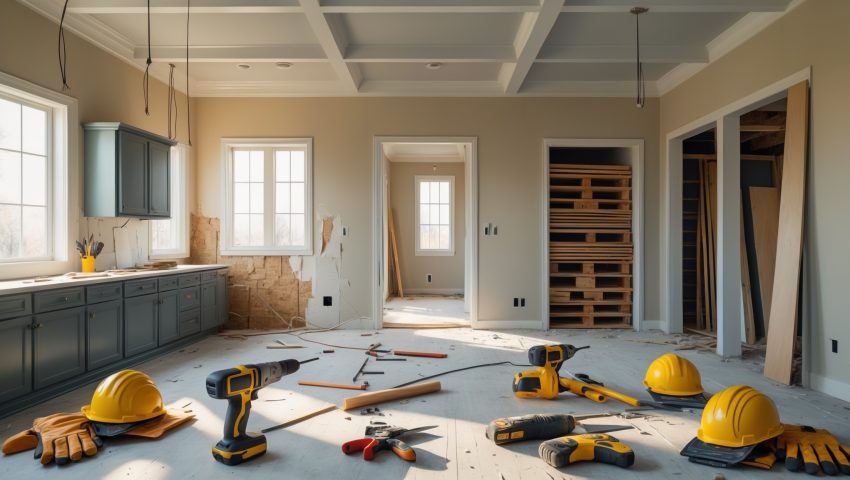
Every DIY enthusiast knows the thrill of transforming a space, whether it’s updating a kitchen backsplash or revamping an entire basement. Yet, too often, home improvers dive into projects with excitement—only to discover hidden hazards halfway through. From unseen electrical wiring behind old drywall to decades-old lead paint on window trim, U.S. homes harbor risks that can derail even the most promising DIY plans.
This comprehensive guide will take you room by room, exposing the most common (and frequently overlooked) safety hazards hiding in American homes. We’ll show you how to spot, assess, and address these risks before you pick up a hammer, plug in a drill, or tear down a wall. With practical checklists, expert insights, and U.S.-specific safety recommendations, you’ll be equipped to protect yourself, your family, and your investment—no matter the scope of your next project.
Whether you’re planning a weekend paint job or a full-scale restoration, this safety-first walkthrough will help you avoid costly setbacks and ensure your DIY journey is as smooth as it is successful.
Why a Room-by-Room Safety Approach Matters
No two rooms in your home are truly alike—each comes with its own set of materials, construction quirks, and historical hazards. For example, a 1920s bathroom may conceal aging galvanized pipes and mold-prone walls, while a modern kitchen could hide circuit overload issues behind shiny appliances. A generic safety checklist won’t catch these nuances. That’s why a targeted, room-by-room review is essential for American homeowners, especially in older properties or when tackling more than surface-level updates.
This guide will cover:
- Kitchen: Fire, electrical, and chemical hazards
- Bathroom: Water damage, mold, and slip risks
- Living Areas: Lead paint, asbestos, trip hazards
- Bedrooms: Egress, smoke detectors, hidden allergies
- Basement: Structural, moisture, and gas dangers
- Attic: Insulation issues, pests, ventilation
- Garage & Workshop: Flammable materials, tool safety
- Closets & Storage: Overloading, chemical storage
- General Homewide Hazards: Electrical, fire, and emergency access
Kitchen: Hotspots for Accidents and Hidden Dangers
Electrical Overload and Shock Hazards
Kitchens often have more outlets and appliances than any other room. Before you begin any DIY work:
- Identify all GFCI (Ground Fault Circuit Interrupter) outlets. If they’re missing, plan to install them—especially near sinks.
- Check for overloaded circuits. Too many appliances on one circuit can trip breakers or cause fires.
- Turn off power at the breaker before working on any wiring, outlets, or light fixtures.
Fire Risks
- Assess the location of your stove, oven, and microwave. Flammable materials like curtains or wooden shelves should be far from heat sources.
- Test and replace smoke detectors and ensure a fire extinguisher (Class K for kitchens) is nearby and unexpired.
Hidden Chemicals
- Check under sinks for old cleaning products or solvents. Dispose of expired or unknown chemicals at a local hazardous waste facility.
- Ventilate the workspace when using strong adhesives, paints, or sealants.
Quick Kitchen Safety Checklist
- GFCI outlets present and working
- No overloaded power strips or circuits
- Fire extinguisher accessible
- Smoke detector tested
- Proper chemical storage and disposal
Bathroom: Where Water and Mold Lurk
Moisture and Mold Risks
- Inspect for visible mold around sinks, tubs, grout, and behind baseboards. If you smell mustiness, there may be hidden mold in walls.
- Test for leaks by running all fixtures and checking beneath vanities and around toilets.
- Wear an N95 mask and gloves when cleaning or removing mold. For infestations over 10 square feet, consult a professional.
Slip and Fall Hazards
- Use non-slip mats in tubs and on tile floors.
- Install grab bars if elderly or young children are present.
Plumbing and Electrical Safety
- Shut off water at the main or local valve before plumbing work.
- Ensure all outlets are GFCI-protected, especially if upgrading lighting or fans.
Quick Bathroom Safety Checklist
- No active leaks or standing water
- No visible or musty-smelling mold
- GFCI outlets installed and tested
- Non-slip surfaces in wet areas
Living Areas: Legacy Hazards in Plain Sight
Lead Paint and Asbestos
- If your home was built before 1978, test for lead paint using EPA-approved kits before sanding or scraping walls, trim, or windows.
- Be alert for popcorn ceilings, old vinyl flooring, or insulation that may contain asbestos. Never disturb these materials unless you’re certain they’re safe.
Trip and Fall Dangers
- Keep floors clear of cords, tools, and debris during projects.
- Mark off work zones to prevent accidental trips.
Electrical Hazards
- Identify the location of all outlets and wiring before drilling or nailing into walls.
- Use a stud finder with live wire detection for added safety.
Quick Living Area Safety Checklist
- Lead paint and asbestos risk assessed
- Work area clear and marked
- Wiring and plumbing mapped before work
Bedrooms: Keeping Restful Spaces Safe
Fire and Egress Safety
- Ensure you have functional smoke detectors—test and replace batteries regularly.
- Verify that every bedroom has at least one window large enough for escape, as required by U.S. building codes.
Allergy and Air Quality Hazards
- Check for hidden dust, mold, or pest droppings in closets, under beds, and behind baseboards before disturbing materials or ripping up flooring.
- Replace HVAC filters before starting dusty projects.
Furniture and Decor Safety
- Secure heavy furniture to walls if moving or assembling new pieces.
- Ensure that wall hangings or mirrors are properly anchored.
Quick Bedroom Safety Checklist
- Smoke detectors installed and working
- Window egress confirmed
- HVAC filter replaced
- Heavy furniture secured
Basement: Structural and Environmental Dangers
Structural Concerns
- Inspect foundation walls and support beams for cracks, signs of shifting, or rot before beginning any finishing or restoration work.
- Check for termite or pest damage in exposed wood framing.
Moisture, Mold, and Gas
- Test for radon gas with an EPA-approved kit. Radon is a leading cause of lung cancer in U.S. homes—especially in basements.
- Look for standing water, efflorescence (white powdery residue), or musty smells indicating moisture infiltration.
- Use a dehumidifier before, during, and after projects to control humidity.
Utility and Electrical Hazards
- Map out all plumbing, gas lines, and electrical runs before drilling or cutting.
- Shut off main utilities when making major changes or repairs.
Quick Basement Safety Checklist
- Foundation and beams inspected
- Radon tested
- Moisture and mold assessed
- Utilities mapped and shut off before work
Attic: Overlooked Hazards Above
Insulation and Air Quality
- Wear PPE (respirator, gloves, long sleeves) if handling insulation. Confirm insulation does not contain asbestos (common in pre-1980 homes).
- Check for animal droppings or nests—these can harbor dangerous bacteria and allergens.
Ventilation and Heat Risks
- Inspect for proper ventilation to prevent dangerous heat buildup, especially during summer projects.
- Never block soffit vents or attic fans when adding insulation or storage.
Structural Issues
- Walk only on joists or installed flooring to avoid falling through ceilings.
- Check for leaks or water stains indicating roof problems before adding new materials.
Quick Attic Safety Checklist
- Proper PPE used with insulation
- No evidence of pests
- Ventilation unobstructed
- Joists and walkways identified
Garage and Workshop: Tools, Storage, and Fire Safety
Tool and Power Equipment Safety
- Inspect all power tools for frayed cords, damaged guards, or missing safety switches before use.
- Keep blades, bits, and moving parts sharp and clean to prevent kickback or jams.
- Wear appropriate eye, ear, and hand protection with power tools.
Flammable and Chemical Storage
- Store gasoline, solvents, and paints in approved containers away from ignition sources like water heaters or furnaces.
- Dispose of oily rags in metal containers with tight-fitting lids—they can spontaneously combust.
Garage Door and Opener Safety
- Test the auto-reverse safety feature of your garage door opener before working in or under the door area.
- Keep remote controls out of children’s reach.
Quick Garage & Workshop Safety Checklist
- Power tools inspected and maintained
- Flammable chemicals stored safely
- Garage door safety features tested
- Oily rags disposed of properly
Closets and Storage: Hidden Hazards in Small Spaces
Overloading and Collapse
- Don’t overload shelves or hanging rods beyond their rated weight. Reinforce if adding heavy storage.
Chemical and Cleaning Supply Storage
- Keep cleaning products, pesticides, and other chemicals in original containers and out of reach of children and pets.
- Never store incompatible chemicals—like bleach and ammonia—together.
Quick Closet Safety Checklist
- Shelves and rods secure
- Chemicals stored and labeled properly
- No tripping hazards on floors
Homewide Hazards: General Safety for Every Project
Electrical Panel and Circuit Safety
- Label all breakers and circuits clearly. If unsure, have an electrician review your panel before DIY work.
- Never work on live circuits—always turn off power at the breaker.
Fire Safety and Emergency Access
- Ensure working smoke and carbon monoxide detectors on every level of the home.
- Maintain clear pathways to exits and keep fire extinguishers accessible in kitchens, garages, and workshops.
Tool and Ladder Safety
- Inspect all tools before each use and store them safely when not in use.
- Use ladders on stable, dry surfaces and never overreach.
Personal Protective Equipment (PPE)
- Stock up on safety goggles, ear protection, gloves, dust masks, and respirators. Use PPE appropriate to your project’s risks.
Quick Homewide Safety Checklist
- Breakers labeled, power off before electrical work
- Detectors and extinguishers tested
- Tool and ladder safety protocols followed
- PPE used for all DIY projects
Conclusion: Make Safety Your DIY Foundation
Tackling home improvements yourself can be deeply rewarding—but only if you avoid the pitfalls that catch so many DIYers off guard. By taking the time to assess each room’s unique hazards before you start, you’ll save yourself from unexpected injuries, costly mishaps, and even legal or insurance headaches down the road.
Remember: U.S. homes—especially older or previously renovated ones—can harbor hidden dangers ranging from lead paint and old wiring to gas leaks and structural weaknesses. The most successful home improvers aren’t just handy with a tape measure; they’re methodical, curious, and safety-obsessed.
Use the checklists in this guide as your blueprint for every project. Before you grab your tools or tear into a wall, walk through your space and ask: What’s lurking behind, beneath, or above this surface? Am I prepared for the unexpected? Do I have the right safety gear, and have I protected my household from fire, fumes, and falls?
If in doubt—especially with electrical, gas, or hazardous material concerns—don’t hesitate to bring in a pro for testing or remediation. The investment in peace of mind and long-term safety is always worth it.
By making safety your foundation, you’ll not only finish your projects with pride—you’ll ensure your home remains a haven for years to come.
What should I look out for when checking the bathroom for mold if I can’t see any visible signs, especially in an older home?
In older homes, check for musty odors, peeling paint, or wallpaper, and areas with persistent moisture like under sinks, behind toilets, or around tubs. Also, inspect caulking and grout for softness or discoloration even if no mold is visible.
If I find old galvanized pipes while working in my bathroom, is it usually possible to replace them safely as a DIYer, or should I call in a professional?
Replacing old galvanized pipes can be challenging due to rust, corrosion, and possible lead connections. For minor repairs, an experienced DIYer might manage, but full replacement is best handled by a licensed plumber to ensure safety and code compliance.
For someone with a limited budget, which room do you recommend tackling first to maximize safety improvements in an older house?
Focusing on the kitchen is a smart first step, since it often has the most safety risks like outdated wiring, fire hazards, and slippery floors. Simple updates here can make a big difference without a huge investment.
What are the best ways to identify hidden electrical wiring behind drywall before starting a DIY renovation, especially in older houses?
To locate hidden wiring, use a stud finder with electrical detection, check for outlet and switch placement, and look for patched areas that might suggest wiring changes. In older homes, consider turning off power and gently probing with a small hole to inspect before cutting.
When it comes to old lead paint in living areas, what are some effective ways to test for it before starting renovations?
You can use DIY lead test kits, available at most hardware stores, to check painted surfaces for lead. For more accurate results, consider hiring a certified professional who can perform lab analysis or use an XRF device.
For someone living in a newer home, are mold risks in bathrooms still something to worry about, or is that mainly a problem in older houses?
Mold can still be a concern in newer homes, especially in bathrooms where moisture builds up. Proper ventilation and regular cleaning are important in both new and older homes to minimize the risk of mold growth.