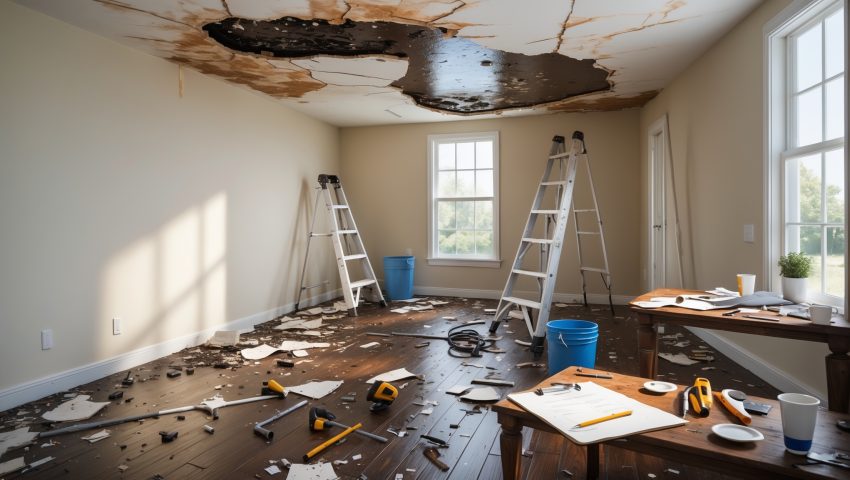
Introduction: When DIY Goes Wrong—Navigating Insurance Claims
DIY home improvement is a source of pride for countless American homeowners. Whether you’re refinishing hardwood floors, updating a bathroom, or finally tackling that kitchen backsplash, the sense of accomplishment is unparalleled. Yet, even the most meticulous plans can go awry. Water lines burst, electrical mishaps spark damage, or an overlooked structural detail leads to costly consequences. When a project goes sideways, home insurance can be your safety net—but only if you understand how to navigate the claims process in the wake of a DIY disaster.
This guide offers a step-by-step roadmap to recovering from home improvement mishaps by leveraging your insurance coverage. We’ll cover everything from initial damage control and thorough documentation, to communicating effectively with your insurer and avoiding common pitfalls that could delay or derail your claim. By the end, you’ll be equipped to turn a stressful situation into a manageable recovery, protecting both your investment and your peace of mind.
Understanding Your Policy: What DIY Disasters Are Covered?
Standard Homeowners Insurance Basics
Most standard homeowners insurance policies provide protection against sudden and accidental damage. This includes incidents like burst pipes, accidental fires, or water damage caused by a failed appliance. However, intentional acts, neglect, and normal wear and tear are generally excluded. It’s critical to distinguish between covered perils and homeowner responsibilities to avoid unpleasant surprises when you file a claim.
DIY Exclusions and Limitations
- Improper Workmanship: Many policies specifically exclude coverage for damages resulting from poor workmanship or code violations. If your error was due to ignoring building codes or using substandard materials, your claim may be denied.
- Permits and Compliance: Insurance may not cover damage from unpermitted work. Review your local permit requirements before starting any major DIY project.
- Intentional Acts: Damage intentionally caused, even as part of a renovation, is not covered.
- Maintenance Issues: Damage due to neglect or lack of maintenance, such as failing to fix a known leak, is typically excluded.
Check for Endorsements and Riders
Some insurers offer additional endorsements for home business operations or expanded coverage for renovations. Contact your agent to review your policy and consider endorsements if you frequently undertake major DIY projects.
Step 1: Immediate Damage Control and Safety
Ensure Safety First
- Shut off water, gas, or electricity to prevent further damage or injury.
- Evacuate the area if there is a risk of electrical shock, fire, or structural collapse.
- Use personal protective equipment (PPE) when entering affected areas.
Prevent Further Damage
- Dry out wet areas to prevent mold growth.
- Board up broken windows or doors to prevent weather or theft damage.
- Keep receipts for emergency repairs and materials; these may be reimbursable.
Step 2: Thorough Documentation—Your Best Defense
Photograph Everything
- Take clear, high-resolution photos of all damage from multiple angles.
- Document the cause of the incident if possible (e.g., a burst pipe, scorched outlet).
- Photograph undamaged areas to show the extent of the incident.
Keep Detailed Records
- Write a timeline of events, including when you started the project, the steps taken, and when you discovered the damage.
- List all tools, materials, and third-party services involved.
- Save receipts for purchases related to the project and emergency mitigation.
Gather Permits and Plans
If your project required a permit, include copies in your claim documentation. This demonstrates compliance with local ordinances and can strengthen your claim.
Step 3: Notifying Your Insurance Company
Contact Your Insurer Promptly
- Call your agent or the claims hotline as soon as possible after the incident.
- Provide a summary of the damage and your initial documentation.
What to Say (and Not Say)
- Stick to the facts. Describe what you did, what happened, and what actions you took to limit damage.
- Avoid admitting fault or speculating about causes in your initial statement.
- Do not dispose of damaged materials until your adjuster instructs you to do so.
Step 4: The Claims Process—What to Expect
Meeting the Adjuster
- The insurance company will assign an adjuster to inspect your property.
- Be present during the inspection to answer questions and provide documentation.
- Walk the adjuster through your timeline, permits, receipts, and photos.
Estimate and Negotiation
- The adjuster will prepare an estimate of the covered damages.
- Review the estimate carefully. If you disagree, provide written documentation or obtain independent contractor quotes.
- Negotiation is common—be polite but persistent in advocating for a fair settlement.
Deductibles and Payouts
- Your deductible will be subtracted from the payout. Know your policy’s deductible amount.
- Payouts may be issued in stages, especially for large repairs.
- If you have a mortgage, the check may be made out to you and your lender; coordinate with your lender for disbursement.
Step 5: Repair and Restoration—Hiring or DIY?
When to Hire a Pro
- Insurance may require licensed contractors for certain repairs (e.g., electrical, structural, plumbing).
- Using a professional can ensure compliance and maximize coverage.
- Get multiple quotes and ensure contractors are insured and bonded.
When DIY Repairs Are Acceptable
- Minor cosmetic repairs may be completed by the homeowner, but check with your insurer first.
- Document all repairs with photos and receipts for materials.
- Keep records for future resale and insurance purposes.
Common Pitfalls and How to Avoid Them
- Failing to Document: Insufficient evidence can delay or reduce your payout.
- Delaying Notification: Waiting too long to file may void your claim.
- Ignoring Permit Requirements: Unpermitted work can lead to a denied claim and possibly fines.
- Admitting Fault Prematurely: Let the adjuster determine cause based on facts, not speculation.
- Overlooking Additional Living Expenses (ALE): If your home is uninhabitable, you may be entitled to temporary housing costs—ask your adjuster.
Special Considerations for Specific DIY Disasters
Water Damage
- Act quickly; mold can develop within 24–48 hours.
- Most policies do not cover gradual leaks or neglect—coverage applies to sudden, accidental events.
- Document source of water, mitigation steps, and areas affected.
Fire or Electrical Damage
- Report immediately to both the fire department and your insurer.
- Do not re-enter the property until cleared by authorities.
- Preserve all evidence of burned materials and project plans.
Structural Accidents
- Shoring and stabilization may be necessary before inspection.
- Do not attempt major structural repairs until your insurer approves the scope of work.
Communicating with Contractors and Insurers
Coordinating Estimates
- Obtain at least three written estimates for repairs.
- Share contractor estimates with your adjuster to support your claim.
- Clarify whether contractor fees include permit costs and code upgrades.
Tracking All Correspondence
- Keep a log of all phone calls, emails, and in-person meetings related to your claim.
- Note the date, time, and summary of each interaction.
- Follow up in writing to confirm verbal agreements or instructions.
Appeals and Disputes: Protecting Your Rights
Understanding Your Options
- If your claim is denied or underpaid, request a written explanation.
- Review your policy and compare the denial to your coverage.
- Submit additional documentation or independent assessments if you disagree.
- If unresolved, consider hiring a public adjuster or contacting your state’s insurance regulator.
Prevention: Lessons Learned for Future DIY Projects
How to Avoid Future Insurance Headaches
- Always check permit requirements and obtain appropriate approvals.
- Use quality materials and follow manufacturer instructions.
- Consider professional help for complex projects (electrical, plumbing, structural).
- Maintain updated records of all improvements and repairs.
- Review your insurance policy annually and update coverage as needed.
Conclusion: Turning Setbacks into Smart Recovery
Experiencing a DIY home improvement disaster can shake your confidence and test your patience, but it doesn’t have to spell financial ruin. By understanding your insurance policy, promptly documenting the incident, and communicating effectively with all parties, you can maximize your chances of a fair recovery. Remember, insurers are in the business of managing risk, not denying legitimate claims—your thoroughness and organization make all the difference.
Use this experience as a learning opportunity. Identify what went wrong, whether it was a planning oversight, skipped permit, or simply bad luck. Implement stronger safeguards for your next project: vet your plans, invest in the right tools, and never hesitate to consult a professional for unfamiliar tasks. Keep your insurance policy up to date and know your deductible and coverage limits before you pick up a hammer.
Ultimately, the best defense against a DIY disaster is preparation, both in your project planning and your insurance readiness. If a setback does occur, this guide will help you navigate the claims process with confidence—so you can get back to enjoying the home you’re proud to improve, one (well-considered) project at a time.
If I did some bathroom updates myself without a permit and caused water damage, does that mean insurance definitely won’t cover repairs?
Insurance coverage may be denied if updates were done without the required permits, especially if improper work caused the damage. However, it depends on your policy and local regulations, so it’s best to review your policy and discuss the details with your insurer.
If damage from a DIY project is partially due to using cheaper materials, does that automatically void any coverage, or is it handled on a case-by-case basis?
Whether your coverage is affected depends on your specific policy and insurer. Using cheaper materials doesn’t always void coverage automatically; insurers typically review such claims on a case-by-case basis to determine negligence or policy exclusions.
Could you explain more about how insurance companies determine if the damage was due to neglect versus a sudden accident during a DIY project?
Insurance companies assess whether damage was due to neglect or a sudden accident by reviewing evidence like photos, project details, and timelines. If poor maintenance or improper installation is found, it’s considered neglect. Sudden, unexpected incidents during proper work are seen as accidents.
If I accidentally cause water damage during a DIY project but followed all local permit requirements, how likely is my insurance to cover the repairs?
If you have homeowner’s insurance and followed permit requirements, your policy will likely cover accidental water damage, unless DIY work is specifically excluded. It’s best to check your policy details or contact your insurer to confirm coverage.
If an accident happens during a DIY project but I didn’t get a building permit, does that automatically void any insurance claim or are there exceptions?
Not having a building permit can affect your claim, but it doesn’t always mean automatic denial. Insurers may review if the lack of permit contributed to the accident. Some policies have exceptions, so check your policy details or ask your insurer directly.
How can I tell if my homeowners policy counts a mistake as poor workmanship, or if it’s just considered an accident for coverage purposes?
Check your policy for exclusions related to ‘faulty workmanship’ or ‘errors in construction.’ Usually, mistakes made during DIY projects are not covered if they’re seen as poor workmanship, but sudden accidental damage might be. Contact your insurer for clarification on your specific situation.
How do insurers usually determine if damage was due to improper workmanship rather than a genuine accident, and what can I do if I disagree with their assessment?
Insurers typically review photos, inspect the site, and may consult experts to see if work didn’t follow standard practices. If you disagree with their decision, you can provide additional evidence or get an independent assessment, and formally appeal their findings.
If I did unpermitted work in my kitchen and something goes wrong, is there any way to fix the situation so my insurance might help with damages?
Insurance typically excludes damages from unpermitted work, but you might improve your chances by getting the work properly inspected and permitted after the fact. Contact your insurer, explain the situation honestly, and see if remediation or code compliance helps your claim.
If I accidentally cause water damage during a permitted kitchen remodel, but the damage wasn’t due to faulty work, would standard homeowners insurance usually cover that?
Yes, standard homeowners insurance usually covers accidental water damage, even during a permitted remodel, as long as it wasn’t caused by faulty workmanship or neglect. It’s a good idea to check your specific policy details or contact your insurer to confirm.
What should I do right after discovering a DIY disaster to make sure my insurance claim isn’t delayed or denied later on?
Take clear photos and videos of the damage right away, avoid making repairs before documenting everything, and notify your insurer as soon as possible. Keep receipts for any urgent temporary fixes you do to prevent further damage.
If a DIY project passed inspection but was later found to have code violations after a disaster, would insurance still deny the claim based on improper workmanship?
Even if a DIY project passed inspection, insurance might still deny a claim if the damage resulted from improper workmanship or code violations discovered later. Insurers often exclude coverage for losses caused by faulty construction, regardless of prior inspections.
What should I do differently in the claims process if the damage happened because I forgot to get a permit for the project?
If you didn’t get a permit, be honest with your insurer and provide all the details. Some policies may exclude coverage for unpermitted work, so be prepared for possible claim denial or adjustments. Review your policy and consider consulting your agent directly.
Could you clarify if homeowners insurance differentiates between a licensed contractor’s mistake versus a homeowner’s own DIY mishap when it comes to claims for accidental damage?
Yes, homeowners insurance often treats claims differently. Damage caused by a licensed contractor may be covered, but accidental damage from DIY work by the homeowner is sometimes excluded. Check your policy details or speak with your insurer to confirm coverage in your situation.
If I accidentally damage a water line while renovating my bathroom and I didn’t get the proper permit, will insurance still help at all?
If you didn’t get the required permit, your insurance might deny the claim or reduce your payout. It’s best to check your policy details and contact your insurer to explain the situation honestly.
Can you clarify what counts as ‘neglect’ versus an accidental mistake when it comes to insurance claim eligibility for DIY mishaps?
Neglect usually means failing to maintain your home or ignoring clear warnings, like not fixing a leaky roof. An accidental mistake is an unintentional error, such as drilling into a pipe while doing DIY. Insurance often covers accidents, but not neglect.
If accidental water damage happens while installing a bathroom vanity, how does the insurer determine if it’s covered or if it was due to improper workmanship?
The insurer will review the details of the incident, often sending an adjuster to inspect the damage. They’ll assess whether the water damage was accidental or a result of improper installation. Damage from clear mistakes or negligence might not be covered.
If I accidentally caused water damage while installing a new sink, but I had a permit, would insurance typically cover that or does it still count as improper workmanship?
If you had a permit and followed local codes, your insurer might cover the accidental water damage. However, many policies exclude claims resulting from faulty workmanship, even with a permit. It depends on your specific policy terms, so review your coverage or ask your agent.
Can you clarify what counts as ‘improper workmanship’? For example, if I tried to fix my own wiring and there was a fire, would my policy exclude that?
Improper workmanship generally means repairs or installations done incorrectly or not up to code. If you fixed your own wiring and a fire resulted, most insurance policies would exclude coverage because it was caused by non-professional, faulty work.
You mentioned code violations can impact claims—how can I prove my work was up to code if an adjuster asks?
You can show permits, inspection reports, or receipts for materials to demonstrate your work met code. Photos of your process and any approval documents from your local building authority are also helpful for adjusters.
What steps should I take to properly document my materials and methods during a DIY project in case I need to prove compliance for an insurance claim later on?
Keep detailed receipts of all materials purchased, take clear photos before, during, and after your project, and maintain a written log describing your methods and progress. This documentation can help verify compliance and support your insurance claim if needed.
If I made a mistake during a bathroom remodel and caused water damage, will my insurance still cover repairs if I followed all building codes and permits?
If you followed all building codes and had the proper permits, many homeowners insurance policies may cover accidental water damage from DIY mistakes. However, it’s important to check your specific policy, as some may exclude damage from homeowner work.
If I accidentally damage a water line while doing a kitchen remodel, does insurance usually distinguish between accidental mistakes and outright code violations?
Home insurance usually covers accidental damage, like hitting a water line during a remodel, as long as there’s no code violation involved. If the damage results from ignoring building codes, your claim could be denied.
If damage occurs because I missed a required permit during a DIY project, is there any way to reverse a claim denial from my insurer?
If your claim was denied due to missing a required permit, your options are limited. You can appeal the decision with new evidence or documentation, but insurers often exclude coverage for unpermitted work. Consulting a lawyer or local authority may help clarify your situation.
If my DIY bathroom project caused water damage because I made a mistake with the tiles, would my insurance deny the claim for poor workmanship?
Most home insurance policies exclude coverage for damages resulting from poor workmanship or DIY errors. If the water damage was caused by a mistake during your tile project, your claim could likely be denied for that reason. Check your policy details for specifics.
If my insurance denies my claim due to unpermitted work, is there anything I can do after the fact to improve my chances of coverage?
If your claim was denied due to unpermitted work, you can try obtaining the proper permits retroactively and bringing the work up to code. Once that’s done, appeal the denial with supporting documentation, but approval is not guaranteed.
If I accidentally cause water damage while updating a bathroom but I had a permit, how likely is it that the insurance will still cover the repairs?
If you had the proper permit and the work was accidental, most insurance policies are likely to cover the water damage. However, it’s important to check your policy details and notify your insurer promptly to confirm coverage.
Does homeowners insurance cover damage from DIY projects if I got all the correct permits, or can they still deny my claim based on how the work was done?
Even with permits, insurers can deny claims if the damage was caused by faulty workmanship or code violations during your DIY project. Coverage often depends on whether the work met professional standards, so review your policy and keep records showing you followed proper procedures.
You mentioned that most policies exclude damage from unpermitted work—how would an insurer verify if I had the right permits after a mishap?
Insurers typically ask for documentation, such as permit records from your city or county office. If you can’t provide proof that you obtained the necessary permits, the insurer may deny your claim for that damage.
What steps should I take immediately after a DIY mishap to strengthen my insurance claim, especially if I’m unsure about permit status?
Take clear photos and document the damage, write down exactly what happened, and keep any receipts or materials related to the project. Contact your insurer quickly and be honest about the situation, including permit uncertainties—they’ll advise on next steps.
How do insurers typically determine whether damage was caused by neglect or a genuine accident during a DIY project?
Insurers often inspect the damage, review photos or evidence, and may ask about the tools, materials, and steps taken. They look for signs of neglect, like ignoring safety measures or using incorrect materials, versus genuine accidents despite taking reasonable care.
If my DIY bathroom project caused water damage because I missed a leak, how does the insurer decide if it counts as ‘sudden and accidental’ or improper workmanship?
Insurers assess if the damage was unexpected and happened quickly (sudden and accidental), or if it resulted from ongoing issues or mistakes during your project (improper workmanship). If it’s due to faulty work, it’s usually not covered.
If I accidentally cause water damage while replacing a faucet without a permit, will my insurance still help cover the repairs?
Most home insurance policies cover accidental water damage, even from DIY work, but they might not cover unpermitted or negligent repairs. Check your policy details and contact your insurer to see if your specific situation qualifies for coverage.
If my DIY bathroom upgrade caused water damage but I got all the right permits, does that increase the chances my insurance will cover repairs?
Having the proper permits shows you followed legal requirements, which can help your claim. However, coverage depends on your policy details and whether the damage resulted from accidental mistakes rather than negligence. Contact your insurer to discuss your specific situation.
If my insurance denies a claim due to alleged poor workmanship, is there an appeals process or any way to dispute their decision?
Yes, you can appeal an insurance claim denial. Start by reviewing the denial letter and your policy, then provide any additional evidence or documentation. If needed, contact your insurer’s complaints department or seek help from your state’s insurance regulator.
If I accidentally caused water damage during a kitchen backsplash install but had all the right permits, does that usually count as sudden and accidental damage with most insurers?
Most insurers consider water damage from a sudden mishap during a permitted renovation as ‘sudden and accidental.’ As long as the damage wasn’t due to ongoing neglect, your claim should generally meet this standard. Always double-check your specific policy wording.
You mentioned permits—what happens if I did small updates like tiling without a permit, and then something goes wrong? Will my homeowners insurance still consider my claim?
If you did tiling without the required permit and it causes damage, your homeowners insurance might deny your claim. Insurers often require updates to follow local codes, so work done without permits could put coverage at risk.
After a small electrical fire from a DIY project, should I reach out to my insurance before making any repairs, or is it better to fix immediate hazards first and then call?
It’s best to contact your insurance company before making repairs, unless there are urgent safety hazards. If something must be fixed right away to ensure safety, document the damage thoroughly with photos before you do any repairs.
How do insurance companies actually determine if a DIY mistake was due to neglect versus an accidental error?
Insurance companies examine evidence like photos, repair records, and expert opinions to assess if you followed proper procedures or ignored safety guidelines. If proper precautions were taken but a mistake happened, it’s more likely considered accidental rather than neglect.
What steps should I take immediately after a water line bursts during a DIY repair, before I even contact my insurance company?
First, shut off the main water supply to prevent further flooding. Then, unplug electrical items in the affected area if it’s safe. Document the damage with photos and move valuable items to a dry spot to limit further loss.
If a small DIY mistake causes water damage but I fixed the issue myself, can I still file an insurance claim or does that count as improper workmanship?
You can still file an insurance claim, but many policies exclude coverage for damage caused by improper workmanship. Since you fixed it yourself, your insurer may assess whether the original mistake or the repair led to the damage.
Are there specific types of DIY mistakes that insurers almost always consider neglect, even if the problem seemed unpreventable at the time?
Yes, insurers often consider mistakes like improper electrical wiring, ignoring building codes, or using the wrong materials as neglect, regardless of your intentions. Even if the issue wasn’t obvious, these errors are usually excluded from coverage.
Do insurers usually ask for proof of permits before paying out on a DIY-related claim, and what happens if I can’t find my paperwork?
Insurers may request proof of permits for DIY work if it relates to your claim, especially for major projects. If you can’t find your paperwork, try contacting your local permit office—they often keep records you can reference or request copies from.
If a DIY plumbing project causes a slow leak that I only discover months later, does that count as sudden and accidental damage for insurance purposes, or is it likely to be excluded?
Most home insurance policies require damage to be sudden and accidental, so a slow leak discovered months later is usually considered gradual damage and may not be covered. It’s best to check your policy details or speak with your insurer.
If I accidentally caused water damage while installing a new dishwasher without a permit, does that mean my homeowners insurance will automatically deny my claim?
Your claim won’t be automatically denied just because you didn’t have a permit, but your insurer may investigate if building codes or policy terms were violated. It’s best to report the incident honestly and let your insurance company review the details.
What kind of documentation should I collect right after a DIY mishap to help my insurance claim go smoothly?
Take clear photos and videos of the damage, save receipts for any materials or repairs, record the date and details of the incident, and keep any communication related to your claim. This documentation will help support your insurance claim.
If I accidentally damage a water line during a DIY project but fix it myself right away, does the insurance still cover the initial water damage?
If you repaired the water line yourself, your insurance may still cover the initial water damage, but you should document everything and contact your insurer as soon as possible. Coverage depends on your policy and how promptly the damage was addressed.
If my claim gets denied due to improper workmanship, are there any steps I can take to appeal or partially recover costs?
If your claim is denied for improper workmanship, you can appeal by providing additional evidence or expert opinions. Also, check if your contractor has liability insurance you could claim against, or consider mediation with your insurer.
What steps should I take immediately after discovering a DIY mishap to ensure my documentation meets insurance requirements and avoids common pitfalls that could delay my claim?
Take clear photos and videos of all damage as soon as possible, and make detailed notes about what happened. Collect any receipts, manuals, or evidence of repairs or installations. Notify your insurer promptly and avoid making extensive repairs before their assessment.
Does accidental damage from a failed appliance during a DIY project get treated differently by insurers compared to damage from my own mistakes?
Yes, insurers often distinguish between damage caused by failed appliances and damage resulting from your own mistakes during DIY. Coverage for accidental appliance failure is more common, while damage due to DIY errors may be excluded or require extra documentation.
If damage happens during a permitted DIY renovation but the work accidentally violates building codes, will most insurance policies still deny the claim?
Most insurance policies exclude coverage if damage results from work that violates building codes, even if the renovation was permitted. It’s best to review your policy and consult your insurer, as each provider may interpret such situations differently.
Are there common mistakes homeowners make when documenting DIY mishaps that could unintentionally jeopardize their claim?
Yes, common mistakes include not taking clear photos of the damage, failing to keep receipts for materials, and not providing a detailed timeline of events. Incomplete documentation can make it harder for insurers to validate your claim.
Can you clarify how insurers typically verify whether damage was caused by improper workmanship versus an unavoidable accident during a DIY project?
Insurers usually check for signs like improper installation, use of wrong materials, or lack of permits. They may request photos, receipts, or expert assessments to determine if the damage resulted from poor workmanship or a genuine accident.
Could you clarify how insurers determine whether damage was due to poor workmanship versus a true accident, especially for DIY repairs?
Insurers often assess the quality of repairs, inspect for code violations, and review your account of the event. If damage stems from incorrect installation or materials, it may be seen as poor workmanship rather than an unforeseeable accident.
What should I do if I realize after the fact that I forgot to get a required permit for my DIY project and then need to file a claim?
If you forgot to get a permit, contact your insurer and be honest about the situation. Lack of a permit may affect your claim, but some insurers may still help. You might need to obtain one retroactively or address code violations first.
How detailed does the documentation need to be when submitting a claim for damage caused during a home improvement project?
Your documentation should be as thorough as possible, including photos of the damage, receipts for materials, a detailed description of what happened, and any repair estimates. The more detail you provide, the smoother the claims process will be.
If I accidentally caused water damage while installing a new dishwasher myself, how likely is it that insurance would cover this or would it count as improper workmanship?
Most home insurance policies exclude coverage for damage caused by improper workmanship or DIY errors. If the water damage resulted from installation mistakes, your claim might be denied. It’s best to review your policy details or speak with your insurer directly.
What kind of documentation should I gather if I messed up some electrical work and need to file a claim, especially if I didn’t pull a permit?
You should collect photos of the damaged area, receipts for materials, a written description of what happened, and any communication with professionals you consult. Not having a permit might complicate the claim, so be transparent with your insurer.
How do insurers verify if my DIY project had the proper permits or followed code, and does that process delay the claim?
Insurers may ask for copies of permits, inspection records, or proof the work met local codes. They might contact local authorities or send an adjuster to inspect. This verification can sometimes delay claim processing.
What documentation would insurers expect if I need to prove my DIY work followed local permit requirements during a claim review?
Insurers typically want copies of any permits you obtained, inspection reports from local authorities, and receipts for materials or professional consultations. Photos or records showing your compliance with permit conditions can also help support your claim.
If accidental damage happens during a small DIY project like painting or tiling, how can I tell if my insurance considers it improper workmanship or a covered accident?
Check your policy’s exclusions section to see how it defines improper workmanship. Usually, accidental damage is covered if it’s sudden and unexpected, but any damage from faulty work or mistakes is often excluded. Contact your insurer to clarify your specific situation.
If a DIY project accidentally causes water damage but I did have the proper permits, could my claim still be denied for improper workmanship?
Even with proper permits, your claim could be denied if the insurance company determines the water damage resulted from poor workmanship. Most policies exclude coverage for faulty repairs, so it’s important to check your policy’s specific terms.
If my policy excludes damages caused by improper workmanship, does that mean I’m not covered even if I fixed everything up to code afterward?
Even if you later fix the repairs to code, most policies won’t cover damages that originally resulted from improper workmanship. The initial cause of the damage is what matters most to insurers, not later corrections.
What steps should I take to document the aftermath of a small electrical mishap before contacting my insurance company?
Take clear photos of all affected areas, damaged items, and any visible wiring issues. Make brief notes about what happened, when, and what you did right after. Keep receipts for repairs or materials. This documentation will help with your claim.
You mentioned that poor workmanship might not be covered. How do insurers actually determine if the damage was caused by improper DIY work versus an unavoidable accident?
Insurers typically send an assessor to inspect the damage. They look for evidence like unapproved materials, faulty installation, or violations of building codes to determine if poor workmanship caused the issue, rather than an unavoidable accident.
If a claim is denied due to poor workmanship, are there steps I can take to appeal or revisit the decision with additional evidence or repairs?
Yes, you can usually appeal a denied claim. Gather any new evidence, such as repair invoices or expert assessments showing the issue was resolved. Contact your insurer, explain the updates, and ask about their appeal process for reconsideration.
If a DIY project goes wrong but I got all the required permits, does my insurance still exclude coverage for mistakes in the workmanship itself?
Even with the right permits, most home insurance policies don’t cover damage caused by faulty workmanship or DIY mistakes. Permits help with legal compliance, but coverage usually excludes errors in the actual work done.
Can you explain how insurance companies determine if DIY damage was caused by neglect versus a genuinely accidental mistake during a project?
Insurance companies look at project records, the nature of the mistake, and whether reasonable precautions were taken. If damage results from ignoring safety protocols or using wrong materials, it’s often seen as neglect. Honest mistakes despite following guidelines are usually considered accidental.
If I accidentally cause water damage during a bathroom remodel but followed all permit rules, would most insurance policies still cover repairs, or does it depend on how the mistake happened?
Coverage often depends on how the water damage occurred and your specific policy terms. Many policies exclude damage from faulty workmanship, even if permits were followed. Check your policy or ask your insurer to confirm whether accidental DIY mistakes are covered.
Are there specific types of DIY mistakes that most insurers will always deny, or are there exceptions if I can show I did everything by the book?
Most insurers often deny claims for DIY mistakes involving unlicensed electrical, plumbing, or structural work. However, if you followed all legal requirements and can provide evidence, some insurers may consider exceptions. Always check your policy details and keep documentation of your work.
If I accidentally cause water damage while updating a bathroom myself, will my insurance still help if I didn’t get the right permits?
If you didn’t get the required permits, your claim could be denied, as most policies require work to follow local regulations. It’s important to check your policy and talk to your insurer for clarification.
If I accidentally cause water damage while installing a new dishwasher myself, will my insurance cover it if I pulled the proper permits but made a mistake?
If you have the right permits but accidentally cause water damage, most homeowners insurance policies may cover sudden and accidental damage—even from DIY mistakes. However, intentional neglect or poor workmanship may not be covered, so check your specific policy details or ask your insurer.
If a DIY project accidentally damages a neighbor’s property, does a standard homeowners policy generally cover those repairs, or would that fall under a different type of coverage?
If your DIY project accidentally damages a neighbor’s property, your standard homeowners policy usually covers it under the liability section. It’s best to check your specific policy details, as exclusions or coverage limits may apply.
What kind of documentation should I gather right after a DIY mishap to improve my chances with the insurance claim process?
Right after a DIY mishap, gather photos of the damage, receipts for materials used, any warranties, a written description of what happened, and estimates for repairs. This documentation will help your insurance provider process your claim more smoothly.
If my DIY project caused damage but I had all the required permits and inspections, could insurance still deny my claim based on workmanship issues mentioned in the article?
Yes, insurance could still deny your claim if the damage is due to poor workmanship, even if you had permits and inspections. Many policies exclude coverage for faulty workmanship, so reviewing your specific policy details is important.
If I accidentally caused water damage while installing a dishwasher myself, but thought I followed all the instructions, would that usually be considered improper workmanship by my insurer?
Most insurers consider damage caused during DIY projects as improper workmanship, even if you followed instructions. Coverage might be limited or excluded for such incidents, but it’s best to check your specific policy wording or ask your insurer directly.
If damage happens while I’m working without a permit but I didn’t know one was needed, does that automatically void my claim or can intent play a role in coverage decisions?
Not having a required permit can impact your claim, even if you were unaware it was needed. Some insurers may consider your intent, but many still deny claims due to lack of compliance, regardless of intent.
If I accidentally cause water damage while trying to install a new sink myself, but I followed all code requirements, would most homeowners insurance policies cover that?
Most homeowners insurance policies cover sudden and accidental water damage, even from DIY work, as long as it wasn’t caused by neglect or intentional acts. Since you followed code requirements, you should be eligible, but check your specific policy for any exclusions on DIY-related claims.
If I discover unexpected damage weeks after a DIY project, does waiting to file a claim affect my eligibility under most homeowners policies?
Most homeowners policies require you to report damage promptly. Waiting weeks could affect your eligibility, as delays might make it harder to prove the cause and extent of damage. Check your policy’s time limits for filing claims.
If I accidentally caused water damage while replacing a bathroom fixture but did have the correct permit, would that usually be covered or denied due to possible workmanship issues?
If you had the correct permit, your claim is more likely to be considered, but insurers may still investigate for workmanship issues. Coverage depends on your policy and if the damage was sudden and accidental, not due to ongoing poor work.
Can you clarify how insurance companies usually determine whether damage was caused by neglect versus a covered accidental incident in a DIY situation?
Insurance companies typically review the circumstances, inspect the damage, and check maintenance records. They look for signs of poor workmanship, ignored repairs, or safety violations to determine neglect, while sudden, unintentional incidents are more likely to be considered accidental and covered.
You mentioned that most policies don’t cover damage from poor workmanship—does that mean if a contractor makes a mistake during a DIY assist, I’m still not covered?
If a contractor makes a mistake while helping with your DIY project, your home insurance usually won’t cover the damage if it’s due to poor workmanship, regardless of who did the work—yourself or a contractor.
What happens if I did some electrical work myself and didn’t get the right permits, but the repair costs are pretty high—do I have any options with my insurance?
If you did electrical work without permits, your insurance may deny the claim, especially if unpermitted work caused the damage. Still, it’s worth contacting your insurer—they may review each case individually or cover part of the loss depending on your policy.
The article mentions unpermitted work might not be covered. How do insurers actually check if you got the right permits, and what happens if you didn’t?
Insurers typically ask for permit records or documentation if you file a claim. If you can’t provide proof, they might contact local authorities or check property records. Without permits, your claim can be denied and you may even face fines or extra repairs.
If I forgot to get a permit for a small kitchen update but everything else was done properly, is there any chance my insurance would still cover a resulting accident?
If a permit was required but missing, your insurer might deny the claim, even if the work was done correctly. It depends on your policy and local laws, so check your policy details or speak directly with your provider for clarification.
How detailed should the documentation be for a DIY disaster when submitting a claim—do I need before and after photos or just receipts and a description?
It’s best to provide as much detail as possible. Before and after photos, receipts, and a thorough description all help your claim. More documentation increases your chances of a smooth review and approval process.
How do insurance companies determine if a problem was from normal wear and tear versus a DIY accident, especially with things like slow leaks?
Insurance companies usually send an adjuster to inspect the damage. They look for signs like tool marks, recent repairs, or incorrect installation that suggest a DIY accident. Normal wear and tear often shows gradual deterioration, while DIY issues may look newer or more abrupt.
Can you clarify how insurance companies usually determine if damage was caused by neglect versus a sudden accident during a DIY project?
Insurance companies look at evidence like photos, timelines, and the condition of materials to decide if damage was accidental or due to neglect. They may check if proper precautions were taken and if the project followed safety or building codes.
If a DIY project causes water damage but I used a licensed contractor for part of the work, will my insurance still cover the repairs or is it automatically considered improper workmanship?
Insurance may still cover the repairs if the damage was due to the contractor’s work and not your own improper workmanship. It’s best to document which parts the contractor handled and provide that information when filing your claim.
If my policy excludes improper workmanship, how can I tell if my mistake counts as that or just an accident when filing a claim?
Improper workmanship usually means work done incorrectly or not up to standard, like faulty wiring or poor plumbing connections. An accident is more unexpected, like dropping a tool and breaking a pipe. Review your claim details and ask your insurer for clarification if unsure.
If damage happens while I’m updating a bathroom myself, what steps should I take immediately to ensure my claim is processed smoothly?
Take clear photos of all damage right away, stop further damage if possible, and keep any receipts for materials or repairs. Notify your insurer promptly and provide full details about what happened during your DIY project.
What steps should I take immediately after a DIY electrical mishap to make sure my claim isn’t delayed or denied by my insurer?
Right after a DIY electrical mishap, make sure everyone is safe and call emergency services if needed. Document the damage with photos, avoid making repairs yourself, notify your insurer right away, and keep all receipts for professional assessments or repairs.
What steps should I take right after a DIY mishap to make sure my documentation will be strong enough for an insurance claim?
Start by taking clear photos and videos of the damage immediately. Write down what happened, including the date and time. Keep receipts for any materials or repairs, and avoid making permanent fixes before your insurer inspects the damage.
If I accidentally damage a wall while installing shelves, but I followed all permit requirements, would that typically be covered by homeowners insurance?
Accidental damage like this is often not covered, as most homeowners insurance policies exclude damage caused by DIY projects or home improvements. It’s best to check your specific policy or contact your insurer for confirmation.
If I accidentally damage a wall while installing new shelves without a permit, would my homeowners insurance still cover the repairs?
Most homeowners insurance policies cover accidental damage, even if you didn’t have a permit. However, coverage can depend on your policy terms and local regulations, so it’s best to check with your insurer directly to confirm.
What kind of documentation do I need to collect while doing DIY projects to make a future claim easier if something goes wrong?
Keep detailed receipts for all materials and tools purchased, take before-and-after photos of the area you’re working on, and document each step of your project. If possible, save any permits or manuals, and write down any issues or repairs as they happen.
If my claim is denied due to improper workmanship, are there any steps I can take to appeal or fix the issue so I’m still protected in the future?
If your claim is denied for improper workmanship, you can appeal by submitting additional documentation or evidence to support your case. For future protection, consider hiring licensed professionals for repairs and review your policy for coverage requirements.
You mentioned permits and compliance—how does an insurer usually verify if my DIY project was up to code when I file a claim?
When you file a claim, insurers may ask for copies of permits, inspection reports, or photos showing the work. They might also send an adjuster to inspect your project and check if it meets local building codes.
What should I do first if I realize I caused damage during a DIY project—contact my insurer immediately, or try to fix it before making a claim?
Contact your insurer before attempting any repairs. Reporting the damage right away ensures your claim is valid and avoids accidental changes that could complicate the process. Your insurer will guide you on the next steps.
Could you give more specifics on what qualifies as ‘improper workmanship’? For example, would a minor mistake in tile installation fall under that exclusion?
Improper workmanship usually refers to mistakes or poor-quality work that doesn’t meet professional standards, even if unintentional. A minor error in tile installation, like uneven spacing or misaligned tiles, often does count as improper workmanship and may not be covered by insurance.
Could you elaborate on how insurers typically investigate whether DIY damage resulted from improper workmanship versus a covered accident?
Insurers usually send an adjuster to inspect the damage. They look for signs like poor materials, faulty installation, or lack of permits. They may also review receipts, photos, or ask about the steps you took during your DIY project to determine the cause.
After a kitchen DIY mishap, what’s the recommended first step—should I focus on stopping further damage or start documenting everything for the insurer right away?
The first priority is to stop any further damage if it’s safe to do so, like turning off water or electricity. Once the situation is stable, start documenting everything for your insurer with photos and notes.
How do insurance companies actually determine if damage was due to poor workmanship or just an honest mistake during a project?
Insurance companies usually send an adjuster to inspect the damage. They look for signs like improper installation, use of wrong materials, or failure to follow codes, which indicate poor workmanship versus a one-time accident or honest mistake.
How thorough does documentation need to be when showing my insurer the damage from a failed DIY kitchen backsplash job?
Documentation should be as detailed as possible. Take clear photos from multiple angles, keep receipts for materials, and write a brief summary of what happened. The more specific you are, the smoother your claim process will be.
If I accidentally cause water damage while upgrading my bathroom but had all the proper permits, does my insurance usually cover that, or could they still deny my claim?
Having permits is helpful, but insurance coverage depends on your policy details. Most policies cover accidental water damage, but exclusions may apply for workmanship errors. It’s best to review your policy and contact your insurer to confirm coverage.
If damage happens from a burst pipe while I’m trying to update my bathroom, will my insurance cover it even if I did the work myself?
Insurance may cover damage from a burst pipe during a DIY project, but it depends on your policy and whether the work was done safely and up to code. Notify your insurer right away and provide full details when filing your claim.
What kind of documentation should I gather immediately after a DIY disaster to give my claim the best chance, especially if I was the one who did the work?
Right after a DIY disaster, take clear photos and videos of all damage, keep receipts for materials and tools you used, write a detailed account of what happened, and save any communication related to repairs or your project.
If a burst pipe happens during a bathroom DIY remodel and I didn’t get a permit, does that automatically void my eligibility for an insurance claim, or are there any exceptions?
Not having a permit can complicate your claim and may give your insurer grounds to deny it, but it doesn’t automatically void eligibility. Some policies may cover accidental damage regardless, so review your policy and contact your insurer to discuss your specific situation.
If my claim is denied because of a code violation I didn’t know about, are there any next steps I can take to challenge the decision or minimize my losses?
If your claim is denied due to an unknown code violation, review your policy and the denial letter. You can appeal the decision, provide additional evidence, or consult a public adjuster or lawyer to explore your options for minimizing your losses.
If I accidentally damage a water pipe while installing a new sink but I got the proper permits, is that usually covered by insurance or does it depend on how the insurer views DIY mistakes?
Coverage can vary by policy, but many insurers exclude damage from DIY mistakes, even if you have permits. It’s best to review your policy details or contact your insurer directly to confirm if accidental damage during DIY work is covered.
Are there any affordable coverage add-ons that protect against DIY-related mistakes, or am I limited to standard policy exclusions?
Most standard home insurance policies exclude coverage for DIY mistakes, but some insurers offer optional add-ons like accidental damage or home repair coverage that might help. It’s best to ask your provider about these affordable endorsements and what exactly they cover.
Could you clarify if repairs from DIY projects that didn’t have the proper permits are always excluded from coverage, or are there exceptions depending on the insurer or the type of damage?
Coverage can depend on your insurer and policy. Many insurers exclude unpermitted DIY repairs, but some may consider claims if the damage wasn’t caused by code violations or negligence. Always check your policy details and ask your provider for clarification.
If my claim is denied because of a code violation, is there any way to appeal or fix the problem to get coverage?
If your claim is denied due to a code violation, you can appeal by providing additional evidence or fixing the violation and showing proof of compliance. Contact your insurer to ask about their specific appeals process and required documentation.
Could you explain how insurers determine whether damage was caused by ‘improper workmanship’ versus something accidental, especially for smaller DIY projects?
Insurers usually assess if the damage directly resulted from a mistake or negligence in the DIY work, such as using the wrong materials or incorrect installation. If the damage stems from an unforeseeable event, it’s more likely considered accidental.
Is there anything I can do up front, like documenting my process or using licensed materials, to improve my chances of a claim being approved for DIY projects?
Absolutely—document your work with photos and receipts, use quality or licensed materials, and keep a record of all steps you take. These details can help prove you followed proper procedures if you ever need to file a claim.
What steps should I take immediately after a burst pipe from a DIY project to avoid having my insurance claim delayed or denied?
First, stop the water flow and document the damage with photos. Notify your insurer right away, keep records of repairs, and avoid discarding damaged materials until the adjuster inspects them. Be honest about the DIY nature of the work in your claim.
Is it possible to appeal if my home insurance denies a claim because they say my electrical work wasn’t up to code, even though I thought I did everything right?
Yes, you can appeal your insurer’s decision. Gather all documentation, including photos, receipts, and any advice you followed. Consider getting a licensed electrician to inspect your work and provide a statement to strengthen your case.
Could you clarify what counts as ‘improper workmanship’ under most policies? For example, would a minor mistake like a poorly installed backsplash impact coverage?
Improper workmanship generally refers to work done incorrectly or not up to standard, including DIY projects. Even a minor mistake like a poorly installed backsplash could be excluded from coverage if it causes damage, as insurers may classify it as faulty workmanship.
If my claim is denied because the work didn’t meet code, are there any steps I can take to appeal or fix the issue for coverage?
If your claim was denied due to code violations, you can often appeal by bringing the repairs up to code with a licensed professional and providing documentation. Contact your insurer to ask about their appeal process and what proof they require for reconsideration.
If a pipe bursts during a bathroom DIY project and I didn’t get a permit beforehand, does that always mean my insurance claim will be denied?
Not necessarily. While lacking a permit can complicate your claim, denial isn’t automatic. Insurers may still cover the damage, but they’ll consider whether code violations or negligence contributed. It’s best to check your policy and contact your insurer for clarification.
If I accidentally caused water damage while installing a dishwasher myself, would that be considered sudden and accidental, or could it be denied due to improper workmanship?
If water damage happened suddenly during your DIY installation, it might be covered as sudden and accidental. However, many policies exclude damages from improper workmanship, so your claim could be denied if the insurer determines installation was done incorrectly.
What should I do first after a DIY mishap—try to fix it myself, contact my insurer, or call a professional to assess the damage?
The first thing you should do is document the damage with photos and notes, then contact your insurer before attempting any repairs or involving a professional. This helps ensure your claim isn’t affected by changes made after the mishap.
What steps should I take immediately after a DIY accident to make sure I have the right documentation for my insurance claim?
Take clear photos of the damage, keep any receipts for materials or repairs, and write down exactly what happened. Notify your insurer as soon as possible and save any communication you have with them. These steps will support your claim.
If my claim gets denied due to substandard materials, are there any steps I can take to appeal or improve my chances of partial coverage?
If your claim is denied for using substandard materials, you can appeal by providing documentation that shows the materials met required standards or codes. You might also request a reassessment or consult a public adjuster for further guidance.
How do I prove to my insurance company that my DIY work met local building codes if they’re questioning my claim after a mishap?
You can provide permits, inspection reports, or photos taken during your project that document your compliance. If you had any professional consultations or followed specific code guidelines, share that evidence as well to support your claim.
If my claim is denied for improper workmanship, are there any steps I can take to appeal or get partial coverage for the repairs?
If your claim is denied due to improper workmanship, you can appeal by reviewing your policy, gathering supporting documents, and contacting your insurer’s claims department. Sometimes, partial coverage may be possible if part of the damage is covered by your policy.
You mention that damage from poor workmanship can be excluded—how do insurers actually determine whether the problem was due to bad workmanship or just an accident?
Insurers usually assess the cause by sending an adjuster to inspect the damage, review repair records, and sometimes consult experts. They look for signs like improper installation or use of the wrong materials to decide if poor workmanship was involved.
If I accidentally damage a water line during a kitchen remodel and didn’t get a permit, will my insurance still help cover the repairs?
Insurance may still cover the damage if it was accidental, but not having a permit could complicate your claim. Your insurer might deny coverage if local codes or your policy require permits for such work.
Could you clarify how strict insurers are about permit requirements when evaluating a claim for DIY-related home damage?
Insurers are generally strict about permit requirements. If you did DIY work that legally required a permit and didn’t get one, your claim could be denied or reduced. Always check permit rules before starting any major project.
Does hiring a licensed contractor to fix my failed DIY job improve my chances of a successful insurance claim, or does the initial mistake still make me ineligible?
Hiring a licensed contractor to fix your DIY mistake can help your claim, as insurers prefer professional repairs. However, your eligibility will still depend on your policy’s coverage for DIY errors, so review your policy or check with your insurer directly.
If I accidentally cause water damage while installing a new sink and didn’t get a permit, does that usually mean my insurance claim will be denied?
Not having a permit can complicate your claim, but it doesn’t automatically mean denial. Your insurer may investigate whether codes were violated or negligence was involved. It’s best to report the damage honestly and see how your specific policy handles such situations.
If I accidentally cause water damage while installing a new sink but followed all permit requirements, would that usually be covered under standard homeowners insurance?
If you’ve followed all permit requirements, most standard homeowners insurance policies will cover accidental water damage, even from DIY work. However, it’s important to check your specific policy, as exclusions or coverage limits may apply.
If I didn’t get a permit for my DIY bathroom update and something goes wrong, does that automatically void my insurance coverage?
Not automatically, but lack of a permit can make it harder to get your claim approved. Insurers may deny coverage if unpermitted work violates local codes or contributed to the damage. Check your policy and speak with your insurer for specifics.
How do insurers determine if water damage from a DIY bathroom leak was caused by neglect versus a sudden accident when processing a claim?
Insurers usually inspect the damaged area and review your claim details. They look for signs of ongoing leaks, poor workmanship, or ignored maintenance, which can indicate neglect. Sudden accidents are typically unexpected breaks or failures, not gradual issues.
What happens if I did some unpermitted electrical work that caused a small fire? Will insurance deny my claim outright or are there exceptions?
If the fire was caused by unpermitted electrical work, your insurer may deny the claim, since most policies exclude coverage for illegal or unapproved work. However, some insurers investigate each case, so you might want to discuss details with your provider.
variants_user
Could you clarify what you mean by ‘variants_user’? Are you asking about different types of DIY home disaster insurance claims or something else? Let me know so I can provide the information you need.
If my dishwasher installation caused a leak but I followed all instructions, what documentation should I have ready before contacting my insurance company?
Gather photos of the leak and any water damage, receipts for your dishwasher and installation materials, proof you followed instructions (manuals, checklists), and notes about when the leak occurred. This documentation will help your insurance company process your claim more smoothly.
If my claim is denied due to ‘improper workmanship’, are there steps I can take to appeal or get a partial payout?
If your claim is denied for improper workmanship, you can appeal by reviewing your policy, gathering evidence that shows the work was up to standard, or seeking an independent inspection. Sometimes insurers may consider a partial payout if only part of the damage is excluded.
If my claim is denied due to a code violation, are there any steps I can take to appeal or revisit the decision with my insurer?
Yes, you can appeal a denied claim by reviewing the insurer’s appeal process, providing additional documentation or evidence, and possibly correcting the code violation. Contact your insurer directly to discuss your options and ask about the specific steps for an appeal.
What steps should I take immediately after a DIY disaster to make sure my claim isn’t delayed or denied by my insurance company?
Right after a DIY disaster, document all damage with photos and notes, prevent further harm if safe, keep any receipts for repairs, and contact your insurer as soon as possible to report the incident and start the claims process.
If I accidentally damage a water line while doing a bathroom remodel myself but had all the required permits, would my insurance typically still cover the repairs?
If you had the necessary permits and the damage was accidental, most home insurance policies will consider your claim. However, coverage depends on your policy terms, so check for exclusions related to DIY work or water damage.
If my claim is denied due to alleged ‘improper workmanship,’ are there steps I can take to dispute that decision or prove I followed the correct procedures?
Yes, you can dispute the denial. Gather documentation such as receipts, photos of your work, and any relevant instructions you followed. Contact your insurer’s appeals department and present your evidence to support that the workmanship was proper.
If I accidentally damage a water line during a bathroom remodel and didn’t get a permit, is that usually grounds for the insurance company to deny my claim?
Yes, not having a permit for your remodel can give insurance companies a reason to deny your claim, especially if local building codes require one. It’s important to check your policy and local regulations before starting any major work.
What documentation should I keep on hand during a DIY remodel to make the claims process smoother if something accidentally goes wrong?
Keep detailed records of all receipts for materials and tools, before-and-after photos of the work area, permits if required, and any instructions or plans you follow. Document each step and note any issues during the remodel.
What kind of documentation should I gather immediately after a DIY mishap for the best chance at a successful claim?
Right after a DIY mishap, take clear photos or videos of the damage, keep receipts for any materials or repairs, save any relevant instructions or warranties, and write a brief description of what happened. This documentation will help your claim.
You mentioned that unpermitted work might not be covered by insurance. What should I do if I realized after the fact that I skipped a permit for a minor DIY project?
If you missed a permit for a minor DIY project, consider contacting your local building department to see if you can obtain one retroactively. Also, inform your insurer; being proactive may help avoid issues if you ever need to file a claim.
Could you clarify what documentation is most important to collect right after a DIY mishap, especially if I need to prove I wasn’t negligent or using substandard materials?
Be sure to take clear photos and videos of the damage, keep receipts for all materials used, and save any manuals or guides you followed. Detailed notes about what happened and your repair process can also help show you acted responsibly.
How do insurers verify if the damage was caused by code violations or unpermitted work? Do they send out an inspector, or is it based on the documentation you provide?
Insurers often send an inspector to assess the damage and check for code violations or unpermitted work. They may also review permits, inspection records, or request documentation you provide to help determine the cause.
How detailed does the documentation need to be when communicating with the insurer after a DIY mishap, and should I hire a professional to inspect the damage before filing a claim?
Your documentation should be as detailed as possible—include photos, receipts, and a clear timeline of the incident. Hiring a professional for an inspection can strengthen your claim, especially if the damage is complex or costly to repair.
Are there recommended steps to document that I followed building codes and used quality materials, especially in case the insurance company questions my workmanship after a DIY mishap?
To document code compliance and material quality, keep receipts, take clear photos during each project phase, save manuals or packaging, and note any permits or inspections. Detailed records will help show your efforts if your insurer has concerns.
For accidental electrical damage during a bathroom update, what specific documents should I gather before contacting my insurance company?
Gather photos of the damage, receipts for any materials or work done, a copy of your home insurance policy, proof of ownership for affected items, and any estimates or invoices from electricians. These will help your insurer assess the claim efficiently.
You mentioned that unpermitted work might not be covered—does that mean I should always get permits even for small jobs like tiling a bathroom?
For small jobs like tiling, permits may not always be required, but it’s important to check your local regulations. If a permit is needed and you skip it, your insurance could deny a claim related to that work.
How do insurers typically verify whether DIY damage is due to improper workmanship versus a sudden accident, and what kind of documentation do they usually ask for?
Insurers often send an adjuster to inspect the damage and may ask for photos, receipts for materials, permits, or records of who performed the work. They look for signs like incomplete work or lack of permits to determine if improper workmanship was involved.
What happens if I start a DIY job that’s within code, but midway through something goes wrong and it ends up out of compliance—will insurance still help at all in that situation?
If your DIY project starts within code but ends up out of compliance due to an accident or mistake, your insurance may not cover resulting damages. Insurers often deny claims if work isn’t up to code, so check your policy details or contact your insurer.
What kind of documentation should I gather right away if a DIY project goes wrong, especially if I didn’t get a permit for the work?
Collect detailed photos of the damage, receipts for materials, any communication about the project, and a written account of what happened. Even without a permit, thorough records will help your insurer assess the claim more accurately.
Could you clarify if damage from a DIY plumbing job gone wrong is treated differently than accidental damage from a failed appliance under most policies?
Yes, most insurance policies treat DIY plumbing mistakes as ‘faulty workmanship,’ which is often excluded from coverage, while accidental damage from a failed appliance may be covered if it wasn’t due to neglect or poor maintenance.
If I accidentally cause water damage during a bathroom remodel but got all the necessary permits, would insurance typically cover that or could it still be denied due to DIY mistakes?
Even with permits, insurance can deny coverage if the damage is due to DIY mistakes or faulty workmanship. Check your policy details—some exclude coverage for self-caused losses, while others might offer limited protection. It’s best to confirm directly with your insurer.
How should I document accidental water damage from a failed appliance to give my insurer the best information for a claim?
Take clear photos and videos of the affected areas, including close-ups of the damage and the faulty appliance. Make notes on when it happened, what caused it, and gather any receipts or maintenance records. This will help your insurer assess your claim quickly.
If I accidentally caused a pipe to burst while remodeling my bathroom, but I got all the necessary permits, does homeowners insurance usually cover the water damage?
If you have the required permits and the burst pipe was accidental, most homeowners insurance policies do cover sudden water damage. Still, it’s best to check your specific policy for exclusions related to DIY work.
If I accidentally caused water damage while replacing a bathroom sink, but I did get the right permits, would most insurance policies still deny the claim because I did the work myself?
Most insurance policies cover accidental water damage, even if you did the work yourself, as long as you weren’t negligent and had the right permits. However, every policy is different, so check your policy details or contact your insurer to confirm.
The article mentions that insurance may not cover damage from unpermitted work. If I didn’t realize a permit was needed, do I have any options after the fact?
If you didn’t realize a permit was needed, contact your insurer and explain the situation honestly. Some insurers may consider your claim if you obtain proper permits retroactively or correct the work, but approval varies by policy and local regulations.
If a DIY project caused damage but I hired a licensed contractor to fix the mistake, would my insurance still exclude the original claim due to improper workmanship?
Hiring a licensed contractor to fix the damage usually doesn’t change the fact that most insurance policies exclude claims for improper workmanship. It’s best to review your policy and talk to your insurer for your specific situation.
If a DIY project accidentally causes water damage but I did get all the required permits, would insurance usually cover it or could they still deny my claim due to mistakes I made?
If you had the proper permits and didn’t intentionally cause damage, most standard homeowner policies do cover accidental water damage—even if it resulted from a DIY mistake. However, coverage can vary, so it’s important to review your policy or check with your insurer.
What should I do right after a DIY electrical issue causes a fire, to make sure I document everything correctly for my home insurance claim?
First, ensure everyone is safe and the fire is extinguished. Then, take clear photos and videos of all damage and the scene before cleaning up. Write down details of what happened and keep receipts for any emergency repairs.
How do insurance companies typically determine if a DIY problem was caused by neglect or just an honest mistake during a renovation?
Insurance companies usually send an adjuster to inspect the damage. They look for signs of poor workmanship, code violations, or lack of maintenance, which might suggest neglect. Honest mistakes are considered if you followed safety precautions and used proper materials.
What kind of documentation should I gather right after a DIY mishap to strengthen my insurance claim?
You should collect clear photos of the damage, any receipts for DIY materials, a written account of what happened, and any repair estimates you obtain. This documentation will help support your claim with your insurance company.
After filing a claim for a DIY mistake, is there a typical timeframe to expect a response from the insurance company, or can this process take months?
Most insurance companies typically respond to a claim within a few days to a couple of weeks. However, if your claim involves a DIY mistake, it might take longer, especially if extra investigation is needed. It rarely takes months unless complications arise.
What steps should I take immediately after discovering damage to make sure my insurer does not consider it a result of neglect or poor workmanship?
Document the damage right away with clear photos, prevent further harm by making temporary repairs if safe, and keep receipts for materials. Notify your insurer promptly and provide detailed records to avoid any issues with your claim.
Are there specific types of DIY mistakes that insurers almost always deny, even if the damage was sudden and accidental, or does it depend on the insurer?
Most insurers tend to deny claims for DIY mistakes involving poor workmanship, code violations, or incorrect installations, even if the damage is sudden. Some details may depend on your specific policy, so always check your coverage and exclusions.
If my DIY project accidentally caused water damage because I missed a small leak, is that considered neglect or would it be seen as sudden and accidental damage under most policies?
Most policies cover sudden and accidental water damage, but if the insurer considers missing the leak to be neglect or lack of proper maintenance, they may deny your claim. Check your policy wording and contact your provider for clarification.
What happens if I find out after the fact that I needed a permit—will my insurance automatically deny a claim for any resulting damage?
If damage occurs and it turns out you needed a permit but didn’t have one, your insurance may deny your claim or reduce the payout. It’s not automatic, but failing to get required permits can impact your coverage.
If I accidentally broke a pipe while installing a new sink and caused water damage, how do I prove to my insurance that it was accidental and not poor workmanship?
Document everything with photos of the damage, your tools, and the scene as soon as possible. Provide a written account describing the incident, and supply receipts or instructions for the materials used to show the work was done carefully, not negligently.
Is there a way to check with my insurer ahead of time if a specific home upgrade would be covered in case something goes wrong later on?
Yes, you can contact your insurer directly to discuss your planned home upgrade. Ask them if it would be covered under your current policy in case of damage or accidents, and request written confirmation for clarity.
If a DIY project caused water damage because I missed a permit, will my homeowners insurance definitely deny my claim, or are there exceptions based on the situation?
Your claim may not be automatically denied, but missing a permit can complicate things. Insurers often review details like intent, code violations, and policy terms. It’s best to contact your insurer directly, as exceptions can depend on your specific situation.