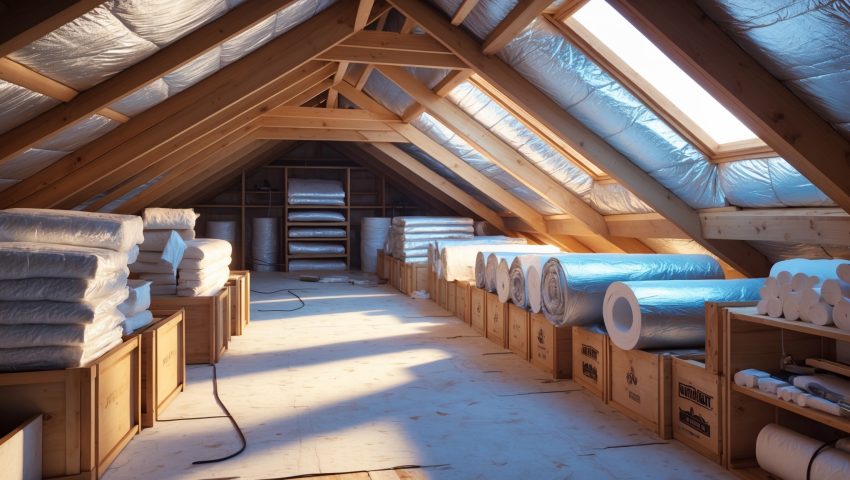
Introduction: Why Attic Insulation Is the DIY Upgrade That Pays Off—If Done Right
If you’re searching for a home improvement project that delivers tangible returns, attic insulation consistently ranks among the most cost-effective upgrades for American homeowners. A properly insulated attic can slash heating and cooling bills, improve year-round comfort, and even boost your property’s resale value. However, while the allure of saving on labor costs by going the DIY route is strong, many first-time renovators underestimate the full scope—and true expense—of insulating an attic themselves. Mistakes in material selection, budgeting, and installation can turn a money-saving plan into a costly ordeal. This comprehensive guide walks you through the detailed cost breakdown of DIY attic insulation, the materials and tools you’ll need, hidden expenses you’re likely to encounter, and common pitfalls that can sabotage your energy savings. Whether you’re tackling a drafty 1940s Cape Cod or modernizing a suburban ranch, this post arms you with the practical knowledge, step-by-step budgeting advice, and cautionary tips needed to insulate your attic with confidence and success.
Understanding the Types of Attic Insulation
Fiberglass Batts
Fiberglass batts are among the most popular choices for attic insulation. They come pre-cut to standard joist widths, making installation relatively straightforward for DIYers. However, achieving a tight fit around obstructions and irregular spaces can be challenging.
- Estimated cost: $0.40–$1.00 per square foot
- R-value (thermal resistance): Typically R-2.9 to R-3.8 per inch
- Pros: Readily available, affordable, minimal special equipment needed
- Cons: Can leave gaps if not carefully fitted, irritant to skin and lungs during installation
Blown-In (Loose-Fill) Insulation
Blown-in cellulose or fiberglass insulation is ideal for attics with lots of obstructions or irregular joist spacing. You’ll need to rent a blower machine, but it offers better coverage and air-sealing potential than batts.
- Estimated cost: $0.60–$1.50 per square foot (including machine rental)
- R-value: R-2.2 to R-3.8 per inch (cellulose tends to perform slightly better than fiberglass)
- Pros: Fills gaps and voids, good for retrofits
- Cons: Equipment rental adds to cost, messy installation, requires at least two people
Spray Foam
Spray foam insulation offers superior air sealing and the highest R-values per inch. However, it’s rarely recommended for DIY due to health risks and the complexity of proper application. Still, some homeowners use small spray-foam kits for air-sealing specific areas.
- Estimated cost: $1.50–$3.50 per square foot (DIY kits)
- R-value: R-6 to R-7 per inch
- Pros: Best for air sealing, high performance
- Cons: Expensive, challenging for large areas, safety concerns
DIY Attic Insulation: Full Cost Breakdown
1. Material Costs
- Fiberglass batts: For a 1,000 sq ft attic at R-38 (about 12 inches thick): $500–$1,000
- Blown-in cellulose: $600–$1,200 (including machine rental)
- Spray foam kits: $1,500–$3,500 (for equivalent coverage—rarely recommended for full attic DIY)
2. Tools & Equipment
- Utility knife (for cutting batts): $10–$20
- Staple gun (if needed): $15–$30
- Personal protective equipment (PPE): gloves, goggles, N95 masks—$30–$60
- Blower machine rental (for blown-in): $50–$100 (often free with large purchases from home improvement stores)
- Measuring tape/chalk line: $10–$20
- Work lights/extension cords: $20–$50
Total tools & equipment estimate: $85–$260, depending on type and quality
3. Prep and Ancillary Materials
- Air sealing supplies (caulk, spray foam cans, weatherstripping): $30–$100
- Attic baffles or vent chutes (to maintain airflow): $2–$5 each; typically $50–$100 total
- Insulation supports (for between joists): $10–$30
- Contractor trash bags/cleanup supplies: $10–$20
Total prep and ancillary materials estimate: $100–$250
4. Hidden and Overlooked Costs
- Attic access improvements (installing or upgrading pull-down stairs or hatch): $100–$300
- Temporary floor decking (for safe movement): $50–$150
- Disposal of old insulation (if needed, especially if contaminated): $100–$500
- Electrical work (if you find unsafe wiring): varies, but professional help may be required
5. Total DIY Cost Range
For a typical 1,000 sq ft attic, DIY insulation costs (including all the above) usually fall between $800 and $2,000. This is about half or less than what professional installation costs (typically $2,000–$5,000 for the same space), but DIYers must budget carefully to avoid surprises.
Potential Savings: What You Can Really Expect
According to the U.S. Department of Energy, homeowners can save 10% to 50% on heating and cooling costs by upgrading attic insulation to recommended R-values. In dollar terms, this can mean savings of $150–$700 per year, depending on your climate and energy rates. Most DIYers recoup their investment in 2–5 years—a solid return, provided the job is done correctly.
Realistic ROI Calculation Example
- Project cost: $1,200 (includes materials, tools, prep)
- Annual savings: $350 (national average for a 1,000 sq ft attic upgrade)
- Payback period: 3.4 years
After the payback period, energy savings continue to accrue as long as the insulation remains effective. Additionally, a well-insulated attic can enhance comfort in both summer and winter and may add value when selling your home.
Common Pitfalls and Mistakes to Avoid
1. Underestimating the Scope and Cost
Many DIYers neglect to factor in the price of ancillary materials, tool rentals, and safety gear. Skimping on prep work—like air sealing and installing baffles—can undermine the insulation’s effectiveness and cost you more in the long run.
2. Ignoring Air Sealing
Simply piling up insulation without first sealing attic penetrations (wiring holes, plumbing vents, ceiling light boxes) allows warm air to escape, negating much of your investment. Always air seal before insulating.
3. Blocking Attic Ventilation
Covering soffit vents or failing to install baffles can trap moisture and lead to mold, wood rot, or shingle damage. Ensure all vents are clear, and use baffles to maintain airflow from eaves to ridge.
4. Overlooking Safety Risks
Attics are hazardous environments—nail protrusions, hazardous wiring, low headroom, and extreme temperatures are common. Always use PPE, work lights, and stable walking surfaces. Never cover recessed light fixtures or electrical junction boxes with insulation unless rated for direct contact (IC-rated).
5. Misjudging Insulation Depth
To achieve the correct R-value, measure insulation depth with a ruler or gauge. Don’t rely on visual estimates—too little insulation won’t deliver promised savings, while too much can be wasteful and impact attic ventilation.
6. Failing to Address Existing Problems
Insulating over wet, moldy, or rodent-infested material won’t solve underlying issues. Remove compromised insulation and address moisture or pest problems before proceeding.
Step-by-Step DIY Attic Insulation Budgeting Guide
Step 1: Assess Your Attic
- Measure the total square footage (length x width)
- Note the type and condition of any existing insulation
- Check for moisture, mold, or pest issues
- Identify all attic penetrations and vents
Step 2: Determine Target R-Value
The U.S. Department of Energy recommends R-38 to R-60 for attics in most of the U.S. (higher in colder regions). Check your local code for specifics.
Step 3: Choose Your Insulation Type
- Batts for open, regular joist bays
- Blown-in for irregular or obstructed spaces
- Hybrid method (batts plus blown-in top layer) for best coverage
Step 4: Create a Detailed Budget
- Calculate required insulation volume (sq ft x required depth)
- List all prep materials: air sealing, baffles, fasteners
- Include equipment rental and PPE
- Add a 10–15% contingency for unexpected issues
Step 5: Shop for Materials and Schedule Your Project
- Check local home centers for bulk discounts
- Reserve equipment rentals in advance
- Plan for a cool, dry weekend to avoid attic heat stress
Sample Budget Spreadsheet (for 1,000 sq ft Attic)
| Item | Estimated Cost |
|---|---|
| Fiberglass batts (R-38) | $800 |
| Air sealing supplies | $50 |
| Attic baffles | $75 |
| PPE (masks, gloves, goggles) | $40 |
| Utility knife, staple gun | $30 |
| Work lights, extension cord | $35 |
| Temporary floor boards | $100 |
| Contingency (10%) | $113 |
| Total | $1,243 |
Regional Considerations: Climate, Code, and Utility Rebates
Climate Impact
Colder climates require higher R-values (more insulation) and will see the greatest energy savings. In hot climates, attic insulation helps reduce cooling loads but may require different strategies (e.g., radiant barriers).
Building Code Requirements
Always check with your local building department for required R-values and any permit needs. Most attic insulation jobs don’t require a permit, but exceptions exist for historic homes or major structural changes.
Utility Rebates and Incentives
Many states and utilities offer rebates for insulation upgrades. Some require pre-approval or post-installation inspection, even for DIY projects. Check DSIRE for programs in your area.
When to Call in a Pro
- Presence of asbestos, vermiculite, or other hazardous materials
- Extensive moisture or mold issues
- Unsafe or outdated electrical wiring
- Structural damage or severe pest infestations
Professional assessment or remediation may be necessary before DIY insulation can proceed safely.
Conclusion: Maximizing ROI and Comfort With Smart DIY Attic Insulation
Insulating your attic yourself is a high-impact, cost-effective upgrade—if you approach it with a clear-eyed budget and respect for the details. Understanding the full range of material and ancillary costs, accounting for safety and prep work, and avoiding common mistakes will ensure that your investment pays off in lower utility bills, better comfort, and a healthier home. Take the time to research your attic’s specific needs, shop smart for materials, and prioritize proper installation and air sealing. While the upfront effort is significant, the long-term rewards—in energy savings, improved comfort, and even increased home value—are substantial. If you encounter red flags like hazardous materials or structural issues, don’t hesitate to bring in a professional. Otherwise, with careful planning and a realistic budget, DIY attic insulation is well within reach for motivated homeowners.
Remember: The smartest home improvements deliver both immediate benefits and lasting value. With this detailed breakdown and practical guidance, you’re equipped to make attic insulation one of your most rewarding DIY victories.
The cost estimates here are helpful, but how much should I budget for safety gear and possible tool rentals beyond just the blower machine?
For safety gear like gloves, goggles, respirator, and coveralls, budget around $50–$100. Tool rentals beyond the blower, such as staple guns or utility knives, might add another $20–$40, depending on your local rates and needs.
For a first-timer, how do you recommend handling those tight spots around attic obstructions when installing fiberglass batts to avoid gaps?
Carefully cut the fiberglass batts to fit snugly around obstructions like pipes or beams. Use a utility knife and straightedge, and gently tuck pieces around these areas without compressing the insulation to maintain its effectiveness and prevent gaps.
What are some overlooked hidden expenses besides materials and blower rental that tend to surprise first-time attic insulation DIYers?
First-timers are often surprised by costs like protective gear, disposal fees for old insulation, extra trips for missing tools, and increased utility costs if insulation isn’t installed properly. Repairs for damaged wiring or ventilation issues can also add up.
How do you figure out exactly how much insulation material you need for an attic with a lot of oddly shaped spaces and obstructions?
Measure each section of the attic separately, breaking it down into rectangles or triangles where possible. Subtract the area of obstructions like chimneys or vents, then add the totals together to get your overall square footage for insulation.
When comparing fiberglass batts and blown-in insulation, how much extra time and cost should I expect if my attic has lots of irregular spaces?
If your attic has many irregular spaces, blown-in insulation will likely save you time since it fills gaps more easily, but it usually costs more for both materials and equipment rental. Expect fiberglass batts to be cheaper but much more labor-intensive in tricky areas.
If my attic has a lot of irregular spaces, is there a way to combine fiberglass batts and blown-in insulation effectively, or should I stick to just one type?
You can combine both types for better coverage in irregular spaces. Use batts for accessible, standard areas and fill hard-to-reach spots or gaps with blown-in insulation. This hybrid approach helps minimize air leaks and maximizes efficiency.
After installing new insulation, how soon should I expect to notice changes in my heating and cooling bills, and what might delay those savings?
You should typically notice lower heating and cooling bills within one or two billing cycles after installing insulation. Delays could happen if there are gaps, poor installation, or other areas of your home still losing energy.
If my attic has a lot of obstructions, would blown-in insulation still be cost-effective after accounting for blower rental, or should I consider another option?
Blown-in insulation can be challenging and less efficient with many attic obstructions, which may increase labor and blower rental time. In such cases, batt insulation or hiring a professional might be more cost-effective and ensure better coverage.
If you underestimate your attic size during budgeting, how much extra cost should you plan for in materials and equipment rentals?
If you underestimate your attic size, add 10–20% to your material and equipment rental budget as a buffer. Costs can rise quickly if you need more insulation or have to extend rental periods unexpectedly.
If my attic has a lot of obstructions and uneven joist spacing, would blown-in insulation end up costing significantly more than fiberglass batts after factoring in blower rental?
Blown-in insulation can be more expensive if your attic has many obstructions, since installation may take longer and require more material. However, for very irregular spaces, batts may need extra cutting and layering, which can also increase time and waste.
For a drafty older attic with lots of obstructions, would blown-in insulation be more cost-effective despite the equipment rental, or should I stick with fiberglass batts?
For a drafty attic with lots of obstructions, blown-in insulation usually covers gaps better and can boost energy efficiency. While equipment rental adds to the cost, the improved coverage may offset that by reducing energy bills and heat loss compared to fiberglass batts.
If I go for blown-in insulation and need to rent a blower, about how much extra should I budget for equipment and hidden costs beyond just the insulation?
Besides the insulation material, budget an extra $100 to $200 for blower rental, plus another $50 to $100 for items like protective gear, disposal bags, and possible delivery fees. Costs can vary by location and rental duration.
If I’m insulating an older attic myself, what hidden expenses should I expect besides the materials and blower rental? Does the cost of safety gear add up significantly?
Beyond materials and blower rental, you might need to budget for safety gear like masks, goggles, gloves, and disposable suits, which can add $50–$150. Also consider costs for air sealing materials, disposal bags, and possible repairs to wiring or joists.
Do you have any advice for accurately estimating how much extra material DIYers should buy to account for irregular spaces or mistakes, especially with fiberglass batts?
For fiberglass batts, it’s wise to buy 10–15% extra to cover odd-shaped spaces, fitting errors, or cutting mistakes. Measure carefully, round up room dimensions, and account for any nooks or obstacles when estimating total material needed.
You mentioned that improper installation of fiberglass batts can leave gaps—what are the best techniques or products to minimize this risk for first-timers?
To minimize gaps, carefully measure and cut fiberglass batts to fit snugly between joists, avoiding compression. Use a utility knife and straightedge for clean cuts. Gently press batts into place, making sure there are no folds or spaces around wiring and obstacles.
Are there any hidden expenses, like disposal fees or extra tools, that you don’t usually see in the initial DIY insulation budget?
Yes, hidden expenses can include tool rentals, extra safety gear, disposal fees for old insulation, and materials like sealants or fasteners. These are often missed in initial budgets, so it’s wise to account for them before starting.
You mention that gaps are a big issue with fiberglass batts—do you have any tips for getting a tight fit in attics with awkward corners or lots of wiring?
For tricky attic areas, carefully cut fiberglass batts to size with a utility knife, making sure they fit snugly around obstacles. Split the batt to tuck insulation behind wires and pipes, and avoid compressing the material to maintain its effectiveness.
Is it really worth trying blown-in insulation myself if my attic has lots of wiring and pipes, or should I stick to fiberglass batts even if the fit won’t be perfect?
Blown-in insulation works well around wiring and pipes, sealing gaps better than batts. However, it can be tricky to install safely with lots of obstructions. If you’re not comfortable working around wires and pipes, professional installation is safer.
If my attic has a lot of odd-shaped corners and wiring, would blown-in insulation work better than batts in terms of avoiding gaps?
Blown-in insulation is usually better for attics with odd-shaped corners and lots of wiring because it can fill small gaps and hard-to-reach spaces more effectively than batts, helping to prevent uninsulated areas.
For an attic with a lot of oddly shaped joists and wiring, is there a clear advantage to blown-in insulation over fiberglass batts when it comes to long-term energy savings?
Blown-in insulation usually provides better coverage around irregular joists and wiring, reducing gaps and air leaks. This can improve long-term energy savings compared to fiberglass batts, which may struggle to fit tightly in complex attic layouts.
You mention hidden expenses—what kinds of unexpected costs have you run into when doing attic insulation yourself, aside from the obvious material and tool purchases?
Some less obvious expenses include renting safety equipment, disposing of old insulation, fixing minor damage you uncover, sealing air leaks, and higher utility bills if the job isn’t done perfectly right away. Travel for supplies and extra trips can also add up.
For an older home like my 1940s Cape Cod, is one type of insulation better at dealing with irregular attic framing and drafty spots than the others you mentioned?
For irregular framing and drafty areas in older homes, blown-in cellulose is often a good choice because it fills gaps and unusual spaces better than batts. Spray foam also works well for sealing drafts but tends to be more expensive.
If my attic has old, uneven joists with lots of wires and pipes, would fiberglass batts still work, or is blown-in insulation safer for a first-timer?
With old, uneven joists and lots of obstacles, blown-in insulation is usually safer and easier for beginners, since it fills gaps better and goes around wires and pipes more easily than fiberglass batts, which need precise cutting.
The article mentions hidden expenses—can you give examples of what those often are beyond just materials and blower rental fees?
Hidden expenses often include safety gear like masks and gloves, disposal fees for old insulation, extra tools if you run into unexpected issues, sealing air leaks, and potentially higher energy bills if mistakes lead to poor installation.
If my attic has weird shapes and lots of wiring, is it really worth trying to do fiberglass batts myself, or should I consider a different type from the start?
For attics with unusual shapes and extensive wiring, fiberglass batts can be tough to install well. You might find blown-in insulation or spray foam easier to fit around obstacles, offering better coverage and fewer gaps.
When budgeting for a DIY attic insulation job, are there any hidden costs besides materials and blower rental that most people overlook?
Yes, people often overlook costs like safety gear, disposal fees for old insulation, sealing air leaks, unexpected repairs, and transportation for bulky materials. Also, extra tools or supplies like utility knives, tape, or ladders may be needed.
How do I estimate the total cost for blown-in insulation, including the blower rental and any hidden expenses you mention?
Start by calculating the square footage of your attic and the depth of insulation you need. Multiply this by the cost per bag of insulation, then add the blower rental fee—usually charged daily. Remember to include extras like protective gear, sealing materials, and disposal costs for old insulation.
If I’m insulating a 1940s Cape Cod attic, should I be worried about gaps with fiberglass batts, or is there a trick to getting a tight fit around all the obstructions?
Gaps are a common issue with fiberglass batts, especially in attics with lots of obstructions like those in a 1940s Cape Cod. Cut batts carefully to fit snugly and use unfaced pieces to fill odd spaces for a tighter seal.
How much extra should I budget for hidden expenses like equipment rental or safety gear when insulating my attic myself?
For hidden expenses, it’s wise to set aside an extra 10–20% of your project budget. This covers things like equipment rentals (blowers, ladders), safety gear, and unexpected materials you may need.
If I use fiberglass batts, how do I avoid leaving gaps around wires and pipes in my old attic?
To avoid gaps around wires and pipes, carefully cut the fiberglass batts to fit snugly around these obstacles. You can split the batt to fit over wires or notch it around pipes, making sure there are no compressed or empty spaces.
For a first-time DIYer, would you recommend starting with fiberglass batts or blown-in insulation for a drafty, older home?
For a first-time DIYer, fiberglass batts are usually easier to handle and install than blown-in insulation. They require less specialized equipment and make it simpler to spot and fix gaps, which is helpful in drafty, older homes.
The article mentions hidden expenses with DIY insulation—do you have specific examples of unexpected costs people commonly overlook when budgeting for attic projects?
People often overlook costs like renting or buying special equipment, safety gear, disposing of old insulation, sealing air leaks, and correcting any wiring or ventilation issues found during the project. These can add up beyond basic material expenses.
Could you elaborate on how to properly fit fiberglass batts around electrical wiring and uneven joist spaces to avoid leaving gaps?
To fit fiberglass batts around wiring, split the batt so half goes behind and half in front of the wire. For uneven joist spaces, cut batts to fit snugly without compressing them, filling gaps with small pieces for complete coverage.
If I start insulating my 1940s Cape Cod attic and discover old insulation that looks damaged, should I remove it or add new material on top?
If the old insulation looks damaged, especially if it’s wet, moldy, or contains pests, it’s best to remove it before adding new insulation. Covering damaged material can trap moisture and worsen problems over time.
If I only have weekends free, how long should I realistically budget for installing fiberglass batts myself in a 1200-square-foot attic?
For a 1200-square-foot attic, expect the installation to take 2 to 3 weekends if you’re working solo and allowing time for prepping, placing the batts, and cleanup. Factors like attic accessibility and obstacles can affect this estimate.
Could you give more details about the hidden expenses you mentioned? Are there common costs first-time DIYers like me tend to miss when budgeting for attic insulation?
Some hidden expenses include renting specialized equipment like blowers, buying protective gear, sealing air leaks, and disposing of old insulation. Many first-timers also overlook costs for additional materials, such as weatherstripping and unexpected repairs uncovered during the project.
You mention fiberglass batts can leave gaps if not fitted right—any tips for getting a tight seal in awkward attic corners or around wiring?
To get a tight seal with fiberglass batts, gently split the batt to fit around wiring instead of compressing it. For corners or odd spaces, cut pieces to fit snugly rather than stuffing. Always avoid gaps and don’t compress the insulation too much.
Do you have any advice for handling insulation around recessed lighting or electrical wires in the attic that could be a fire hazard?
When insulating near recessed lighting or electrical wires, use insulation rated safe for contact with these elements, like IC-rated fixtures. Keep insulation a few inches away from non-IC-rated lights and avoid compressing it around wires to prevent overheating.
How much extra should I budget for hidden expenses, like rental equipment for blown-in insulation, that might not be obvious at first glance?
It’s wise to budget an extra 10–20% of your material costs for hidden expenses. Rental equipment, safety gear, disposal bags, and miscellaneous tools can add up quickly, so adding this buffer helps cover those unplanned items.
You mention hidden expenses with DIY attic insulation—can you give examples of what those might be besides tool rental?
Hidden expenses can include extra insulation material for mistakes, disposal fees for old insulation, protective gear like masks and gloves, unexpected repairs to damaged wiring or joists, and increased utility costs if the insulation is installed incorrectly.
How long does it typically take a first-timer to complete attic insulation, including prep and cleanup, and are there any common scheduling surprises to watch out for?
A first-timer usually needs 1 to 2 full days for attic insulation, covering prep, installation, and cleanup. Delays often happen from moving stored items, discovering air leaks, or needing extra trips to the store for materials or tools.
You mentioned hidden expenses with DIY attic insulation—could you give examples of unexpected costs that first-time buyers often overlook?
First-time buyers often miss costs like renting specialized tools, extra safety gear, waste disposal fees, and sealing air leaks before installing insulation. You might also encounter higher utility bills if mistakes cause air leaks or moisture problems.
The article mentions hidden expenses for DIY attic insulation—can you share examples of these unexpected costs and how much they might add to the project budget?
Unexpected costs can include renting or buying safety gear, disposing of old insulation, purchasing extra tools, repairing attic damage, or sealing air leaks. These expenses can add anywhere from $100 to $700 or more, depending on your attic’s condition.
Could you give more detail on how to handle insulating attics in older homes with really irregular joist spacing?
For older homes with irregular joist spacing, use unfaced or loose-fill insulation, which can be cut or blown in to fit odd spaces. Carefully measure each cavity, cut batts to fit tightly, and seal gaps with spray foam for the best coverage.
Can you provide more insight into the hidden expenses DIYers often overlook when insulating an attic, particularly with blown-in insulation?
DIYers often overlook costs like renting or buying a blower machine, purchasing protective gear, sealing air leaks before insulating, disposal fees for old insulation, and extra material needed due to settling or miscalculations. These expenses can add up quickly.
When insulating an older attic, are there any hidden expenses you commonly see homeowners overlook beyond just materials and tools?
Homeowners often overlook costs like renting equipment, disposing of old insulation, sealing air leaks, hiring an electrician to move wiring, and increased energy bills if mistakes are made. Some also forget about safety gear and potential pest removal.
Can you clarify if there are specific hidden expenses I should budget for beyond just materials and blower rental when using blown-in insulation?
Yes, besides materials and blower rental, you should also budget for safety gear, disposal bags, air sealing supplies, and potentially some attic repairs or lighting. Unexpected costs can also arise if you discover damaged wiring or ventilation issues.
Does the estimated per-square-foot cost for fiberglass batts include things like vapor barriers and fasteners, or should I budget extra for those materials separately?
The estimated per-square-foot cost for fiberglass batts in the article covers just the insulation itself. You should budget separately for vapor barriers, fasteners, and any other necessary installation materials.
Could you offer a ballpark figure for the total hidden costs a first-time DIYer might not expect when insulating a 1,000-square-foot attic?
A first-time DIYer might face $300 to $700 in hidden costs for things like tool rentals, safety gear, disposal fees, and unexpected repairs. These are often overlooked but can significantly impact your total project budget.
If my attic has a lot of weird corners and wires, would blown-in insulation really work better than fiberglass batts, or is it just more expensive overall?
Blown-in insulation is usually better for attics with odd shapes, corners, and lots of obstructions because it fills gaps more easily than fiberglass batts. It may cost more upfront, but it can lead to better coverage and improved energy efficiency.
If my attic has a bunch of weird corners and supports, would blown-in insulation be way better than fiberglass batts, or is there a way to make batts work in that situation?
Blown-in insulation is usually much easier to install around odd corners and supports since it fills gaps more evenly. Fiberglass batts can work if you carefully cut and fit them, but it’s more time-consuming and may leave gaps.
Can you explain how to tell if fiberglass batts have been installed tightly enough to avoid gaps that might reduce efficiency?
Fiberglass batts should fit snugly against the joists and fill the cavity without being compressed. Check for visible gaps, folds, or spaces where air could flow through—these areas should be filled or adjusted for maximum efficiency.
How do you figure out if your attic has enough R-value after adding new insulation, especially if it already has some old materials in place?
To check your attic’s total R-value, add the R-value of the new insulation to the estimated R-value of the existing material. Most insulation packaging lists R-values, and you can estimate the old material’s value by its type and thickness.
Once insulation is installed, how soon can I expect to see changes in my heating and cooling bills, and is there a typical timeframe for those savings to show up?
You should start noticing changes in your heating and cooling bills within one or two billing cycles after installing insulation, as your home’s energy efficiency improves right away. Seasonal changes may affect exactly when you see the most significant savings.
What hidden expenses should I budget for besides just buying the insulation material and renting a blower?
Be sure to budget for protective gear, air sealing supplies, disposal of old insulation, additional attic lighting, and possible repairs to wiring or ventilation discovered during the project. Unexpected costs often arise when prepping or cleaning up.
If I realize midway that I missed a few drafts or gaps, is there an easy way to fix those spots without having to redo the whole attic?
Yes, you can fix missed drafts or gaps by sealing them individually with caulk or spray foam. Just target the specific areas you missed rather than redoing all the insulation.
How accurate is the $0.40–$1.00 per square foot estimate for fiberglass batts after accounting for things like protective gear and air sealing materials?
The $0.40–$1.00 per square foot estimate usually covers just the fiberglass batts. Once you add protective gear and air sealing materials, your total cost per square foot will likely be higher, sometimes reaching $1.50 or more.
Can you give a ballpark estimate of how much I should set aside in my budget for hidden costs, like tool rentals or protective gear, that aren’t obvious at first?
For hidden costs like tool rentals and protective gear, it’s wise to budget an extra $100 to $300. This should cover basic tools, safety masks, gloves, and possible small equipment rentals you might need during your attic insulation project.
If I have a mix of old blown-in insulation and some exposed joists, is it better to add fiberglass batts over the top or stick with more blown-in material?
In most cases, adding more blown-in insulation is better because it fills gaps and covers irregular surfaces more effectively. Fiberglass batts can leave air pockets when installed over uneven or old insulation.
I have a 1950s house with uneven joist spacing—would batts be a huge hassle compared to loose-fill, or is it still manageable for a DIYer?
With uneven joist spacing, installing batts can be tricky because you’ll likely need to trim them to fit each bay. Loose-fill is often easier in these situations, as it fills irregular spaces more evenly with less cutting.
Do you have any tips for figuring out the actual square footage of odd-shaped or cluttered attics before buying insulation materials?
Measure each distinct section of your attic separately, breaking irregular shapes into rectangles or triangles. Add up the areas, and subtract spaces taken up by major obstructions. A laser measurer can help in tight or cluttered spots.
I’m worried about hidden expenses—are there common budget surprises when insulating an attic that the article suggests first-timers usually miss?
Yes, the article points out that first-timers often overlook costs like renting special equipment, disposing of old insulation, buying safety gear, and sealing air leaks before installing new insulation. These can add up quickly if not planned for.
Could you explain more about the hidden expenses mentioned in DIY attic insulation? What are some common costs people forget to include in their budget?
Some common hidden expenses include renting or buying special equipment like insulation blowers, safety gear, disposal bags for old insulation, and air sealing materials. Many also forget to budget for repairs to vents, wiring, or minor structural fixes uncovered during the project.
Could you break down what hidden expenses I should look out for when renting the blower machine for loose-fill insulation?
When renting a blower machine, watch for additional charges like mandatory deposits, extra time fees if you exceed the rental period, costs for extension cords or hoses, and possible cleaning fees if the machine isn’t returned in good condition.
How do hidden expenses, like renting a blower machine for loose-fill insulation, typically compare to the upfront material costs for a project like this?
Hidden expenses like blower machine rental can add $50 to $100 or more to your project, which might be 10–20% of the total material cost depending on attic size and insulation type. These costs can noticeably affect your overall budget.
You mentioned renting a blower machine for loose-fill insulation. About how much does the equipment rental add to the total project cost for a medium-sized attic?
For a medium-sized attic, renting a blower machine typically adds $50 to $100 to your project cost for a 24-hour period. Some retailers even offer free rental if you buy a certain amount of insulation.
For a home with a lot of irregular spaces, would you recommend blown-in insulation over fiberglass batts even if my budget is tight?
For homes with many irregular spaces, blown-in insulation often provides better coverage and energy efficiency than fiberglass batts, even if it’s slightly more expensive. If your budget is tight, compare material costs and consider renting equipment to keep expenses down.
How much time should I realistically set aside to insulate an average-size attic by myself, considering prep and clean-up?
For an average-size attic, plan for about 1 to 2 full days to complete insulation, including preparation and clean-up. This can vary depending on your attic’s accessibility and your experience, so giving yourself a weekend is a safe bet.
You mention hidden expenses for DIY attic insulation—could you specify what kinds of unexpected costs homeowners typically encounter besides materials and blower rentals?
Homeowners often face extra costs like safety gear, disposal fees for old insulation, air sealing materials, unexpected repairs to wiring or vents, and sometimes even costs for professional inspections or permits depending on local regulations.
For older homes with lots of obstructions, is blown-in insulation really worth the added hassle of renting equipment compared to just struggling with batts?
Blown-in insulation can be much easier to install around obstructions in older homes than batts, providing better coverage and air sealing. The hassle of renting equipment is often offset by improved results and long-term energy savings.
How much time should I realistically budget for a DIY attic insulation project, considering potential mistakes or the need to fix gaps with fiberglass batts?
For most homeowners, installing fiberglass batts in an attic typically takes one to two days, depending on attic size and experience. If you need to fix gaps or correct mistakes, add several extra hours to your schedule for thorough inspection and adjustments.
If my attic has a weird layout with lots of wires and pipes, is it really worth trying batts or should I stick with blown-in insulation?
With lots of wires and pipes in a tricky layout, blown-in insulation is usually easier to install and fills gaps better than batts. Batts can be hard to fit around obstacles, so blown-in often leads to more effective coverage.
If my attic has a lot of obstructions, would blown-in insulation really be more cost-effective overall once I factor in blower rental and cleanup, or should I still consider batts?
With many obstructions, installing batts can be tedious, but blown-in insulation might lead to higher costs due to blower rental and extra cleanup. In these cases, batts could still be the better choice for easier installation and less mess.
Do you have any tips for making fiberglass batts fit tightly around HVAC equipment and wiring to avoid energy loss, especially in attics with lots of obstructions?
To ensure a snug fit around HVAC equipment and wiring, carefully cut batts to fit the space, using a utility knife. Gently split or notch the batt to fit around wires or pipes, but avoid compressing the insulation, as this reduces its effectiveness.
When budgeting for DIY attic insulation, what hidden expenses tend to catch homeowners off guard aside from just the cost of materials and blower rental?
Homeowners are often surprised by extra costs like safety gear, disposal of old insulation, air sealing supplies, permits, and repairs for damaged wiring or joists discovered during the project. These can add up quickly beyond your initial estimate.
If you run into gaps when installing fiberglass batts, what are the best methods or materials to seal those areas and still maintain a good R-value?
For small gaps between fiberglass batts, use unfaced fiberglass or mineral wool scraps to fill them tightly. For larger gaps around pipes or framing, expanding spray foam or caulk works well, but avoid compressing the insulation to maintain its R-value.
If gaps are left when installing fiberglass batts, what are the most effective ways to correct those mistakes without redoing the entire project?
You can fill small gaps with unfaced fiberglass scraps or insulation-specific spray foam. For larger gaps, carefully cut and fit new pieces of batt insulation to fill the voids snugly. Always ensure a tight fit without compression.
For an older house with lots of irregular attic spaces, would you say blown-in insulation is worth the extra hassle and rental cost compared to batts?
Blown-in insulation is usually a better fit for older homes with irregular attic spaces, as it fills gaps more effectively than batts. The added rental cost and effort often pay off in better coverage and energy efficiency.
How much should I budget for renting a blower machine if I want to try the blown-in insulation method for my attic?
You should budget around $50 to $100 per day to rent a blower machine for blown-in insulation. Some retailers may offer free blower rental if you purchase a minimum amount of insulation from them.
The blown-in insulation sounds effective, but how much should I budget for blower machine rental overall if my attic is around 1,000 square feet?
For an attic of about 1,000 square feet, blower machine rentals typically cost $50 to $100 per day. Many home improvement stores provide free machine rental if you purchase a minimum amount of insulation from them, so be sure to ask.
Can you break down which hidden expenses tend to surprise DIYers most when insulating an attic, especially for those with older homes like a 1940s Cape Cod?
DIYers are often surprised by costs like renting or buying safety gear, disposing of old insulation, fixing wiring or ventilation issues uncovered during prep, and addressing air leaks or moisture problems—especially common in older homes like your 1940s Cape Cod.
The article mentions fiberglass batts can be tricky around obstructions—how do you recommend handling areas with lots of wires and pipes?
For areas with wires and pipes, gently split the fiberglass batt and lay it around the obstruction without compressing it. Ensure the insulation fits snugly but doesn’t get squashed, which can reduce its effectiveness.
For a ranch-style house with lots of wiring and pipes in the attic, would you say blown-in insulation is worth the hassle of renting a blower compared to just dealing with potential fitting issues using batts?
Blown-in insulation is often easier to install around wiring and pipes, creating better coverage in tricky spaces. While renting a blower adds effort, it usually results in fewer gaps and better overall insulation performance than trying to fit batts around obstructions.
What are the most common installation mistakes you see first-timers make with attic insulation that end up reducing energy savings later on?
Common mistakes include not sealing air leaks before adding insulation, compressing insulation so it loses effectiveness, leaving gaps or uneven coverage, and blocking attic ventilation. These errors can significantly reduce your energy savings over time.
Does the article break down how much extra time or money you should plan for if your attic has non-standard joist spacing or lots of obstacles?
The article mentions that non-standard joist spacing and attic obstacles can increase both time and costs but does not provide specific estimates. It suggests you should expect to spend more on materials and labor when these challenges are present.
If I accidentally leave small gaps during installation, how much will that impact my heating and cooling savings in the long run?
Even small gaps in attic insulation can significantly reduce energy savings, as air can leak through them. This makes your heating and cooling systems work harder, increasing long-term energy costs. Sealing all gaps properly is important for maximum efficiency.
How do you recommend homeowners estimate the true total cost when factoring in unexpected expenses like renting equipment or fixing small air leaks during DIY attic insulation?
Homeowners should add a contingency of about 10–20% to their materials budget for unexpected expenses. Research rental costs for equipment and set aside extra funds for supplies like sealant or caulk to address air leaks as they come up.
Can you share any tips for making sure I don’t miss hidden gaps or leave cold spots when installing fiberglass batts myself?
To avoid hidden gaps and cold spots, make sure batts fit snugly without being compressed. Pay extra attention around wiring, plumbing, and corners. Fill small gaps with scrap insulation or low-expanding spray foam for a thorough seal.
If you make a mistake during installation and create gaps with fiberglass batts, is it possible to fix them later without pulling out all the insulation?
Yes, you can usually fix gaps by gently lifting the affected fiberglass batts and repositioning them, or by adding small pieces to fill in the gaps. There’s no need to remove all the insulation unless it’s severely misaligned.
After installation, how soon should I expect to see a noticeable difference in heating or cooling bills, and are there signs I did something wrong if savings don’t show up quickly?
You should typically notice lower heating or cooling bills within one or two billing cycles after installing attic insulation. If savings aren’t apparent, check for gaps, compressed insulation, or air leaks, which can reduce effectiveness.
Do you have any advice for getting a tight fit with fiberglass batts around attic trusses and wires without leaving gaps that reduce energy efficiency?
To achieve a snug fit, carefully cut fiberglass batts to size using a utility knife. Split the batts lengthwise to fit around wires and trim around trusses. Press batts gently into place without compressing them to maintain their insulating value.
When budgeting for blown-in insulation, how much should I expect to spend on renting the blower machine along with the materials?
For blown-in insulation, you can expect to spend about $40–$100 per day renting the blower machine. Most major retailers will offer free machine rental if you buy a minimum amount of insulation, so check for those deals when budgeting.
The article mentions boosting resale value—do buyers actually care about attic insulation when looking at homes in the US?
Many buyers in the US do care about attic insulation, especially as it relates to energy efficiency and utility costs. Well-insulated attics can make a home more attractive by promising lower heating and cooling expenses.
For a drafty 1940s Cape Cod, is it more practical to use fiberglass batts or blown-in insulation considering all the odd spaces mentioned?
For a drafty 1940s Cape Cod with many odd spaces, blown-in insulation is usually more practical. It fills gaps and irregular areas better than fiberglass batts, which can leave air leaks in hard-to-reach spots.
For someone tackling a drafty 1940s Cape Cod, what hidden expenses should I watch out for when budgeting for DIY attic insulation?
When insulating an older Cape Cod attic, unexpected costs may include repairing damaged wood, updating electrical wiring, sealing air leaks, disposing of old insulation safely, and renting special equipment. Be sure to factor these into your budget.
If I have a 1940s Cape Cod, are there specific pitfalls or challenges I should expect during installation that might not apply to newer homes?
With a 1940s Cape Cod, you may face challenges like limited attic access, existing knob-and-tube wiring, or minimal ventilation. Unusual roof angles and older building materials can also make insulation trickier compared to newer homes.
If my attic has lots of odd angles and wiring, would blown-in insulation be less hassle than fiberglass batts, or does that come with its own complications?
Blown-in insulation can be easier for attics with odd angles and wiring, as it fills gaps better than batts. However, you’ll need special equipment and it can get messy, so proper prep and safety gear are important.
If I’m insulating the attic of a 1940s Cape Cod with a lot of weird corners, is blown-in insulation really worth the hassle of renting a machine, or should I struggle with fitting fiberglass batts?
For a 1940s Cape Cod with irregular corners, blown-in insulation usually fills gaps better than fiberglass batts, despite the hassle of renting a machine. It reduces cold spots and air leaks, especially in hard-to-reach spaces common in older homes.
What steps should I take to ensure I don’t accidentally leave gaps when fitting fiberglass batts, especially around oddly shaped areas?
To avoid gaps with fiberglass batts, gently press the insulation into place without compressing it. Trim batts with a utility knife to fit around obstacles and fill small spaces with leftover pieces, ensuring the insulation stays snug against framing.
You mentioned hidden expenses with DIY attic insulation—could you give examples of what unexpected costs homeowners often forget to budget for?
Homeowners often overlook costs like renting specialized equipment, purchasing safety gear, disposing of old insulation, fixing any attic damage found during the project, and increased energy bills if insulation is not installed correctly.
Do the hidden expenses mentioned in the article usually come up for older attics, like in a 1940s Cape Cod, or should I budget extra no matter the house age?
Hidden expenses are more likely with older attics like those in a 1940s Cape Cod due to outdated wiring or structural issues. However, it’s smart to budget extra regardless of your home’s age, as surprises can happen in any attic.
If my attic already has some old fiberglass batts, is it better to add new batts or switch to blown-in for better coverage?
If your attic has old fiberglass batts, adding blown-in insulation on top is often better for filling gaps and getting more even coverage. Just make sure the existing batts are still dry and in good condition before adding more insulation.
For a first-timer, how do you figure out if blown-in insulation is worth the extra hassle of renting the machine compared to just using fiberglass batts?
Compare the R-values, your attic’s layout, and ease of installation. Blown-in insulation covers uneven spaces better and can offer higher energy savings, but renting the machine adds cost and effort. For simple attics, fiberglass batts are quicker and easier to install.
For a 1,500 square foot attic, do you have a ballpark estimate of total DIY costs including hidden expenses like blower rental and protective gear?
For a 1,500 square foot attic, DIY insulation typically costs $1,200 to $2,500. This includes materials, blower rental (about $50–$100), and safety gear ($50–$150). Costs vary based on insulation type and your attic’s condition.
Is there a big difference in long-term energy savings between fiberglass batts and blown-in cellulose, especially if my attic has a lot of weird corners and obstructions?
Blown-in cellulose typically provides better coverage in attics with many corners and obstructions, which can lead to better air sealing and potentially higher energy savings compared to fiberglass batts in those spaces.
About the hidden expenses you mentioned—could you list some examples that most DIYers like me don’t usually budget for when insulating the attic?
Some hidden expenses DIYers often miss include renting or buying safety gear, disposing of old insulation, sealing air leaks, repairing damaged rafters, and buying extra tools for tricky spots. Travel costs for extra trips to the hardware store can also add up.
If I mess up installing the insulation the first time, what are my options for fixing gaps or compressions without redoing the whole attic?
You can patch gaps by adding extra insulation in those spots and gently fluffing compressed areas to restore thickness. Spot-fixing is usually fine as long as the overall coverage is even and there are no major gaps left.
When installing fiberglass batts as a DIYer, how do you recommend dealing with lots of wiring and odd-shaped spaces to avoid leaving gaps and losing efficiency?
Carefully cut fiberglass batts to fit around wires and irregular spaces, splitting or notching the batts as needed. Gently tuck the insulation without compressing it, ensuring there are no gaps or voids that could reduce effectiveness.
If my attic has a lot of odd corners and wires, would blown-in insulation be worth the extra hassle of renting the machine compared to using batts?
Blown-in insulation is often better for attics with odd corners and obstacles because it fills gaps more effectively than batts. While renting the machine adds a step, the improved coverage can make it worth the effort in challenging spaces.
You mentioned hidden expenses with DIY attic insulation—what are some unexpected costs that usually catch first-timers off guard?
Unexpected DIY attic insulation costs often include tool rentals, extra safety gear, debris disposal fees, unexpected repairs for damaged wiring or ventilation, and buying more insulation than planned due to miscalculations.
If I have an older Cape Cod home with irregular joist spacing, would blown-in insulation be significantly more cost-effective than batts in terms of both labor and material?
With irregular joist spacing in a Cape Cod home, blown-in insulation can be more cost-effective than batts. It fills uneven spaces more easily, saving on labor time and reducing material waste compared to cutting batts to fit odd gaps.
Is there a particular type of attic where DIY insulation usually becomes more trouble than it’s worth for a first-timer?
Yes, attics with complex layouts, limited access, or existing moisture or wiring issues are typically challenging for first-time DIY insulation. In these cases, professional help is often safer and more effective than trying to handle it yourself.
For a first-timer, how tricky is it to get a tight fit with fiberglass batts around things like wiring or pipes, and what happens if there are small gaps?
Getting a snug fit with fiberglass batts around wiring or pipes can be a bit challenging for beginners. Small gaps can reduce insulation effectiveness, letting heat escape and possibly causing drafts. Carefully split or trim the batts to fit around obstacles for better coverage.
The article mentions hidden expenses—could you give examples of what unexpected costs might come up while insulating an older attic?
Unexpected costs in older attics can include repairing damaged rafters, replacing old wiring, dealing with mold or pests, sealing air leaks, or needing extra materials if the attic’s structure is irregular or has hard-to-reach areas.
If my attic has a lot of wires and vents, would fiberglass batts be a bad idea compared to blown-in insulation because of the gaps mentioned?
Fiberglass batts can leave gaps around wires and vents, which reduces insulation effectiveness. Blown-in insulation is better at filling irregular spaces, so it’s generally a better choice for attics with lots of obstructions.
Do you have any advice on calculating the total cost when accounting for things like blower rental and safety gear that DIYers might forget to budget for?
When estimating your total DIY attic insulation costs, make a list of all materials plus extras like blower rental, safety goggles, masks, gloves, and any attic prep supplies. Add a buffer for unexpected expenses to get a more accurate total.
If my attic has a mix of open joist bays and odd nooks, is it possible or advisable to combine batts and blown-in insulation, or should I stick with just one type?
You can definitely combine batts and blown-in insulation. Use batts for open joist bays where they fit neatly, and blown-in insulation for filling odd nooks and hard-to-reach spaces to get full coverage and better energy efficiency.
If I have a finished attic with existing fiberglass batts but notice cold spots, is it possible to add blown-in insulation on top, or do I need to remove the old batts first?
You can add blown-in insulation over existing fiberglass batts, as long as the batts are dry and in good condition. Just make sure not to compress the fiberglass, and seal any air leaks before adding new insulation.
You mentioned fiberglass batts can leave gaps if not fitted carefully. Is there a way to check for air leaks after installation, or a recommended method to seal them up?
You can check for air leaks by feeling for drafts or using a smoke pencil near seams and edges. To seal gaps, use expanding spray foam or caulk around fixtures, pipes, and where insulation meets framing.
After factoring in the cost to rent a blower for loose-fill insulation, does the overall price still usually come out cheaper than hiring a pro?
Even when you include the cost to rent a blower, DIY loose-fill insulation is typically still less expensive than hiring a professional. However, your exact savings depend on local labor rates, rental fees, and the size of your attic.
Is it harder to achieve proper R-value in attics with irregular joist spacing if I use fiberglass batts versus blown-in insulation?
Yes, it’s generally harder to achieve consistent R-value with fiberglass batts in attics that have irregular joist spacing. Blown-in insulation fills gaps and odd spaces more easily, reducing cold spots and improving overall coverage.
You mentioned pitfalls with improper material selection—could you give examples of common mistakes homeowners make when picking the insulation type for older homes?
Homeowners often choose fiberglass batts that don’t fit irregularly shaped spaces in older homes, leaving gaps. Others might use vapor barriers incorrectly or select insulation with the wrong R-value, which reduces effectiveness and can cause moisture problems.
How do you figure out the right R-value for your region so you don’t over- or under-insulate when choosing between fiberglass batts and blown-in options?
To find the right R-value for your area, check recommendations from the U.S. Department of Energy based on your climate zone. You can usually find this info on energy efficiency websites or by contacting your local building authority.
If you’ve already insulated part of the attic with fiberglass batts, is it possible to add blown-in insulation on top, or would that cause issues?
You can add blown-in insulation on top of fiberglass batts as long as the batts are dry and properly installed. Just avoid compressing the batts, and make sure any air leaks are sealed before adding more insulation.
How much extra should I budget for safety gear and tool rentals if I pick blown-in insulation instead of fiberglass batts?
For blown-in insulation, plan to budget an extra $50 to $100 for safety gear like masks, goggles, and gloves. Tool rental for a blower usually costs $50 to $100 per day if not included with your insulation purchase.
Do you have any advice on setting a realistic DIY budget when factoring in hidden expenses like tool rental or unexpected repairs?
When budgeting for DIY attic insulation, add a buffer of at least 15-20% for unexpected expenses like tool rentals or minor repairs. Make a checklist of materials, potential tool needs, and inspect your attic first for any issues that might need fixing.
You mention pitfalls for first-timers—what are the most common mistakes that end up costing more in the long run, and how can I avoid them before I get started?
Common costly mistakes include underestimating material needs, compressing or misplacing insulation, not sealing air leaks first, and neglecting safety gear. Avoid these by measuring accurately, sealing gaps, following installation guidelines, and using proper protective equipment.
If fiberglass batts can irritate your skin and lungs, are there recommended safety precautions or gear I should definitely have before starting this as a DIY project?
Absolutely, you should wear long sleeves, gloves, safety goggles, and a quality dust mask or respirator to protect your skin, eyes, and lungs when installing fiberglass batts. Also, ventilate the area well and wash up thoroughly afterward.
On older homes with irregular attic spaces, is there a big risk of leaving gaps if you try to use fiberglass batts, and how do you work around that as a DIYer?
Yes, in older homes with irregular attic spaces, using fiberglass batts can easily leave gaps, reducing insulation effectiveness. To work around this, carefully cut batts to fit odd shapes, press them snugly into place, and consider using loose-fill insulation for tricky areas.
My attic has a lot of weird nooks and wiring—does fiberglass batt insulation still make sense, or will I end up losing most of the energy savings?
Fiberglass batt insulation can be tough to fit around odd nooks and wiring, which may leave gaps and reduce its effectiveness. You might see better energy savings with blown-in or spray foam insulation, which fill spaces more completely.
I have a drafty 1950s split-level—what should I watch out for when deciding between batts and blown-in insulation to avoid costly mistakes?
With older split-level homes, make sure to check for uneven joist spacing and obstructions; batts can leave gaps, while blown-in insulation fills irregular spaces better. Also, seal air leaks first to maximize effectiveness and avoid future drafts.
Do you have any advice on accurately estimating the hidden expenses for a DIY blown-in insulation project, like renting equipment or disposing of old materials?
Be sure to factor in equipment rental fees, delivery charges, extra insulation for miscalculations, protective gear, and disposal costs for old insulation. Calling local rental shops and waste facilities can give you more precise numbers for your area.
You mention pitfalls with material choice—how do I know if my old attic needs additional prep before I start insulating?
Check your attic for old insulation condition, moisture, mold, air leaks, and electrical issues first. If you find any damage or suspect pests, handle those before adding new insulation to avoid future problems.
If I need to rent a blower machine for blown-in insulation, about how long does the rental typically take for a standard suburban attic?
For a standard suburban attic, you’ll usually need the blower machine for about four to six hours. Most rental places offer half-day or full-day rates, so half a day is often enough for this size project.
If I run into gaps with fiberglass batts around odd-shaped spaces, is there a best practice for sealing them without switching to blown-in completely?
You can fill gaps around odd-shaped spaces by using unfaced fiberglass insulation scraps, carefully stuffing them into the spaces by hand. For small or tricky gaps, low-expansion spray foam works well to seal and insulate without switching to blown-in insulation.
For an older attic with lots of wiring and odd-shaped joists, would blown-in cellulose be safer than fiberglass batts, or does that introduce other problems DIYers might miss?
Blown-in cellulose can better fill gaps around odd joists and wiring, but you must be careful to avoid covering junction boxes or overheating wires. Fiberglass batts make wiring inspection easier but can leave gaps. Both methods have safety considerations for DIYers.
How much should I budget for hidden costs like renting a blower machine or buying protective gear if I go with the blown-in method?
For blown-in insulation, renting a blower machine typically costs $50 to $100 per day. Protective gear like masks, goggles, and coveralls may add $30 to $60. Budget an extra $80 to $160 for these hidden costs.
What are some common mistakes first-timers make with insulation installation that end up costing more in the long run, and how can I avoid them?
Common mistakes include compressing the insulation, leaving gaps, blocking vents, or using the wrong R-value. To avoid extra costs, follow manufacturer instructions closely, measure carefully, and make sure to maintain ventilation for proper airflow.
You mentioned common mistakes can lead to extra expenses—what are some warning signs during installation that something is going wrong before it costs me more to fix?
Watch out for uneven insulation coverage, gaps around pipes or lights, compressed or soggy insulation, and signs of air leaks or drafts. These issues can reduce effectiveness and lead to higher costs if not corrected early.
If I choose blown-in cellulose but my attic has a lot of wiring and recessed lights, are there extra steps or materials I should budget for?
Yes, you’ll need to install protective covers rated for insulation over recessed lights and keep insulation away from wiring junction boxes. Fire-resistant barriers or specialized covers add to your costs, so be sure to include those in your budget.
If I make a mistake with material selection or installation, what’s usually the most expensive pitfall to fix afterward?
The most expensive pitfall is often improper installation leading to poor air sealing or inadequate R-value, which can cause high energy bills and may require removing and reinstalling insulation to fix.
How much extra should I budget for hidden expenses like renting a blower for cellulose insulation or buying protective gear for fiberglass batts?
Plan to budget an extra $50 to $100 for renting a cellulose blower and about $30 to $60 for quality protective gear if using fiberglass batts. These costs can vary by location and specific equipment.
How do installation mistakes with DIY attic insulation end up impacting your actual energy savings in the long run?
Installation mistakes like gaps, compressed insulation, or missed areas reduce how effective your attic insulation is. This lets more heat escape or enter, meaning your home stays less comfortable and your energy bills stay higher than they should be.
If my attic already has some older insulation, do I need to completely remove it before adding blown-in cellulose, or can it be added on top?
You can usually add blown-in cellulose insulation on top of existing older insulation, as long as the old material is dry, not moldy, and in decent condition. Just make sure there are no moisture or pest issues first.
How do I know if my older attic has enough ventilation before adding new insulation, or could that lead to moisture issues?
Before adding insulation, check for clear air pathways like soffit and ridge vents in your attic. If vents are blocked or missing, you might face moisture problems. Ensuring proper ventilation before insulating helps prevent condensation and related issues.
If I have a 1940s Cape Cod with existing but sparse insulation, is it better to layer new fiberglass batts over the old stuff or remove everything first?
If the existing insulation is dry and not moldy, you can add new fiberglass batts on top. However, if it’s compressed, damaged, or shows signs of moisture, it’s best to remove it before installing new insulation.
For older homes like a 1940s Cape Cod, are there particular pitfalls or considerations that DIYers should be aware of when choosing insulation materials?
For a 1940s Cape Cod, watch for knob-and-tube wiring, inadequate ventilation, and possible moisture issues. Be sure to check for old insulation types, seal air leaks first, and avoid compressing insulation, which can reduce its effectiveness.
Can you give more info on what hidden expenses usually come up when renting equipment for blown-in insulation versus just using batts?
When renting equipment for blown-in insulation, hidden costs can include equipment rental fees, deposits, possible delivery charges, and sometimes extra costs for accessories or cleanup. With batts, you mainly buy the materials and basic tools, so surprise expenses are less common.
If I end up with gaps around joists after installing fiberglass batts, what is the best way to fix them without having to redo the whole job?
You can fill small gaps around joists with unfaced fiberglass scraps or use expanding spray foam for tighter seals. Carefully push insulation into gaps, but avoid compacting it, as that reduces effectiveness.
Once I pick a material and start insulating, how can I check that I’m actually getting the energy savings promised?
To check your energy savings, compare your utility bills from before and after insulating, ideally under similar weather conditions. Monitoring your home’s temperature stability and checking for drafts can also help confirm improved insulation performance.
You mentioned blown-in insulation requires renting a machine—how much should I budget for the blower rental, and are there hidden costs like disposal fees or extra hoses?
Blower rental typically costs between $50 and $100 per day. Some suppliers include basic hoses, but extra hose length or accessories might be an additional charge. Disposal fees are usually not required unless you’re removing and discarding old insulation.
Can you give more details on the hidden expenses you mentioned in DIY attic insulation projects, like what surprises tend to catch homeowners off guard?
Hidden expenses often include renting or buying specialized equipment, dealing with old insulation removal, fixing moisture or pest issues found during the project, and needing extra materials due to mistakes or miscalculations. Disposal fees and protective gear costs also commonly surprise homeowners.
If I go with blown-in insulation and have to rent a blower, about how many hours does the rental usually take, and does that become a big hidden cost compared to batts?
Blown-in insulation blower rentals are often charged by the day, but most DIY jobs take 4 to 6 hours for an average attic. The rental cost is usually $50 to $100, which is comparable to or sometimes less than the extra cost of batts, not a major hidden expense.
How should I adjust my budget if my attic has a lot of obstructions and I’m considering blown-in insulation, especially factoring in blower machine rental time?
With many obstructions, you’ll likely need extra time for careful installation, so budget for a longer blower machine rental, possibly a full day instead of a half-day. Also, expect to use more insulation material to work around obstructions.
Does your cost breakdown include renting a blower machine for blown-in insulation, or would that be a separate expense?
The cost breakdown in the article does not include renting a blower machine for blown-in insulation. You would need to factor in that rental as a separate expense when planning your project.
If my attic has a lot of uneven joists and wires, would blown-in cellulose be less prone to leaving gaps compared to fiberglass batts?
Yes, blown-in cellulose is better at filling around uneven joists and wires because it settles into gaps more easily than fiberglass batts, which can leave spaces if they don’t fit snugly around obstructions.
If I go with fiberglass batts, how do I avoid leaving gaps around weird corners or obstructions in my attic?
To avoid gaps, carefully cut the fiberglass batts to fit snugly around corners and obstructions. Use a utility knife and straightedge for precise cuts, and gently press the insulation into tight spaces without compressing it too much.
If my attic has a lot of wiring and odd corners, would blown-in insulation be easier for a DIYer compared to batts, or should I stick with batts for my first project?
Blown-in insulation is generally easier for attics with lots of wiring and odd corners because it fills gaps better than batts. However, it does require renting a blower. Batts can be tricky to fit snugly around obstacles, especially for first-timers.
Can you give more details about hidden expenses DIYers often overlook when choosing between fiberglass batts and blown-in insulation?
Some hidden expenses include renting or buying specialized equipment for blown-in insulation, protective gear, disposal of old insulation, sealing air leaks before installation, and the cost of correcting mistakes if installation isn’t done properly.
The article mentions that improper installation can sabotage energy savings—can you give some examples of the most common DIY mistakes to avoid with attic insulation?
Some common DIY mistakes include leaving gaps or compressing the insulation, blocking attic vents, not sealing air leaks before installing insulation, and using the wrong type or thickness of material. These can reduce effectiveness and lead to higher energy costs.
If I have a lot of wires and ducts in my attic, would blown-in insulation really be less hassle than batts, or does the extra equipment make it harder for first-timers?
Blown-in insulation can be easier to work around wires and ducts since it fills gaps better than batts, but the equipment can be noisy and messy for first-timers. Batts need careful cutting, so both have challenges when obstacles are present.
You mentioned hidden expenses, can you give examples of what unexpected costs DIYers run into most often when buying materials or renting tools?
Common hidden expenses include buying extra insulation due to miscalculation, needing specialty tools like blowers for loose-fill, safety gear such as masks and coveralls, and fees for tool rentals if you keep them longer than expected.
For an older home with lots of weird angles in the attic, would blown-in insulation really be easier than batts for a first-timer, or does the equipment make things more complicated?
Blown-in insulation can be easier for odd-shaped attics since it fills gaps well, but handling the blower machine can be tricky for a first-timer. Batts are simpler to install but harder to fit around unusual angles. Consider your comfort with equipment and tight spaces.
If I accidentally leave small gaps around pipes or recessed lights, how much of an impact will that have on my home’s overall energy savings?
Even small gaps around pipes or recessed lights can significantly reduce your home’s energy savings because they allow air to leak in and out. Sealing these gaps carefully is important for maximizing insulation effectiveness and keeping your energy bills lower.
If my attic already has old fiberglass batts in poor condition, should I remove them before adding new insulation or just add to what’s there?
If the old fiberglass batts are damp, moldy, or badly deteriorated, it’s better to remove them first. If they’re just compressed or thin but otherwise dry and clean, you can usually add new insulation on top.
If my attic has a bunch of weird angles and wires, is blown-in insulation really easier to install yourself than fiberglass batts, or will I run into other issues?
Blown-in insulation can fill odd spaces better than batts, but tricky angles and wires may make the installation harder. You’ll need to be careful to avoid covering wiring and to ensure even coverage in tight spots.
When budgeting, how much extra should I realistically set aside in case my attic has tricky joist spacing or existing insulation that needs removal?
It’s wise to budget an extra 15-25% of your estimated costs for unexpected issues like odd joist spacing or removing old insulation. These challenges often require extra materials, labor, or disposal fees.
If I accidentally leave small gaps when installing fiberglass batts, how much will that affect my overall energy savings compared to getting a professional installation?
Small gaps in fiberglass batts can significantly reduce insulation effectiveness, leading to noticeable decreases in energy savings. Professionals typically ensure a snug fit, minimizing gaps and maximizing efficiency, so DIY mistakes could mean higher heating and cooling costs than a professional job.
Could you clarify what the hidden expenses usually include when DIY insulating an attic, aside from the obvious material and tool costs?
Hidden expenses often include waste disposal fees, rental of safety equipment like respirators, potential repair costs for any accidental damage, increased energy bills from mistakes, and extra materials due to miscalculations or errors during installation.
If my attic has a lot of weird corners and pipes, is it worth the extra hassle to try fiberglass batts, or should I just go straight to blown-in insulation?
Blown-in insulation is usually much easier to install around odd shapes, corners, and pipes. Fiberglass batts can be tricky to fit tightly in those areas, so blown-in will likely give you better coverage and energy efficiency.
You mentioned hidden expenses—what are some unexpected costs I should look out for when budgeting for a DIY attic insulation project?
Some unexpected costs can include renting or buying safety gear, tools you may not own, disposal fees for old insulation, and repairing any attic damage like leaks or wiring issues you discover during the project.
When budgeting for DIY attic insulation, what hidden expenses should homeowners look out for beyond just materials and blower rentals?
Homeowners should remember to budget for safety gear, disposal of old insulation, air sealing materials, extra attic lighting, and potential repairs for unexpected issues like damaged wiring or structural problems discovered during installation.
After installing insulation myself, how can I tell if I’ve actually achieved the right R-value throughout the attic?
Use a ruler or depth gauge to measure insulation thickness in several spots, then multiply the depth by the insulation’s R-value per inch. Check for even coverage and fill any thin areas to ensure you meet your local recommended R-value.
Can you give an example of hidden expenses that most DIYers miss when budgeting for attic insulation materials and tools?
Many DIYers overlook costs like renting or buying safety gear such as respirators and protective clothing, as well as disposal fees for old insulation. Unexpected expenses can also include extra materials if you discover damaged wood or wiring.
For older homes like a 1940s Cape Cod, are there extra steps required with blown-in insulation compared to fiberglass batts?
Yes, older homes like a 1940s Cape Cod may need extra prep for blown-in insulation, such as sealing air leaks, checking for knob-and-tube wiring, and ensuring proper ventilation, which are less of an issue with fiberglass batts.
You mention that blown-in insulation is good for irregular attics, but do rental blower machines usually come with clear instructions for first-timers?
Rental blower machines typically include basic instructions, often printed on the machine or provided as a handout. While they’re designed for ease of use, asking staff for a quick demonstration can help if you’re a first-timer.
How do I figure out if my older attic joist spacing will be a problem with fiberglass batts, or will blown-in insulation always be easier for odd layouts?
Measure the distance between your attic joists; standard batts fit 16 or 24-inch spacing. If your joist spacing is irregular, cutting batts to fit can be tricky and leave gaps. Blown-in insulation is typically easier and more effective for attics with odd or uneven layouts.
For a first-time DIYer, which insulation type tends to have more hidden expenses beyond the initial material and tool costs?
Spray foam insulation often has more hidden expenses for first-time DIYers, such as needing specialized equipment, protective gear, and potential costs if mistakes require correction by a professional.
What’s the most common mistake first-timers make with attic insulation that ends up hurting energy savings, and how can I avoid it?
A common mistake is leaving gaps or compressing the insulation, which reduces its effectiveness and leads to energy loss. To avoid this, carefully install insulation so it fits snugly without gaps and remains fluffy, not packed down.
Does fiberglass batt insulation still work well if my attic joists aren’t evenly spaced or have lots of pipes running through them?
Fiberglass batt insulation works best with evenly spaced joists, but you can still use it in irregular spaces by cutting the batts to fit around pipes and odd joist layouts. Make sure gaps are minimized for effective insulation.
If my attic has a lot of weird angles and obstructions, would it really be that much harder to install batts instead of blown-in insulation, or does it just take longer?
Installing batts in attics with odd angles and obstructions is definitely more challenging than using blown-in insulation. Batts require precise cutting and fitting around obstacles, which can be tricky and time-consuming compared to the way blown-in insulation fills gaps more easily.
If I’m insulating a 1940s Cape Cod attic with lots of weird angles, is blown-in insulation usually cheaper overall than cutting batts to fit?
For an attic with many odd angles, blown-in insulation is often cheaper overall because it fills irregular spaces more easily and quickly than cutting batts, which can be labor-intensive and lead to material waste.
If I accidentally leave small gaps when installing fiberglass batts, how much will that actually affect my energy savings?
Even small gaps in fiberglass batts can noticeably reduce your energy savings. Gaps allow heat to escape or enter, making your insulation less effective. Sealing all gaps is important to maximize efficiency and keep your energy bills lower.
You mention that improper installation can reduce energy savings—what are the most common mistakes with fiberglass batts that could lead to this?
The most common mistakes with fiberglass batts include compressing the insulation, leaving gaps or voids, failing to cut batts to fit snugly around obstacles, and not sealing air leaks beforehand. These issues reduce effectiveness and energy savings.
You mention that material selection mistakes can make DIY attic insulation expensive—could you elaborate on common errors people make when choosing between fiberglass batts and blown-in insulation?
A common error is choosing fiberglass batts for uneven or irregularly shaped attics, which leads to gaps and poor coverage. Conversely, blown-in insulation can be misapplied at inconsistent depths, reducing effectiveness if not installed evenly.
Can you break down what tools or protective gear are absolutely essential for someone installing fiberglass batts to avoid those common health risks you mentioned?
For fiberglass batt installation, essential protective gear includes safety goggles, a dust mask or respirator, gloves, long sleeves, and pants. You’ll also need a utility knife, tape measure, and a staple gun for cutting and securing the batts safely.
If I have a lot of wires and pipes running through my attic, would blown-in insulation be easier for a first-timer than using fiberglass batts?
Blown-in insulation is often easier around wires and pipes since it fills gaps without much cutting or fitting. Fiberglass batts require careful trimming and placement, which can be tricky with a lot of obstacles.
If my attic has a mix of regular and irregular joist spacing, would it make sense to combine fiberglass batts and blown-in insulation, or is that likely to cause performance issues?
Combining fiberglass batts in regularly spaced areas with blown-in insulation for irregular sections is a common approach and works well if installed properly. Just ensure there are no gaps or compressed batts, as that can reduce overall insulation performance.
Do I need to factor in any upgrades to my attic ventilation when planning this project, or is that mostly a concern for older Cape Cod style houses?
Attic ventilation is important for any home, not just older Cape Cod styles. When adding insulation, make sure ventilation is adequate to prevent moisture buildup and ensure energy efficiency. It’s a good idea to assess and upgrade if needed.
You mentioned blown-in insulation works well with irregular joist spacing, but is it significantly more difficult for a beginner to install compared to fiberglass batts?
Blown-in insulation does require renting special equipment and can be messier than laying fiberglass batts. Beginners can do it, but it takes more prep work and care to achieve even coverage, especially around obstacles.
How much should I budget for the hidden costs, like renting a blower machine or dealing with ventilation issues, especially if I have an older home with a tricky attic layout?
For an older home with a tricky attic, budget an extra $200 to $500 for hidden costs. This covers blower rental, extra sealing supplies, safety gear, and minor fixes for ventilation issues that may be discovered during the project.
Does installing fiberglass batts around wires and vents really make that big of a difference for energy savings, or is near-perfect coverage more trouble than it’s worth?
Ensuring good coverage of fiberglass batts, especially around wires and vents, does make a noticeable difference in energy savings. Gaps or compressed insulation can let heat escape, so taking extra care is usually worth the effort for better results.
If my attic has lots of awkward corners and wires, would I be better off renting a blower for loose-fill, or is there a way to make fiberglass batts work in those tough spaces?
Loose-fill insulation applied with a rented blower is much easier to install around awkward corners and wires, providing better coverage. Fiberglass batts can be cut to fit, but it’s time-consuming and may leave gaps in tricky spots.
If I accidentally leave gaps when installing fiberglass batts, is there an effective way to fix them without having to start over?
Yes, you can fill gaps by cutting small pieces of fiberglass batt to fit snugly into those areas. Just make sure the new pieces are not compressed, as that reduces effectiveness.
You mentioned hidden expenses for DIY attic insulation. Could you give some examples of these unexpected costs that first-timers usually miss when budgeting?
Some hidden expenses include tool rentals, protective gear, disposal of old insulation, unexpected repairs like fixing damaged joists or wiring, and extra insulation material if your measurements are off. First-timers often overlook these when budgeting.
If my attic already has some old insulation that’s patchy, should I remove it completely before starting, or can I just add new insulation on top for better energy savings?
You can usually add new insulation on top of old, as long as the existing material is dry and free from mold or pest damage. If the old insulation is damp, moldy, or contaminated, it’s best to remove it first for health and efficiency.
You mentioned hidden expenses with DIY attic insulation—could you list some common ones that tend to surprise homeowners on a tight budget?
Some common hidden expenses include renting or buying safety gear, disposing of old insulation, purchasing extra tools, sealing air leaks you discover, and fixing any accidental damage to electrical wiring or ductwork during the project.
If my attic has a lot of irregular nooks, would blown-in insulation be significantly more effective than fiberglass batts, or is the cost difference not worth it?
Blown-in insulation is generally more effective for attics with many irregular spaces, as it fills gaps better than fiberglass batts. While it may cost more upfront, the improved coverage can result in better energy efficiency and savings over time.
Could you clarify what the hidden expenses are when trying to DIY insulate an attic, especially beyond just buying the main materials?
Hidden expenses can include tool rentals, safety gear, disposal fees for old insulation, air sealing supplies, extra trips to the hardware store, and costs for fixing any damage to wiring or ventilation you might encounter during installation.
Is there a big difference in potential energy savings between using fiberglass batts versus blown-in cellulose for a 1940s Cape Cod home?
Blown-in cellulose often provides better air sealing and coverage in older homes with irregular spaces, potentially leading to higher energy savings compared to fiberglass batts. However, proper installation is key for both materials to maximize effectiveness.
You mention that improper material selection can be a costly mistake for DIY attic projects. What are some common signs that I might have chosen the wrong insulation for my attic?
Common signs include uneven indoor temperatures, persistent drafts, moisture buildup or condensation in the attic, noticeable increases in energy bills, or visible sagging and gaps in the insulation material. These can indicate the insulation type or thickness isn’t appropriate for your climate or attic space.
For a first-timer, is blown-in cellulose worth the extra hassle of renting equipment compared to just using fiberglass batts?
Blown-in cellulose can provide better coverage and air sealing, especially in irregular spaces, but it does require renting equipment and a bit more prep. Fiberglass batts are easier for beginners, though they may leave more gaps if your attic has obstacles.
If my attic has a lot of tight corners and ductwork, would using blown-in insulation be a better bet than fiberglass batts, even if it means renting extra equipment?
Blown-in insulation is usually much easier to install around tight corners and ductwork compared to fiberglass batts. While you’ll need to rent equipment, it typically results in more thorough coverage and better overall insulation in tricky spaces.
For older homes like a 1940s Cape Cod, are there specific pitfalls with fiberglass batts that I should watch out for compared to newer houses?
In older homes like a 1940s Cape Cod, you may find irregular framing, air leaks, or knob-and-tube wiring that make installing fiberglass batts tricky. Gaps, compression, or unsafe wiring can reduce insulation effectiveness or create hazards.
For someone insulating a drafty 1940s Cape Cod attic, how much time should I realistically budget for the whole DIY project, including prep and cleanup?
For a drafty 1940s Cape Cod attic, you should set aside two to three full days for the entire DIY insulation project—one day for prep, one for installation, and several hours for cleanup, depending on attic size and complexity.
How do you handle fitting fiberglass batts snugly around obstructions in an attic to avoid leaving gaps and losing efficiency?
To fit fiberglass batts around obstructions, carefully cut the batt to size with a utility knife. Split or notch the insulation to fit snugly around pipes or wires, making sure there are no gaps left behind.
Do the hidden expenses you mention usually come up with both fiberglass batts and blown-in insulation, or is one type more prone to unexpected costs during a DIY install?
Both fiberglass batts and blown-in insulation can have hidden expenses, but blown-in insulation is often more prone to unexpected costs due to equipment rental, special preparation, and potential difficulty sealing gaps compared to batts.
For someone insulating a 1940s Cape Cod attic, are there specific hidden costs or pitfalls that tend to come up more often compared to a newer home?
Older Cape Cod attics often have irregular framing, limited access, and outdated wiring or lack of ventilation. These factors can lead to extra costs for electrical upgrades, air sealing, and possibly mold or asbestos remediation before adding insulation.
Can you explain what some of the hidden expenses might be when trying to insulate an attic yourself? I want to make sure I’m budgeting for more than just the main materials.
Absolutely, beyond the main insulation materials, hidden expenses can include tool rentals, protective gear, extra materials for sealing air leaks, disposal fees for old insulation, unexpected repairs if you uncover damage, and possibly higher energy bills if the job isn’t done correctly.
Can you give a ballpark estimate for hidden expenses like renting a blower machine or buying protective gear for blown-in insulation?
For blown-in insulation, renting a blower machine usually costs $50 to $100 per day. Protective gear like masks, gloves, and coveralls typically adds another $30 to $60. So, expect around $80 to $160 total for these hidden expenses.