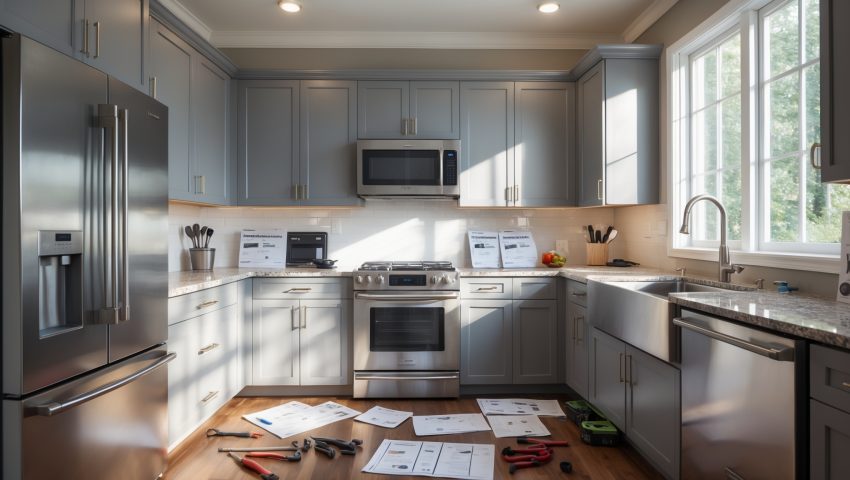
Introduction: Navigating the Modern Landscape of Home Appliance Upgrades
Upgrading home appliances is one of the most rewarding and value-adding improvements you can make as a U.S. homeowner. Whether it’s a new energy-efficient refrigerator, a smart dishwasher, or a high-performance washer and dryer set, today’s appliances offer the promise of convenience, lower utility bills, and increased property value. However, these upgrades come with a maze of choices, costs, permit requirements, and potential missteps that can trip up even the most enthusiastic DIYers. From ensuring you’re compliant with local codes to avoiding common installation blunders, this guide is your curated roadmap to smarter, safer, and more cost-effective appliance upgrades. We’ll break down budgeting strategies, clarify when permits are required, review essential tools and safety best practices, and highlight regional considerations that can affect your project. Whether you’re tackling a single appliance or planning a full kitchen refresh, read on to make sure your upgrade is smooth, compliant, and future-proof.
Budgeting for Appliance Upgrades: Planning for Success
Understanding the True Cost
When budgeting for new appliances, the sticker price is just the beginning. Delivery, installation, disposal of old units, electrical or plumbing upgrades, and potential permit fees can add hundreds—or even thousands—to your final bill. Here’s a breakdown of common costs:
- Appliance Price: Varies widely by brand and features (e.g., refrigerators range from $600 to $3,500+).
- Delivery & Haul-Away: $50–$250 per appliance.
- Installation: $100–$500, depending on complexity and region.
- Electrical/Plumbing Modifications: $150–$500+ if upgrades are needed.
- Permits: $50–$250, depending on local requirements.
- Unexpected Costs: Water shut-off valves, new hoses, venting kits, or code upgrades.
How to Build a Realistic Appliance Upgrade Budget
- Start with Research: Use manufacturer websites and local retailers to compare prices and features.
- Factor in Energy Savings: ENERGY STAR appliances may cost more upfront but save money over time.
- Get Installation Quotes: Even if you plan to DIY, know what professional installation costs for comparison.
- Set Aside a Contingency Fund: Reserve an extra 10–15% for surprises, especially in older homes.
- Check for Rebates: Utility companies and local governments often offer incentives for energy-efficient upgrades.
Regional Cost Variations
Labor and permit costs differ across the U.S. For example, urban areas like San Francisco or New York may have higher labor rates and stricter codes than rural Midwest towns. Always check your local government’s building department website for up-to-date fee schedules and code amendments.
Permits and Compliance: When Are They Required?
Appliance Types That May Require Permits
- Gas Appliances: Ranges, dryers, and water heaters almost always require a permit due to safety concerns.
- Electric Appliances: If new wiring, outlets, or circuit upgrades are needed, a permit is likely.
- Major Built-Ins: Wall ovens, cooktops, and built-in microwaves often necessitate permits, especially if cabinetry or venting is modified.
- HVAC-Connected Devices: Appliances tied into heating, ventilation, or air conditioning systems (such as range hoods or vented dryers) may trigger permit requirements.
How to Find Out What’s Required in Your Area
- Check Local Building Codes: Visit your city or county’s website or call the building department.
- Online Permitting Portals: Many municipalities now offer searchable databases and digital permitting applications.
- Ask Your Retailer: National chains (e.g., Home Depot, Lowe’s) often know local rules and can advise on permit needs.
Consequences of Skipping Permits
Failing to obtain required permits can lead to:
- Fines and Penalties: Ranging from $100 to $5,000, depending on jurisdiction.
- Forced Removal: Non-compliant installations may have to be removed at your expense.
- Insurance Voids: Homeowners insurance may not cover damages from unpermitted work.
- Resale Issues: Non-permitted upgrades can stall or kill a home sale.
DIY or Hire a Pro? Evaluating Your Options
Appliances Suited for DIY Installation
- Freestanding Electric Ranges
- Refrigerators (with basic water line hookup, if needed)
- Dishwashers (if existing connections are compatible and no modifications are needed)
- Laundry Appliances (with existing hookups)
When to Call a Professional
- Gas Appliance Connections: Errors can result in leaks, explosions, or carbon monoxide risks.
- Electrical Rewiring: Upgrading circuits or installing new outlets should be left to licensed electricians.
- Complex Built-Ins: Wall ovens or appliances requiring cabinetry modification are best handled by pros.
- Venting Modifications: Improper venting can lead to fire hazards or code violations.
Essential Tools & Equipment for Appliance Upgrades
- Adjustable Wrench and Channel-Lock Pliers: For water line and gas line connections.
- Voltage Tester: Confirm power is off before electrical work.
- Drill/Driver: For securing brackets and hardware.
- Level: Ensures appliances are properly balanced for safe operation.
- Appliance Dolly: Safely moves heavy units without damaging floors.
- Water Line Installation Kit: For refrigerators and dishwashers.
- Flexible Gas Line Kit: For approved gas connections (only if allowed in your jurisdiction and you are qualified).
- Pipe Thread Sealant or Teflon Tape: For leak-free connections.
- Stud Finder: For securing anti-tip brackets.
Step-by-Step: Safely Upgrading a Dishwasher (Example DIY Tutorial)
Step 1: Preparation
- Turn off water supply and power at the breaker.
- Clear the workspace and lay down a drop cloth to protect flooring.
Step 2: Disconnect the Old Dishwasher
- Remove the access panel at the base.
- Disconnect the water supply line using an adjustable wrench.
- Disconnect the drain line and electrical wiring (test for live wires first).
- Slide out the old unit and set aside for recycling or haul-away.
Step 3: Prepare the New Appliance
- Attach the mounting brackets according to manufacturer instructions.
- Connect the water line and drain hose to the new unit before sliding it in place.
Step 4: Install the New Dishwasher
- Slide the appliance into the opening, ensuring it’s level.
- Reconnect water, drain, and electrical lines.
- Secure mounting brackets to the cabinetry.
- Turn on water and power, run a test cycle, and check for leaks.
Step 5: Final Inspection
- Verify there are no leaks or electrical issues.
- Ensure anti-tip brackets are properly installed for safety.
- Replace the access panel and clean up the work area.
Common DIY Appliance Upgrade Mistakes—and How to Avoid Them
- Skipping the shut-off: Failing to turn off water or power can lead to flooding or electric shock.
- Improper leveling: Appliances that aren’t level can cause vibration, leaks, or premature failure.
- Over-tightening connections: May damage hoses or fittings, increasing leak risk.
- Using incompatible parts: Always use manufacturer-approved hoses, valves, and connectors.
- Ignoring anti-tip brackets: Essential for ranges and some dishwashers to prevent dangerous tipping.
- Forgetting to remove shipping bolts: Especially on washers, which can be damaged if operated with transit bolts in place.
- Underestimating dimensions: Measure doorways and hallways to ensure appliances fit through your home.
- Neglecting permits: As covered above, always check requirements before starting work.
Regional Considerations: Climate, Codes, and Special Cases
Climate-Related Concerns
- Cold Regions: Protect water supply lines from freezing (e.g., exterior wall kitchens in the Midwest/Northeast).
- Humid Regions: Ensure proper venting for dryers and dishwashers to prevent mold growth (common in the Southeast).
- Wildfire Zones: Appliances with exterior venting (like dryers) may require special flame-resistant vent materials.
Code Variations by Region
- California: Stringent energy efficiency and seismic anchoring rules.
- Florida: Hurricane zone requirements may impact venting and anchoring.
- New York City: Permits and licensed installers required for almost all gas and built-in appliances.
Maintenance Best Practices for New Appliances
- Register Your Appliance: Activate the manufacturer’s warranty and get recall notices.
- Read the Manual: Follow specific maintenance tasks (e.g., filter cleaning, descaling).
- Monthly Checks: Inspect hoses and connections for leaks or signs of wear.
- Clean Coils and Vents: For refrigerators and dryers, to maximize efficiency and safety.
- Test GFCI Outlets: If your appliance is plugged into a protected outlet, check it monthly.
Safety Checklist for Every Upgrade
- Shut off power and water before starting any work.
- Use a voltage tester before touching electrical connections.
- Wear gloves and eye protection when handling sharp or heavy components.
- Keep a fire extinguisher nearby, especially for gas installations.
- Work with a partner when moving heavy appliances.
- Dispose of old appliances according to local environmental regulations.
Conclusion: Upgrade with Confidence—Smart, Safe, and Code-Compliant
Upgrading your home appliances is more than just a matter of swapping out the old for the new. It’s an investment in your home’s comfort, efficiency, and future resale value. But with that investment comes responsibility—responsibility to budget accurately, to comply with local codes and permit requirements, and to avoid the common pitfalls that can turn a dream upgrade into an expensive headache. Whether you’re a seasoned DIYer or a first-time home improver, the key to a successful appliance upgrade is preparation: researching costs, understanding the rules in your region, gathering the right tools, and knowing when to call in a professional. With the practical steps and safety tips outlined above, you can approach your next appliance project with confidence, ensuring that your new additions are safe, code-compliant, and built to last. Remember, the time you spend planning and doing things right up front will save you money, hassle, and risk down the line. So measure twice, check your permits, and enjoy the satisfaction of a home that’s more functional and efficient than ever—where every upgrade adds value you can count on for years to come.
How do I find out if my local area requires a permit for installing a new dishwasher or refrigerator, and what happens if I skip it?
To check if your area requires a permit, contact your city or county’s building department or visit their website. Skipping a required permit could lead to fines, issues if you sell your home, or problems with insurance claims.