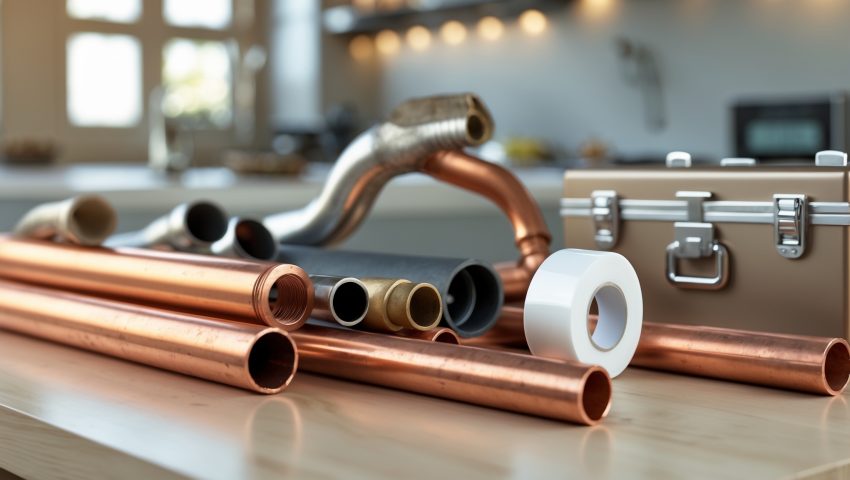
Introduction: Why DIY Plumbing Demands More Than Just a Wrench
Plumbing repairs are among the most common and intimidating DIY tasks for homeowners across the United States. From leaky faucets to clogged drains and running toilets, plumbing problems can disrupt daily life and rack up repair bills. While countless articles promise quick fixes, the reality is that DIY plumbing involves more than just elbow grease and a few tools. Navigating local codes, understanding when permits are required, budgeting for materials, and knowing how to avoid water damage hazards are all critical for a successful—and legal—repair. This comprehensive guide is designed to demystify the process for homeowners who want to tackle basic plumbing issues confidently, safely, and in full compliance with U.S. regulations. Whether you’re patching a pipe or replacing a fixture, you’ll find actionable advice on compliance, cost, safety, and the tools that make the job easier. Let’s turn your next plumbing project from a potential headache into a rewarding success.
Understanding U.S. Plumbing Codes: What DIYers Must Know
Why Compliance Matters
Plumbing codes exist to protect homeowners and communities by ensuring that water systems are safe, sanitary, and efficient. Ignoring or misunderstanding these rules can lead to fines, insurance problems, and even hazardous conditions in your home. Doing it right means knowing the basics of code compliance before you start any repair or replacement.
National vs. Local Codes
Most U.S. states follow the International Plumbing Code (IPC) or Uniform Plumbing Code (UPC) as a baseline. However, municipalities often add local amendments. Always check with your local building department before starting any plumbing project. Call or visit their website to confirm if your planned repair requires a permit or inspection.
- Common code requirements:
- Proper venting for drains
- Approved materials for potable water lines
- Backflow prevention devices
- Fixture spacing and accessibility
- When permits are usually required:
- Replacing water heaters
- Moving or installing new plumbing lines
- Major fixture upgrades (bathtubs, showers, toilets)
Inspections and Final Approval
For projects requiring permits, a city or county inspector will need to review your work before you close up walls or use new systems. Failing to schedule an inspection can lead to costly rework, fines, or insurance voids. Keep your permits on hand and document your work with photos for peace of mind.
Budget Breakdown: What DIY Plumbing Really Costs
Typical Materials and Their Price Ranges
- PVC Pipe (1/2”–2”): $0.50–$3 per foot
- Copper Pipe (1/2”–1”): $2–$6 per foot
- Pipe Fittings (elbows, tees, couplings): $1–$10 each
- Shutoff Valves: $8–$30 each
- Replacement Faucet: $40–$200
- Toilet Repair Kit: $15–$50
- Plumber’s Putty, Teflon Tape: $2–$6 each
Expect to spend $20–$150 on materials for minor repairs and $200–$800 for larger DIY projects (e.g., new fixture installation). Always build in a 10–20% buffer for unexpected expenses, such as discovering corroded pipes or needing additional fittings.
Essential Tools and Their Costs
- Pipe wrench: $15–$40
- Basin wrench: $10–$30
- Adjustable wrench: $10–$25
- Plumber’s snake (hand auger): $20–$60
- Tube cutter (for copper/PVC): $12–$25
- Propane torch (soldering copper): $20–$40
- Bucket, rags, and sponges: $5–$20
While a basic toolkit can be assembled for under $100, investing in quality tools pays off for future repairs.
Hidden Costs and Savings
- Water shutoff: Know where your main shutoff is. If it fails, emergency plumber calls can cost $150–$400 per hour.
- Water damage repairs: Even small leaks can cause hundreds to thousands in damage to floors and walls. Invest in leak detectors ($10–$50) for added security.
Safety First: Avoiding Common Plumbing Hazards
Water Shutoff Protocols
Before any repair, locate and test your home’s main water shutoff. Every fixture (sink, toilet, water heater) should have a local shutoff valve. Check these for leaks and ease of operation. If valves are stuck or corroded, replace them before starting your main project.
Electricity and Water: A Dangerous Duo
Many plumbing fixtures are near electrical outlets or appliances. Always turn off power at the breaker when working near outlets, dishwashers, or garbage disposals. Use a voltage tester to confirm that circuits are dead before proceeding.
Chemical Drain Cleaners: Handle with Care
- Never mix chemical cleaners; dangerous fumes can result.
- Wear gloves and goggles when handling caustic substances.
- Opt for mechanical methods (plunger, snake) whenever possible.
Protecting Yourself and Your Home
- Wear gloves and safety glasses when cutting pipes or using power tools.
- Use drop cloths or buckets to catch water and debris.
- Avoid open flames near flammable materials (e.g., wood framing, insulation).
- Ventilate work areas, especially when using adhesives or soldering flux.
Step-by-Step: Tackling Common DIY Plumbing Repairs
1. Fixing a Leaky Faucet
- Turn off water supply at the shutoff valve.
- Remove faucet handle using a screwdriver.
- Loosen and remove cartridge or washer. Inspect for wear.
- Replace with matching part (take the old one to your local hardware store if unsure).
- Reassemble and turn water back on. Check for leaks.
2. Clearing a Clogged Drain
- Remove visible debris from sink or tub drain.
- Use a plunger to dislodge blockages. Create a tight seal and use firm, even pressure.
- If the clog persists, use a hand auger (snake) to reach deeper obstructions.
- Flush with hot water after clearing.
Avoid overusing chemical drain cleaners, as they can damage pipes over time.
3. Replacing a Toilet Fill Valve
- Turn off water at the toilet’s shutoff valve.
- Flush toilet to drain tank.
- Disconnect water supply line using an adjustable wrench.
- Remove old fill valve and install the new one per instructions.
- Reconnect supply line and turn water back on.
- Test for leaks and adjust water level as needed.
4. Patching a Small Pipe Leak
- Turn off main water supply.
- Dry the pipe thoroughly.
- Apply plumber’s epoxy or a pipe repair clamp over the leak.
- Allow epoxy to cure before turning water back on.
- Monitor for further leaks.
For long-term reliability, plan to replace damaged pipe sections as soon as practical.
Essential Tools & Equipment for DIY Plumbing Success
Core Tools for Every Homeowner
- Pipe wrench (for iron and large fittings)
- Basin wrench (for hard-to-reach nuts under sinks)
- Adjustable wrench
- Pliers (channel-lock type recommended)
- Tube cutter (for copper, PEX, PVC)
- Plumber’s snake or auger (for drains)
- Teflon tape and pipe dope (for sealing threads)
- Bucket and towels
Specialty Tools Worth Renting or Borrowing
- Propane torch (for soldering copper)
- PEX crimp tool (for modern flexible pipe systems)
- Inspection camera (for locating hidden leaks or clogs)
Local hardware stores often rent out specialty tools for a fraction of the purchase cost.
Insurance Essentials: Protecting Yourself and Your Investment
How DIY Plumbing Affects Home Insurance
Most standard homeowner insurance policies cover accidental water damage, but may exclude claims resulting from unpermitted or non-code-compliant repairs. Before starting a major DIY plumbing project, contact your insurer to clarify what is covered and what proof (permits, inspections, receipts) may be required if you file a claim.
Documenting Your Work
- Take before-and-after photos of your repair.
- Keep all receipts for materials and tools.
- Save copies of permits and inspection approvals.
This documentation will help validate your claim if water damage or another issue arises.
When to Call a Pro: Recognizing Your Limits
Red Flags for DIYers
- Major leaks near electrical panels or appliances
- Multiple slow drains (potential sewer line issue)
- Low water pressure throughout the home
- Visible mold or water stains in walls or ceilings
- Unfamiliar pipe materials (e.g., lead, galvanized steel)
If you encounter any of these, pause and consult a licensed plumber. Attempting repairs beyond your skill level can cause costly damage, void insurance, and create health risks.
Conclusion: Plumbing Repairs Done Right—Confidence, Compliance, and Cost Savings
Tackling plumbing repairs as a DIYer is a smart way to save money, build practical skills, and feel empowered in your own home. However, successful outcomes depend on more than the ability to wield a wrench or follow an online video. Understanding and following local codes ensures your repair is legal and safe. Smart budgeting prevents sticker shock and helps you prepare for the unexpected. Prioritizing safety—both for yourself and your home—reduces the risk of costly water damage or injury. And knowing when to call in a professional can save you from turning a small issue into a major crisis.
Make it a habit to document your repairs, maintain your toolkit, and check for insurance requirements before starting your next project. With the right approach, even challenging plumbing jobs become manageable and rewarding. Remember, every successful repair not only fixes a problem but also adds value to your home and your DIY confidence. So, the next time a drip, clog, or leak threatens your peace of mind, you’ll be ready—with the knowledge, tools, and preparation to get the job done right.
When checking with the local building department about permits, do you usually get an answer right away or is there a waiting period before you can start the plumbing repair?
Response times vary by location. Some building departments provide answers about permits immediately, while others may take a few days to process your request. It’s best to ask directly about their typical turnaround when you contact them.
How can I figure out if my town uses IPC or UPC before I start buying materials for a small plumbing job?
To find out if your town uses the IPC or UPC, contact your local building department or check their website. They can confirm which plumbing code is enforced so you can buy code-compliant materials.
What kind of penalties or issues could I run into if I accidentally use unapproved materials for water lines in my home?
Using unapproved materials for water lines can result in code violations, fines from local authorities, required rework, and possible water contamination issues. It may also affect your home insurance and resale value if inspections reveal non-compliance.
If my city follows the International Plumbing Code but also has extra local rules, how can I be sure which ones apply before I start a small repair like fixing a leaky faucet?
To be sure which codes apply, contact your local building department before starting repairs. They can clarify both the International Plumbing Code and any additional local requirements for your project.
Do you have any tips on figuring out the budget for materials, especially if I’m not sure what counts as an ‘approved’ water line in my area?
To estimate your budget, list all potential materials and get prices from local hardware stores. For ‘approved’ water lines, contact your city’s building department—they can tell you exactly which materials meet local code requirements.
If I accidentally skip getting a permit for a repair, could that cause issues with my home insurance or reselling the house later on?
Yes, skipping a permit can cause problems. Insurance may not cover damage from unpermitted work, and selling your home could be delayed or complicated if inspections reveal unapproved repairs. It’s best to check local permit requirements before starting.
If I’m just fixing a leaky faucet, do I still need to check with my local building department for permits or code requirements?
For a simple leaky faucet repair, permits are usually not required, but it’s always wise to check your local building codes. Some areas have specific rules, so a quick call to your building department can ensure you stay compliant.
You mention the risk of insurance problems if plumbing repairs aren’t up to code—could you give an example of a situation where a claim might be denied because of DIY work?
If a homeowner installs plumbing without following local codes and a resulting leak causes water damage, the insurer might deny the claim because the repairs weren’t professionally done or permitted, making the homeowner responsible for all costs.
What are the most common mistakes homeowners make with venting or backflow prevention that could lead to code violations during a DIY repair?
Homeowners often incorrectly size or install vent pipes, or omit them entirely, which disrupts drainage and can cause sewer gases to enter the home. For backflow prevention, using the wrong type or skipping backflow devices can lead to contamination and violate code.
If I’m just replacing a kitchen faucet, do I still need to check with my local building department for possible permits, or is that usually considered a minor repair?
Replacing a kitchen faucet is typically considered a minor repair and often does not require a permit. However, it’s a good idea to check with your local building department since rules can differ by area.
When you mention permits, what kind of small repairs would actually require one, like fixing a leaking toilet?
Most small repairs like fixing a leaking toilet or replacing a faucet usually don’t require a permit. However, major plumbing changes—such as moving pipes or installing new fixtures—often do. Always check your local codes to be sure.
You mentioned the need for approved materials for potable water lines—are there common materials DIYers should avoid, or ones that are always safe to use?
DIYers should avoid using materials like lead, galvanized steel, or non-potable PVC for drinking water lines. Materials that are generally safe and widely approved include copper, PEX, and CPVC, as long as they are labeled for potable water use.
If my city follows the IPC but has some local amendments, how do I find out exactly which materials are approved for potable water lines?
To find approved materials for potable water lines, contact your city’s building department or check their official website for the latest local plumbing code amendments. This will clarify any differences from the standard IPC.
If I accidentally use a pipe material that isn’t approved for potable water lines, what are the possible consequences and how should I fix it?
Using unapproved pipe material for potable water can contaminate your water supply and violate plumbing codes. To fix this, replace all unapproved sections with materials certified for drinking water, like copper, PEX, or CPVC, and check with local regulations if necessary.
When budgeting for a DIY plumbing job, what hidden compliance or inspection costs should I prepare for that might not be obvious at first?
When budgeting, remember to include potential permit fees, required inspections, and possible re-inspection charges if work doesn’t pass the first time. Some areas may also require certified backflow testing or upgrades to meet local plumbing codes.
You mentioned budgeting for materials—are there affordable places or tips for sourcing approved pipes and backflow devices for small jobs?
For small plumbing jobs, check local hardware stores, home improvement chains, or plumbing supply shops—they often carry approved products at various price points. Ask about contractor discounts or look for sales. Always verify that items meet local codes before purchasing.
The article mentions budgeting for materials—are there any specific plumbing repairs where costs tend to surprise first-time DIYers?
Yes, first-time DIYers are often surprised by costs for replacing faucets, toilets, or water heaters, since you may need unexpected fittings, shutoff valves, or specialty tools. Hidden pipe damage or code-required upgrades can also increase expenses.
If a local plumbing code differs from the national baseline, which should I follow when doing a repair, and how can I be sure I’m compliant?
You should always follow your local plumbing code, as it overrides the national baseline. To ensure compliance, check with your city or county building department for the specific requirements before starting any repair.
How do I find out if my city uses the IPC or UPC, and what happens if I accidentally use the wrong materials for a repair?
You can find out if your city uses IPC or UPC by calling your local building department or checking their website. If you use the wrong materials, you might fail inspections and need to redo the work to meet code.
Does the article cover how much a typical plumbing permit costs for small repairs like fixing a leaking faucet, and what budget range should I expect?
The article does not specify the exact cost of a plumbing permit for small repairs like fixing a leaking faucet. However, it mentions that permit fees can vary widely depending on your location, so you should expect a modest fee, often ranging from $20 to $100.
For a homeowner patching a pipe, do you have any tips on avoiding accidental code violations with venting or backflow prevention?
When patching a pipe, always maintain existing venting and never block or reduce vent pipes. For backflow prevention, ensure check valves or air gaps are present where required, especially near appliances and outdoor spigots. Double-check your local code before starting.
Can you give examples of the types of materials that are approved for potable water lines, especially if I’m shopping at a big box store?
For potable water lines, commonly approved materials include copper piping, PEX tubing, and CPVC pipes. When shopping at big box stores, look for markings like NSF-61 or UPC, which indicate suitability for drinking water.
You mentioned budgeting for materials—are there big price differences when following code-approved options versus using whatever is cheapest at the hardware store?
Yes, code-approved materials often cost more than the cheapest options, but this is because they meet safety and durability standards. Using approved parts helps ensure compliance and can prevent issues or extra expenses from failed inspections or repairs.
When budgeting for a small repair like unclogging a drain, what hidden costs should I watch out for besides just tools and materials?
In addition to tools and materials, consider hidden costs like disposal fees for removed debris, potential permit requirements, and the cost of any accidental damage to pipes or fixtures during the repair. Also, factor in your time if the job takes longer than expected.
You mentioned budgeting for materials—are there certain code-approved materials that are more affordable but still reliable for simple repairs like fixing a leaky faucet?
For simple repairs like fixing a leaky faucet, PEX and copper are both code-approved. PEX is generally more affordable, easy to work with, and reliable when installed properly. Always check your local codes before purchasing materials.
You mentioned using approved materials for potable water lines—how do I know which materials are allowed in my area before I buy anything?
To find out which materials are approved for potable water lines in your area, check your local building codes or contact your city’s building department. They can provide an up-to-date list of approved pipe types and materials.
If my area uses the IPC but has local amendments, how do I figure out exactly which codes apply to a simple faucet replacement?
To find the precise codes for your faucet replacement, check with your local building department or permitting office. They can tell you about any amendments to the IPC that apply in your area.
If codes vary so much locally, what’s the best way to make sure I’m not missing any important city-specific requirements before starting a repair?
Before starting your repair, contact your local building department or permitting office to ask about specific plumbing codes and permit requirements. They can provide up-to-date guidance tailored to your city.
You mentioned budgeting for materials—are approved plumbing parts usually much more expensive than regular ones, or is the cost difference minor?
Approved plumbing parts are sometimes a bit more expensive, but the price difference is usually minor. These certified parts help ensure safety and code compliance, which can help you avoid costly issues or repairs down the line.