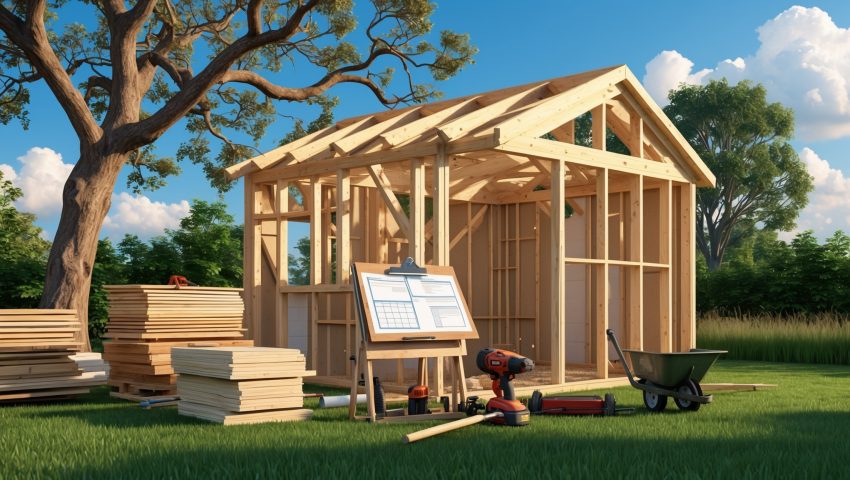
Introduction: The Permit Puzzle of DIY Shed Construction
Building a backyard shed is one of the most popular home improvement projects for U.S. homeowners seeking extra storage or workspace. However, what starts as an exciting DIY endeavor can quickly become a costly headache if you overlook local permits, zoning laws, and compliance requirements. Across the United States, the rules governing shed construction vary dramatically by municipality, with each region imposing different size limits, setback requirements, and inspection protocols. While skipping permits may seem tempting, doing so can result in hefty fines, forced demolition, or insurance woes if something goes wrong. This guide demystifies the compliance maze, offering practical, region-specific advice to keep your DIY shed project on the right side of the law from start to finish.
Why Permits Matter for DIY Sheds
Legal and Financial Risks
Many homeowners underestimate the risks of constructing a shed without proper permits and inspections. Local authorities can issue fines, halt your project, or even require removal of the structure. More importantly, unpermitted sheds often invalidate homeowners insurance coverage in the event of fire, theft, or storm damage. If you plan to sell your home, unpermitted structures can delay or derail the sale.
Ensuring Safety and Code Compliance
Permit processes exist to enforce building codes, which are designed to ensure safety, structural integrity, and proper land use. Inspectors check aspects such as foundation stability, wind resistance, electrical wiring, and fire safety—critical details that protect your investment and your family.
Decoding Regional Permit Requirements
General Trends in U.S. Shed Permitting
- Size Thresholds: Most municipalities require permits for sheds over a certain size, commonly 120 square feet, but this threshold can be as low as 80 or as high as 200 square feet depending on the region.
- Foundation Type: Sheds built on permanent foundations (concrete slabs, frost footings) often require permits, even if the structure is small.
- Utilities: Adding electrical, plumbing, or HVAC components always triggers additional permitting and code requirements.
Sample Regional Differences
- Northeast: Coastal states like Massachusetts and New Jersey often impose stricter setback and wind-load requirements due to storm risks. Historic districts may require design approval.
- Midwest: Many towns in Illinois and Minnesota require permits for any shed with a footprint over 100 square feet or taller than 10 feet, plus frost-depth footings for year-round stability.
- South: Texas and Florida emphasize hurricane wind resistance. Shed roofs and anchoring systems are scrutinized closely in permit applications.
- West: California building codes require wildfire-resistant materials in some zones. Seismic requirements affect anchoring and bracing.
Step-by-Step: Navigating the Permit Process
1. Research Local Codes and Zoning Laws
Start with your city or county building department website. Search for “accessory structure” or “shed permit” guidelines. Review:
- Maximum shed size without a permit
- Property line setbacks (distance from fences, house, utilities)
- Height restrictions
- Design or material limitations
- HOA rules, if applicable
2. Prepare Your Shed Plans
Authorities typically require detailed plans showing:
- Dimensions (length, width, height)
- Foundation type
- Floor, wall, and roof framing details
- Door and window locations
- Materials list
- Site plan with distances to property lines and other structures
Use graph paper or free online tools for clear, scaled drawings.
3. Submit Permit Application
- Fill out the accessory structure permit form, available from your building department website or office.
- Attach your plans and a site map.
- Pay the permit fee (typically $50–$250, varies by location and shed size).
- Some jurisdictions allow online submission; others require in-person visits.
4. Await Review and Address Feedback
Permit offices may take 1–4 weeks to review your application. Be prepared to answer questions or revise plans based on feedback. Common issues include:
- Insufficient setbacks
- Unclear foundation details
- Non-compliant roof pitch or materials
5. Schedule Required Inspections
Most shed permits require at least one inspection. If your shed includes electrical or plumbing, expect additional inspections at each stage. Typical inspection points:
- Foundation/floor framing (before covering with decking)
- Framing (before siding/roofing)
- Final inspection (after completion, before occupancy)
6. Keep Records
Retain copies of your approved plans, permit, and inspection reports for future reference, insurance claims, or home resale.
Common Mistakes and How to Avoid Them
1. Assuming Small Sheds Don’t Need Permits
Many homeowners believe sheds under a certain size are always exempt. However, even small sheds may require permits based on use (e.g., workshop vs. storage), foundation, or location relative to property lines and easements.
2. Ignoring Setbacks and Easements
Sheds built too close to property lines, utility easements, or septic systems can trigger costly relocation orders. Always measure and mark setbacks before breaking ground.
3. Overlooking HOA or Historic District Rules
Homeowner associations and historic districts often have stricter rules than municipal codes, including color, roofing material, or placement restrictions. Obtain written approval before starting.
4. Proceeding Without Required Inspections
Skipping inspections can result in a failed final approval, requiring expensive demolition or rework. Schedule inspections at each mandated stage and don’t cover up work before it’s signed off.
Case Study: From Permit Panic to Shed Success in Ohio
When the Millers of suburban Columbus decided to build a 10×16-foot garden shed, they initially planned to skip the permit, assuming their town’s rules only applied to larger buildings. A quick check with the local building department revealed a 120-square-foot exemption—just shy of their design. By adjusting their shed to 10×12 feet and using a floating deck foundation, they stayed within the exemption limits, saving on permit fees and inspections. The lesson: a phone call and a few design tweaks up front can save major headaches later.
Budgeting for Permits and Compliance
Permit Fees
- Small sheds (<120 sq ft, no utilities): $0–$100
- Larger sheds (120–200 sq ft): $100–$250
- Add electrical/plumbing: $75–$200 extra per utility
- Additional costs in special zones (floodplain, historic): $50–$300
Professional Help
If your plans are complex or your local codes are confusing, consider consulting:
- Draftsperson for shed plans: $150–$400
- Permit expediter: $100–$300
Essential Checklist: Shed Permit Compliance
- ✔️ Check local building and zoning codes
- ✔️ Consult HOA, historic, or environmental regulations
- ✔️ Prepare clear, scaled plans
- ✔️ Submit permit application and pay fees
- ✔️ Mark property lines and setbacks on site
- ✔️ Schedule and pass all required inspections
- ✔️ Keep all paperwork for future reference
Beyond Permits: Insurance and Resale Considerations
Insurance Implications
Unpermitted structures are commonly excluded from homeowners insurance policies. Even if your policy covers sheds, insurers may deny claims if the shed is not built to code or lacks evidence of approval. Always send your insurer a copy of the final inspection sign-off.
Home Resale
Unpermitted sheds show up on property surveys and can trigger issues during appraisals or buyer inspections. A shed with full documentation boosts buyer confidence and helps avoid price reductions or legal disputes.
Conclusion: Build It Right, Sleep Easy
Building a shed is one of the most satisfying DIY projects, offering instant rewards in functionality and property value. However, skipping the permit process is a gamble that rarely pays off. From regional code quirks to surprising setback rules and inspection surprises, non-compliance can lead to fines, forced removals, and insurance nightmares. The good news? Navigating the permit process is less daunting when you know what to expect and take it step by step. Start with a call to your local building department, prepare thorough plans, and stay organized throughout. Not only will you protect your investment and peace of mind, but you’ll also ensure your new shed adds lasting value to your home. With the right approach, your dream shed won’t just be a backyard upgrade—it’ll be a model of responsible, worry-free home improvement.
How do building codes and permit requirements typically handle electrical wiring if I want to run power to my DIY shed for tools or lighting?
When adding electrical wiring to your shed, most areas require a separate electrical permit. The work usually needs to follow the National Electrical Code, and inspections are often mandatory to ensure safety and compliance.