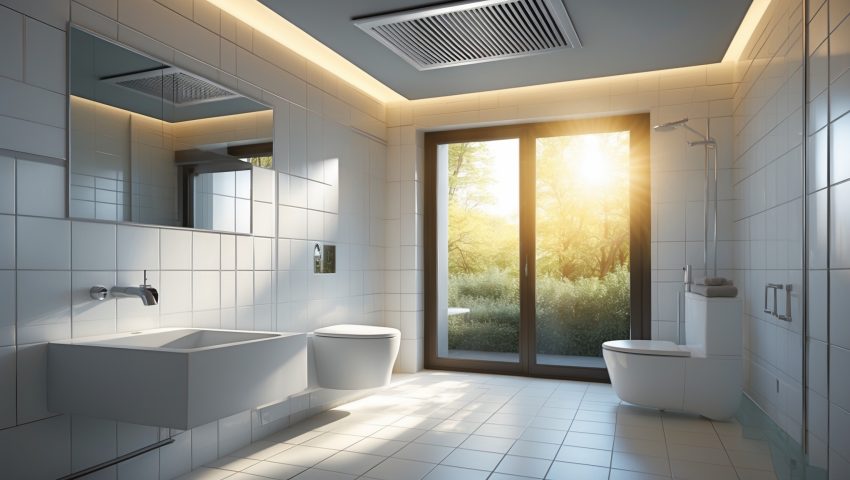
Introduction: Why Bathroom Ventilation is a DIY Priority
Bathrooms are high-moisture environments by design. Every shower, bath, or sink use sends water vapor into the air, and without proper ventilation, that moisture has nowhere to go. The result? Peeling paint, mold outbreaks, warped wood, and even structural damage that can cost thousands to repair. Yet, many U.S. homeowners underestimate the importance—and complexity—of bathroom ventilation when embarking on DIY improvements. Installing or upgrading a bathroom exhaust fan may seem straightforward, but it’s an area rife with compliance issues, hidden costs, and common pitfalls that can quickly transform a simple project into a costly disaster.
This in-depth guide walks you through the essential considerations for successful DIY bathroom ventilation in U.S. homes. We’ll reveal beginner mistakes to avoid, break down realistic costs, decode building code and permit requirements, and provide a step-by-step installation and troubleshooting tutorial. Whether you’re retrofitting an old bathroom or planning a complete remodel, understanding these ventilation essentials will help you protect your investment, your health, and your peace of mind.
Section 1: Common DIY Bathroom Ventilation Mistakes (and How to Dodge Them)
1.1. Skipping the Exhaust Fan Altogether
Many older homes rely on a window or nothing at all for ventilation. This approach is inadequate by modern code and for effective moisture control, especially in colder climates or bathrooms without windows. Installing a dedicated exhaust fan is no longer optional for most U.S. jurisdictions.
1.2. Venting Into the Attic or Crawlspace
One of the most pervasive and damaging mistakes is venting bathroom fans into attic spaces, crawlspaces, or wall cavities. This practice doesn’t remove moisture from the home—instead, it deposits it out of sight, encouraging mold, rot, and ice damming. Always vent directly outdoors, ideally through the roof or an exterior wall, using dedicated ductwork.
1.3. Undersizing the Fan
Bigger isn’t always better, but undersizing your fan can mean ineffective ventilation. Bathroom fans are rated in cubic feet per minute (CFM). As a rule of thumb, you need at least 1 CFM per square foot of bathroom space, with a minimum of 50 CFM for powder rooms and 80+ CFM for full baths. Don’t forget to account for ceiling height and special features like jetted tubs.
1.4. Choosing the Wrong Ducting Material
Flexible plastic ducting is cheap and tempting but prone to sagging, trapping water, and reducing airflow. For best performance and code compliance, use smooth, rigid metal ducting and keep duct runs as short and straight as possible.
1.5. Failing to Seal and Insulate Ducts
Leaky or uninsulated ducts allow warm, moist air to condense inside walls or attics, causing hidden water damage. Use foil tape (not duct tape) to seal joints, and insulate ducts running through unconditioned spaces to prevent condensation.
1.6. Overlooking Backdraft Dampers
Without a backdraft damper, cold outside air can flow in when the fan is off, chilling the bathroom and possibly causing frozen pipes. Most quality fans include these, but always check and install one if needed.
Section 2: Cost Breakdown and Budgeting for DIY Bathroom Ventilation
2.1. Core Components and Their Costs
- Exhaust Fan: $30–$250, depending on CFM, noise rating (sone level), and features (lights, heaters, humidity sensors).
- Ducting (Rigid Metal): $15–$40 for 8 feet (plus elbows and connectors).
- Exterior Vent Cap: $10–$40, depending on type (roof, wall) and animal guard features.
- Foil Tape & Insulation: $10–$25 per roll or sleeve.
- Electrical Supplies: $10–$30 (wiring, boxes, wire nuts, switch).
- Tools (if not already owned): $50–$150 for a hole saw, drill, reciprocating saw, and basic hand tools.
For a basic replacement fan in an existing location, expect total costs of $60–$300. A new install with new ducting and electrical will likely fall between $120–$500 for most U.S. bathrooms, assuming you already own common tools.
2.2. Hidden and Optional Expenses
- Permits: $30–$150, depending on local requirements (more details in Section 3).
- Drywall Repair: $20–$75 for supplies if enlarging fan opening or patching holes.
- Insulation for Ducts: $15–$30 for unconditioned attics/crawlspaces.
- Upgrading Electrical: If your bathroom’s wiring isn’t up to code, you may need a pro—budget $100–$400 for complex updates.
2.3. Saving Without Compromise
- Compare fan models for efficiency—energy-saving units (with ENERGY STAR® rating) can lower long-term utility costs.
- Buy ducting and vent kits together to save on bundled pricing.
- Re-use existing electrical wiring where safe and permitted by code.
Section 3: Compliance, Permits, and Code Considerations
3.1. National and Local Building Codes
Most U.S. jurisdictions follow the International Residential Code (IRC), which requires bathrooms with a tub, shower, or spa to have mechanical ventilation (minimum 50 CFM intermittent or 20 CFM continuous). Some areas also require ventilation in powder rooms, even if a window is present. Always confirm with your local building department, as regulations and enforcement vary widely.
3.2. When Is a Permit Required?
Permits are typically required if you’re installing new electrical circuits, penetrating the roof or exterior wall, or making significant modifications to the home’s structure. Simple fan replacements using existing wiring may not require a permit in some areas but always check your local rules. Pulling a permit ensures your work is inspected for safety and compliance—which is critical for insurance and resale value.
3.3. Inspection and Compliance Checklist
- Fan CFM rating meets or exceeds code for bathroom size.
- Ducting is rigid metal, properly sized, and runs to the exterior.
- All electrical connections are in junction boxes and wired per code.
- Backdraft damper installed and accessible.
- Ducts sealed and insulated where required.
- Exterior vent cap is weatherproof and pest-proof.
Keep receipts, permit documents, and inspection records—you may need them for future insurance claims or home sales.
Section 4: Step-by-Step DIY Bathroom Fan Installation
4.1. Preparation and Safety First
- Turn Off Power: Shut off the bathroom circuit at your electrical panel.
- Gather Tools and Supplies: Fan, ducting, vent cap, foil tape, drill, saw, screwdriver, ladder, safety glasses, respirator (if working in attics).
- Review Instructions: Read both the fan’s manual and your local code requirements.
4.2. Removing the Old Fan or Making a New Opening
- Remove the Grill: Disconnect power and unscrew the old fan’s cover.
- Disconnect Wiring: Note wire connections, then detach.
- Remove Mounting Screws or Brackets: Carefully lower the old fan housing.
- Enlarge Opening (if needed): Trace new fan housing and cut drywall as required.
4.3. Installing the New Fan
- Position Fan Housing: Secure to ceiling joists using supplied brackets or screws.
- Connect Ducting: Attach rigid ductwork to fan collar with foil tape. Route shortest path to exterior, minimizing bends.
- Seal Joints: Use foil tape to seal all duct joints and connections.
- Install Backdraft Damper: Confirm it’s in place (most new fans include one).
- Wire the Fan: Connect ground, neutral, and hot wires per instructions. Use wire nuts and electrical boxes.
4.4. Creating an Exterior Vent
- Mark Exit Location: On the roof or wall, avoiding eaves or soffits if possible.
- Drill Pilot Hole: From inside, drill a small hole to mark the vent location.
- Cut Exterior Opening: From outside, use a hole saw or reciprocating saw to cut the vent opening.
- Install Vent Cap: Slide duct through opening, attach vent cap, and seal edges with exterior-grade caulk.
- Secure Duct to Cap: Use foil tape to connect ducting to the back of the vent cap inside attic/wall.
4.5. Final Assembly and Testing
- Install fan grill or cover.
- Restore power and test fan operation.
- Check airflow at exterior vent—should feel strong exhaust.
- Inspect for air leaks and correct as needed.
- Patch and paint drywall as necessary.
Section 5: Maintenance and Troubleshooting Best Practices
5.1. Regular Cleaning
Dust and lint can clog fan blades and grilles, reducing efficiency and increasing fire risk. Clean covers and accessible blades every 6 months. Use a vacuum brush or damp cloth—never spray water into the fan.
5.2. Performance Checks
- Test fan by holding a tissue near the grille—it should cling when the fan is on.
- If airflow is weak, check for blocked ducting, a stuck damper, or fan motor wear.
5.3. Duct and Vent Inspections
Annually, inspect ductwork in attics or crawlspaces for signs of leaks, disconnections, or condensation. Confirm exterior vent caps are clear of debris, nests, or ice buildup.
5.4. When to Call a Pro
- Electrical upgrades beyond simple wiring.
- Cutting through complex roofs or exterior finishes.
- Persistent mold, moisture, or poor performance even after upgrades.
Conclusion: Protect Your Home and Health With Smart Ventilation Choices
Bathroom ventilation isn’t just a code requirement—it’s a frontline defense against some of the most expensive and unhealthy problems a homeowner can face. Mold, rot, and indoor air quality issues can silently undermine your investment and your wellbeing. By understanding and avoiding the most common DIY mistakes, accurately budgeting your project, and following code-compliant installation practices, you can ensure your bathroom remains a safe, dry, and pleasant space for years to come.
Taking shortcuts—like venting into an attic or skimping on materials—may save a few dollars up front, but the long-term costs in repairs, health risks, and even insurance headaches far outweigh any initial savings. Instead, approach bathroom ventilation upgrades with the same care you would a major renovation: plan thoroughly, budget for quality, pull permits where required, and don’t be afraid to call in a pro for tricky wiring or exterior penetrations.
Every U.S. home is unique, and local codes and climates can influence the best solutions for your bathroom. But the fundamentals remain the same: vent moisture outdoors, use the right materials, and maintain your system regularly. With these best practices, your DIY project won’t just pass inspection—it’ll protect your home’s value, your family’s health, and your peace of mind every time you step out of a steamy shower.
You mention venting directly outdoors—what are the best options for routing the exhaust fan duct in a one-story home?
For a one-story home, the best options are venting the exhaust fan horizontally through an exterior wall or vertically through the roof using a dedicated roof vent. Both methods ensure moisture is expelled directly outdoors.
How much should I realistically budget for a higher-quality exhaust fan that meets code, including typical installation materials?
For a higher-quality exhaust fan that meets code, you should budget around $150 to $300 for the fan itself. Including installation materials, expect a total of $200 to $400 if installing it yourself.
Can you clarify if replacing an old window-only setup with a new exhaust fan requires a permit in most places, or does it depend on the city?
Whether you need a permit to replace a window-only setup with an exhaust fan usually depends on your local city or county building codes. It’s best to check with your local permitting office, as requirements can vary widely.
What are the long-term cost implications of venting a bathroom fan through the roof versus an exterior wall, and is one approach usually more affordable for DIYers?
Venting through an exterior wall is generally more affordable for DIYers, both in upfront and long-term costs, since it involves less labor and fewer materials than roof venting. Roof vents can increase installation difficulty and potential maintenance expenses over time.
If I already have an old fan venting into the attic, what are the realistic steps and costs involved in rerouting it through the roof versus an exterior wall?
To reroute your bathroom fan, you’d need to run new ductwork to either the roof or an exterior wall, install a proper vent cap, and ensure airtight connections. Costs range from $200 to $600 for materials and labor, with roof vents often costing a bit more due to roofing work.
What are the common signs that my current bathroom fan is vented incorrectly, like into the attic or wall cavities, and how can I check this myself?
Common signs include persistent moisture, mold growth, musty odors, or condensation in the attic. To check, inspect your attic or wall cavity above the bathroom—look for the fan duct terminating there instead of outside. Also, observe where the exterior vent is located.
You mention hidden costs—what are some unexpected expenses I should budget for when upgrading a bathroom exhaust fan myself?
Some unexpected expenses can include hiring an electrician if wiring is complex, patching drywall after cutting, upgrading ductwork for better airflow, and buying extra materials like vent covers or insulation for proper sealing.
Is there a recommended CFM rating for bathroom fans in smaller spaces to meet code, or does that vary by state?
For most U.S. homes, the recommended minimum is 50 CFM for bathroom fans, but some states or local codes might require more, especially for larger or high-moisture bathrooms. Always check your local building codes to confirm requirements.
When budgeting for a bathroom fan upgrade, what hidden costs should I expect besides the price of the fan itself?
In addition to the fan’s price, consider costs like new ductwork, electrician fees, potential drywall repairs, venting through the roof or wall, updated wiring, and any required permits or inspections for code compliance.
You mentioned venting the fan directly outdoors, but is it better to go through the roof or an exterior wall in terms of cost and preventing issues like leaks or noise?
Venting through an exterior wall is usually less expensive and can reduce the chance of roof leaks. Roof venting is sometimes necessary, but proper installation and sealing are crucial to avoid leaks and extra noise.
Does the cost breakdown in the article include hiring an electrician for the wiring, or is that typically done DIY in most cases?
The cost breakdown in the article includes hiring a licensed electrician for any electrical work. While some homeowners may attempt DIY wiring, it’s usually recommended to use a professional for safety and code compliance.
Is there a big difference in cost or effectiveness between venting a bathroom fan through the roof versus an exterior wall, especially in older homes?
Venting through the roof can be more expensive due to extra materials and labor, especially in older homes. Both methods are effective if done properly, but wall venting is often easier and less costly, provided the shortest route to the exterior is used.
Can you give a ballpark estimate for what it actually costs to upgrade an old bathroom with no existing exhaust fan to be up to code?
Upgrading a bathroom to add an exhaust fan typically costs between $300 and $800, depending on local labor rates, fan quality, and whether extra wiring or ductwork is needed. Complex jobs or high-end fans can raise costs above $1,000.
What’s the most common mistake people make during installation that ends up costing them extra time or money down the road?
One of the most common mistakes is venting the bathroom fan into the attic instead of outside. This can cause moisture damage and mold, leading to expensive repairs. Always ensure the vent duct leads directly outdoors.
Could you clarify what typical permit requirements or inspections are involved for a DIY bathroom fan installation in the U.S.? Do these vary much between states?
Permit requirements for DIY bathroom fan installations usually depend on local building codes, which vary by state and even city. Typically, you may need an electrical permit and possibly an inspection to check wiring and venting. Always check with your local building department first.
You mention hidden costs with bathroom ventilation upgrades—could you give examples of unexpected expenses homeowners should factor into their DIY budgets?
Some hidden costs include hiring an electrician if new wiring is needed, repairing ceiling or wall damage after installation, upgrading to a larger duct, or buying special vent covers for exterior walls. Also, check for permit fees in your area.
If my bathroom is located in the center of the house with no exterior walls, what is the best method to vent the exhaust fan directly outdoors as you recommend?
For a bathroom in the center of your home, use ductwork to route the exhaust fan through the ceiling or attic to the nearest exterior wall or roof. Make sure the duct is as straight and short as possible, and use proper insulation to prevent condensation.
For older homes that only have a window for bathroom ventilation, are there code-compliant ways to add an exhaust fan without tearing up a finished ceiling?
You can often install a wall-mounted exhaust fan that vents directly outside, which avoids cutting into a finished ceiling. These can be code-compliant if sized and vented properly, but always check your local building codes first.
If my bathroom only has a small window and no existing fan, what’s the easiest way to add proper ventilation without tearing up too much of the walls?
A through-the-wall exhaust fan is a good option. It usually only requires making a hole for the fan and vent, minimizing wall damage. Many models are designed for retrofits and come with clear instructions for installation.
If my bathroom doesn’t have an exterior wall, what’s the best way to safely vent an exhaust fan outdoors without risking moisture problems in the attic?
If your bathroom has no exterior wall, it’s best to run insulated ductwork from the fan straight to a roof vent or a dedicated wall vent. Never vent into the attic itself; always lead moisture outdoors to prevent mold and damage.
If an older home already has a bathroom window, do building codes still require adding an exhaust fan, or can the window alone meet compliance in most areas?
In many areas, building codes allow a bathroom window to meet ventilation requirements if it’s operable and meets minimum size specs. However, some local codes may still require a fan, especially in new renovations, so always check your local regulations.