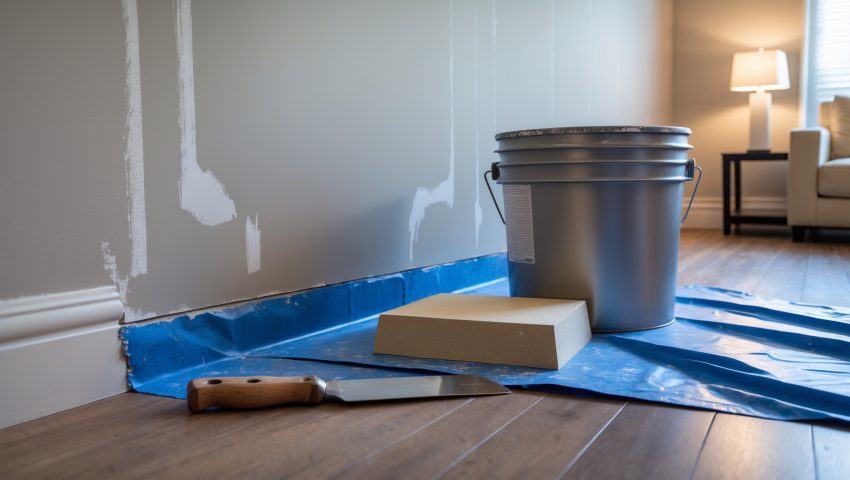
Introduction: Why DIY Drywall Repairs Matter
Drywall damage is almost inevitable in the life of any U.S. home. From minor dings caused by doorknobs to larger holes left by plumbing or electrical repairs, blemishes on your walls can quickly accumulate. Many homeowners hesitate to tackle drywall repairs themselves, fearing messy results or rookie mistakes. However, with the right approach, even a beginner can achieve near-invisible repairs—saving money and gaining valuable DIY confidence. This comprehensive guide demystifies the process, from choosing tools and estimating costs to mastering the techniques that deliver professional-looking results. We’ll also highlight the most common pitfalls and how to sidestep them, so you can approach your next drywall project with clarity and skill.
Whether you’re preparing a home for sale, restoring a historic property, or just tired of staring at imperfections, understanding how to patch, blend, and finish drywall is a game-changer for any U.S. homeowner. Let’s dive into the details that will set your repairs apart and keep your walls looking flawless for years to come.
Understanding Drywall Damage: Types and Causes
Common Types of Drywall Damage in U.S. Homes
- Small Dents and Dings: Caused by furniture bumps, door handles, or everyday accidents.
- Nail Pops: Fasteners that have worked their way out, creating small bumps or holes.
- Medium Holes (1-6 inches): Often from accidental impacts, plumbing/electrical work, or wall anchors.
- Large Holes or Water Damage: May require panel replacement due to moisture, leaks, or significant impact.
- Cracks: Resulting from settling, temperature fluctuations, or structural movement.
Root Causes: Prevention Is Key
- Moisture Intrusion: Leaky roofs, pipes, or window frames can compromise drywall integrity.
- Poor Initial Installation: Inadequate fastening, improper mudding, or skipping steps leads to premature failures.
- Structural Movement: Settling or shifting foundations can cause cracks or seam separation.
Understanding the source of damage helps prevent recurring issues. For example, repairing water-damaged drywall without addressing a leak will only lead to repeat problems.
Essential Tools and Materials: Building Your Drywall Repair Kit
Must-Have Tools for DIYers
- Utility knife (sharp blade for clean cuts)
- 6-inch and 12-inch taping knives
- Putty knife (2–4 inches)
- Drywall saw or jab saw
- Sanding sponge or sanding block (medium and fine grit)
- Drill/driver with screwdriver bits
- Pry bar (for removing damaged sections)
- Measuring tape and straight edge
- Dust mask and safety glasses
Key Materials
- Drywall patch (pre-made or cut from scrap)
- Joint compound (all-purpose or lightweight)
- Mesh or paper joint tape
- Drywall screws
- Primer and matching paint
- Wood backing strips (for larger holes)
Nice-to-Have Additions
- Drywall corner tool (for inside corners)
- Mixing paddle for joint compound (if using powdered form)
- Shop vacuum (for dust control)
Cost Breakdown: Budgeting for Your Drywall Repair
Material Costs for Typical Projects
- Small Patches (nail pops, small dings): $10–$25 (compound, putty knife, sandpaper)
- Medium Holes (2–6 inches): $20–$50 (patch kit or scrap drywall, screws, tape, compound)
- Large Repairs (section replacement): $50–$120 (full drywall panel, additional compound/tape, fasteners, primer/paint)
Optional Tool Investments
- Basic drywall tool set: $25–$50
- Power drill (if not owned): $40–$100
- Sanding pole (for larger areas): $15–$25
Most homeowners can repair small-to-medium drywall damage for under $50 with careful planning. Renting or borrowing tools can further reduce costs for one-off projects.
Step-by-Step: DIY Drywall Repairs for Every Situation
1. Small Holes, Dents, and Nail Pops
- Prep the Area: Remove any loose debris or flaking paint. For nail pops, drive the screw/nail flush and countersink slightly.
- Apply Compound: Use a putty knife to press a thin layer of joint compound into the hole or dent. Feather the edges.
- Sand and Repeat: Once dry, lightly sand flush. Apply a second coat if needed for a seamless finish.
- Prime and Paint: Always prime patched areas before painting to prevent flashing (visible patches).
2. Medium Holes (2–6 inches)
- Square the Hole: Use a utility knife or drywall saw to create clean, square edges.
- Install Backing: Insert a wood strip behind the hole for stability. Secure with screws through the existing drywall.
- Attach Patch: Cut a drywall piece to fit the hole. Screw into the backing.
- Tape and Mud: Cover seams with mesh or paper tape. Apply joint compound in thin layers, feathering each coat wider than the last.
- Sand, Prime, and Paint: Sand between coats, prime, then paint to finish.
3. Large Holes or Water-Damaged Sections
- Remove Damaged Drywall: Cut out all compromised material, extending to the nearest studs if necessary.
- Check for Moisture: Ensure the source of water is fixed and framing is dry before proceeding.
- Install New Drywall: Cut a panel to fit, secure to studs with drywall screws.
- Tape, Mud, and Sand: Apply joint tape over seams, then three coats of joint compound (each coat wider than the last). Sand smooth.
- Prime and Paint: Finish with a stain-blocking primer, then paint to match existing walls.
4. Cracks Along Seams or Corners
- Widen the Crack: Use a utility knife to create a slight V-shape for better compound adhesion.
- Apply Tape: For seams, use paper tape; for corners, use a corner bead or specialty tape.
- Mud and Sand: Apply joint compound in layers, sanding between coats for a flush finish.
- Finish: Prime and paint as needed.
Advanced Techniques: Texture Matching and Seamless Blending
Matching Wall Textures
Many U.S. homes have textured drywall finishes (orange peel, knockdown, slap brush, etc.). Achieving a seamless patch requires matching the existing texture:
- Spray Texture Cans: Available for small areas; follow manufacturer’s instructions for spray distance and pattern.
- Manual Techniques: Use a sponge, brush, or trowel to mimic the existing pattern. Practice on scrap before applying to the wall.
Blending and Feathering
- Apply joint compound in progressively wider coats to feather the repair into the surrounding wall.
- Sand lightly between coats to avoid visible edges or ridges.
- Always prime before painting; this evens out porosity and prevents flashing.
Common DIY Drywall Mistakes—and How to Avoid Them
- Skipping Primer: Leads to visible patches under paint. Always prime before finishing.
- Over-sanding: Can damage paper facing or create uneven surfaces. Use light pressure and check progress often.
- Too Much or Too Little Mud: Thick applications crack; thin coats build a stronger, smoother finish.
- Neglecting Dust Control: Drywall dust spreads easily; use drop cloths and a shop vac.
- Poor Tape Installation: Air bubbles or wrinkles in tape lead to future cracks. Press tape firmly and smooth out compound.
- Incorrect Patch Size: Failing to square holes or overlap seams weakens the repair. Always create clean, structurally sound patches.
Safety First: Protecting Yourself and Your Home
- Wear a dust mask and goggles when cutting, sanding, or mixing compound.
- Keep the area ventilated to minimize dust inhalation.
- Cover floors and furniture with drop cloths.
- Dispose of debris and dust responsibly. Never wash joint compound down the drain.
Maintenance Best Practices to Extend Your Results
- Fix small dents or cracks as soon as they appear to prevent spreading.
- Regularly inspect for signs of moisture and address leaks promptly.
- Use doorstops and furniture bumpers to prevent new damage.
- Touch up paint and primer as needed to keep patches invisible.
Conclusion: Transforming Your Walls—And Your DIY Confidence
Mastering drywall repair is an empowering step for any homeowner. By understanding the types and causes of damage, choosing the right tools, and applying proven techniques, you can restore your walls to like-new condition without the expense of a professional. The secret to seamless drywall repairs lies in preparation, patience, and attention to detail—from squaring holes and feathering compound to texture matching and priming. Most importantly, learning from common mistakes will set you apart and help ensure your results stand the test of time.
The skills you gain through drywall repair extend far beyond patched holes. Each successful repair builds your confidence and opens the door to larger improvement projects. Remember, every pro started with their first patch—and with the right approach, your walls can tell a story of resilience, restoration, and pride in your own handiwork. Whether you’re fixing up a starter home or preserving a historic gem, drywall repair is a foundational skill that pays dividends in comfort, aesthetics, and value.
So gather your tools, take a deep breath, and give your walls the attention they deserve. With careful planning, methodical execution, and a little patience, you’ll achieve results that blend seamlessly into your home—and your DIY journey.
If I’m patching several small dents and nail pops before selling my home, about how much time should I budget for prepping, repairing, and finishing in a typical room?
For a standard room, expect to spend about 2–4 hours total. Prepping and patching each spot is fairly quick, but allow extra time for drying between coats and sanding before painting.
Could you explain how to tell if a medium-sized drywall hole requires a full panel replacement or if a patch is enough?
If the hole is smaller than about 16 inches across and the surrounding drywall is solid and undamaged, a patch will usually suffice. Replace the entire panel only if the damage affects studs, spans multiple areas, or the drywall is crumbling.
You mention moisture intrusion as a root cause—how can I tell if water damage behind drywall is serious enough to require full panel replacement instead of a simple patch?
If the drywall feels very soft, crumbles easily, or shows signs of mold, the damage is likely extensive and needs full panel replacement. A musty smell or visible warping also signals serious issues beyond what a simple patch can fix.
You mentioned moisture intrusion as a root cause. How can I tell if a medium-sized hole was caused by water damage before starting repairs?
Check for signs like dark stains, soft or crumbly drywall, a musty smell, or peeling paint around the hole. If the area feels damp or shows mold, it’s likely water damage and should be addressed before repairing.
When patching a medium-sized hole from a plumbing repair, do you recommend mesh tape or a metal patch for best long-term results?
For a medium-sized hole, a metal patch is usually more durable and provides better support than mesh tape. Secure the patch, cover with joint compound, and sand smooth for a strong, lasting repair.
What’s the best way to blend a repaired area so it doesn’t stand out if my walls have a textured finish?
To blend a repaired area on textured walls, match the original texture using a sponge, brush, or spray texture kit after applying joint compound. Let it dry, sand lightly if needed, and paint over to match the surrounding wall.
If I’m seeing multiple nail pops and some minor cracks, could this mean a bigger structural problem, or is it just normal for older homes?
Multiple nail pops and minor cracks are often normal in older homes due to settling or humidity changes. However, if you notice large cracks, uneven floors, or doors that stick, it might be wise to consult a professional to rule out structural issues.
Could you give more detail on how to tell when a water-damaged area needs a full panel replacement versus just surface repair?
If the drywall feels soft, crumbles, or shows mold after drying, it’s best to replace the entire panel. For stains with no structural damage or mold, surface repair and repainting should be enough.
Do you have any tips for keeping repair costs low when dealing with several medium-sized holes throughout the house?
To keep costs down, buy drywall sheets in bulk and use joint compound sparingly. Patch multiple holes at once, reuse leftover materials, and borrow or rent tools instead of buying. Sand and paint all repairs together to save on supplies.
Can you explain how to prevent nail pops after fixing them? Mine keep coming back in the same spots.
To prevent nail pops from returning, drive drywall screws an inch above and below each nail pop, ensuring they anchor into the stud. Remove the loose nail, fill the holes with joint compound, and sand smooth after drying. This secures the drywall more firmly.
What are typical material costs for repairing several nail pops and a couple of small dents, and are there any tools you’d consider essential for beginners tackling these minor repairs?
For nail pops and small dents, expect to spend around $15–$30 on joint compound, sandpaper, and touch-up paint. Essential tools for beginners include a putty knife, sanding block, and a utility knife. A basic drywall repair kit can also be helpful.