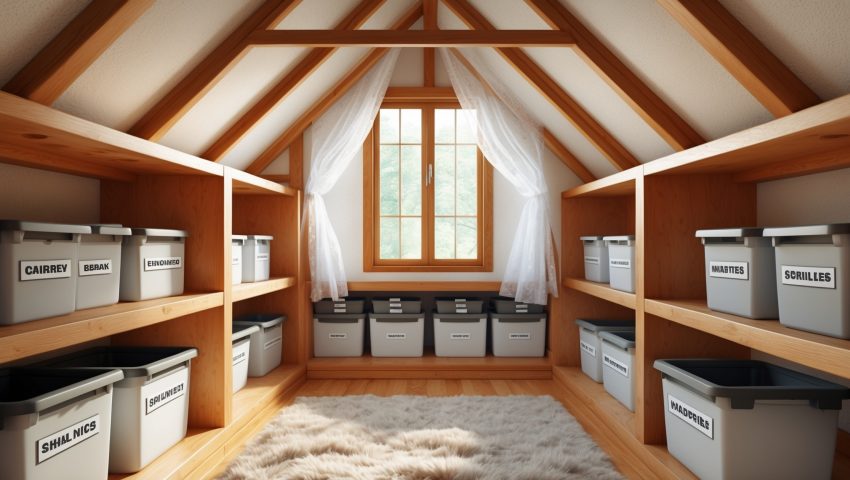
Introduction: Unlocking Hidden Potential—DIY Attic Storage for U.S. Homes
Every homeowner knows the struggle of running out of storage space. As families grow and hobbies accumulate, closets overflow and garages become cluttered. But there’s a solution hiding just above your head: the attic. With a strategic, well-executed DIY attic storage project, you can transform this underutilized area into a safe, organized, and highly functional space. Whether you’re storing seasonal decorations, keepsakes, or simply decluttering your living areas, an attic storage revamp can add real value, both in convenience and property appeal. However, it’s not as simple as tossing boxes under the rafters—proper planning, budgeting, material selection, and safety awareness are critical. In this comprehensive guide, we’ll walk you step-by-step through designing, building, and maintaining attic storage solutions tailored for U.S. homes. From assessing your attic’s structural capacity and choosing the right materials, to budgeting realistically and avoiding common safety pitfalls, you’ll gain the know-how to make the most of your home’s hidden potential.
Assessing Your Attic: Suitability and Safety First
Understanding Your Attic’s Structure
Before you start planning shelving or storage platforms, it’s essential to evaluate your attic’s structural integrity and design. U.S. homes typically have one of two attic types:
- Rafter-framed attics: Sloped beams (rafters) support the roof, often providing more open space for storage.
- Truss-framed attics: Engineered wood trusses create a web of supports, which can limit usable space and require extra care not to cut or overload them.
Never remove or alter structural elements without a professional’s input—doing so can compromise your home’s safety.
Weight Limitations: Know Before You Load
Most attics are designed to support only the weight of the ceiling below and some insulation—not heavy loads. Exceeding this can lead to sagging or even collapse. As a rule of thumb, attic floors in U.S. homes safely support 10–20 lbs per square foot unless reinforced. If you’re unsure, consult a structural engineer before proceeding.
Check for Hazards and Access Issues
- Electrical wiring: Watch for exposed wires or junction boxes. If present, consider hiring an electrician to reroute or protect them.
- Insulation: Disturbing insulation can reduce energy efficiency or release irritants. Wear proper protective gear and avoid compressing insulation beneath storage platforms.
- Ventilation and moisture: Look for signs of water leaks, mold, or inadequate venting. Address these issues before installing storage.
- Access: Ensure your attic ladder or stairs are sturdy, safe, and code-compliant. If upgrading, refer to manufacturer instructions and your local building codes.
Budgeting Your Attic Storage Project
Typical Cost Breakdown
- Materials: Plywood or OSB panels for platforms ($25–$60 per sheet), 2×4 or 2×6 lumber ($4–$8 per 8-foot length), fasteners, brackets, and hardware ($30–$100 total depending on size).
- Tools (if not already owned): Circular saw ($60–$150), drill/driver ($40–$120), safety gear ($30–$70), and a stud finder ($15–$40).
- Optional upgrades: Shelving kits ($30–$100 per set), storage bins ($7–$20 each), attic lighting fixtures ($25–$80), and pull-down ladder replacement ($150–$400).
For a typical 8×10-foot attic storage platform, expect a total project cost of $250–$700, depending on choice of materials and whether you need to buy new tools. Modular shelving and bins can add another $100–$300, but often improve organization and safety.
Budgeting Tips
- Plan your layout and materials list carefully to avoid waste.
- Buy lumber and panels in standard sizes to minimize cuts and offcuts.
- Look for sales at home centers or consider reclaimed materials for cost savings (ensure they are structurally sound).
- Prioritize safety upgrades (like lighting and sturdy ladders) over cosmetic touches.
Essential Tools & Materials
Must-Have Tools
- Measuring tape and carpenter’s pencil
- Circular saw or handsaw
- Cordless drill/driver and drill bits
- Hammer or nail gun
- Stud finder (to locate joists beneath insulation)
- Level
- Safety goggles, dust mask, and gloves
- Utility knife (for insulation or vapor barrier adjustments)
Recommended Materials
- 3/4″ plywood or oriented strand board (OSB) for decking
- 2×4 or 2×6 lumber for support framing
- Deck screws or construction nails
- Metal brackets or joist hangers (for reinforcing supports where needed)
- Plastic storage bins with lids (clear bins help with visibility)
- LED attic lights or battery-powered work lights
Step-by-Step DIY Attic Storage Setup
1. Planning Your Layout
Begin by sketching your attic’s dimensions and marking joist locations. Identify areas with sufficient headroom and avoid blocking HVAC, vents, or electrical panels. Consider:
- Walkways for safe movement
- Zones for different storage types (holiday decor, luggage, archival boxes, etc.)
- Areas to avoid (e.g., directly over recessed lighting or where wiring is present)
2. Preparing the Attic
- Clear out any debris or existing items.
- Check insulation for damage; repair or replace as needed.
- Inspect for pests or water damage and resolve issues before proceeding.
3. Installing Storage Platforms
For most attics, adding a raised platform above the joists is safest. Follow these steps:
- Use a stud finder to locate joists beneath insulation. Mark them clearly.
- Cut 3/4″ plywood or OSB panels to fit your planned platform areas. Avoid over-spanning between joists (16–24″ on center is standard).
- Lay panels perpendicular to joists for maximum strength. Leave a 1/4″ gap at walls for expansion.
- Fasten panels to joists using 2.5″ deck screws every 8–12″ along each joist.
- If insulation is thicker than the joists, build a simple 2×4 frame atop the joists to raise the platform, preventing insulation compression.
- Do not block soffit or ridge vents—maintain airflow to prevent moisture buildup.
4. Adding Shelving and Storage Accessories
- Install free-standing or wall-mounted shelving units on top of your platform, securing them to joists or rafters where possible for stability.
- Use clear plastic bins with lids for smaller items, labeling each bin for easy retrieval.
- Consider hanging hooks or racks from rafters for lightweight, bulky items (e.g., artificial wreaths, suitcases).
5. Improving Lighting and Access
- Install battery-powered or hardwired LED lights for visibility; avoid halogen or incandescent bulbs, which can become fire hazards in enclosed, insulated spaces.
- If your attic lacks adequate access, upgrade to a code-compliant folding ladder or staircase. Ensure it is properly installed and rated for your expected load.
Safety Checklist for DIY Attic Storage
- Wear long sleeves, pants, gloves, goggles, and an N95 mask to prevent irritation from insulation or dust.
- Use only stable, properly installed ladders. Never overreach or carry heavy loads up a ladder without assistance.
- Step only on joists or finished platforms—stepping between joists can result in a dangerous fall through the ceiling below.
- Keep electrical wiring visible and accessible; do not bury or crush wires under platforms or bins.
- Do not store flammable materials (paint, solvents, propane tanks) in the attic due to heat and fire risk.
- Maintain clear pathways to attic access points and ventilation equipment for emergencies and maintenance.
Compliance and Insurance Considerations
Building Codes and Permits
Most U.S. municipalities don’t require permits for non-habitable attic storage platforms under a certain size, but some areas have strict rules regarding load-bearing modifications, electrical work, or stair installations. Always check with your local building department before making structural changes. If you’re planning to install permanent stairs or electrical wiring, permits may be required.
Insurance Impacts
Increasing storage in the attic may affect your homeowner’s insurance coverage, especially if your upgrades alter the home’s value or involve electrical work. Document your project with photos and receipts, and notify your insurer about the improvements to ensure continued coverage. Improper installations or overloaded attics may result in denied claims for related damages—so follow best practices and code requirements.
Maintenance Best Practices
- Inspect the attic every 6–12 months for signs of water leaks, pest activity, or insulation displacement.
- Rotate stored items seasonally to ensure nothing is forgotten or damaged by temperature fluctuations.
- Check fasteners and platform stability; tighten or reinforce as needed.
- Clean up dust and debris regularly to reduce fire risk.
- Replace or upgrade lighting as needed for clear visibility.
Real-Life Case Study: A Midwest Attic Transformation
Jane and Mark, homeowners in Indiana, faced an overflowing garage and cluttered closets. After considering various options, they embarked on a weekend DIY attic storage project. With a $500 budget, they reinforced joists with sistered 2x6s, installed two 4×8-foot plywood platforms, added LED lighting, and purchased ten clear storage bins. The project took two weekends, eliminated three closets’ worth of clutter, and improved the home’s resale appeal. Crucially, they documented their process and checked with their local building department, ensuring both safety and compliance. Their advice: “Measure twice, plan for more storage than you think you need, and don’t skip on safety gear.”
Conclusion: Making the Most of Your Attic, the Smart and Safe Way
Creating attic storage isn’t just about gaining square footage—it’s about enhancing the organization, safety, and efficiency of your home. With careful planning, a clear understanding of your attic’s structure and limitations, and a commitment to safety, even novice DIYers can transform a dusty, forgotten space into a reliable storage hub. By following the steps outlined above—assessing suitability, budgeting realistically, selecting the right materials, and adhering to best safety practices—you can avoid costly mistakes and maximize your investment. Remember to consult local codes, document your work for insurance purposes, and maintain your new storage area for years of trouble-free use. Whether you’re storing family heirlooms, holiday decorations, or simply clearing the clutter, a well-designed attic storage system is a home improvement project that pays dividends in convenience and peace of mind. Your attic’s hidden potential is just a few careful steps away—embrace the opportunity and enjoy the benefits of a more organized, efficient home.
How do I find out the specific weight limits for my attic if I don’t have the original home plans?
To find your attic’s weight limits without original plans, consult a local structural engineer or building inspector. They can assess your attic’s joists and structure to determine safe storage loads based on their size, spacing, and condition.