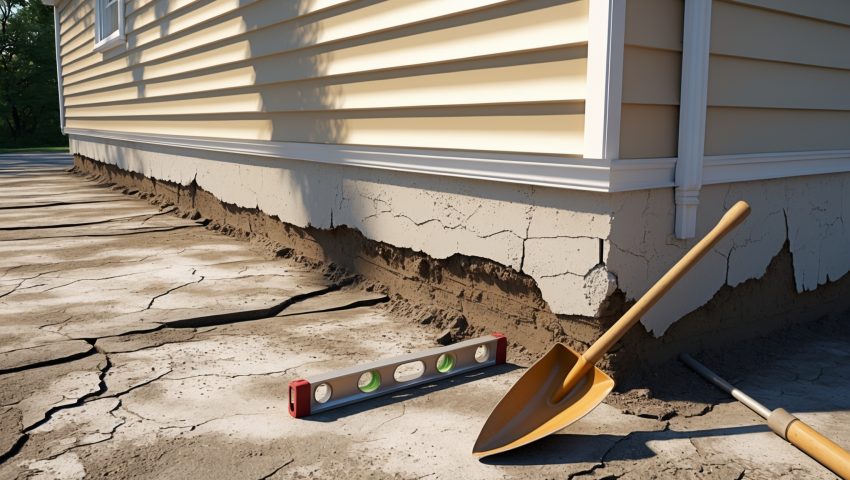
Introduction: Cracking Open the Truth About Home Foundation Repairs
When it comes to home improvement, few projects evoke as much anxiety as foundation repairs. The foundation is literally what your home stands on, and tales of crumbling basements, skyrocketing repair bills, and intimidating processes abound. But how much of what you hear is actually true? Across the United States, regional soil types, climate, and building practices all play a role in how foundations perform and what repairs are needed. Unfortunately, persistent myths and outdated advice often lead homeowners to make costly mistakes—or avoid repairs altogether, risking greater damage down the road.
This post is your go-to guide for debunking the most common myths about home foundation repairs. Whether you’re a DIY enthusiast hoping to tackle minor issues, or a homeowner trying to understand when to call in the pros, we’ll separate fact from fiction. We’ll also provide practical tips on budgeting, understanding regional factors, and choosing the right repair methods. By the end, you’ll have the confidence to address foundation concerns head-on, protect your home’s value, and avoid the pitfalls that keep circulating on forums and neighborhood chats. Let’s set the record straight—your home’s stability depends on it.
Myth 1: All Foundation Cracks Are a Sign of Major Structural Problems
Fact: Not All Cracks Are Created Equal
It’s common to panic at the sight of a crack in your basement wall or slab. However, not every crack spells disaster. Hairline cracks, especially those less than 1/8 inch wide, are typically a result of concrete curing and natural settling, not catastrophic failure. Vertical cracks are usually less concerning than horizontal or stair-step cracks, which can indicate pressure from soil or water.
When to Worry—and When Not To
- Vertical hairline cracks: Often cosmetic, but should be monitored for changes.
- Horizontal or wide cracks: Can indicate foundation movement or hydrostatic pressure—these require professional evaluation.
- Cracks wider at the top than bottom: May signal settlement issues.
Tip: Photograph and measure cracks every few months to track changes. Rapidly growing cracks or those accompanied by sticking doors/windows warrant immediate attention.
Myth 2: Foundation Repairs Are Always Exorbitantly Expensive
Fact: Costs Vary—Many Repairs Are Affordable If Caught Early
Stories of $50,000 foundation repairs make headlines, but most homeowners spend much less. According to U.S. regional data, the average foundation repair ranges from $2,000–$7,000, with minor fixes costing as little as $500–$1,500. Extensive underpinning or pier installation drives up costs, but timely maintenance and early intervention can keep bills manageable.
Regional Cost Factors
- Soil Type: Expansive clay soils in Texas and the Midwest are more prone to movement, sometimes requiring more intensive solutions.
- Climate: Freeze-thaw cycles in northern states can exacerbate cracking, needing periodic resealing rather than full-scale repairs.
- Home Age: Older homes may need reinforcement that newer builds do not.
Budgeting Tip: Seek multiple quotes and detailed breakdowns. Many reputable contractors offer financing options for larger jobs.
Myth 3: DIY Foundation Repair Is Always Unsafe or Ineffective
Fact: Minor Repairs Are Often DIY-Friendly—If Approached Wisely
While major structural repairs require professional expertise, many homeowners successfully handle minor crack repairs, sealing, and drainage improvements themselves. The key is knowing your limits and using the right materials.
DIY-Suitable Foundation Repairs
- Filling hairline cracks with epoxy or polyurethane kits
- Installing or cleaning gutters and downspouts to prevent water pooling
- Regrading soil around the foundation for proper drainage
Safety Reminder: Never attempt to jack up or realign a foundation yourself. When in doubt, consult a structural engineer.
Myth 4: Foundation Problems Are Always Caused by Poor Construction
Fact: Many Issues Stem From Natural Forces
Blaming the builder is a common knee-jerk reaction, but most foundation issues are the result of soil movement, tree roots, excessive moisture, or poorly managed drainage. Even well-built homes can develop problems over time, especially in areas with expansive clay or dramatic seasonal changes.
How to Reduce Risk
- Maintain gutters and downspouts to direct water away from the foundation
- Avoid planting large trees or shrubs too close to the house
- Monitor and adjust grading as needed, especially after heavy storms or landscaping changes
Regular inspection and preventive maintenance are your best defense, regardless of your home’s age or builder.
Myth 5: Foundation Repairs Will Ruin My Yard or Landscaping
Fact: Many Modern Repair Methods Are Minimally Invasive
Worries about torn-up gardens and ruined landscaping are valid, but outdated. Today’s repair technologies, such as polyurethane foam injection or helical piers, often require only small access holes. Many jobs are completed without heavy machinery, minimizing disruption.
Tips for Preserving Your Curb Appeal
- Request minimally invasive options when consulting with contractors
- Ask for a written restoration plan for landscaping post-repair
- Plan repairs during dormancy if possible (late fall or early spring in most regions)
Discuss your landscaping concerns up front to ensure the best outcome.
Myth 6: Foundation Damage Always Means My House Is Unsafe
Fact: Most Issues Progress Slowly and Can Be Managed
While severe foundation movement can compromise safety, most issues develop gradually. Most homes with minor cracks or settlement are structurally sound and livable while repairs are planned and executed. However, signs such as bowing walls, large cracks, or significant floor unevenness should not be ignored.
When to Take Immediate Action
- Sudden, large cracks appearing after heavy rain or drought
- Doors or windows that no longer close at all
- Noticeable sinking or tilting of a portion of the home
In these cases, prompt professional assessment is necessary to ensure safety.
Myth 7: All Foundation Repair Methods Are the Same
Fact: Different Problems Require Different Solutions
From steel piers to mudjacking to carbon fiber straps, foundation repair is not one-size-fits-all. The best method depends on your soil type, climate, foundation material, and the specific issue at hand.
Common Foundation Repair Methods
- Steel Piers: Driven deep into stable soil, ideal for major settling in clay-heavy areas.
- Helical Piers: Screwed into the ground, often used in lighter soils or limited access areas.
- Slabjacking/Mudjacking: Lifts sunken concrete slabs by pumping grout underneath, best for minor settlements.
- Epoxy/Polyurethane Injections: Fill and seal cracks to prevent water intrusion.
- Carbon Fiber Straps: Reinforce bowed basement walls.
Consult with a foundation specialist or engineer to match the repair method to your home’s unique needs.
Myth 8: Foundation Repairs Won’t Last—Problems Will Keep Coming Back
Fact: Quality Repairs Paired With Prevention Offer Lasting Results
When done correctly, many foundation repairs are permanent or last for decades. The key is addressing the root cause—often drainage or soil movement—and combining repairs with preventive measures.
Steps for Long-Term Stability
- Ensure gutters, downspouts, and grading move water away from the foundation
- Schedule periodic inspections, especially after droughts or floods
- Complete small maintenance tasks annually to catch new issues early
Document your repairs and maintenance—it helps with resale and warranty claims.
Myth 9: Foundation Damage Always Hurts My Home’s Value
Fact: Properly Repaired Foundations Can Boost Buyer Confidence
While undisclosed or unaddressed foundation problems can scare off buyers, homes with documented repairs often sell at market value or higher. Buyers appreciate transparency and knowing the home’s structural issues have been resolved professionally.
Tips for Protecting Value
- Keep detailed records of inspections, repairs, and warranties
- Use licensed, reputable contractors for major work
- Consider a pre-listing inspection if you plan to sell
Honesty and documentation go a long way in real estate transactions.
Myth 10: Foundation Repairs Can Be Delayed Indefinitely
Fact: Delays Often Lead to Greater Damage and Higher Costs
It’s tempting to “wait and see” if a crack worsens, but ignoring foundation issues usually leads to more extensive—and expensive—repairs. Water intrusion, pest infestations, and secondary structural damage (like warped floors or drywall cracks) can follow.
Why Timely Action Matters
- Early repairs are less invasive and less costly
- Small cracks can be sealed before water or pests enter
- Preventative fixes protect your home’s structural integrity
Set reminders for seasonal inspections and don’t hesitate to consult a pro if you notice new or changing cracks.
Practical Checklist: Foundation Maintenance and Early Detection
- Walk your home’s perimeter twice a year—look for new or widening cracks
- Check for standing water or soil erosion near the foundation after storms
- Inspect basement walls and floors for dampness or efflorescence (white residue)
- Test doors and windows for sticking or uneven gaps
- Verify gutters and downspouts are clear and extend at least 5 feet from the house
- Document any changes with photos and dates
Conclusion: Building a Solid Foundation of Knowledge and Confidence
Foundation repairs may be among the most misunderstood aspects of homeownership—but being armed with accurate information transforms anxiety into action. By debunking these persistent myths, you can make informed decisions that protect your investment, your safety, and your peace of mind. Remember, not every crack is a crisis, and not every repair requires emptying your savings. With modern techniques, many fixes are affordable, minimally invasive, and long-lasting—especially when tackled early.
Regional differences matter, so take time to understand your local soil, climate, and building practices. Don’t hesitate to consult professionals for evaluation, but know that DIY maintenance and small repairs are within reach for many homeowners. The best approach pairs ongoing prevention with timely intervention—walk your home’s perimeter, keep water away from the foundation, and document changes as they appear. If you do need repairs, look for licensed, reputable contractors, and maintain thorough records for future buyers or insurance claims.
At the end of the day, your home’s foundation is too important to leave to rumor and misconception. Take control by seeking facts, acting early, and choosing the right solutions for your unique circumstances. With the right knowledge—and a solid plan—you’ll keep your home standing strong for years to come.
Could you clarify how often I should be monitoring hairline cracks to make sure they’re not turning into a bigger issue?
It’s a good idea to check hairline cracks every couple of months. If you notice them widening, lengthening, or new cracks forming, it’s best to consult a professional for further evaluation.
If a homeowner notices a small vertical hairline crack, what practical steps should they take to monitor it before calling in a professional?
Mark the ends of the crack with a pencil and note the date. Check it every few weeks for changes in length or width. If it widens, spreads, or shows signs of water intrusion, consider consulting a professional.
The article mentions regional soil types playing a role in foundation issues. How do I find out what soil type I have and if it needs special attention?
You can learn your soil type by checking local county extension offices, reviewing your home’s building plans, or having a soil test done by a professional. Expansive clay or poorly draining soils may require extra foundation care.
If I notice horizontal cracks starting to form along my basement wall, what are the first steps I should take before calling a pro, and how urgent is it usually?
Horizontal cracks can indicate serious pressure on your basement wall, so it’s best to act promptly. Check for any signs of water leaks or bulging, document the cracks with photos, and avoid making repairs yourself before getting a professional assessment.
You mentioned regional soil types affecting repairs—are certain repair methods better suited for clay-heavy areas versus sandy regions?
Yes, certain repair methods work better depending on soil type. For clay-heavy areas, pier and beam systems are often recommended due to soil movement. In sandy regions, slab-on-grade or helical piers can be more effective as they provide stable support.
When budgeting for foundation repairs, how much of a cost difference should I expect between cosmetic fixes like minor cracks and more serious repairs for horizontal or stair-step cracks?
Cosmetic fixes for minor cracks usually cost a few hundred dollars, while serious repairs for horizontal or stair-step cracks can range from several thousand to over ten thousand dollars, depending on severity and needed structural work.
If I notice a vertical crack that’s hairline and less than 1/8 inch wide, do I need to do anything right away or just keep an eye on it over time?
If the crack is hairline and less than 1/8 inch wide, it’s usually not a structural concern. Monitor it over time for changes in width, length, or new cracks. If it gets larger or you notice other issues, consult a professional.
For minor cosmetic cracks, are there affordable DIY products you recommend, or is it better to have a contractor assess even the smallest issues to avoid bigger expenses later?
For minor cosmetic cracks, affordable DIY products like epoxy or polyurethane crack fillers are usually effective. However, if the crack widens, grows, or shows signs of moisture, it’s best to consult a contractor to prevent bigger issues.
The article mentions that climate and regional soil types affect foundation issues. Are there different repair methods you recommend for clay soil versus sandy soil in the US?
Yes, repair methods vary by soil type. For clay soil, solutions like pier and beam systems are common due to clay’s movement with moisture. For sandy soil, slab jacking or different pier types may be used, since sandy soil is less prone to shifting.
If I notice a small vertical crack in my basement that’s been stable for months, is it okay just to monitor it, or should I proactively seal it to prevent moisture issues?
If the crack has remained stable, it’s usually fine to just monitor it. However, sealing it can help prevent moisture from seeping in, which is a good precaution even for stable cracks.
If I see a vertical crack that starts to widen over time, is that something I should fix myself or always call a professional for?
If a vertical crack is widening, it’s best to call a professional. Widening cracks may indicate foundation movement, and a specialist can assess if repairs are needed to prevent further damage.
When budgeting for foundation repairs, how much extra should I realistically set aside for unexpected issues if the initial problem seems minor, like cosmetic cracks?
Even if the issue appears minor, it’s smart to budget an extra 15-25% above the initial estimate. This cushion helps cover surprises like hidden structural damage or additional repair needs discovered during the process.
If regional soil types and climate affect foundation problems, do the repair costs vary significantly depending on where I live in the US?
Yes, repair costs can vary quite a bit depending on your region. Local soil conditions, climate, and labor rates all influence the price, so homeowners in different parts of the US may see different estimates for similar repairs.
When monitoring hairline cracks for changes, how often should homeowners check them, and what specific signs would indicate that a crack has become a concern?
Check hairline cracks every two to three months. Watch for cracks that grow longer or wider, develop stair-step patterns, or are joined by new cracks. Also, note any sticking doors or uneven floors nearby, as these changes may signal a larger problem.
When monitoring small vertical cracks, how often should I check them, and at what point should I call a professional?
Check small vertical cracks every few months. If you notice they are widening, lengthening, or new cracks appear, it’s time to call a professional for an assessment.
What are some practical budgeting tips for homeowners who aren’t sure if their basement cracks are serious but want to prepare for possible repair costs?
Start by setting aside a small monthly amount in a dedicated savings account for home repairs. Get a professional inspection to assess the cracks, as early evaluation can help you avoid higher costs later. Compare quotes from several contractors to estimate potential expenses.
When budgeting for foundation repairs, what are some hidden costs homeowners might not expect based on the myths mentioned?
Hidden costs can include landscaping repairs after excavation, temporary relocation if the damage is severe, permit fees, and expenses for fixing plumbing or utility lines disturbed during repairs. These are often overlooked due to common myths about straightforward fixes.
How should I budget for foundation repairs if I’m not sure whether the cracks I see are serious or minor settling issues?
Start by getting a professional inspection to determine if the cracks are serious. Use their assessment to request estimates from reputable contractors. Set aside a contingency fund in your budget in case unexpected repairs are needed.
When budgeting for repairs, are there cost differences between fixing vertical versus horizontal cracks, and do these variances depend on the region or type of repair method used?
Yes, repair costs can differ between vertical and horizontal cracks. Horizontal cracks often indicate more serious issues and may be pricier to fix. Costs also vary by region and the repair technique chosen, so it’s wise to get localized estimates.
If minor vertical cracks are mostly cosmetic, what’s the typical repair cost difference between those and serious stair-step cracks?
Minor vertical cracks often just need sealing, usually costing $200 to $500. Serious stair-step cracks can indicate structural issues and repairs may range from $1,500 to $5,000 or more, depending on severity and required stabilization.
The article says regional soil types affect foundation issues. How do I find out what kind of soil I have and how it might impact the best repair method or cost?
You can contact your local county extension office or a soil testing lab to identify your soil type. Knowing whether you have clay, sand, or silt helps contractors recommend the best repair method and estimate costs more accurately.
Are there budget-friendly repair options for minor settling issues, or is it always better to invest in a more permanent solution right away?
For minor settling, budget-friendly fixes like patching small cracks or improving drainage can help. However, if signs of deeper problems appear, investing in a permanent solution is smarter to avoid costlier repairs down the road.
If I find a stair-step crack that’s just appeared, is this the kind of thing a DIYer can safely patch, or should I immediately call a professional?
A stair-step crack may indicate foundation movement, so it’s best to have a professional inspect it first. Patching it yourself could hide a bigger problem that needs expert attention. Early assessment can help prevent more costly repairs later.
You mentioned regional soil types and climate can affect foundation issues. Can you give examples of how foundation repairs can differ between places like Texas and the Northeast?
In Texas, clay-rich soils often cause foundations to shift with moisture changes, so repairs may involve piers or slab adjustments. In the Northeast, frost heave from freeze-thaw cycles can crack foundations, leading to more focus on drainage solutions and waterproofing.
If a small vertical crack appears in our shop’s basement wall, how often should we monitor it before deciding if a repair is necessary?
You should check the crack every few months and after significant weather events. If it grows wider, becomes uneven, or leaks water, consider having a professional assess it sooner.
How do regional soil types or climate where I live affect the kinds of foundation repairs I might need as a homeowner?
Soil type and climate play a big role in foundation issues. For example, clay soils expand and contract with moisture, often causing cracks, while sandy soils drain more easily. Wet climates might lead to settling, whereas dry regions can cause soil shrinkage.
When budgeting for foundation repairs, are there any hidden costs that homeowners should anticipate besides the actual repair work?
Yes, homeowners should also budget for costs like structural engineer assessments, permits, post-repair landscaping, temporary relocation if necessary, and any needed repairs to plumbing or utilities affected by the foundation work.
You mention that vertical cracks are usually less concerning than horizontal ones. Are there specific DIY methods I can use to track the width of these cracks over time?
Yes, you can use a ruler or caliper to measure the crack width at regular intervals and record the measurements in a notebook. Marking the ends of the crack with a pencil also helps you spot any changes over time.
You mention regional soil and climate affecting foundation issues—how can I figure out what problems are most common for my area before starting repairs?
To find out common foundation problems in your region, contact local home inspectors or foundation repair companies, and ask about typical issues they see. You can also check with your local building department or extension office for soil and climate information.
When budgeting for foundation repairs, what are some unexpected costs that most homeowners overlook until they get into the process?
Homeowners often overlook costs like permit fees, the need for temporary relocation, landscaping repairs after excavation, and fixing plumbing or utility lines affected by the foundation work. It’s wise to set aside extra funds for these unforeseen expenses.
Can you explain how climate or regional soil differences might change the recommended foundation repair methods, especially for older homes?
Climate and regional soil types can impact foundation repair choices. For example, clay-heavy soils in wetter areas may need piers or drainage solutions, while sandy or dry regions might benefit from slab reinforcements. Older homes often require more customized approaches based on these factors.
You mentioned budgeting tips for foundation repairs. Could you share ballpark costs for monitoring hairline cracks versus fixing more serious horizontal or stair-step cracks?
Monitoring hairline cracks usually costs between $100 and $400, depending on inspection fees. Repairs for serious horizontal or stair-step cracks can range from $2,000 up to $10,000 or more, depending on the severity and repair method required.
As someone living in a region with lots of clay soil, what specific signs should I watch for that could mean my foundation needs more than just DIY fixes?
In clay soil regions, watch for large or widening cracks in walls, doors or windows sticking, uneven floors, and gaps around window frames—these often indicate foundation movement that needs professional assessment rather than DIY repairs.
You mentioned regional soil types affect how foundations perform. How can I determine if my local soil or climate puts my home at higher risk for foundation issues?
You can contact your local building department or a geotechnical engineer to learn about common soil types in your area. Also, look for signs like uneven floors or wall cracks, which can indicate foundation concerns.
Could you explain how a homeowner can monitor hairline cracks over time to know if they’re becoming a problem?
To monitor hairline cracks, mark the ends of the crack with a pencil and note the date. Check every few months for lengthening or widening. If the crack grows or new ones appear, it might be time to consult a professional.
The article mentions that regional soil types play a role in foundation issues—could you elaborate on which areas in the US are most prone to these problems and what signs to look for?
Certain areas like the Midwest and South, where clay-rich soils expand and contract, are more prone to foundation issues. Watch for cracks in walls or floors, sticking doors, and uneven floors as common warning signs.
If I notice a horizontal crack that is wider than 1/8 inch, should I call in a structural engineer right away, or can I monitor it for a bit first?
If you see a horizontal crack wider than 1/8 inch, it’s best to call a structural engineer soon. Horizontal cracks can signal serious foundation issues, so prompt evaluation is safer than waiting to monitor changes.
If I notice vertical hairline cracks in my basement but they don’t seem to be growing, is it safe to just monitor them, or should I have a professional check right away?
If the cracks are hairline, vertical, and not changing, it’s usually safe to monitor them for now. However, if you notice widening, water seepage, or other issues, it’s best to consult a professional for peace of mind.
You mentioned horizontal or stair-step cracks can be a bigger deal than vertical ones. How quickly should a homeowner act if they spot these types of cracks, especially in older homes?
If you notice horizontal or stair-step cracks, it’s best to consult a foundation specialist as soon as possible—ideally within a few weeks. These cracks can indicate serious structural issues, even in older homes, so prompt evaluation is important.
You mention that regional soil types affect foundation performance. Can you give examples of what kinds of repairs are best for different parts of the country?
Sure! In the Midwest, piering works well for clay soils that expand and contract. In the Southwest, slab jacking can help with settling on sandy soils. Coastal regions often need pilings for stability in soft, wet ground.
When monitoring a hairline crack for changes, what kind of timeframe are we talking about? Should I check monthly, or is once a year enough to catch bigger problems early?
For hairline cracks, it’s best to check every month or two. This helps you spot any widening or movement early, which can indicate bigger issues. Annual checks might miss developing problems, so more frequent monitoring is safer.
You mentioned regional soil types impact foundation performance—are there specific warning signs homeowners in areas with expansive clay should watch for?
In areas with expansive clay, homeowners should look for cracks in walls or floors, doors and windows sticking, uneven floors, and visible gaps between walls and ceilings. These can signal foundation movement due to moisture changes in the soil.
What’s a realistic ballpark budget for minor DIY foundation crack fixes versus professional repairs, especially in older homes?
For minor DIY foundation crack repairs, expect to spend around $50 to $300 on materials like epoxy or polyurethane kits. Professional repairs can range from $500 to $2,500 or more, especially in older homes where issues may be more complex.
For those of us in areas with clay-heavy soil, are there specific warning signs beyond wide horizontal cracks that we should be watching for?
In clay-heavy soil areas, besides wide horizontal cracks, watch for doors or windows sticking, uneven floors, gaps around window frames, and sudden changes in soil moisture near your foundation. These can signal shifting or settling issues.
The article talks about hairline cracks being mostly cosmetic, but how long should I monitor a vertical crack before calling in a professional?
If a vertical hairline crack doesn’t widen or change after a few months of monitoring, it’s usually not a concern. However, if you notice it growing, widening, or if water leaks in, consult a foundation expert promptly.
The article talks about regional soil types affecting foundation issues. Could you provide some specific examples of how different soils, like clay versus sandy soil, might impact repair approaches or urgency?
Clay soils expand and contract significantly with moisture changes, often causing cracks or shifting that may require urgent attention. Sandy soils drain better but can lead to gradual settling. Repair methods and urgency will depend on how each soil type affects foundation stability.
If a horizontal crack appears after heavy rainfall, is it always necessary to call a professional right away, or are there initial steps homeowners can take before seeking help?
If you notice a horizontal crack after heavy rainfall, monitor it for changes and check for water leaks or shifting. However, horizontal cracks can indicate serious issues, so it’s wise to consult a professional soon even if no immediate danger is visible.
If I notice a few new vertical cracks in my basement after heavy rain, should I call a professional right away or just keep an eye on them for now?
If you’ve noticed new vertical cracks after heavy rain, it’s wise to monitor them closely for any widening or water seepage. However, if the cracks are wider than 1/8 inch or show signs of moisture, consulting a professional is a good precaution.
You mentioned regional soil types can affect foundation issues. Is there a specific type of soil in the Midwest that makes certain repairs more likely or urgent?
Yes, the Midwest often has expansive clay soils that swell when wet and shrink when dry. This constant movement can lead to foundation cracks or shifts, making timely repairs more likely and sometimes more urgent compared to other regions.
When budgeting for foundation repairs, how can someone estimate costs for cosmetic versus structural cracks before calling in a contractor?
Cosmetic crack repairs typically cost less, often just a few hundred dollars, while structural repairs can range from several thousand to over $10,000. Look at the size and location—wider, deep, or recurring cracks may indicate structural issues and higher costs.
If I notice small hairline cracks, is there a way to fix them myself or should I budget for a pro right away?
Small hairline cracks can often be repaired by homeowners using concrete filler or sealant. Just make sure the cracks aren’t widening or accompanied by other issues, which could mean a professional should assess the foundation.
If I spot a horizontal crack in my basement wall, is it better to call a structural engineer first or a foundation repair contractor?
If you notice a horizontal crack in your basement wall, it’s best to call a structural engineer first. They can give you an unbiased assessment and recommend whether you need repair work or if it’s a minor issue.
When budgeting for foundation repairs, how can I estimate costs for minor versus more serious cracks before getting an inspection?
For minor, hairline cracks, repairs might range from a few hundred dollars, while more severe cracks or structural issues can cost several thousand. Consider the crack’s width and length—wider, longer, or stair-step cracks usually mean higher costs.
How do regional soil types in the US really impact the cost and urgency of foundation repairs?
Regional soil types affect both the urgency and cost of foundation repairs. For example, clay-heavy soils expand and contract more, causing faster damage and often higher repair costs, while sandy soils are more stable, typically requiring less urgent and less expensive fixes.
If I spot a hairline vertical crack that seems cosmetic, how often should I monitor it for changes before calling a professional?
For a hairline vertical crack that appears cosmetic, check it every few months for changes in width, length, or new cracks nearby. If you notice any growth or other concerning signs, contact a professional sooner.
For someone budgeting repairs, what are some cost-effective ways to monitor and address minor foundation cracks before they potentially turn into bigger, pricier problems?
To keep costs down, regularly inspect your foundation for new or widening cracks, use inexpensive crack monitors, and seal minor cracks with epoxy or polyurethane. Address drainage issues early to prevent water damage, and consult a professional if cracks grow or show signs of movement.
If I notice a vertical hairline crack getting wider over time, should I try to seal it myself first, or is that a sign I need to get a professional opinion?
If a vertical hairline crack is widening, it’s best to consult a professional before sealing it yourself. Widening cracks can signal underlying foundation issues that need expert assessment and repair recommendations.
You mentioned regional soil types play a role in foundation issues—how do I find out what kind of soil my home sits on and if it’s a risk?
To learn your soil type, check property records, ask your local county extension office, or hire a soil engineer. They can test for properties like clay or sand content, which affect foundation risk.
You mentioned regional soil types can affect foundations. How do I figure out if my area’s soil makes my home more prone to serious cracks?
You can contact your local building department or extension office to learn about common soil types in your area. A professional foundation inspector or soil engineer can also evaluate your property and identify any specific risks.
You mention budgeting for repairs—could you give a ballpark idea of how much it costs to professionally fix minor versus major foundation cracks?
Minor foundation crack repairs typically cost between $500 and $1,500, depending on the size and method used. Major foundation issues, like structural repairs or underpinning, can range from $5,000 to $15,000 or more.
Could you explain more about how regional soil types might affect the kind of foundation repairs I should expect here in the Midwest?
In the Midwest, clay-rich soils are common and tend to expand and contract with moisture changes, which can cause foundation shifting or cracking. This means you may often need repairs like piering, underpinning, or slab stabilization tailored to these soil movements.
You mentioned regional soil and climate can affect foundations. Are there different repair options or precautions I should consider if I live in an area with clay soil?
Yes, with clay soil, you might need repairs like pier and beam systems or deep pilings, as clay expands and contracts with moisture. Precautions include proper drainage, maintaining soil moisture levels, and avoiding large trees near the foundation to reduce soil movement.
When budgeting for foundation repairs, is there a typical price difference between fixing cosmetic cracks versus the more worrying horizontal or wide cracks?
Yes, cosmetic cracks are usually much cheaper to repair since they’re mostly surface issues, while horizontal or wide cracks often indicate structural problems and are significantly more expensive to fix due to the complexity and seriousness of the repair.
When deciding between DIY fixes for minor cracks and hiring a pro, what budget range should homeowners realistically expect for typical foundation repairs?
For minor DIY crack repairs, materials usually cost $50 to $200. Professional foundation repairs can range from $500 for minor fixes up to $10,000 or more for major structural work, depending on the damage and your home’s size.
You mentioned budgeting for repairs—about how much should I expect to set aside for different types of foundation fixes based on crack severity?
For minor hairline cracks, set aside $500–$1,000. Moderate structural repairs often range from $2,000–$7,000, while severe foundation issues can cost $10,000 or more. Costs vary by region and repair method, so always get a professional assessment.
If I notice a new hairline crack in my basement, how long should I monitor it before deciding if it needs professional attention or if it’s just normal settling?
If the hairline crack is less than 1/8 inch wide, monitor it for a few months. Mark its ends and check monthly for growth. If it widens or new cracks appear, consult a professional sooner.
When budgeting for foundation repairs, are there specific regional factors, like soil type or climate, that can significantly affect costs in different parts of the US?
Yes, regional factors like soil type and climate can greatly impact foundation repair costs. Areas with expansive clay soils or frequent freeze-thaw cycles often face higher repair expenses due to increased risk of foundation movement or damage.
Can you explain more about how regional soil differences in the US affect which foundation repair methods make the most sense?
Regional soil types, like clay in the South or sandy soils in the West, impact foundation issues. For example, expansive clay may require deeper piers for stability, while sandy areas might use slab jacking. The right repair method depends on your local soil conditions.
Does the climate or soil type in certain states make horizontal or stair-step cracks more common or more dangerous?
Yes, climate and soil type can influence both the likelihood and severity of horizontal or stair-step cracks. Expansive clay soils, common in states like Texas, can cause more movement, making these cracks more common and potentially more serious.
If I notice a small vertical crack getting slightly bigger over a few months, at what point should I call a professional instead of just monitoring it myself?
If a small vertical crack widens, becomes longer, or starts leaking water, it’s wise to call a professional. Generally, if the crack exceeds 1/4 inch in width or shows rapid change, expert assessment is recommended.