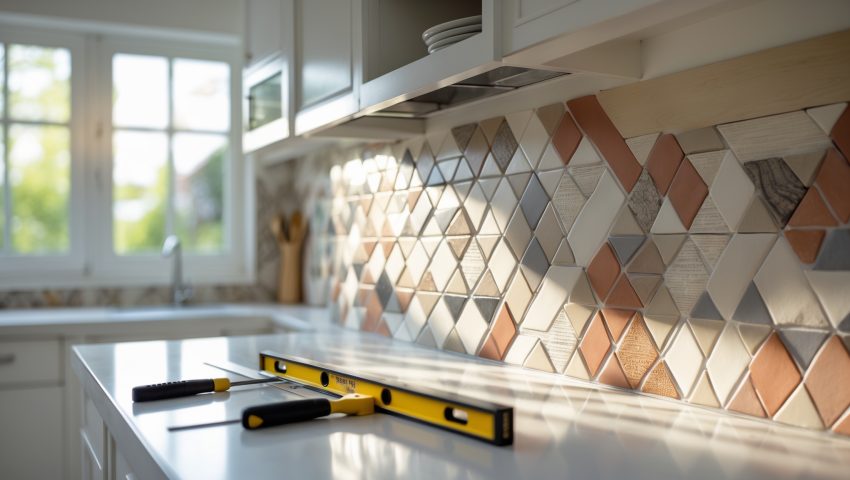
Introduction: Why a Tile Backsplash Is a Game-Changer for U.S. Kitchens
A tile backsplash is more than just a decorative element—it’s a practical upgrade that protects your walls from spills, splatters, and everyday kitchen wear. Whether you’re aiming to boost your home’s value, refresh a tired space, or simply add a personal touch, installing a tile backsplash is a DIY project with a significant visual payoff. Unlike large-scale renovations, a backsplash can be completed in a weekend, requires a modest budget, and doesn’t demand extensive construction skills. Yet, even though it’s approachable, getting it right requires more than just sticking tiles on the wall. From choosing the right materials and budgeting for costs, to understanding compliance issues and mastering installation techniques, every step matters for a result that looks professional and lasts for years. In this in-depth guide tailored for U.S. homeowners, we’ll walk you through everything you need to know—so you can sidestep common pitfalls, make smart decisions, and create a kitchen feature you’ll love.
Planning Your Backsplash: Design, Materials, and Compliance
Choosing the Right Tile: Material, Style, and Durability
The U.S. market offers an abundance of tile options—ceramic, porcelain, glass, natural stone, and even peel-and-stick. Each material comes with unique benefits:
- Ceramic: Affordable, easy to cut, and widely available. Ideal for first-time installers.
- Porcelain: Denser and less porous than ceramic, making it more durable and stain-resistant.
- Glass: Reflects light beautifully, but requires careful handling and specialized cutting tools.
- Natural Stone (marble, travertine, slate): Timeless look, but often pricier and needs sealing.
- Peel-and-Stick: Quick to install, no grout needed, but less durable and may not meet fire codes behind cooktops.
When selecting tile, consider the overall kitchen style, existing colors, and the level of maintenance you’re willing to handle. For high-traffic kitchens, prioritize durability and ease of cleaning.
Measuring the Space and Calculating Tile Quantity
Measure the width and height of your backsplash area (typically the space between the countertops and upper cabinets). Multiply to get the total square footage. Always add 10–15% extra to your order to accommodate cuts and future repairs. For intricate patterns or mosaics, consider ordering up to 20% extra.
Understanding U.S. Compliance: Codes & Permits
Most U.S. municipalities do not require permits for backsplash installation unless you’re making electrical or plumbing modifications. However, pay attention to the following:
- Electrical Outlets: National Electrical Code (NEC) requires GFCI outlets in kitchen areas. If you need to move or add outlets, check with your local building department.
- Fire Safety: For backsplashes behind stoves, some regions have minimum clearance requirements or restrictions on combustible materials. Porcelain, ceramic, or glass tile are generally code-compliant, but always verify locally.
If you’re unsure, a quick call to your local building authority can save you headaches later.
Budget Breakdown: What to Expect for a DIY Tile Backsplash
Typical Cost Ranges in the U.S.
A DIY kitchen backsplash can be surprisingly affordable. Here’s a typical breakdown (based on a standard 20 sq. ft. area):
- Tile: $2–$25 per sq. ft. (basic ceramic to premium marble or glass)
- Thinset Mortar: $10–$25 per bag
- Grout: $8–$20 per bag
- Backer Board (if needed): $10–$20 per sheet
- Tools/Supplies: $50–$150 (trowel, spacers, tile cutter, level, sponge, etc.)
- Miscellaneous: $10–$25 (caulk, sealer, etc.)
Typical total: $150–$700, depending on tile choice and existing tools. If you opt for specialty tiles or need to buy all tools new, costs can rise accordingly.
Hidden Costs to Watch For
- Surface Preparation: Damaged drywall or uneven walls may require repairs or new backer board.
- Waste/Overage: Don’t skimp on extra tile—breaking mid-project can delay completion if stock runs out.
- Unexpected Issues: Hidden outlets, pipes, or poorly aligned cabinets may require extra time and materials.
Planning for contingencies helps keep your project on budget and on schedule.
Tools & Equipment: The DIYer’s Backsplash Kit
Essential Tools
- Measuring tape
- Pencil and straightedge
- Level or laser level
- Tile cutter or wet saw (rental options available at most U.S. hardware stores)
- Tile nippers (for intricate cuts)
- Notched trowel (size depends on tile type)
- Rubber grout float
- Sponge and buckets
- Plastic spacers
- Painter’s tape
- Safety gear: gloves, safety glasses, dust mask
Optional, But Helpful
- Mixing paddle and drill (for large batches of mortar)
- Oscillating multi-tool (removing old backsplash or trimming tight spots)
- Caulk gun (for sealing edges)
If you plan to tile regularly, investing in a quality tile cutter pays off. For one-off projects, renting a wet saw is cost-effective and ensures cleaner cuts, especially with glass or large-format tiles.
Preparation: Setting Yourself Up for Success
Protecting Your Kitchen
- Clear countertops and remove small appliances.
- Cover counters, stove, and floors with drop cloths or plastic sheeting.
- Turn off power at the breaker to kitchen outlets and switches in the backsplash area for safety.
Surface Assessment & Repair
- Remove old backsplash or clean existing drywall thoroughly.
- Patch holes and sand rough areas. For water-damaged or uneven walls, install cement backer board.
- Prime freshly repaired surfaces to improve mortar adhesion—avoid glossy paint finishes.
Laying Out the Design
Measure and mark the centerline of your backsplash area. Dry-fit a row of tiles across the wall to ensure balanced cuts at the edges. Use a level to draw a straight reference line, especially in older homes where countertops or cabinets may not be perfectly square. This prevents ‘creeping’ rows that look uneven once installed.
Step-by-Step Installation: From First Tile to Final Caulk
1. Mixing and Applying Mortar
- Mix thinset mortar according to manufacturer’s instructions. Consistency should resemble creamy peanut butter—sticky but not runny.
- Using a notched trowel, spread mortar over a small section (2–3 sq. ft.). Comb straight, even ridges for optimal tile adhesion.
2. Setting the Tiles
- Press the first tile into place at your layout reference line. Add spacers between tiles for consistent grout lines.
- Continue placing tiles, working in small sections to prevent mortar drying out. Periodically check with a level.
- Cut tiles as needed for edges, outlets, or around cabinets using your tile cutter or nippers.
3. Dealing with Outlets and Obstacles
- Remove outlet covers. Mark and cut tiles to fit around electrical boxes. Use a multi-tool or tile nippers for tricky cuts.
- Outlet extenders may be necessary to bring receptacles flush with the new tile surface—available at all major U.S. hardware stores.
4. Allowing Mortar to Set
Once all tiles are set, let the mortar cure for at least 24 hours. Avoid disturbing tiles during this period for best results.
5. Grouting
- Mix grout according to package directions. Remove spacers.
- Spread grout diagonally across tiles using a rubber float, pressing into joints.
- Wipe excess grout with a damp sponge, rinsing frequently. Avoid over-wetting joints.
- Let grout set for 30–60 minutes, then polish tile faces with a clean, dry cloth.
6. Sealing and Caulking
- Apply grout sealer after 48–72 hours (for porous tiles and grout types that require it).
- Run a bead of silicone caulk along the countertop and at corners for a watertight finish.
- Replace outlet covers, restoring power only when all surfaces are dry.
Finishing Touches & Maintenance Best Practices
Cleaning Up: Immediate and Long-Term
- Remove all protective coverings and wipe down surfaces.
- Clean haze from tile faces (especially glass or glossy finishes) with a microfiber cloth.
- Dispose of unused mortar and grout responsibly—never down the drain.
Ongoing Maintenance
- Wipe down backsplash regularly with a mild cleaner to prevent grease buildup.
- Inspect grout lines annually; re-seal as needed to prevent staining or mold.
- Repair any cracked or missing grout promptly to stop water infiltration behind tiles.
Common Mistakes to Avoid
- Skipping surface prep—tiles won’t adhere properly to dirty or uneven walls.
- Not using spacers or a level—results in crooked, uneven tiles.
- Rushing grout cleanup—grout haze is much harder to remove once dry.
- Neglecting safety: Always wear protective gear during cutting and mixing.
Conclusion: Achieving a Pro-Level Finish—And Why It Matters
Installing a tile backsplash is one of those rare DIY projects that combines creativity, practicality, and genuine transformation. Not only does it shield your kitchen walls from everyday messes, but it also offers an opportunity to infuse the room with color, texture, and personality. By carefully planning your design, budgeting accurately, assembling the right tools, and following each installation step with precision, you can achieve a result that rivals professional work—at a fraction of the cost. Paying attention to compliance and safety ensures your project is up to code and stands the test of time.
The effort you invest in preparation and detail work pays off every time you walk into your kitchen. You’ll enjoy easier cleaning, improved durability, and a boost in both visual appeal and property value. Plus, mastering this project builds DIY confidence for your next home improvement goal, be it big or small.
Remember, every backsplash tells a story—not just of style, but of the hands-on care you’ve put into your home. With the knowledge and tips from this guide, you’re well-equipped to take on the challenge and enjoy lasting results. Happy tiling!
If my budget is limited but I want something more durable than ceramic, is there a cost-effective porcelain option you recommend for first-time DIYers?
Porcelain tiles are a great choice for durability and can be budget-friendly. Look for porcelain subway tiles or basic matte-finish options at home improvement stores, which are often affordable and manageable for first-time DIYers.
You mention backsplashes can be done in a weekend, but for a total beginner with limited time, should I plan for extra days or is two days usually realistic?
For a total beginner, it’s best to allow an extra day or two beyond the weekend, especially for prep work and letting adhesive or grout dry properly. Two days is possible, but a little extra time helps reduce stress.
You mention that ceramic tiles are good for beginners. What tools do I definitely need for installing ceramic versus glass tiles for my first project?
For ceramic tiles, you’ll need a tile cutter, notched trowel, spacers, level, and grout float. For glass tiles, use a wet saw with a diamond blade for cleaner cuts, plus the same basic tools as ceramic.
Could you clarify if there are specific fire codes in the US that restrict using peel-and-stick backsplash tiles behind gas or electric cooktops?
Yes, most U.S. fire codes require backsplash materials behind cooktops to be non-combustible. Peel-and-stick tiles are usually not fire-rated, so they’re not recommended directly behind gas or electric cooktops. Always check local building codes before installation.
Is there a big difference in the tools needed to cut glass tiles compared to ceramic tiles for a backsplash project?
Yes, there is a difference. For glass tiles, you’ll need a wet saw with a diamond blade designed for glass to prevent chipping. Ceramic tiles can often be cut with a manual tile cutter or snap cutter.
For someone new to tiling, how do you know if your kitchen walls need extra prep or reinforcement before installing a heavy material like natural stone?
Check if your walls are flat, clean, and free of damage or moisture. For heavy materials like natural stone, ensure the wall is sturdy—drywall should be securely attached, or consider cement backer board for extra strength and support.
If I accidentally crack a tile while installing, do I need to remove the whole row or is it easy to replace just the single damaged tile?
If you crack a tile during installation, you only need to replace the damaged tile, not the whole row. Carefully remove the broken tile and any adhesive, then install a new tile in its place.
Does peel-and-stick tile ever meet code behind a stove, or should I only consider ceramic or porcelain in that area for safety?
Peel-and-stick tiles usually don’t meet fire safety codes behind a stove, as they’re not heat resistant. For safety and compliance, ceramic or porcelain tile is the better choice for that area.
What are some tips for choosing between ceramic and porcelain tiles if I’m on a tight budget but want good durability?
Ceramic tiles are generally more affordable than porcelain and still offer good durability for kitchen backsplashes. If your budget is tight, choose ceramic tiles with a quality glaze for easy cleaning and adequate protection against splashes.
If I use peel-and-stick tiles, do I need to worry about fire codes behind my stove, and are there any workarounds for that area?
Peel-and-stick tiles often aren’t rated for high heat and may not meet fire codes behind stoves. For safety, use a heat-resistant material like tempered glass or metal in that area, or check for peel-and-stick tiles specifically rated for stove use.