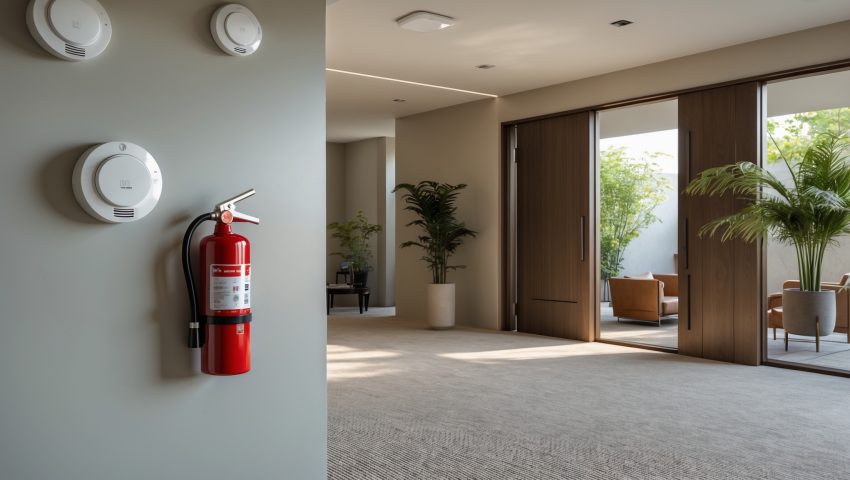
Introduction: Why Fire Safety Upgrades Matter in Every Home
Fire safety is often an afterthought in home improvement, yet it is one of the most critical elements to protect your loved ones and property. Each year, residential fires cause thousands of injuries, billions in property loss, and immeasurable distress across the United States. While smoke detectors and fire extinguishers are common, many homes lack thorough, up-to-date fire safety measures—especially in older properties or after DIY renovations. Upgrading your home’s fire safety isn’t just about compliance; it’s about peace of mind and proactive protection. Whether you’re a seasoned DIYer or a first-time homeowner, integrating fire safety upgrades into your improvement projects can save lives, reduce insurance premiums, and increase property value. This detailed guide covers essential DIY fire safety upgrades, from selecting the right equipment and materials, to budgeting, installation, compliance, and ongoing maintenance. Let’s ensure your next home project isn’t just beautiful, but also built to protect.
Understanding Fire Risks: Where DIYers Go Wrong
Common Fire Hazards in Homes
Before making upgrades, it’s crucial to identify the most common sources of residential fires. These include:
- Electrical faults (outdated wiring, overloaded outlets, improper DIY electrical work)
- Kitchen mishaps (unattended cooking, grease fires)
- Heating equipment (space heaters, fireplaces, chimneys)
- Flammable materials (improper storage of chemicals, clutter near heat sources)
- Neglected smoke alarms and fire extinguishers
Beginner Mistakes to Avoid
- Using non-fire-rated materials in renovations
- Blocking escape routes with furniture or decor
- Improper electrical repairs without permits
- Failing to replace expired fire safety equipment
Awareness is the first step. Audit your home with these risks in mind before starting any DIY upgrades.
Essential Fire Safety Upgrades for DIYers
1. Smoke and Carbon Monoxide Detectors
- Placement: Install in every bedroom, outside each sleeping area, and on every level of the home—including the basement.
- Types: Opt for dual-sensor (ionization and photoelectric) smoke detectors for comprehensive coverage.
- Smart Options: Consider interconnected or smart detectors that alert your phone.
- DIY Installation: Most models are battery-operated and easy to mount. Hardwired options may require electrical know-how and a permit.
2. Fire Extinguishers
- Types: Class ABC extinguishers handle most household fires. Keep specialty extinguishers (Class K) in the kitchen.
- Placement: Mount in kitchens, garages, utility rooms, and near exits.
- DIY Tip: Use approved mounting brackets, and ensure extinguishers are visible and easily accessible.
3. Fire Escape Ladders
- Install escape ladders in upper-floor bedrooms, especially if window egress is the only exit.
- Practice deploying ladders with the family to ensure everyone is familiar with the process.
4. Fire-Resistant Building Materials
- Doors: Upgrade to solid-core or fire-rated doors, particularly between garages and living spaces.
- Drywall: In high-risk areas (garage, utility rooms), use Type X fire-rated drywall.
- Insulation: Opt for fire-resistant insulation, especially in attics and walls near heat sources.
5. Electrical Safety Upgrades
- Replace old outlets with tamper-resistant, GFCI, or AFCI outlets where required.
- Install surge protectors on major appliances and entertainment systems.
- Label circuits clearly in your breaker box for faster shutdowns in emergencies.
Cost Breakdown & Budgeting for Fire Safety Upgrades
Typical Upgrade Costs
- Smoke/CO Detectors: $20–$60 per unit for basic; $80–$150 for smart models
- Fire Extinguishers: $30–$60 each (Class ABC); $50–$100 (Class K or specialty)
- Escape Ladders: $40–$100 each
- Fire-Rated Doors: $150–$400 per door (plus hardware)
- Fire-Rated Drywall: $15–$20 per sheet (4×8 ft)
- Electrical Upgrades: $5–$25 per outlet; $15–$50 per surge protector
For a typical 3-bedroom home, a comprehensive DIY fire safety upgrade can range from $500 to $2,000, depending on your selections and whether you do the labor yourself.
Saving on Costs
- Look for multi-packs of detectors and extinguishers
- Combine upgrades with other projects (e.g., replace doors and drywall during renovations)
- Check for local rebates or insurance discounts for fire safety improvements
Compliance, Permits, and Insurance Considerations
Building Codes and Local Regulations
Fire safety upgrades sometimes require permits or must meet code standards, especially for electrical or structural work:
- Hardwired smoke detectors and new circuits often require a permit and inspection.
- Fire-rated doors for garage-to-house entry are mandated in many jurisdictions.
- Check local codes for minimum requirements on detectors, egress, and materials.
Insurance Benefits and Obligations
- Upgrades may qualify you for lower premiums—contact your provider to report improvements.
- Keep receipts, photos, and permit records for any insurance claims.
- Improper DIY electrical work can void coverage. If unsure, hire a licensed electrician for critical upgrades.
Step-by-Step Guide: Installing Fire Safety Devices
Installing a Smoke/CO Detector
- Choose a central ceiling location, at least 4 inches from the wall.
- Mark mounting holes using the detector’s bracket as a template.
- Drill pilot holes and insert anchors if needed.
- Screw the bracket to the ceiling/wall.
- Insert batteries, attach the detector, and test for operation.
- Repeat for each required location.
Mounting a Fire Extinguisher
- Choose a spot near an exit or hazard area (kitchen, garage, utility room).
- Mount 3–5 feet above the floor, using provided bracket hardware.
- Ensure the extinguisher is visible and unobstructed.
- Label the location if hidden behind a cabinet or door.
Upgrading to a Fire-Rated Door
- Measure the existing door and frame to ensure compatibility with a fire-rated model.
- Remove the old door and hardware.
- Install the new door, checking for proper swing and latch alignment.
- Seal gaps with approved fire-rated weatherstripping.
- Affix the certification label for inspection.
Adding a Fire Escape Ladder
- Store the ladder in its box near the window in each upper-floor bedroom.
- Secure with included hooks or mounting brackets, if provided.
- Practice deployment with all household members.
Maintenance Best Practices for Fire Safety Upgrades
Smoke/CO Detectors
- Test monthly by pressing the test button.
- Replace batteries every 6–12 months, or as indicated.
- Replace the entire unit every 7–10 years (check manufacturer’s date).
Fire Extinguishers
- Check pressure gauge monthly.
- Shake lightweight models occasionally to prevent powder settling.
- Replace or service after use, damage, or when expired (every 5–15 years).
Fire Escape Ladders
- Inspect for corrosion, broken rungs, or damage annually.
- Review and practice escape plans with family twice a year.
Fire-Rated Doors and Materials
- Inspect seals and hardware annually; repair or replace as needed.
- Keep areas around doors and escape routes clear of obstructions.
Common Myths About Home Fire Safety Upgrades
- Myth: “I have insurance, so I don’t need upgrades.”
Fact: Most policies require working detectors and may deny claims for code violations or negligence. - Myth: “Only old houses need fire safety work.”
Fact: New builds face risks from modern materials and changing layouts. All homes benefit from upgrades. - Myth: “DIY upgrades aren’t as good as professional work.”
Fact: With the right materials and adherence to code, DIY fire safety upgrades can be just as effective—and more affordable.
Case Study: Fire Safety Makeover in a 1970s Suburban Home
When the Johnson family purchased a 1970s split-level in Ohio, they were shocked to find only two outdated smoke alarms and no fire extinguishers. During renovations, they:
- Replaced all detectors with interconnected smart models
- Installed new fire extinguishers in the kitchen, garage, and basement
- Upgraded the garage entry door to a 90-minute fire-rated unit
- Swapped old electrical outlets for tamper-resistant and AFCI models
- Added escape ladders to each upstairs bedroom
The family spent under $1,800 and received a 7% annual insurance discount. Most importantly, they gained confidence knowing their home was equipped for emergencies. Six months later, a kitchen grease fire was quickly contained with an extinguisher, avoiding major damage.
Conclusion: Building a Safer Home—One Upgrade at a Time
Fire safety upgrades are among the most valuable and impactful DIY projects you can undertake. Unlike cosmetic improvements, these changes offer real, lasting protection for your family and your investment. By proactively installing modern detectors, accessible extinguishers, escape ladders, and fire-resistant materials, you reduce the risk of tragedy and demonstrate responsible homeownership. Remember—fire safety isn’t a one-time effort: regular maintenance, periodic reviews, and updating your plans as your household changes are essential. Don’t wait until after an emergency to discover your home’s vulnerabilities. Start with an assessment today, prioritize your upgrades, and tackle them step by step. The peace of mind you gain is well worth the investment. With knowledge, preparation, and a DIY spirit, you can build not just a better home, but a safer one—ready for whatever the future holds.
In older homes that have outdated wiring, what specific steps should DIYers take to safely upgrade electrical systems for fire prevention without hiring a pro?
For older homes with outdated wiring, DIYers should first turn off power at the main breaker, inspect visible wiring for damage, and replace old outlets or switches with modern, properly rated versions. Avoid altering main circuits or panels—consulting a licensed electrician is crucial for major rewiring.
Could you elaborate on which fire safety upgrades have the biggest impact on reducing insurance premiums for older homes?
For older homes, installing interconnected smoke alarms, upgrading electrical systems, and adding fire-resistant roofing often have the greatest impact on lowering insurance premiums. Insurers value these upgrades because they significantly reduce fire risks.
When choosing materials for a renovation, how can I tell if something is truly fire-rated or just advertised that way?
To ensure a material is truly fire-rated, look for official certifications like UL, ASTM, or NFPA standards on the product label or documentation. Check for third-party testing results rather than relying solely on marketing claims.
For someone updating electrical in an older home, are there specific signs that DIY electrical work might have created new fire hazards?
Yes, some warning signs include frequent tripped breakers, flickering lights, outlets that are warm or sparking, and a burning smell. If you notice any of these after DIY work, it’s best to have a licensed electrician check your wiring.
If my electrical work was done by a previous owner, how can I check if it’s safe before I start my own projects?
Hire a licensed electrician to inspect your electrical system for outdated wiring, faulty connections, or code violations. They can identify hidden issues and ensure your setup is safe before you start any DIY projects.
After identifying common fire hazards, how often should small business owners re-inspect or update their fire safety measures to ensure ongoing protection?
Small business owners should re-inspect or update their fire safety measures at least once a year, or sooner if there are significant changes in layout, occupancy, or equipment. Regular reviews help maintain compliance and ensure safety remains up to date.
Does upgrading to fire-rated materials for renovations significantly increase project costs, or are there budget-friendly options you suggest?
Upgrading to fire-rated materials can raise costs, but there are budget-friendly options. Look for rated gypsum board, fire-retardant paints, and affordable solid-core doors. Prices vary, so compare materials and prioritize upgrades in high-risk areas first to manage your budget.
If a smoke alarm keeps giving false alarms after a DIY installation, what troubleshooting steps would you recommend before replacing the unit?
First, check if the alarm is installed too close to kitchens or bathrooms, as steam and cooking smoke can trigger false alarms. Make sure it’s mounted on a clean surface and dust the unit gently. Also, ensure the batteries are fresh and installed correctly.
Once I finish installing new smoke and carbon monoxide detectors, how often should I test them and what maintenance steps should I do to keep them reliable?
Test your smoke and carbon monoxide detectors once a month by pressing the test button. Replace batteries at least once a year and clean the units regularly to remove dust. Replace the detectors themselves every 7-10 years.
Could you explain what counts as a fire-rated material and where exactly it should be used during DIY renovations?
A fire-rated material is tested to resist fire for a specific period, like fire-rated drywall or doors. Use these around stairwells, between garages and living areas, and in walls or ceilings near heat sources to slow fire spread.
Are there specific fire-rated materials you recommend for DIY renovations, especially for older homes?
For DIY renovations in older homes, consider using fire-rated drywall (Type X), fire-resistant insulation like mineral wool, and intumescent paint. These materials help improve fire safety and are commonly available at most hardware stores.
You mention budgeting for fire safety upgrades—are there specific cost-effective materials or products that still meet safety standards for small businesses operating from a converted home space?
Yes, you can use photoelectric smoke alarms, ABC-rated fire extinguishers, and fire-retardant paint, all of which are affordable and meet safety standards. Make sure any electrical upgrades or exit signs are UL-listed to ensure compliance.
What’s the best way to check if previous owners used non-fire-rated materials during past renovations before starting my own upgrades?
To check for non-fire-rated materials from past renovations, inspect exposed areas like attics or basements for labeling on insulation or drywall. If unsure, consult past building permits or hire a qualified inspector to assess suspect areas before starting your upgrades.
What are some common permit requirements for DIY electrical repairs related to fire safety that homeowners might overlook?
Homeowners often overlook permits for adding new circuits, upgrading electrical panels, or installing extra outlets. Even minor changes like moving switches or lights may require approval, especially if they impact fire safety codes. Always check with your local building department first.
Does the article have any advice on how to identify if the existing wiring in an older house is safe, or should a professional always be called in first?
The article suggests looking for warning signs like frayed wires, frequent blown fuses, or scorch marks around outlets. However, it emphasizes that for thorough safety checks, especially in older homes, consulting a licensed electrician is strongly recommended.
How much should I budget for upgrading all my smoke and carbon monoxide detectors if I have a two-story house with four bedrooms?
For a two-story house with four bedrooms, budgeting around $200 to $400 should cover quality smoke and carbon monoxide detectors for each floor and bedroom. Prices vary by brand and features, so check for combination units to save costs.
Could you explain a bit more about choosing fire-rated materials for renovation projects, especially if you’re on a tight budget?
When on a tight budget, focus on fire-rated drywall for walls and ceilings, and use fire-resistant caulks and sealants around openings. Look for materials labeled with UL or ASTM fire ratings, and prioritize areas near kitchens and exits.
If my smoke alarms and extinguishers are a few years old but not expired, should I still consider replacing them during a renovation?
If your smoke alarms and extinguishers are still within their recommended lifespan and working properly, replacement isn’t required. However, a renovation is a good time to test them, check batteries, and consider upgrades for better safety features.
Could you explain what makes a material ‘fire-rated’ and how to tell if the products I’m buying meet that standard for DIY projects?
A ‘fire-rated’ material has been tested to withstand fire or heat for a specific time, usually by meeting recognized safety standards. Look for certification labels like UL, ASTM, or NFPA on packaging or product documentation to confirm fire-rating.
When budgeting for DIY fire safety improvements, which upgrades tend to offer the best protection for the cost in older houses?
For older houses, installing smoke alarms on every level, adding fire extinguishers, and ensuring safe electrical wiring give strong protection for a reasonable cost. Sealing up old doors with fire-resistant materials is also effective. Prioritize these for the best value.
When selecting fire-rated materials, are there specific certifications or labels I should look for to ensure compliance?
Yes, check for certifications like UL (Underwriters Laboratories), ASTM (American Society for Testing and Materials), or NFPA (National Fire Protection Association) ratings on fire-rated materials. These labels confirm the materials meet recognized fire safety standards.
Could you clarify how to tell if my older home’s wiring is up to code before I start any upgrades? I want to avoid electrical faults but don’t know what to look for.
Check your home’s wiring by looking for signs like fabric-covered wires, old fuse boxes, or outlets without grounding holes. If you spot any, it’s best to have a licensed electrician inspect your system before starting upgrades.
When budgeting for fire safety upgrades, are there certain areas where it’s okay to save money, and others where it’s worth spending more?
It’s wise to invest more in essentials like smoke alarms, fire extinguishers, and high-quality wiring. You can save money on things like decorative fire-resistant finishes, but don’t cut costs on core safety equipment or professional electrical work.
Are there specific fire-rated materials you recommend for renovations in older homes, especially when updating walls or floors?
For older homes, consider using fire-rated drywall (Type X), mineral wool insulation, and fire-retardant-treated plywood for walls. For floors, look for fire-resistant underlayments and flooring materials like ceramic tile or stone. Always check local codes for approved options.
When choosing materials for renovations, how can I tell if something is truly fire-rated and up to code, especially when shopping at big box stores?
Check for clear labeling like UL or ASTM fire ratings on packaging, and ask store staff for documentation or datasheets. You can also compare product codes to your local fire code requirements to ensure full compliance.
What are the recommended maintenance intervals for smoke alarms and fire extinguishers after installation, and how can homeowners keep track of these dates effectively?
Test smoke alarms monthly and replace their batteries at least once a year. Fire extinguishers should be checked monthly and professionally serviced every 6 years. Homeowners can keep a maintenance log or set digital calendar reminders to track these dates.
Can you explain which fire safety upgrades might be most important for families with young kids, especially when it comes to kitchens and electrical outlets?
For families with young kids, install tamper-resistant electrical outlets and stove knob covers in the kitchen to prevent burns or shocks. Use smoke alarms with voice alerts and keep fire extinguishers within easy reach but out of children’s access.
What are some recommended fire-rated materials I should use for DIY projects to make sure I meet safety requirements?
For DIY fire safety, consider using fire-rated drywall (Type X), fire-resistant insulation like mineral wool, intumescent paint for wood framing, and solid core fire-rated doors. Always check your local building codes for material requirements before starting your project.
You talk about auditing the home for risks before starting upgrades. Is there a simple checklist or tool you recommend for a first-timer to spot the most common hazards?
Yes, a simple checklist can help. Look for things like working smoke detectors, clear escape routes, overloaded outlets, and proper storage of flammable materials. Walking through each room with this in mind is a great starting point for first-timers.
When upgrading fire safety systems during DIY renovations, how can I ensure the new materials and equipment are compliant with local fire codes?
Check with your local building department for current fire codes before purchasing materials or equipment. Use products that are clearly labeled as compliant, and always keep documentation or certifications in case an inspection is required.
For someone on a tight budget, which fire safety upgrade from your list should I prioritize first to make the biggest difference?
Installing smoke alarms should be your top priority. They are affordable, easy to set up, and provide early warning in case of fire, making the single biggest difference for safety on a budget.
Can you recommend fire-rated renovation materials that are budget-friendly and easy to find at big box stores for a DIY project?
You can look for fire-rated drywall (Type X), mineral wool insulation, and fire-resistant caulking at most big box stores. These materials are affordable, commonly stocked, and straightforward to use for DIY fire safety upgrades.
Can you give specific advice on how to safely update old electrical wiring during a DIY renovation, especially in older homes?
When updating old wiring, always turn off power at the breaker, use a voltage tester to confirm circuits are dead, and replace knob-and-tube or cloth wiring with modern insulated wire. If unsure, consult a licensed electrician for safety.
What are the best ways to check if existing electrical wiring in an older home is up to current fire safety standards before starting upgrades?
Hire a licensed electrician to inspect the wiring, as they can identify outdated materials, overloaded circuits, and safety code violations. They may also use circuit testers and thermal imaging tools to spot hidden hazards before any DIY upgrades begin.
How often should smoke alarms and fire extinguishers be checked or replaced to really stay up-to-date with fire safety?
Smoke alarms should be tested monthly and batteries replaced at least once a year. Replace the entire smoke alarm every 10 years. Fire extinguishers should be checked monthly and replaced or serviced every 5 to 15 years, depending on manufacturer guidelines.
Can you share tips on selecting fire-rated materials for DIY renovations, especially for those of us on a tighter budget?
Look for fire-rated drywall and insulation, which are often labeled as Type X or have UL ratings. Check local hardware stores for discounted or surplus materials, and prioritize using fire-rated doors in key areas like garages and basements.
If I’m upgrading fire safety in an older house, what’s the safest way to check for outdated wiring or electrical hazards before starting any DIY projects?
Before starting any DIY work, turn off the main power and inspect visible wiring for fraying, discoloration, or cracking. If the wiring looks old or unfamiliar, or if breakers trip often, consult a licensed electrician to assess hidden hazards safely.
Are there budget-friendly ways to improve fire safety, especially for DIYers who might not be able to replace everything at once?
Absolutely. Start by testing and replacing batteries in smoke detectors, using fire-retardant sprays on curtains, and keeping exits clear. You can also add affordable fire extinguishers and practice an escape plan without major renovations.
If I’m renting an apartment with outdated smoke detectors, what should I do to make sure I’m still protected even if I can’t do major upgrades?
You can use battery-powered smoke detectors or plug-in models, placing them in key areas like bedrooms and hallways. Also, regularly test any existing detectors and replace their batteries to ensure they’re working.
Can you elaborate on how to choose the best fire-rated materials if I’m updating an older home?
When updating an older home, look for materials labeled with UL or ASTM fire ratings. Prioritize fire-rated drywall, doors, and insulation. Check local building codes for required ratings, and consult suppliers about compatibility with existing structures.
What are some cost-effective fire-rated materials you recommend for people updating rooms on a tight budget?
Consider using fire-rated drywall (Type X), mineral wool insulation, and fire-retardant paint as affordable options. These materials are widely available, effective, and suitable for DIY projects, making them great choices for budget-friendly fire safety upgrades.
Could you give advice on choosing fire-rated renovation materials that are still budget-friendly for DIYers?
Look for gypsum-based drywall labeled as Type X, which offers good fire resistance at a reasonable price. For doors, opt for solid core rather than hollow, as they’re safer and affordable. Check local hardware stores for fire-rated caulks and sealants, too.
For older homes with outdated wiring, what are some DIY steps you can safely take before calling an electrician to address potential fire hazards?
You can check for overloaded outlets, replace damaged extension cords, ensure smoke detectors work, and avoid using high-wattage appliances in old outlets. Always avoid opening electrical panels or rewiring—leave those tasks to a licensed electrician.
How often should smoke detectors and fire extinguishers actually be replaced, and is it worth upgrading to smart versions during a DIY project?
Smoke detectors should usually be replaced every 10 years, and fire extinguishers every 5 to 15 years depending on the type and manufacturer. Upgrading to smart versions can add convenience and extra safety features, making them a worthwhile option during a DIY upgrade.
You mention budgeting for fire safety upgrades—do you have any tips on how to estimate costs for replacing smoke alarms and fire extinguishers throughout a typical single-family home?
To estimate costs, count the number of smoke alarms and fire extinguishers you need—usually one alarm per bedroom and floor, plus extinguishers in the kitchen and garage. Check prices at local stores; alarms often range from $15–$40 each, extinguishers $25–$50 each.
Could you explain how to choose between different types of smoke and carbon monoxide detectors for a DIY fire safety upgrade?
Choose combination detectors for both smoke and carbon monoxide if you want simplicity. Use ionization smoke detectors for fast-flaming fires, photoelectric for smoldering fires, or dual-sensor models for broad protection. Battery-powered models are easier for DIY, but hardwired offer reliability.
Can you explain how to check if my older home’s electrical wiring is safe before I start any DIY fire safety upgrades?
Start by turning off power and visually inspecting wires for cracks, fraying, or exposed metal. Check outlets for loose plugs or discoloration. If unsure, consider hiring a licensed electrician to do a thorough safety inspection before making any upgrades.
Are there specific fire-rated materials you recommend for kitchen renovations that balance safety and appearance?
For kitchen renovations, consider fire-rated gypsum board for walls, fire-resistant mineral wool insulation, and tempered glass for cabinets. Stainless steel or fire-resistant countertops like quartz also offer both safety and a sleek appearance.
Are there budget-friendly ways to add fire safety upgrades during a kitchen remodel, or are most safety products pretty expensive?
There are several budget-friendly fire safety upgrades you can add during a kitchen remodel. Installing smoke detectors, fire extinguishers, and using fire-retardant materials are affordable options. Also, organizing clutter and keeping appliances clean helps improve safety at little or no cost.
In older homes with outdated wiring, do you recommend hiring a licensed electrician for inspections before doing any DIY fire safety upgrades, or are there reliable ways to assess electrical risks myself?
For older homes with outdated wiring, it’s safest to hire a licensed electrician for a thorough inspection before starting any DIY fire safety upgrades. Electrical issues can be hard to spot and can pose serious risks if not properly handled.
Are there fire-rated materials that are both affordable and easy for a DIYer to install during simple renovations like painting or reflooring a room?
Yes, some fire-rated gypsum boards and fire-resistant paints are budget-friendly and designed for DIY use. For reflooring, consider fire-retardant underlays or rugs. Always follow manufacturer instructions for effective installation and safety.
If I’ve already done some basic renovations, how can I tell if I accidentally blocked an escape route or missed a fire hazard?
Check if all exits, like doors and windows, are clear and easy to open. Walk through your home as if you’re escaping in an emergency. Also, review the article’s fire hazard list and compare each point to your recent renovation areas.
If my budget is limited, which single fire safety upgrade from your list would give my family the biggest safety boost until I can tackle more projects?
If you can only choose one upgrade for now, installing smoke alarms in every sleeping area and on every level of your home will offer the biggest safety improvement for your family.
I’m new to home improvement projects and wondering how to tell if my existing wiring is outdated or poses a fire risk before I start upgrades.
Check for signs like frequent blown fuses, tripped breakers, flickering lights, or outlets that feel warm. If your home is over 30 years old or has aluminum wiring, it’s smart to have a licensed electrician inspect it before any upgrades.
When upgrading an older home, how do you tell if the existing electrical wiring is safe enough or if it needs to be fully replaced for fire safety?
Check for signs like frayed wires, frequent blown fuses, flickering lights, or outdated knob-and-tube wiring. If you notice any of these, or if the wiring can’t support modern appliances, have a licensed electrician assess whether full replacement is needed.
How can small businesses budget effectively for both residential-style and commercial fire safety upgrades if they operate out of older homes?
Start by getting a fire safety assessment to pinpoint urgent needs. Compare the costs of residential and commercial-grade upgrades, then prioritize must-haves first. Plan for phased improvements and set aside a maintenance fund to spread costs over time.
Could you share tips on how to make sure escape routes stay clear during major DIY remodels, especially if space is limited?
During remodels, keep hallways and doors free of tools and debris by designating a specific area for storage. Regularly check that exits remain accessible and create temporary paths if needed, even if it means reorganizing your workspace daily.
Are there affordable fire-rated materials you recommend for someone on a college student budget doing small renovations?
Yes, consider using fire-rated drywall, which is reasonably priced and easy to install. You can also look for fire-resistant caulks and inexpensive door seals to improve safety without spending much.
When upgrading my smoke alarms, is there a big difference in safety between hardwired units and battery-powered ones, especially in older homes?
Hardwired smoke alarms offer greater safety because they’re interconnected and have a constant power source, but battery-powered units are still effective if installed correctly and batteries are replaced regularly. For older homes, hardwired upgrades are ideal but may require professional installation.
For someone on a tight budget, which fire safety upgrade from your list gives the best protection for the money?
Installing smoke alarms is the most cost-effective fire safety upgrade. They’re affordable, easy to install, and provide early warning in case of fire, offering excellent protection for the money.
After installing new smoke and CO detectors, what kind of ongoing maintenance schedule should I stick to so I don’t accidentally neglect them over time?
Test your smoke and CO detectors every month and replace the batteries at least once a year, or as recommended by the manufacturer. Also, clean the detectors with a vacuum brush every few months and replace the units every 7-10 years.
If my house is older and has outdated wiring, what’s the safest way to handle electrical upgrades as a DIYer without risking code violations or fire hazards?
For older homes with outdated wiring, it’s safest to hire a licensed electrician for major upgrades. If you do minor work yourself, always turn off the main power, use proper materials, and check local code requirements before starting.
What’s the best way to keep escape routes clear in small spaces where furniture placement is already really tight?
Try to arrange furniture so that at least one clear pathway leads from each room to an exit. Opt for multi-functional or slim furniture to save space and avoid placing items near doors or windows that serve as escape routes.
How often should smoke alarms and fire extinguishers be checked or replaced as part of ongoing maintenance after these upgrades?
Smoke alarms should be tested monthly and batteries replaced at least once a year. The entire unit should be replaced every 10 years. Fire extinguishers should be checked monthly for pressure and condition, and replaced or serviced every 5–15 years, depending on the manufacturer’s guidelines.
If I want to replace my smoke alarms, is there a way to tell if my current ones are expired, or should I just replace them all to be safe?
You can usually find the manufacture or expiration date on the back of your smoke alarms. Most should be replaced every 10 years. If your alarms are older or you can’t find the date, it’s safest to replace them all.
For someone on a limited budget, which fire safety upgrades should be prioritized first for the best protection and insurance benefits?
Start by installing smoke detectors in every bedroom and hallway, and check that they work regularly. Also, keep a fire extinguisher in the kitchen. These steps are affordable, boost safety, and are often required by insurance policies.
How should I determine if my current smoke alarms and fire extinguishers are expired, and what is the recommended replacement schedule for these items in an older home?
Check each smoke alarm for a manufacturing or expiration date—most need replacing every 10 years. Fire extinguishers usually last 5–15 years; look for a label or pressure gauge. If you’re unsure or can’t find a date, it’s safest to replace them.
Could you clarify which types of fire-rated materials you recommend for common DIY renovations, especially for older homes?
For DIY renovations in older homes, I recommend using fire-rated drywall (Type X), mineral wool insulation, and solid core doors. These materials help slow fire spread and are commonly available at hardware stores.
If I want to replace smoke alarms and fire extinguishers myself, are there specific brands or certifications I should look for to make sure they’re up to code?
Look for smoke alarms and fire extinguishers that are UL-listed or have an equivalent nationally recognized certification. These labels indicate that the products meet safety standards. Popular brands like Kidde and First Alert are commonly used and widely accepted.
When budgeting for fire safety upgrades, are there specific improvements that tend to offer the best insurance premium reductions?
Insurance companies often give the biggest premium reductions for installing monitored smoke detectors, fire alarms, and sprinkler systems. Upgrading electrical wiring and adding fire-resistant doors can also help, but monitored systems usually have the most impact.
The article mentions reducing insurance premiums with upgrades—do insurers require proof of specific fire safety improvements to get those discounts?
Yes, most insurers will ask for proof of your fire safety upgrades before applying discounts. This could include photos, receipts, or inspection reports. It’s best to check with your insurer to see exactly what documentation they need.
When doing home improvements, how can I make sure I’m not accidentally blocking escape routes with furniture or built-ins?
Take measurements of escape routes like hallways and doorways before adding furniture or built-ins. Make sure these paths always stay clear and wide enough for quick movement, and regularly check that nothing blocks exits in case of emergency.
Are there budget-friendly options for upgrading outdated electrical wiring that still comply with safety codes, especially if I want to avoid major demolition?
Yes, you can use surface-mounted raceways or conduit to run new wiring along walls, which limits demolition. Always use code-approved materials and consult an electrician to ensure all upgrades meet local safety regulations.
If I’m renovating an older house, how do I know if the existing wiring is safe or needs upgrading to reduce fire risks?
To check if your wiring is safe, look for old or damaged wires, frequent blown fuses, or flickering lights. It’s best to have a licensed electrician inspect the system, especially in older homes, to ensure everything meets current safety standards.
Can you clarify how to tell if fire safety equipment like extinguishers or alarms are expired or no longer compliant with current codes?
Check the manufacturing or expiry date labeled on fire extinguishers and alarms. Extinguishers typically last 5-15 years, while smoke alarms should be replaced every 10 years. Always compare your equipment to current local fire codes to confirm compliance.
If some electrical work was done by a previous owner without permits, what are the first steps I should take to ensure fire safety before making further DIY improvements?
Start by having a licensed electrician inspect your electrical system for safety and code compliance. Address any hazards they identify before beginning new DIY projects. This helps prevent fire risks and ensures your upgrades are built on a safe foundation.
How do you figure out which fire safety upgrades will actually lower your insurance premiums, or does it depend on the insurance company?
It does depend on your insurance company. Generally, upgrades like smoke detectors, sprinkler systems, and fire extinguishers may qualify, but you should contact your insurer directly to find out which improvements can lower your premiums.
You mention that fire safety upgrades can lower insurance premiums—how do you show proof of these improvements to your insurance company?
To show proof, take clear photos of your fire safety upgrades and keep receipts or installation documents. Then, send these to your insurance company, either by email or through their online portal, and ask if they need any additional verification.
For older homes, how can you tell if existing smoke alarms and extinguishers are still compliant or if they should be replaced during a renovation?
Check the expiration dates on your smoke alarms and extinguishers—most alarms last 10 years, and extinguishers usually need replacing after 5-15 years. Also, confirm they meet current local fire codes, as standards may have changed since they were installed.
When budgeting for fire safety upgrades, which improvements tend to offer the best balance between cost and increased safety?
Installing smoke alarms and carbon monoxide detectors offer excellent safety benefits for a relatively low cost. Upgrading fire extinguishers and ensuring clear, accessible escape routes are also cost-effective improvements that greatly enhance home fire safety.
When doing home improvement projects, how can I make sure I’m not accidentally blocking escape routes or exits with new furniture arrangements?
Before moving or adding furniture, map out all exits and escape routes. Keep them clear of obstructions, allowing at least a 3-foot-wide path. After arranging furniture, walk through each route to make sure you can exit quickly and safely.
When budgeting for fire safety upgrades, are there specific areas where a small business owner should prioritize spending, especially in older buildings?
For older buildings, prioritize updating smoke detectors, installing fire extinguishers, and improving emergency exits. Also, consider upgrading old wiring and ensuring clear signage. These areas deliver the most impact for safety and compliance with limited budgets.
After a DIY renovation, what’s the best way to check if furniture or new decor is blocking escape routes or exits in case of a fire?
Walk through your home and follow each possible escape route, making sure you can move quickly and easily without moving furniture or objects. Check that all doorways, hallways, and windows are clear and accessible.
For budgeting purposes, how much should a homeowner expect to spend on basic DIY fire safety improvements like smoke detectors and fire extinguishers?
For basic upgrades, expect to spend around $20–$40 per smoke detector and $30–$60 per fire extinguisher. Outfitting an average home typically costs between $100 and $250, depending on the number and types of devices needed.
When budgeting for these fire safety upgrades, which item should be the top priority if I can only tackle one project at a time?
If you need to prioritize, start with installing or upgrading smoke alarms. They offer the quickest and most effective warning in case of fire, making them the most crucial first step for home safety.
How can I tell if the fire safety equipment I already have, like extinguishers and alarms, are expired or need replacing before starting my DIY upgrade?
Check the manufacturing or expiration dates on your extinguishers and alarms. For extinguishers, look for a pressure gauge—if it’s in the red, replace it. Test alarms monthly and replace batteries or devices if they’re over 10 years old.
When upgrading smoke and carbon monoxide detectors as a DIYer, do you recommend hardwiring them or just using battery-operated ones for older homes?
For older homes, battery-operated detectors are easier to install and still provide solid protection. However, hardwired units with battery backup offer more reliability if you can safely add wiring. Choose what best fits your comfort level and home’s setup.
For someone on a tight budget, which fire safety upgrade from your list would make the biggest impact if I can only tackle one project this month?
If you’re on a tight budget and can only choose one upgrade, installing or checking smoke alarms is the most impactful step. It’s affordable, quick to do, and provides essential early warning in case of fire.
If I recently renovated my kitchen, how can I tell if the materials I used are actually fire-rated or if I need to make changes?
Check product labels, packaging, or receipts for fire ratings like UL or ASTM. If unsure, contact the manufacturer or installer for certification details. Upgrading to fire-rated materials may be wise if your current materials lack clear fire safety ratings.
When budgeting for fire safety improvements, which upgrades tend to have the biggest impact on insurance premiums or property value?
Installing interconnected smoke and carbon monoxide detectors, upgrading to fire-resistant doors, and adding a sprinkler system often have the biggest impact. These upgrades can lower insurance premiums and increase property value, since they significantly improve a home’s overall fire safety.
Could you give a ballpark estimate on how much it typically costs to upgrade smoke detectors and fire extinguishers in an average older home?
Upgrading smoke detectors in an average older home usually costs between $100 and $300, depending on the number and type. Adding fire extinguishers might add another $40 to $100 each. So, total costs are often $200 to $500.
You mentioned budgeting for fire safety upgrades—are there affordable equipment options that still meet compliance standards?
Yes, there are affordable options like basic smoke alarms, fire extinguishers, and fire blankets that meet safety standards. Look for products with recognized certifications, and consider shopping during sales or in value packs to save money.
If my house has older wiring, how can I tell which upgrades I should tackle myself versus when I need a professional for fire safety?
For older wiring, you can handle tasks like updating smoke detectors or replacing outlet covers yourself. But any rewiring, adding circuits, or fixing sparking outlets should be left to a licensed electrician for safety.
How much should I budget for upgrading basic smoke detectors and extinguishers to more advanced options mentioned in your guide?
For advanced smoke detectors and extinguishers, you should budget around $50–$150 per smart smoke detector and $40–$100 per upgraded fire extinguisher. Total costs depend on the number of units needed for your home’s size.
What are some effective ways to audit for outdated wiring or electrical faults before starting a DIY renovation, especially in older homes?
To audit for outdated wiring or electrical faults, start by checking for old knob-and-tube wiring, frayed insulation, and ungrounded outlets. Look for flickering lights and warm or buzzing outlets. It’s smart to hire a licensed electrician for a thorough inspection before you begin.
Could you clarify what counts as a fire-rated material for DIY renovations, and are there affordable options you recommend for older homes?
Fire-rated materials are specifically designed to resist fire and slow its spread. Examples include Type X drywall, fire-rated insulation, and certain fire-retardant paints. For older homes, Type X drywall and fire-resistant caulk are affordable, effective options.
You mention that fire safety upgrades can help reduce insurance premiums. Do you have any tips on documenting DIY improvements to make sure insurance companies acknowledge them?
Take clear before-and-after photos of your upgrades, keep receipts for any materials, and write a brief description of each improvement. Share this documentation with your insurance provider and ask if they need additional proof or an inspection.
If I want to combine fire safety upgrades with other home improvements, how can I ensure I’m not accidentally blocking escape routes or exits with new furniture or decor?
Before adding new furniture or decor, sketch out your rooms and mark clear paths to all exits. Make sure escape routes remain wide and free of obstacles. Test walking these paths to confirm easy access during an emergency.
What should I do if my home has old wiring but I want to avoid major electrical work—are there safer DIY steps to reduce fire risk?
If your home has old wiring, use extension cords sparingly, avoid overloading outlets, and replace damaged cords or plugs. Install smoke alarms and fire extinguishers, and keep flammable items away from electrical sources. For any serious concerns, consult a licensed electrician.
Can you suggest budget-friendly fire safety improvements for parents who might not have time for a full renovation?
Absolutely! Simple steps like installing smoke alarms in every bedroom, keeping fire extinguishers in the kitchen, using outlet covers, and practicing a family fire escape plan can all boost safety without major renovations or big expenses.
Does adding extra smoke alarms throughout my home really lower insurance premiums, or is placement more important for effectiveness?
Adding extra smoke alarms may not significantly lower your insurance premiums, but proper placement is crucial for safety. Insurance companies usually require working alarms in key areas, like bedrooms and hallways, for effective protection and compliance.
How much should a small business owner budget for basic fire safety upgrades to stay compliant and possibly reduce insurance premiums?
For a small business, budgeting $1,000 to $5,000 for basic fire safety upgrades—like alarms, extinguishers, exit signs, and inspections—should cover compliance needs. Costs vary by building size and requirements, but proper upgrades can help lower insurance premiums.
Could you share some budget-friendly tips for integrating fire safety upgrades during renovations without spending a lot on specialized materials?
You can improve fire safety on a budget by installing battery-operated smoke detectors, using fire-retardant paint on key surfaces, sealing gaps with fire-resistant caulk, and keeping escape routes clear. These solutions require minimal investment and don’t need specialized materials.
When budgeting for these upgrades, what are some affordable but effective fire safety improvements for someone just starting out with DIY projects?
Start with installing smoke alarms in key areas, adding fire extinguishers, and using fire-resistant sealants around electrical outlets. These upgrades are affordable, easy for beginners, and make a big difference in home safety.
For homeowners on a tight budget, which fire safety upgrades would you recommend prioritizing first after auditing for risks?
Start by installing working smoke alarms in every bedroom and main living area, check electrical outlets for overload, and keep a fire extinguisher in the kitchen. These upgrades are low-cost but highly effective at improving home fire safety.
When budgeting for fire safety improvements, are there any particular upgrades that tend to offer the biggest impact per dollar spent, especially for first-time homeowners?
For first-time homeowners, installing smoke alarms and carbon monoxide detectors provides excellent protection at a low cost. Adding fire extinguishers and upgrading to fire-resistant doors or materials in key areas can also deliver strong value for your budget.
If my house still has older wiring, is that something I can upgrade myself safely or should I always hire a pro for electrical fire prevention?
For older wiring, it’s safest to hire a licensed electrician. DIY electrical work can be risky and might not meet code requirements, which could increase fire hazards rather than prevent them.
Could you clarify what permits are typically needed for DIY electrical work when upgrading fire safety in an older home?
For DIY electrical work related to fire safety upgrades, most areas require an electrical permit, especially if you’re adding or modifying wiring, outlets, or alarm systems. It’s important to check with your local building department for specific permit requirements in your area.
Can you recommend affordable but reliable brands of smoke alarms and fire extinguishers for beginners on a tight budget?
For budget-friendly smoke alarms, First Alert and Kidde are both reliable choices. For fire extinguishers, Kidde and Amerex offer affordable, beginner-friendly models. Be sure to check for UL certification to ensure quality and safety.
If I’m upgrading an older home, how do I know if the existing wiring is too outdated or unsafe for new fire safety equipment?
To check if your wiring is outdated or unsafe, look for cloth-wrapped wires, ungrounded outlets, or frequent blown fuses. It’s a good idea to have a licensed electrician inspect the system before installing new fire safety equipment.
What is the best way to check if my current fire extinguishers and alarms are expired or no longer reliable?
To check fire extinguishers, look for the expiration or manufacture date on the label—most last 5-15 years. For alarms, check the back for a date; replace smoke alarms every 10 years and carbon monoxide detectors every 5-7 years.
What kind of permits or inspections are usually required if I want to handle minor electrical repairs myself while doing fire safety upgrades?
For minor electrical repairs, permits and inspections often depend on your local regulations. Some areas require a permit even for small tasks, while others allow homeowners to do minor work without one. It’s best to check with your local building department first.
After installing new smoke detectors, what’s the best way to make sure they stay in compliance and don’t become neglected like you mentioned?
Test your smoke detectors monthly, replace the batteries at least once a year, and mark your calendar for regular checks. Also, dust the units occasionally to keep sensors clear, and replace the detectors themselves every 10 years.
Do most home insurance companies actually offer discounts if you upgrade your fire safety equipment, and if so, what kind of upgrades do they look for?
Yes, many home insurance companies offer discounts when you install or upgrade fire safety equipment. They typically look for smoke detectors, fire extinguishers, sprinkler systems, and monitored fire alarms. Always check with your provider to see which upgrades qualify.
When budgeting for fire safety improvements, which upgrades usually make the biggest difference in lowering insurance premiums for homeowners?
Insurance companies often offer the biggest premium reductions for installing monitored smoke detectors, sprinkler systems, and hardwired fire alarms. Upgrading outdated wiring and adding fire-rated doors can also help, but monitored alarm systems usually have the most impact.
Does upgrading fire safety equipment usually lower home insurance, and if so, what specific improvements make the biggest difference?
Upgrading fire safety equipment can often lower your home insurance premiums. Major improvements like installing hardwired smoke detectors, monitored fire alarms, or a sprinkler system typically have the biggest impact. Check with your insurer for their specific requirements.
How do you figure out if your current fire extinguishers or smoke alarms are expired or no longer compliant with newer safety standards?
Check the manufacturing or expiration date on your fire extinguishers and smoke alarms—usually found on the device label. For compliance, compare the model to current safety standards, and replace devices older than 10 years or those missing certification marks.
Could you clarify which fire safety upgrades can usually be handled safely by a DIYer versus those that really need a professional, like electrical updates or installing fire-rated doors?
DIYers can usually handle tasks like adding smoke detectors, fire extinguishers, and escape ladders. More complex upgrades—such as electrical system changes or installing fire-rated doors—should be handled by licensed professionals to ensure safety and compliance.
When budgeting for fire safety upgrades, what are the most cost-effective improvements to prioritize for an older home?
For an older home, start with installing smoke and carbon monoxide detectors, as they’re inexpensive and crucial. Next, check and update electrical wiring if needed. Fire extinguishers in key locations and escape ladders for upper stories are also affordable, high-impact upgrades.
Is there a way to tell if my DIY electrical work is up to code, or should I always hire a professional for fire safety reasons?
For fire safety, DIY electrical work should meet local codes. Unless you’re very familiar with regulations and inspection standards, it’s safer to have a licensed professional review or handle the work to ensure compliance and reduce fire risks.
If I recently upgraded my electrical outlets myself, what signs should I watch for to ensure I haven’t increased my fire risk?
Watch for warm or discolored outlets, frequent tripped breakers, strange smells like burning plastic, or sparking when plugging in devices. If you notice any of these, turn off power and consult a licensed electrician to check your work.
Are there fire-rated materials that are also budget-friendly for homeowners trying to upgrade on a tight budget?
Yes, there are budget-friendly fire-rated materials available, such as Type X drywall, fire-retardant paints, and certain mineral wool insulations. These options offer added fire protection without significantly raising your renovation costs.
If I’ve already completed some home improvements, how can I double-check that I haven’t accidentally blocked any escape routes or violated fire codes?
Walk through your home and ensure all exits, like doors and windows, open easily and aren’t blocked by furniture or renovations. You can also consult your local fire code or request a fire department inspection for added peace of mind.
Does upgrading fire safety features like alarms and extinguishers really lower home insurance premiums, or is that more of a long-term thing?
Upgrading fire safety features can sometimes lead to lower home insurance premiums, but it’s not guaranteed. Some insurers may offer immediate discounts, while others see it as a long-term risk reduction. It’s best to check with your provider.
If I want to upgrade smoke alarms and fire extinguishers, do you recommend specific brands or features for older homes?
For older homes, consider smoke alarms with photoelectric sensors for better detection of smoldering fires and models with 10-year sealed batteries. For fire extinguishers, look for multi-purpose (ABC-rated) units with a metal valve for durability.
What kind of budget should I expect if I want to upgrade smoke alarms and fire extinguishers throughout an older home?
For an older home, budgeting around $25–$50 per smoke alarm and $30–$50 per fire extinguisher is reasonable. The total cost will depend on the number of rooms and key locations you plan to equip.
Do you have any suggestions for fire-rated materials that are beginner-friendly for DIY renovations, especially when working on older homes?
Fire-rated drywall and mineral wool insulation are both beginner-friendly and work well in older homes. You can also use fire-rated caulk and sealants around electrical boxes and joints. These materials are widely available and don’t require special tools.
You mentioned reducing insurance premiums with fire safety upgrades—do insurance companies require any specific features, or is it just a general discount for improvements?
Insurance companies often give general discounts for fire safety improvements, but some may require specific features like smoke detectors, fire extinguishers, or sprinkler systems. It’s best to check with your insurer to see what qualifies for a discount.
When budgeting for fire safety upgrades, are there certain items I should prioritize if I can’t afford to do everything at once?
Focus first on installing smoke alarms in key areas like bedrooms and hallways, and make sure you have at least one fire extinguisher, ideally in the kitchen. Next, consider upgrading outdated wiring or replacing faulty electrical outlets.
Is there a recommended budget range for essential fire safety upgrades if I want to avoid overspending on my DIY project?
For essential DIY fire safety upgrades, a typical budget range is $100 to $500, depending on the home’s size and your current setup. Focus spending on smoke detectors, fire extinguishers, and safe wiring to maximize safety without overspending.
When budgeting for fire safety upgrades, which items typically have the highest upfront costs for a DIYer?
For most DIYers, hardwired smoke detectors, fire-rated doors, and installing home sprinkler systems tend to have the highest upfront costs. Fire extinguishers and basic alarms are usually much less expensive comparatively.
After installing new smoke alarms, how often should I check or replace them to make sure they stay effective?
Test your smoke alarms once a month to ensure they’re working. Replace the batteries at least once a year, and replace the entire smoke alarm unit every 10 years to keep them effective.
How can small business owners ensure their building renovations stay compliant with fire safety codes, especially when making electrical updates themselves?
Small business owners should consult local fire safety codes before starting any renovations. For electrical updates, it’s best to work with a licensed electrician or have your work inspected to ensure compliance and safety.
Do you have any tips for making sure that DIY electrical upgrades don’t accidentally increase fire risks, especially in older homes?
When upgrading electrical systems, always turn off power before starting, use the correct wire gauges, and ensure all connections are secure. In older homes, check for outdated or damaged wiring and consider having a licensed electrician inspect your work for safety.
Can you explain what fire-rated materials are and how I can tell if the products I’m buying are actually fire-rated for DIY renovations?
Fire-rated materials are specially designed to withstand fire for a certain period, slowing its spread. Check product labels or packaging for fire rating certifications, such as UL or ASTM standards, to confirm they meet safety requirements for DIY projects.
When upgrading smoke alarms, is there a big difference in protection between interconnected wired systems and newer wireless options for older homes?
Both interconnected wired and newer wireless smoke alarm systems provide enhanced protection by ensuring all alarms sound during an emergency. Wireless options are especially practical for older homes, offering similar safety levels without the need for extensive rewiring.
When updating fire safety equipment, how often should things like smoke alarms and extinguishers actually be replaced or checked according to current standards?
Smoke alarms should be tested monthly, with batteries replaced yearly, and the whole unit replaced every 10 years. Fire extinguishers should be checked every month and replaced or serviced every 5 to 15 years, depending on the manufacturer’s guidelines.
When budgeting for fire safety upgrades, which improvements tend to give the most noticeable reduction in insurance premiums?
Installing hardwired smoke detectors, a monitored fire alarm system, and home sprinkler systems typically lead to the most noticeable reductions in insurance premiums. Check with your insurer which upgrades qualify for discounts before starting your project.
Are there budget-friendly fire safety upgrades you recommend for first-time DIYers without replacing all my smoke alarms?
Absolutely. You can add fire extinguishers in key areas, use fire-retardant spray on curtains, check and clear dryer vents, and install battery-operated carbon monoxide detectors. Also, make sure escape routes are clear and practice a home fire drill.
How can I make sure my DIY electrical work complies with permits and safety codes to avoid fire risks?
Before starting any DIY electrical work, check local permit requirements and building codes. Use approved materials, follow installation guidelines, and consider having your work inspected by a licensed electrician to ensure safety and compliance.
When budgeting for fire safety upgrades, are there certain improvements that typically offer the biggest impact for the lowest cost?
Yes, smoke detectors and fire extinguishers usually offer the biggest impact for the lowest cost. Installing these in key areas, along with regularly checking fire alarms, can significantly improve home safety without a large investment.
How do you recommend budgeting for both smoke and carbon monoxide detectors when updating fire safety equipment in an older home?
Begin by assessing how many detectors you need for your home’s size and layout. Research average prices for both smoke and carbon monoxide units, then set a budget that covers purchasing quality devices and any necessary batteries or installation materials.
Are there certain fire safety upgrades that are more budget-friendly for a family with kids, or is it best to invest in everything at once?
Some budget-friendly upgrades include installing smoke alarms in key rooms, using outlet covers, and keeping fire extinguishers handy. You don’t have to do everything at once—starting with these basics is effective and can be expanded as your budget allows.
Can you explain how often smoke alarms and extinguishers should be checked or replaced to avoid neglect mentioned in the article?
Smoke alarms should be tested monthly and their batteries replaced at least once a year. Replace the entire smoke alarm every 10 years. Fire extinguishers should be checked monthly and replaced every 10–12 years, or immediately if damaged or discharged.
When checking for blocked escape routes, how do I know if my furniture placement is safe enough, or should I follow certain guidelines?
Make sure all escape routes, like hallways and doors, are completely clear and easy to access without moving furniture. Aim for at least a 3-foot-wide path, and avoid placing large items near exits or along main pathways.
You mention insurance premiums might decrease after upgrades—are there certain fire safety improvements that typically have the biggest impact on lowering costs?
Installing monitored smoke detectors, sprinkler systems, and fire-resistant roofing materials are improvements most likely to lower insurance premiums. Each insurer is different, so it’s best to confirm with your provider which upgrades will have the most impact.
If I want to do some minor electrical work myself, what are the most important safety steps to make sure I’m not increasing fire risks?
Always turn off power at the breaker before starting any electrical work. Use a voltage tester to confirm wires are not live, and never work with wet hands. Double-check all connections are tight and use proper-rated components.
When budgeting for fire safety upgrades, which improvements offer the most protection for the least money if I can only tackle one or two projects right now?
Installing smoke alarms and fire extinguishers provides the most protection for a low cost. Smoke alarms alert you early to danger, and extinguishers let you respond immediately. Prioritize these before moving on to bigger upgrades.
Could you clarify how often smoke alarms and fire extinguishers should be checked or replaced during ongoing maintenance after a DIY upgrade?
Smoke alarms should be tested monthly and their batteries replaced at least once a year. Replace the entire smoke alarm every 10 years. Check fire extinguishers monthly and replace or service them if the pressure gauge is not in the green zone or after use.
Is there an affordable way to upgrade fire safety equipment that still meets compliance without hiring a professional?
Yes, you can install affordable, certified smoke and carbon monoxide alarms yourself, and use fire extinguishers rated for home use. Just ensure all products meet local codes and follow the manufacturer’s instructions for proper placement and testing.
Is there a way to estimate the budget difference between basic fire safety equipment and more advanced options during a home remodel?
You can estimate the budget difference by listing the basic equipment costs, like smoke detectors and fire extinguishers, and comparing them with advanced options such as interconnected alarms or sprinkler systems. Research typical prices for each to get a clearer picture of the cost gap.
Does upgrading to fire-rated materials during a renovation significantly impact the overall project budget, especially for older homes?
Upgrading to fire-rated materials can increase renovation costs, particularly in older homes where more extensive updates or adjustments may be needed. However, these materials add important safety benefits and may help reduce insurance costs over time.
When upgrading smoke alarms during a renovation, is it better to choose hardwired systems over battery-operated ones for an older home?
Hardwired smoke alarms are generally safer because they’re interconnected and have battery backup, making them more reliable. If your renovation allows for wiring upgrades, hardwiring is a better choice, especially for enhanced safety in older homes.
Are there budget-friendly options for upgrading fire safety equipment that still meet modern standards, especially for older homes?
Yes, there are cost-effective fire safety upgrades for older homes, such as installing battery-operated smoke and carbon monoxide detectors, using fire-retardant spray on fabrics, and adding fire extinguishers in key areas. These options meet modern safety standards.
How can I tell if my older house has outdated wiring that could be a fire risk before starting DIY improvements?
Look for signs like frequent blown fuses, flickering lights, discolored outlets, or old knob-and-tube wiring. If you notice any of these, consider having a licensed electrician inspect your wiring before starting DIY upgrades.
If I want to handle basic electrical fixes myself, what are some signs that I should call in a licensed professional instead to avoid fire hazards?
If you notice flickering lights, burning smells, frequent circuit breaker trips, or see frayed or exposed wires, it’s best to call a licensed professional. Also, if you’re unsure about wiring diagrams or local codes, expert help is safest.
For older homes with outdated wiring, what are some safe DIY steps I can take before calling in a professional electrician?
Before calling a professional, you can check for overloaded outlets, replace damaged extension cords, and ensure smoke detectors are working. Avoid opening electrical panels or rewiring circuits yourself, as these should be handled by a licensed electrician.
When updating smoke detectors and fire extinguishers in a retail space, are there specific types or certifications I should look for beyond what’s recommended for homes?
Yes, for retail spaces, look for smoke detectors and fire extinguishers with UL or FM approval and ensure they’re rated for commercial use. Also, check local fire codes, as commercial requirements are often stricter than those for homes.
Can you clarify what counts as a fire-rated material for DIY renovations, especially for older homes?
A fire-rated material is tested to resist fire for a specific period, like fire-rated drywall, solid wood doors, or certain insulation types. For older homes, look for UL or ASTM certifications when selecting materials to ensure proper fire resistance.
Do you have any tips for identifying if the wiring in an older home is still safe, or when it’s time to call in a professional for an upgrade?
Look for signs like frequent blown fuses, flickering lights, discolored outlets, or a burning smell. If you notice any of these or your wiring is over 40 years old, it’s best to call a licensed electrician for inspection.
When upgrading fire safety equipment in an older property, how do I know if I need to update my wiring or just add new alarms?
If your home has very old wiring or no hardwired smoke alarms, it’s wise to consult an electrician. For homes with up-to-date wiring, adding battery-operated alarms may be enough, but older systems may need rewiring for optimal safety.
Do DIY fire safety improvements usually lower your home insurance premiums right away, or does it take some sort of inspection for that to happen?
DIY fire safety improvements typically need to be verified by your insurance provider before you see any premium reduction. Most insurers require documentation or an inspection to confirm that upgrades meet their standards.
How do I make sure that my DIY electrical repairs meet permit requirements and do not create new fire risks?
To ensure your DIY electrical repairs meet permit requirements, check your local building codes and apply for necessary permits before starting. Always use approved materials, follow manufacturer guidelines, and have your work inspected by a licensed electrician to prevent fire hazards.
You mentioned using fire-rated materials during renovations. How can I tell if a material is actually fire-rated before buying it for a DIY project?
Look for official certifications like UL, ASTM, or NFPA ratings on product labels or packaging. Product descriptions should mention ‘fire-rated’ or ‘fire-resistant.’ If unsure, ask the retailer or check the manufacturer’s specifications for fire safety standards.
For older homes that might have outdated wiring, do you recommend hiring an electrician for an initial safety audit before starting any DIY fire upgrades?
Yes, hiring a licensed electrician for an initial safety audit is highly recommended, especially in older homes. They can identify wiring issues or fire hazards that should be addressed professionally before you begin any DIY fire safety upgrades.
Could you explain what ‘fire-rated materials’ are and how I can tell if the products I’m using meet that standard for DIY projects?
Fire-rated materials are specially designed to resist fire and slow its spread. To check if your products are fire-rated, look for labels or certifications like UL or ASTM fire ratings on the packaging or in the product details.
How do you figure out if your current smoke alarms and fire extinguishers are too old or not compliant with modern standards before replacing them?
Check the manufacturing or expiration date on your smoke alarms and fire extinguishers—smoke alarms usually need replacing every 10 years, and extinguishers generally last 5–15 years. Also, verify they meet current local or national safety standards on their labels.
When upgrading smoke alarms, is it better to go for hardwired models or are battery-operated ones usually sufficient for older homes?
Hardwired smoke alarms offer more reliability because they’re connected to your home’s power and often have battery backup. For older homes, battery-operated models are easier to install, but hardwired alarms are generally recommended if you’re able to update your wiring.
How often should fire safety equipment like extinguishers or alarms actually be replaced, and is there a good way to track expiration dates during ongoing DIY projects?
Fire extinguishers typically need replacement or servicing every 5–15 years, depending on the type and manufacturer. Smoke alarms should be replaced every 10 years. A helpful way to track expiration dates is by labeling each device with its install and expiry date or keeping a home maintenance log.
What’s the best way to keep escape routes clear in smaller homes without sacrificing too much space for storage or furniture?
Use compact, multi-purpose furniture and wall-mounted storage to maximize space while keeping pathways open. Regularly declutter and ensure that exits and hallways are always unobstructed, even if it means rethinking the layout to prioritize safe escape routes.
For someone new to DIY, how do you know which materials are actually fire-rated versus regular ones when shopping at a hardware store?
When shopping, look for labels marked ‘fire-rated’ or ‘fire-resistant’ on the packaging. You can also ask store staff to confirm. Fire-rated materials often include ratings like UL, ASTM, or specific fire-resistance timeframes.
Are there specific fire-rated materials you recommend for kitchen renovations to minimize fire risks mentioned in the article?
For kitchen renovations, consider using fire-rated drywall (Type X), non-combustible insulation like mineral wool, and metal-backed electrical boxes. Installing a heat-resistant backsplash and choosing fire-resistant countertops such as quartz or granite can also help minimize fire risks.
If I’ve already done some renovations, what’s the best way to audit my property for risks like blocked escape routes or outdated alarms before making further upgrades?
Walk through your home and check that all escape routes are clear and easy to access. Test smoke and carbon monoxide alarms, making sure they work and are placed correctly. You might also consider a professional safety inspection for a thorough assessment.
If I accidentally block an escape route with furniture, what are some quick ways to rearrange or modify the space to ensure safe egress during a fire?
Move furniture away from doors and windows to clear pathways at least 36 inches wide. Use lightweight or foldable pieces for flexibility, and keep escape routes uncluttered so you can exit quickly and safely in case of fire.
Can you explain how to tell if my home’s wiring is outdated and what the safest DIY approach would be for minor fixes?
Signs of outdated wiring include frequent blown fuses, discolored outlets, or flickering lights. For minor DIY fixes, you can replace outlet covers or tighten loose connections, but for any rewiring or if you notice major issues, call a licensed electrician.
I’m planning a kitchen remodel soon. What are the first fire safety steps I should take before starting any renovation work?
Before starting your kitchen remodel, make sure to check that all smoke detectors are working and accessible. Turn off power and gas to appliances, remove any flammable materials, and have a fire extinguisher nearby during your renovation work.
When budgeting for fire safety improvements, which upgrades tend to give the biggest impact on insurance premiums?
Upgrades like installing interconnected smoke alarms, modern fire extinguishers, and home sprinkler systems usually have the most noticeable effect on lowering insurance premiums. Insurers often offer discounts for these safety features due to the reduced fire risk.
Do you have any recommendations on how to budget for fire safety upgrades if my property is older and needs several improvements?
Start by listing all needed upgrades and getting quotes for materials or professional help. Prioritize the most urgent fixes first, like smoke alarms and safe wiring, then tackle others as your budget allows. Grants or insurance discounts may also help offset costs.
If my house has older wiring, how can I tell if it’s safe to tackle some electrical fire safety upgrades myself or if I should hire a licensed electrician?
If your house has older wiring, it’s safest to hire a licensed electrician, especially if you’re unsure about its condition. DIY upgrades can be risky with outdated systems. An electrician can assess the wiring and recommend safe, code-compliant improvements.
Do you have any tips for choosing fire-rated materials that are also affordable for a DIY project, especially in older homes?
Look for materials labeled with UL or ASTM fire ratings, as they meet safety standards. Gypsum board, mineral wool insulation, and fire-rated caulk are usually affordable. Also, check local hardware stores for bulk discounts or discontinued stock, which can lower costs.
You mentioned insurance premiums might go down after fire safety upgrades. Do insurers usually require proof of specific improvements, or does any upgrade qualify?
Insurers often require documentation, such as receipts or photos, to verify specific fire safety upgrades before adjusting your premium. Not all upgrades qualify; usually, only recognized improvements like installing smoke alarms or sprinkler systems are considered.
When upgrading fire safety equipment, how can I be sure I’m staying compliant with local regulations, especially if I’m handling the installation myself?
To ensure compliance, check your local building codes and fire department guidelines before installing any equipment. You can also contact your local authority or a licensed inspector for advice specific to your area.
You mention not using non-fire-rated materials during renovations—can you give examples of what materials I should look for or avoid when doing DIY projects?
When tackling DIY projects, choose fire-rated drywall, insulation, and doors for better safety. Avoid using untreated wood, standard foam insulation, or regular plastic panels in areas needing fire resistance, as these materials can be highly flammable.
If my house has older wiring but I’ve never had an issue, how do I know if it actually needs to be updated for fire safety?
Even if you haven’t had problems, older wiring can still pose hidden fire risks. It’s wise to have a licensed electrician inspect your system, especially if your wiring is cloth-covered, aluminum, or over 40 years old.
If I live in an older home, what should I prioritize first: updating electrical wiring or installing new smoke alarms?
Start by installing new smoke alarms, as they provide immediate protection. After that, prioritize updating your electrical wiring since older wiring can be a significant fire risk and should be addressed as soon as possible.
Do you have recommendations for specific fire-rated materials that are readily available to DIYers, especially for those of us renovating older homes?
For DIY fire safety upgrades, consider products like fire-rated drywall (Type X), fire-resistant insulation such as mineral wool, intumescent caulk for sealing gaps, and solid core fire doors. These are commonly available at major hardware stores and suitable for older homes.
If I upgrade my smoke and CO detectors, how often should I schedule maintenance or replacements to make sure they’re still effective over time?
Test your smoke and CO detectors monthly, clean them regularly, and replace the batteries at least once a year. Replace the entire units every 7–10 years, or as recommended by the manufacturer, to ensure they remain effective.
When budgeting for fire safety upgrades, which investments tend to have the biggest impact on insurance premiums or property value?
Installing interconnected smoke alarms, upgrading to hardwired or smart detection systems, and adding fire-resistant doors or materials typically provide the biggest impact on insurance premiums and property value. These upgrades are recognized by insurers and buyers as major safety improvements.
If I find expired fire extinguishers during my audit, should I dispose of them through a special service or is there a safe way to handle this myself?
Expired fire extinguishers should not be thrown in regular trash. Check with your local fire department or hazardous waste facility for proper disposal—they often have specific guidelines or collection services for old extinguishers.
Could you recommend budget-friendly fire safety equipment that still meets current standards for a small home renovation?
For a small home renovation, consider photoelectric smoke alarms, a multipurpose ABC fire extinguisher, and fire-resistant caulk. These items are affordable, meet current standards, and provide essential coverage for most homes. Be sure to check for UL or relevant certifications.
If my house has older wiring and I want to upgrade fire safety myself, are there certain improvements I shouldn’t attempt without a licensed electrician?
Yes, you should avoid working on older electrical wiring yourself, as it can be hazardous and may not meet current codes. For major electrical updates or panel replacements, it’s best to hire a licensed electrician for safety and compliance.
For older homes that haven’t been renovated recently, what’s the best way to audit existing wiring before starting fire safety upgrades?
For older homes, it’s safest to hire a licensed electrician to inspect your wiring. They can check for outdated or damaged wires, overloaded circuits, and other hazards before you begin any fire safety upgrades.
Can you explain how to check if my older home’s wiring is up to current fire safety standards before I start any electrical DIY project?
Before starting any electrical DIY, have a licensed electrician inspect your wiring for outdated materials like knob-and-tube or aluminum, check for grounded outlets, and ensure your breaker panel meets current codes. This helps identify fire risks and ensures safety compliance.
What are some easy ways to make sure furniture or clutter isn’t blocking escape routes in kids’ rooms when rearranging for safety?
When rearranging kids’ rooms, keep paths from the bed to the door clear and avoid placing large furniture in front of windows or exits. Regularly check that toys and belongings don’t pile up in these routes.
For older properties that may have outdated wiring, do you recommend hiring a professional for electrical fire safety assessments, or are there reliable DIY methods mentioned in your guide?
For older homes with potentially outdated wiring, the article strongly recommends hiring a licensed professional for electrical fire safety assessments, as DIY methods may not catch hidden issues or meet safety codes.
For older homes with outdated wiring, what are some DIY-friendly upgrades versus those that should definitely be left to a licensed electrician?
DIY-friendly upgrades include installing smoke detectors, replacing outlet covers, and using plug-in surge protectors. Anything involving rewiring, replacing circuit breakers, or upgrading your electrical panel should always be handled by a licensed electrician for safety.
If I’ve already renovated my kitchen myself, what steps should I take to ensure I didn’t accidentally create new fire hazards?
Check that electrical outlets and appliances are properly installed, avoid overloading circuits, and ensure ventilation is clear around the stove. Verify smoke detectors are working and keep flammable materials away from heat sources.
How do I know if my DIY electrical work meets current fire safety compliance, especially in an older home?
Check your work against the latest local electrical codes, which may differ for older homes. Consider having a licensed electrician inspect your upgrades to ensure they meet current fire safety standards and regulations.
I sometimes find the fire extinguishers at the store confusing—what features should I look for to make sure I’m picking the right type for a typical family kitchen?
For a family kitchen, look for a fire extinguisher labeled ‘ABC’—this handles common fires from combustibles, oils, and electrical sources. Make sure it’s easy to operate, has a visible pressure gauge, and is compact enough to store nearby.
If I upgrade my smoke detectors and fire extinguishers myself, are there any common compliance issues I should watch out for to meet local fire codes?
Be sure to use smoke detectors and fire extinguishers that are approved for residential use and install them according to manufacturer instructions. Check local codes for placement requirements, like detector locations and extinguisher size, to ensure you stay compliant.
Are there budget-friendly materials or equipment you recommend for people updating fire safety on their own, especially for larger homes?
For budget-friendly fire safety, consider battery-operated smoke detectors, affordable fire extinguishers, and fire-retardant spray for curtains or upholstery. Bulk packs can save costs in larger homes. Check local hardware stores for deals on basic fire safety kits.
Is upgrading to fire-rated materials during renovations significantly more expensive, and are there any affordable options you’d suggest for students on a budget?
Upgrading to fire-rated materials can cost more, but there are affordable options like fire-rated drywall or applying fire-retardant paint. These solutions are budget-friendly and often suitable for students making basic safety improvements.
When prioritizing upgrades, should I invest first in fire-rated renovation materials or in upgrading smoke detectors and extinguishers if I am on a tight budget?
If you’re on a tight budget, start by upgrading smoke detectors and extinguishers. These provide immediate life safety benefits and are generally less expensive than fire-rated renovation materials, which can be tackled as resources allow.
If my house has older wiring but my outlets look fine, how can I tell if I need to upgrade them for fire safety?
Older wiring can pose fire risks even if outlets look fine outside. Consider having a licensed electrician inspect your wiring and outlets, especially if you notice flickering lights, warm outlets, or frequent blown fuses.
If my renovation budget is tight, what are the most cost-effective fire safety upgrades I should prioritize first to make the biggest impact?
Start by installing smoke alarms in key areas and checking that existing ones work. Replace old extension cords, ensure clear escape routes, and keep a fire extinguisher handy. These upgrades are affordable and provide significant safety benefits.
For first-time DIYers, how can I tell if my older home’s wiring is too outdated and might be a fire risk before starting any renovations?
Look for signs like frequent blown fuses, flickering lights, or old fabric-covered wires. If you see any of these, or if your home still has knob-and-tube wiring, it’s wise to have a licensed electrician inspect your system before starting renovations.
For families with kids, what’s the best way to keep escape routes clear without sacrificing storage or decor?
Try using wall-mounted shelves or storage benches near exits to keep the floor space clear. Choose decorative baskets or bins for toys and gear, and regularly check that hallways and doorways stay unobstructed.
For someone in an older home, how can I tell if the existing wiring is too outdated or unsafe for fire safety standards before starting upgrades?
Check for signs like cloth-wrapped or knob-and-tube wiring, frequent blown fuses, or discolored outlets. If you notice any of these, or if your home’s wiring hasn’t been inspected in decades, have a licensed electrician assess it before beginning upgrades.
Are there budget-friendly fire-rated materials you recommend for DIY renovations that won’t compromise safety?
Yes, consider using Type X drywall for walls and ceilings, as it’s more fire-resistant and affordable. Mineral wool insulation is also a cost-effective, fire-resistant option for attics and wall cavities, providing safety without a big price tag.
Can you recommend affordable upgrades that actually help lower insurance premiums, or is that mostly determined by hardwired systems?
Some affordable upgrades like adding smoke detectors, fire extinguishers, and fire-resistant doors can help lower premiums, but insurance discounts are often larger for hardwired systems, such as interconnected alarms or sprinkler systems. Always check with your insurer for specific requirements.
For older homes that have a mix of old and new wiring, what precautions or additional steps should DIYers take if they’re not ready for a full electrical upgrade?
If your home has mixed wiring, always turn off circuits before working, use outlet testers to check safety, avoid overloading old circuits, and install AFCI/GFCI outlets where possible. For major concerns, consult a licensed electrician even if you’re not upgrading everything yet.
For older properties that may have outdated wiring, what are some safe DIY steps to address electrical fire risk before calling in a professional?
You can start by replacing old outlet covers, installing AFCI or GFCI outlets, and making sure extension cords aren’t overloaded. Always turn off power at the breaker before any work, and don’t attempt to rewire or fix panels yourself.
For older homes with outdated wiring, do you recommend hiring a professional for electrical upgrades, or are there specific DIY steps that can be done safely?
For older homes with outdated wiring, hiring a licensed electrician is highly recommended, as working with old electrical systems can be hazardous. DIY efforts are best limited to tasks like replacing outlet covers or installing battery-powered alarms.
When budgeting for fire safety upgrades as a first-time homeowner, are there any affordable options that still meet safety standards, especially for smoke detectors and fire extinguishers?
Yes, there are affordable smoke detectors and fire extinguishers that meet safety standards. Look for devices with UL or similar certifications. Basic battery-operated smoke alarms and multipurpose fire extinguishers usually offer reliable protection without high costs.