Introduction: Why Fire Resistance Matters for Every U.S. Home
Wildfires are no longer a concern only for those living in remote forests or California hillsides. Recent years have shown that homes across the United States—from the pine forests of the Pacific Northwest to the grasslands of the Midwest and the wooded suburbs of the Northeast—face growing wildfire risks. As climate change increases both the frequency and intensity of wildfires, even homeowners in regions once considered low risk are rethinking their preparedness. Yet, many still believe that fire-resistant construction is the domain of new builds or multimillion-dollar estates. The truth is, practical DIY upgrades and maintenance can make a dramatic difference in how your home fares when embers fly. This guide takes you through the actionable, cost-effective steps you can take—regardless of your region or home’s age—to reduce your fire risk. We’ll detail smart material choices, landscaping modifications, compliance requirements, and region-specific strategies. Whether you’re a seasoned DIYer or just starting out, you’ll find clear, practical advice to help safeguard your property, your investment, and your peace of mind.
Understanding Fire Risk: How Fires Threaten U.S. Homes
Common Fire Entry Points
Most homes ignite not from direct flames, but from wind-driven embers—sometimes called “firebrands”—which can travel miles ahead of a wildfire. These embers find their way into attic vents, pile up in gutters, catch on wooden decks, and ignite flammable landscaping. Recognizing and fortifying these vulnerable spots is the first step in any fire-resistant upgrade plan.
- Roof: The most vulnerable surface—especially if made of untreated wood shakes or shingles.
- Gutters: Collect leaves and debris, creating tinder beds for embers.
- Vents: Unscreened or wide-mesh vents allow embers into the attic or crawl spaces.
- Decks/Porches: Wood structures and debris underneath are high-risk ignition zones.
- Landscaping: Flammable plants, mulch, and woodpiles close to the home act as fuel ladders.
Regional Fire Patterns
Not all wildfires behave the same. In the West, wind-driven crown fires can send embers for miles, while in the Southeast, surface fires move quickly through dry grasses. Understanding your region’s dominant fire threats will help you prioritize upgrades.
- West & Southwest: High winds, dry summers, heavy ember showers.
- Midwest & Northeast: Seasonal grass and brush fires, especially in transitional spring/fall periods.
- Southeast: Fast-moving surface fires; high humidity but rapid fuel drying after droughts.
DIY Fire-Resistant Upgrades: Material Choices that Matter
Roofing: The First Line of Defense
Replacing a roof is a major investment, but if your roof is nearing its end-of-life and you’re in a high-risk area, consider upgrading to Class A fire-rated materials. These include:
- Metal roofing: Highly fire resistant, long-lasting, low maintenance.
- Clay or concrete tile: Noncombustible but may require additional reinforcement for weight.
- Asphalt fiberglass shingles: Many modern types offer Class A fire ratings.
DIY Tip: If a full roof replacement isn’t feasible, install metal flashing at roof edges and valleys to prevent ember entry and upgrade attic vent screens to 1/8″ metal mesh.
Gutters and Eaves
Gutters filled with debris are a common ember ignition site. Options for DIYers:
- Install gutter guards or covers made from metal mesh.
- Opt for metal gutters rather than vinyl, which can melt and ignite.
- Routinely clean gutters, especially before fire season (see the checklist below).
Vents and Openings
Swap out plastic or large-mesh vent covers for 1/8″ corrosion-resistant metal mesh. Focus on:
- Attic vents
- Crawl space vents
- Soffit vents
Consider installing ember-resistant vents designed to block embers while allowing airflow.
Windows and Doors
Single-pane glass can shatter from radiant heat. DIY upgrades include:
- Applying fire-resistant window films (temporary protection, not a replacement for double/triple glazing).
- Adding metal shutters or pre-cut plywood covers for rapid deployment during fire alerts.
- Weatherstripping doors to prevent ember intrusion.
Decks, Porches, and Fencing
Wooden decks and fences can act as fire highways to your home. Improvements:
- Use fire-retardant coatings on wood surfaces (reapply per manufacturer’s instructions).
- Replace deck boards with composite or fire-rated lumber in critical areas.
- Maintain a noncombustible zone beneath and around decks—gravel, pavers, or bare soil.
- Disconnect wooden fencing from the house with a metal gate or short section of metal fencing.
Landscaping for Fire Resistance: DIY Defensible Space
Understanding Defensible Zones
Most fire authorities recommend three zones of defensible space, each requiring specific strategies:
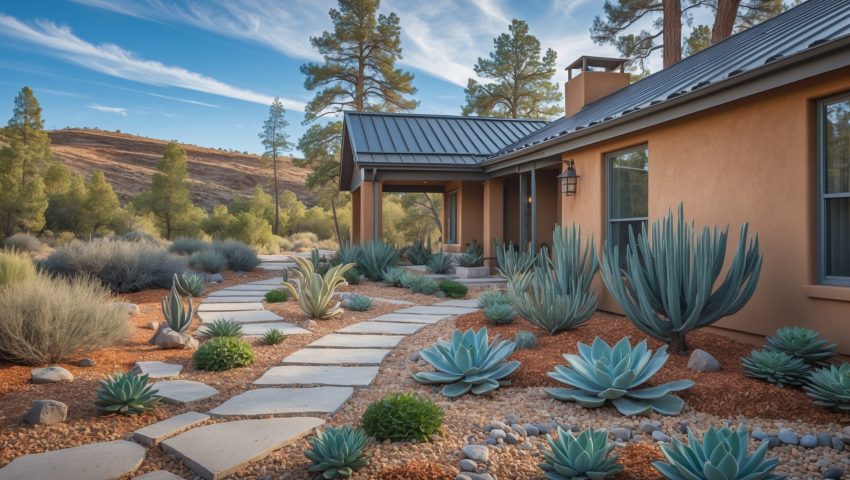
- Zone 1 (0–5 feet from house): Keep this area free of anything flammable. Use gravel, stone, or pavers instead of mulch. Remove all dead vegetation. Store firewood and propane tanks at least 30 feet away from the home.
- Zone 2 (5–30 feet): Plant fire-resistant species, space trees to prevent crown-to-crown contact, prune branches up 6–10 feet from the ground, and keep grass mowed short.
- Zone 3 (30–100 feet): Thin and prune, remove dense brush, and create breaks in vegetation.
DIY Landscaping Upgrades for Every Region
- Swap wood mulch for gravel or rock mulch near structures. Wood mulch smolders and can ignite siding or decks.
- Choose fire-resistant plants: Succulents, deciduous trees, and low-resin groundcovers are generally safer than pines, junipers, and ornamental grasses.
- Install hardscape features: Patios, walkways, and retaining walls act as firebreaks.
- Remove ladder fuels: Trim lower branches and clear brush that can carry fire from ground to treetops.
- Maintain irrigation systems: Healthy, well-watered plants are less flammable.
Region-Specific Tips
- West: Focus on maintaining defensible space and hardscape in the immediate 5–30 ft zone.
- Southeast: Keep grass short and remove pine straw mulch, which ignites quickly.
- Northeast: Watch for leaf buildup in fall; compost leaves away from structures.
- Midwest: Remove prairie grasses near foundations and use stone mulch instead.
Compliance and Permits: What U.S. Homeowners Need to Know
Understanding Fire Codes and Local Regulations
Many states and municipalities have adopted building codes or ordinances for wildfire protection, especially in high-risk zones (e.g., California’s Chapter 7A, Colorado’s Wildland-Urban Interface Code). Key compliance considerations:
- Roof replacements: Some areas mandate Class A fire-rated roofing for new or replacement roofs.
- Decks and exterior walls: Check local codes for approved materials in wildfire-prone zones.
- Landscaping: Some regions require defensible space and regular clearing of flammable vegetation.
- Permits: Significant exterior upgrades (roof, siding, decks) may require permits, especially when materials are changed.
DIY Tip: Always check with your city or county building department before starting major fire-resistant upgrades, especially exterior renovations or landscaping that alters lot grading.
Insurance Implications
Many insurers now require proof of certain fire-resistant features for coverage or offer discounts for upgrades. Keep records and receipts for all fire-resistant improvements—you may need them for future claims or to secure new coverage. Some states, like California, offer insurance discounts for certified fire-hardened homes as part of wildfire mitigation programs.
Essential Tools and Materials for DIY Fire-Resistant Upgrades
Basic Tool Checklist
- Ladder (for roof, gutters, and vent work)
- Cordless drill/driver and appropriate bits
- Tin snips (for cutting metal mesh/screens)
- Utility knife
- Rake and leaf blower (for landscaping)
- Pruning shears, loppers, and pole saw
- Wheelbarrow and shovel (for mulch/rock work)
- Measuring tape
- Safety glasses, gloves, and dust mask
Recommended Materials
- 1/8″ corrosion-resistant metal mesh
- Fire-retardant paints and coatings (exterior rated)
- Noncombustible gutter guards (aluminum or steel)
- Fire-resistant window film
- Composite or fire-rated decking boards
- Stone or gravel mulch
- Fire-resistant plant species (as recommended by your local extension service)
- Metal flashing
- Weatherstripping and caulk (for sealing gaps)
Annual Maintenance and Seasonal Checklist
Spring
- Clear all dead vegetation and debris from gutters, roof, and around the home.
- Prune trees and shrubs; remove ladder fuels.
- Inspect and repair vent screens and weatherstripping.
- Refresh gravel or stone mulch as needed.
Summer
- Mow grass regularly; keep it below 4 inches.
- Water landscaping during dry spells (where local regulations allow).
- Reapply fire-retardant coatings to decks/fences as required.
- Test irrigation systems for coverage and leaks.
Fall
- Remove fallen leaves from roofs, gutters, decks, and within 30 feet of the home.
- Compost or dispose of yard waste away from structures.
- Prepare window covers or shutters for rapid deployment.
Winter
- Inspect attic and crawl space vent screens for damage or rodent activity.
- Plan and budget for larger upgrades (roofing, siding) for next season.
Cost Breakdown: DIY vs Professional Fire-Hardening
DIY Upgrades (Estimated Ranges)
- Metal mesh for vents (materials for average home): $100–$250
- Gutter guards (materials): $150–$400
- Fire-retardant deck coating (per gallon): $50–$80
- Stone mulch (per cubic yard): $45–$100
- Window film (per window): $25–$60
- Composite deck boards (per square foot): $5–$10
Most of these improvements can be completed by a homeowner with basic tools and safety equipment, though heavy landscaping or roof work may require professional help for safety reasons.
Professional Upgrades
- Full roof replacement (Class A fire-rated): $8,000–$25,000+
- Professional defensible space landscaping: $2,000–$10,000
- Fire-resistant siding installation: $10,000–$25,000
Even if you hire out major work, small DIY upgrades still provide excellent risk reduction.
Fire-Resistant Home Myths Debunked
- Myth: Only homes in the West need fire-resistant features.
Reality: Wildfires now occur in almost every U.S. state, and embers can threaten homes far from the initial flames. - Myth: Fire-resistant upgrades are all expensive and require contractors.
Reality: Many upgrades—like gutter guards, vent screens, and landscaping—are low cost and DIY-friendly. - Myth: Metal roofs are noisy and unattractive.
Reality: Modern metal roofs are quiet (with solid sheathing/insulation) and come in styles that mimic shingles or tiles.
Case Study: DIY Fire Hardening in Three Different U.S. Regions
California Foothills Home
Homeowner upgraded to metal mesh vent screens, installed metal gutter guards, swapped wood mulch for gravel, and replaced a wooden fence section near the house with metal. Cost: Under $1,000 in materials. Result: House survived a nearby wildfire with no damage; embers landed on gravel and gutter guards, but did not ignite anything.
Georgia Suburban Home
After a local grass fire, this homeowner replaced pine straw mulch with river rock, pruned all lower tree branches within 30 feet of the house, and installed a fire-retardant coating on a wooden deck. Total cost: $600. Result: Passed a home insurance inspection and received a discount for mitigation efforts.
Colorado Mountain Cabin
DIYer replaced aging shake roof with Class A fiberglass shingles, added noncombustible siding panels to the bottom four feet of exterior walls, and cleared dense brush within 100 feet of the cabin. Cost: $8,500 (with some professional help for roof installation). Result: Cabin was included in a “hardened home” community program and is now eligible for additional insurance coverage.
Conclusion: Take Action—Start Small, Think Big
Building a fire-resistant home doesn’t require a massive renovation or a bottomless budget. The most effective changes often begin with simple, overlooked details: a clean gutter, a metal mesh vent, a patch of gravel where wood mulch used to be. These actions, when taken together, create layers of protection that can mean the difference between minor damage and total loss. As wildfires increasingly impact communities coast to coast, proactive homeowners have a unique opportunity—not just to defend their own property, but to inspire neighbors and set examples for local resilience. Remember, every region faces its own threats, but the principles of fire resistance apply everywhere. Review your home, make a prioritized checklist, and tackle upgrades as time and budget allow. Be sure to consult local codes for compliance, keep records for insurance, and revisit your maintenance tasks each season. With a thoughtful approach, even the oldest home can be made dramatically safer. Fire resistance isn’t about fear—it’s about empowerment, preparation, and peace of mind. Start with what you can do today, and build from there. Your home, your family, and your community will thank you.
You mention landscaping modifications—are there specific plant types or mulch materials that are especially risky for fire in the Midwest, or does it mostly depend on spacing around the house?
In the Midwest, dense evergreens like juniper and highly resinous plants can be risky because they burn easily. Mulches like pine needles or shredded bark also ignite quickly. Both plant choice and proper spacing from your home are important for fire safety.
You mention landscaping modifications—could you clarify what types of ground cover or mulch are safest to use in high-risk fire zones?
In high-risk fire zones, it’s best to use non-combustible ground covers like gravel, rocks, or well-irrigated, low-growing plants. Avoid wood chips, pine needles, or rubber mulch, as these can ignite easily during wildfires.
You mentioned regional strategies—could you give an example of how fire-resistant upgrades might differ between the Midwest and the Pacific Northwest?
In the Midwest, fire-resistant upgrades often focus on protecting against grassland and prairie fires, so maintaining defensible space and using fireproof siding are key. In the Pacific Northwest, choosing non-combustible roofing and clearing pine needles from gutters may be more important due to forested landscapes.
Do you have suggestions for cost-effective materials I could use to upgrade my old wooden porch to be more fire-resistant?
Consider replacing or covering your wooden porch boards with fire-rated composite decking or fiber cement boards. Adding a non-combustible underlay like gravel, pavers, or concrete can also help improve fire resistance without a huge cost.
Are there specific types of attic vent screens that work best to block embers without causing moisture or airflow issues in older homes?
Yes, 1/8-inch corrosion-resistant metal mesh screens are typically recommended for attic vents. They block embers effectively while still allowing airflow. For older homes, make sure the screens fit securely and check for any existing moisture issues before installation.
Could you explain what kind of materials are best for replacing untreated wood shake roofs to make them more fire-resistant, especially for older homes?
For better fire resistance, consider replacing untreated wood shake roofs with materials like Class A asphalt shingles, metal roofing, clay or concrete tiles, or specially treated fire-resistant composite shingles. These options provide significantly greater protection for older homes.
The article mentions different regional strategies. For someone living in the humid Northeast, are there specific landscaping modifications that actually make a substantial difference against embers?
In the humid Northeast, keeping your landscape clear of dried leaves and debris, trimming back tree branches, and using stone or gravel instead of mulch near your home are effective ways to reduce ember risk.
Are there specific landscaping modifications better suited for businesses with storefronts compared to regular residential properties?
Yes, businesses with storefronts can benefit from fire-resistant ground covers like gravel or concrete walkways instead of mulch, and by keeping landscaping minimal near entrances. Using low-growing, well-spaced plants also improves visibility and safety for customers.
For homeowners on a tight budget, which of the DIY upgrades you mentioned would offer the greatest risk reduction for the lowest cost?
Sealing gaps around doors, windows, and eaves with fire-resistant caulk and installing metal mesh screens over vents are both low-cost upgrades that significantly reduce fire risk. Clearing debris and trimming vegetation close to your home is also highly effective and budget-friendly.
For someone just getting started, is it better to focus on changing roofing materials first, or does fortifying decks and porches give quicker results for fire resistance?
Upgrading to fire-resistant roofing is typically the top priority, since roofs are a major vulnerability. However, if your decks and porches use highly flammable materials and are near vegetation, fortifying them can also provide significant short-term protection.
Are there specific types of vent screens you recommend for older homes to keep embers out, or do most hardware store options work well enough?
For older homes, use vent screens made of 1/8-inch non-combustible metal mesh, such as stainless steel or aluminum. These block embers better than standard hardware cloth, which may have larger openings. Check for wildfire-rated products if possible.
If I can only tackle one thing this weekend, should I focus on cleaning gutters or upgrading attic vent screens to reduce ember risks?
If you have to choose one task, prioritize cleaning your gutters. Removing dry leaves and debris reduces the risk of embers igniting them during a fire. Upgrading attic vent screens is also important but can be done afterwards.
For older homes with wood shingles, would replacing the entire roof be necessary, or are there fire-resistant treatments that work just as well on existing materials?
While fire-retardant treatments can improve resistance on existing wood shingles, replacing them with fire-rated roofing materials like metal, tile, or asphalt shingles offers much better protection. Treatments may wear off over time, so complete replacement is the most effective long-term solution.
How expensive are the recommended DIY roof upgrades, and are there any budget-friendly materials that still offer good fire resistance?
DIY roof upgrades can range from a few hundred to several thousand dollars, depending on material and project size. Asphalt shingles with Class A fire ratings and metal roofing are both budget-friendly options that still provide strong fire resistance.
For older homes in the Midwest, are there specific cost-effective upgrades you’d recommend first to reduce fire risk, especially if replacing the roof isn’t possible right away?
For older Midwest homes, start by clearing debris from gutters, installing metal mesh screens over vents, sealing gaps around windows and doors, and using fire-retardant sprays on wood surfaces. These steps are affordable and can make a noticeable difference in fire resistance.
For older homes with untreated wood shingles, what is the most cost-effective way to upgrade the roof for better fire resistance without a full replacement?
A cost-effective option is to apply a fire-retardant treatment to the existing wood shingles. These sprays or coatings can help improve fire resistance, but it’s important to reapply them as recommended and check for local compliance requirements.
For homes in the Northeast where wildfires are less common, should I still be just as strict about landscaping changes, or are certain upgrades more important than others?
In the Northeast, you can prioritize basic fire safety measures like keeping gutters clean and using fire-resistant mulch near your home. Extensive landscaping changes are less urgent, but maintaining defensible space and using non-flammable materials close to the house is still a good idea.
If my home already has a wooden deck, is it usually better to retrofit it with fire-resistant materials or replace it entirely to reduce risk?
Retrofitting your wooden deck with fire-resistant materials like metal flashing or fire-retardant coatings can improve safety, but fully replacing it with non-combustible materials such as composite or metal offers the best long-term fire protection.
As a small business owner, I’m curious which landscaping changes you’d recommend first if I only have a limited budget to reduce fire risk.
Start by removing dead plants, dry leaves, and debris near your building, then trim tree branches so they’re at least 10 feet from structures. Replace mulch with gravel or stone near the foundation to help slow the spread of fire.
Does the article cover how frequently I should be clearing gutters or making other maintenance checks to stay compliant and actually reduce wildfire risk long term?
The article does mention the importance of regular maintenance like clearing gutters, but it doesn’t specify exact timeframes. For best results, you should check and clear gutters at least once a season and after windy or dry conditions.
For older homes that have untreated wood roofs, what are the most cost-effective ways to upgrade for fire resistance without replacing the entire roof?
You can improve fire resistance by applying a fire-retardant coating or paint specifically designed for wood roofs. Also, install metal flashing and regularly clear debris from the roof and gutters to reduce fire risk without a full replacement.
Could you clarify what type of vent screening is most effective for keeping out embers without blocking airflow, especially in older homes?
The most effective vent screening uses 1/8-inch non-combustible metal mesh, such as stainless steel or aluminum. This size blocks embers while still allowing airflow, and it can often be retrofitted into existing vents in older homes.