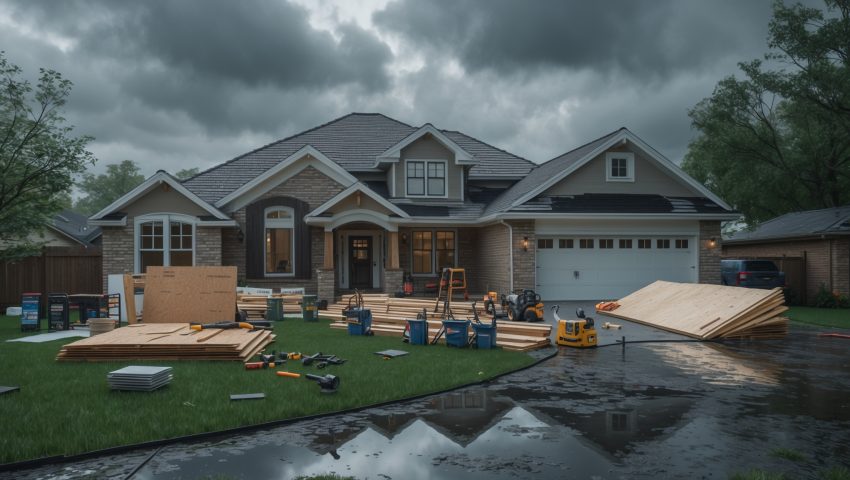
Introduction: Why Flood Insurance Should Be on Every DIYer’s Radar
When planning a home renovation, most DIYers focus on budgets, permits, and tools. Yet, one critical factor often flies under the radar: flood insurance. Even if you don’t live on a riverbank or near the ocean, flooding is America’s most common and costly natural disaster—impacting all 50 states. In fact, more than 40% of National Flood Insurance Program (NFIP) claims come from properties outside high-risk flood zones. Whether you’re updating a basement, adding a workshop, or restoring a historic home, understanding how flood insurance works can mean the difference between a protected investment and a financial disaster.
This guide breaks down what flood insurance covers (and doesn’t), how renovations impact your policy, and practical steps you should take before you start swinging a hammer. We’ll address common pitfalls, regional considerations, and must-know compliance tips for DIYers across the U.S. If you want peace of mind and a water-tight plan for your next project, read on.
Flood Risks: Beyond the Obvious
Flooding Is More Widespread Than You Think
Many homeowners assume they’re safe from flooding if they’re not near a river, stream, or coastline. But in reality, heavy rain, snowmelt, overwhelmed storm drains, and even new construction in your neighborhood can suddenly turn your home into a flood zone. Urban and suburban development often changes natural drainage patterns, increasing risk in areas previously considered low-threat.
- Flash floods can occur in any state, often with little warning.
- Basements and ground-level renovations are especially vulnerable.
- Flood maps are updated periodically, so your risk profile may change over time.
Hidden Triggers: Renovations That Increase Flood Exposure
Some renovation projects inadvertently raise your home’s flood risk. For example:
- Finishing a basement or adding below-grade rooms
- Lowering your yard’s grade or altering landscaping
- Changing rooflines or gutter systems
- Expanding driveways or patios, which can increase runoff
It’s crucial to consider how your project might affect water flow and drainage—both for your home and neighboring properties.
Flood Insurance Basics: What Every Renovator Needs to Know
Homeowners Insurance vs. Flood Insurance
Standard homeowners insurance policies do not cover flood damage. This is a common and costly misconception. Flood insurance is a separate policy, available through the National Flood Insurance Program (NFIP) or private insurers. Coverage typically includes:
- Structural damage to your home (foundation, walls, HVAC, electrical, plumbing)
- Essential appliances (furnaces, water heaters, built-in appliances)
- Detached garages (up to a limit)
However, there are notable exclusions (see below).
What Flood Insurance Doesn’t Cover
- Damage to landscaping, decks, patios, fences, swimming pools
- Temporary housing costs if you need to move out
- Moisture, mildew, or mold not directly caused by floodwater
- Finished contents in basements (e.g., flooring, drywall, furniture, electronics)
This last point is critical for DIYers: If you finish a basement, most insurance will not cover finished walls, floors, or personal property in that space. Only essential systems (e.g., electrical, water heater) are covered below ground level.
How Much Flood Insurance Do You Need?
NFIP policies cap coverage at $250,000 for a home’s structure and $100,000 for contents. If your renovation increases your home’s value or adds expensive features, you may need to supplement with private flood insurance for higher limits. Always reassess your coverage after significant upgrades.
Assessing Your Home’s Flood Risk Before Renovation
Check FEMA Flood Maps
Start by locating your property on the FEMA Flood Map Service Center. Here’s what to look for:
- High-Risk Zones (A, AE, V, VE): Mortgage lenders generally require flood insurance.
- Moderate/Low-Risk Zones (B, C, X): Insurance is optional, but losses are still common.
Other Risk Factors
- History of local flooding (ask neighbors, check city records)
- Proximity to storm drains, creeks, or retention ponds
- Recent or planned development nearby
If you’re unsure about your risk, consult a local floodplain manager or home inspector experienced in flood-prone areas.
How Renovations Affect Flood Insurance
Substantial Improvement Rules
If your renovation costs exceed 50% of your home’s pre-renovation market value, your property may be subject to “substantial improvement” rules under local floodplain ordinances. This can trigger requirements such as:
- Elevating your home above the base flood elevation (BFE)
- Upgrading flood vents and foundation walls
- Using flood-resistant materials for renovations below BFE
Failing to comply can jeopardize both your insurance and your permit status.
Impact on Premiums and Eligibility
Major changes to your home—like additions, enclosures, or finished basements—can increase your insurance premiums or affect your eligibility. Always notify your insurer before starting work. You may need to submit architectural plans, elevation certificates, or updated appraisals.
Documentation Is Key
- Save all renovation receipts and contracts.
- Photograph your home before, during, and after work.
- Keep copies of building permits and inspection reports.
Accurate documentation speeds up claims and proves compliance if you ever need to file.
Practical Steps: Flood Protection for DIY Projects
1. Plan for Water Flow Management
Before breaking ground, assess how your project will affect water movement around your property. Consider:
- Installing French drains or swales to redirect runoff
- Adding or upgrading gutters and downspouts
- Using permeable materials for driveways or patios
- Grading landscaping to slope away from the foundation
2. Select Flood-Resistant Materials
For any work below ground level, NFIP recommends:
- Concrete, tile, or vinyl flooring (avoid hardwood or carpet in basements)
- Closed-cell foam insulation
- Pressure-treated framing lumber
- Metal or fiberglass doors and window frames
These materials are less likely to be damaged and easier to clean after a flood.
3. Protect Essential Systems
- Elevate furnaces, water heaters, and electrical panels above potential flood levels.
- Install sump pumps with battery backup and water alarms in basements.
- Anchor fuel tanks securely to prevent tipping or floating.
These upgrades often earn insurance discounts and reduce costly losses.
4. Review and Update Your Policy
Once you finalize renovation plans:
- Contact your insurance agent and provide details of the planned work.
- Update your policy limits to reflect new investments.
- Ask about additional coverage for valuable items or detached structures.
Don’t wait until after a flood event—retroactive coverage is not available.
Common Flood Insurance Pitfalls DIYers Make
Mistake #1: Assuming You’re Covered
Many homeowners discover too late that their standard policy excludes flood losses. If you’re investing time and money in your home, separate flood insurance is a must.
Mistake #2: Underinsuring Renovated Spaces
Upgrades often increase your home’s value. Failing to update your policy can leave you underinsured, meaning you’ll pay out of pocket for repairs.
Mistake #3: Ignoring Basement Limitations
NFIP coverage for finished basements is extremely limited. Consider this when planning expensive finishes or storing valuables below grade. Opt for water-resistant designs and keep the most valuable items above flood levels.
Mistake #4: Skipping Local Compliance
Renovation work in flood zones may require special permits and construction techniques. Failing to comply can void your policy or lead to fines.
Mistake #5: Delaying Coverage
NFIP policies have a 30-day waiting period before coverage takes effect. Don’t wait until the rainy season or after a major storm is forecast.
Flood Insurance and Permitting: What to Know
Coordinating With Local Authorities
Before beginning work, check if your municipality requires:
- Floodplain development permits
- Elevation certificates for additions or new construction
- Compliance with local building codes for flood resistance
Permitting officials can advise on best practices and may offer resources for flood-resistant design.
Documenting Compliance for Insurance
After renovations, submit updated floor plans, elevation data, and photos to your insurer. This documentation helps prove compliance and secures coverage for your improvements.
Case Study: Basement Remodel in a Moderate Flood Zone
Scenario: A homeowner in Ohio wants to finish their basement, adding a home theater and guest bedroom. Their property is mapped in a moderate-risk flood zone, so flood insurance is not required by their lender.
Steps Taken:
- Checked historical flooding records and found two events in the past decade.
- Consulted with a local contractor on water mitigation: installed a perimeter drain, sump pump, and upgraded gutters.
- Used tile flooring and closed-cell foam insulation in all finished areas.
- Purchased a flood insurance policy with $50,000 in contents coverage.
- Stored electronics and valuable items on wall-mounted shelves above baseline flood level.
Outcome: The home experienced minor flooding two years later. Thanks to water-resistant materials and preparedness, repairs were minimal. The insurance claim covered the sump pump and minor wall repairs, and the homeowner avoided a financial disaster.
How to Shop for Flood Insurance as a Renovator
NFIP vs. Private Flood Insurance
- NFIP: Standardized coverage, widely accepted, but limited in coverage amounts and exclusions.
- Private Insurers: Higher coverage limits, can cover finished basements, shorter waiting periods, but may cost more and have stricter underwriting.
Get quotes from both, and compare not just premiums but also exclusions, deductibles, and claim processes. If your renovation adds significant value or includes below-grade living space, private options may offer better protection.
Questions to Ask Insurers
- What is covered and excluded in finished basements?
- Are there discounts for flood-resistant construction?
- Does the policy adjust for increased home value after renovation?
- Is there a waiting period before coverage starts?
Maintenance Best Practices: Keeping Your Home Flood-Ready Post-Renovation
- Regularly clear gutters, downspouts, and drains—especially after storms or heavy leaf fall.
- Inspect sump pumps and water alarms quarterly.
- Seal foundation cracks promptly and monitor for signs of water intrusion.
- Regrade soil near the foundation if you notice pooling water.
- Store important documents and valuables above expected flood levels or in waterproof containers.
Document all maintenance for future insurance claims or resale value.
Conclusion: Proactive Protection for Every Home Renovator
Flood insurance is more than a bureaucratic checkbox—it’s a fundamental part of safeguarding your hard work and financial investment in home renovation. Whether you’re a DIY beginner or a seasoned restorer, understanding the interplay between your project, your property’s flood risk, and your insurance coverage is essential. Don’t fall into the trap of thinking “it can’t happen here.” The true cost of flooding is not just measured in water-damaged drywall or ruined appliances, but in lost time, disrupted lives, and financial setbacks that can take years to recover from.
By assessing your flood risk before you start, planning renovations with resilience in mind, and securing the right insurance coverage, you can protect both your home and your peace of mind. Always consult with local officials, experienced contractors, and knowledgeable insurance agents as part of your project planning. Document your improvements, stay vigilant with maintenance, and review your policy after every major upgrade.
With preparation and foresight, you can enjoy the rewards of your renovation—while keeping your investment safe from whatever Mother Nature throws your way.
Are there any specific renovations that automatically trigger a reassessment of flood risk by insurance companies, or is it only if I file for new permits?
Insurance companies typically reassess flood risk when you make major changes that require permits, such as additions or structural alterations. However, even without permits, significant changes could prompt a review if reported or discovered during claims or inspections.
I’m planning to finish my basement but don’t live in a high-risk area. Is it common for flood insurance rates to go up after renovations like this?
Flood insurance rates typically increase if renovations increase your property’s flood risk or value. Finishing a basement often means higher potential claims, so your premium might go up, even outside high-risk areas. Contact your insurer to discuss specific impacts before starting.
If I finish my basement and then flood maps get updated showing higher risk, does my existing flood insurance still cover the renovation or would I need to adjust my policy?
If you renovate your basement and then your area is reclassified to a higher flood risk, your existing policy typically continues as is, but coverage limits and premiums may change at renewal. It’s wise to inform your insurer about the renovation to ensure adequate coverage.
Can you explain what steps I should take with my insurance company before starting a DIY project that might alter my yard’s grade?
Contact your insurance company before starting the project to discuss your plans. Ask if your policy covers changes to your yard’s grade and whether you need extra coverage. Keep documentation of your plans and any communications for future reference.
Are there any specific compliance steps for flood insurance if I change my yard’s grading while landscaping during renovations?
Yes, altering your yard’s grading can affect flood risk and insurance coverage. You should notify your flood insurance provider about any grading changes and check local regulations, as some areas require permits or inspections to ensure compliance with floodplain management rules.
If I’m renovating my basement myself and haven’t needed flood insurance before, how do I know if my policy needs to change during or after the renovation?
If your renovations affect your basement’s structure, value, or flood risk, your policy may need an update. Contact your insurance provider to review your current coverage and discuss any changes needed during or after your renovation.
If I renovate my basement and it was previously unfinished, do I need to update my flood insurance policy immediately or only after the work is done?
You should contact your flood insurance provider before starting the renovation. Updating your policy early ensures any new improvements are covered during and after the work, rather than risking gaps in coverage.
If I finish my basement myself, do I need to let my flood insurance provider know before starting, or only after the work is done?
You should inform your flood insurance provider before starting the basement project. This way, they can advise you about any coverage changes needed and ensure your policy reflects the new finished space once the work is done.
If I renovate my basement and change the layout, will my existing flood insurance automatically adjust to cover the new space, or do I need to notify my provider?
You need to notify your flood insurance provider about any renovations or layout changes in your basement. Coverage does not automatically adjust, so updating your policy ensures your new space is properly protected.
If I finish my basement during a renovation, does my existing flood insurance policy automatically cover those new improvements, or do I need to update my policy first?
Your existing flood insurance policy likely won’t automatically cover new improvements like a finished basement. It’s important to contact your insurer to update your policy and ensure your renovations are properly protected.
If I’m finishing my basement myself, should I notify my flood insurance provider before starting or after the work is done?
You should notify your flood insurance provider before starting your basement renovation. This helps ensure your coverage reflects any changes and avoids issues if you need to file a claim later.
What steps should I take to make sure my DIY workshop addition doesn’t accidentally void my existing flood insurance coverage before I start construction?
Contact your insurance provider before starting your workshop addition to discuss your renovation plans. Confirm that your coverage will remain valid and ask about any documentation or inspections required to keep your policy active during and after construction.
What practical steps should I take to stay compliant with flood insurance requirements if I’m adding a below-grade room on my property?
Notify your flood insurance provider about your renovation plans before starting. Check local floodplain regulations, obtain necessary permits, and ensure the new room meets elevation and floodproofing standards. Keep detailed records of construction for insurance purposes.
Does finishing a basement always affect the cost or requirements of flood insurance, or are there exceptions depending on the area?
Finishing a basement often affects your flood insurance cost and coverage, but exceptions exist. The impact depends on your area’s flood risk, local regulations, and your insurance provider’s policies. Always check with your insurer and local authorities before starting renovations.
You mentioned that changing landscaping can affect flood risk. Are there specific landscaping mistakes I should avoid to keep my coverage valid?
Yes, avoid grading soil towards your house, removing natural drainage features, or blocking existing water pathways. Also, large patios or driveways can increase runoff. Check with your insurer before major landscaping changes to ensure your coverage remains valid.
If I finish my basement myself, do I need to update my flood insurance policy before starting or after the renovation is done?
It’s best to contact your insurance provider before you start the basement renovation. They can advise if your current policy covers the project and help you update it if needed to ensure full protection during and after the work.
For DIYers on a tight budget, are there practical steps to minimize flood risk during renovations without drastically increasing insurance premiums?
Yes, you can use water-resistant materials, elevate electrical outlets and appliances, and improve drainage around your home. These steps help reduce flood damage risk without significantly affecting your insurance premiums.
You mentioned flood maps change over time—what’s the best way for homeowners to keep track of those updates before starting a renovation?
To stay updated on flood map changes, check your local government or FEMA’s website regularly. You can also contact your city or county planning office, as they often notify residents about updated flood zones that could affect renovations.
If I’m renovating my basement in a neighborhood that was just re-mapped into a higher flood risk zone, will my current flood insurance automatically adjust or do I need to contact my provider?
Your current flood insurance won’t automatically adjust to the new risk zone. You should contact your provider to review your policy and ensure you have adequate coverage before starting your basement renovation.
What specific steps should I take before starting a renovation to make sure any flood-related damages are actually covered by my policy?
Contact your insurance provider to review your flood policy, confirm that renovations are covered, and ask if you need policy updates. Document your home’s current condition with photos, and keep all renovation receipts for future reference.
Does finishing a below-grade room mean I should notify my insurance company right away, or only if I update my flood policy?
You should notify your insurance company as soon as you finish a below-grade room. This helps ensure your coverage accurately reflects your home’s updates, regardless of whether you are updating your flood policy immediately.
If I’m planning to finish my basement, will modifying the space or installing new materials impact my flood insurance premiums or eligibility in any way?
Finishing your basement or installing new materials can affect your flood insurance premiums and eligibility. Insurers may consider the added value and use of new materials when assessing risk, so it’s wise to inform your provider before starting renovations.
If I renovate my basement and add new finishes, will my current flood insurance automatically cover the upgrades, or do I need to update my policy first?
Your current flood insurance typically covers only what’s listed in your policy. If you renovate your basement and add upgrades, you should contact your insurer to update your policy and ensure your new finishes are covered.
If I finish my basement and my flood risk goes up, will my current policy automatically update, or do I need to notify my insurance company first?
You need to notify your insurance company about finishing your basement. Your current policy won’t automatically update, and renovations that increase flood risk may require changes to your coverage or premiums.
How do I find out if my area’s flood map has recently changed before I start a DIY renovation project?
Contact your local government office or visit the FEMA Flood Map Service Center online. They provide up-to-date flood zone information and changes, so you can check if your property’s status has been updated recently.
If I finish my basement as part of a remodel, does that usually increase my NFIP premium right away, or only after a new flood map update?
Finishing your basement can increase your NFIP premium immediately if you update your policy to reflect the changes, since your home now has more finished space at risk. It doesn’t depend on a flood map update.
For DIYers working on older homes, are there specific compliance steps we need to follow to ensure renovations don’t void existing flood insurance coverage?
Yes, for older homes, you should check with your flood insurance provider about any renovation plans. Major changes may require permits or inspections, and work must meet local floodplain management regulations to maintain coverage. Always document your renovations and compliance.
What steps should I take before starting a renovation to make sure my updates won’t accidentally void my current flood insurance policy?
Before you begin renovations, contact your insurance provider to review your policy and planned updates. Get written approval if needed, keep records of all changes, and ensure any work follows local building codes and floodplain management regulations.
How often should I check for updates to flood maps before starting a DIY project to make sure my insurance is still valid?
It’s a good idea to check for flood map updates at least annually and always right before starting any major DIY project. This helps ensure your insurance coverage reflects your property’s current flood risk.
How does flood insurance pricing change if I add a ground-level workshop compared to just renovating an upper floor room?
Adding a ground-level workshop can increase your flood insurance premium more than renovating an upper floor room because ground-level spaces are at higher risk for flood damage. Insurers assess risk based on how close new additions are to potential floodwaters.
The article mentions changing flood maps—how do I find out if my renovation plans might bump me into a higher-risk zone before I start?
You can check your property’s current flood zone status by visiting your local government offices or the FEMA Flood Map Service Center. They can provide up-to-date maps and help you see how renovations might affect your risk zone.
How do I know if recent construction in my neighborhood increased my flood risk enough to need extra insurance, even though I’m not near water?
Construction can change drainage patterns and increase runoff, raising flood risks even away from water. Check with your local planning department for floodplain updates and consider a consultation with your insurer to assess if extra coverage is now recommended.
You mentioned that flood maps change over time. How can I check if my risk profile has shifted before starting a renovation project?
You can contact your local government office or visit the FEMA website to review the current flood maps for your area. It’s also wise to speak with your insurance agent for the most up-to-date risk assessment.
How do I find out if recent construction in my neighborhood has changed my home’s flood risk before I start any major DIY projects?
Contact your local planning or building department to ask about recent construction and its impact on flood mapping. You can also review updated FEMA flood maps or consult a licensed surveyor for an up-to-date flood risk assessment.
Are there any budget-friendly steps DIYers can take during renovations to lower future flood insurance premiums?
Yes, DIYers can install flood-resistant materials like tile or treated wood, elevate appliances and electrical systems, and improve drainage around the home. These upgrades often help reduce flood risk, which can lead to lower insurance premiums.
How do I find out if recent construction in my neighborhood has changed my flood risk before I start a renovation?
You can check with your local planning or building department for records of recent construction and any updated flood maps. Additionally, contacting your insurance agent or FEMA can provide insights into any changes in flood risk for your area.
How often do flood maps actually get updated, and should I check them before starting a renovation in an area not labeled as high-risk?
Flood maps are typically updated every 5 to 10 years, but this can vary by location. It’s wise to check the latest maps before renovating, even in areas not labeled high-risk, since flood zones can change over time.
Are there specific types of home renovations that could actually lower your flood insurance premium, or is it always a risk increase?
Some renovations, like elevating your home, installing flood vents, or using flood-resistant materials, can actually lower your flood insurance premium. It’s important to check with your insurer before starting, as not all improvements have the same effect.
What steps should DIYers take to make sure renovations don’t accidentally void their existing flood policy?
DIYers should contact their insurance provider before starting renovations, follow all policy requirements, keep detailed records of changes, and ensure all work meets local building codes. This helps prevent accidentally voiding their flood insurance coverage.
If I renovate my basement and it floods afterward, will flood insurance cover everything I just invested in the updates, or only certain types of damage?
Flood insurance typically covers structural damage and essential systems, but not all upgrades or personal property. Improvements like finished walls or flooring may be covered, but custom fixtures or electronics often are not. Check your policy details for specific coverage limits.
How do recent changes in flood maps affect ongoing renovations if my home was just reclassified into a higher-risk zone?
If your home is now in a higher-risk flood zone, you’ll likely need to update your flood insurance before continuing renovations. You may also face new building requirements or permits, so check with your local building department and insurer before proceeding.
How often do flood maps get updated, and what should I do if my risk changes in the middle of a renovation project?
Flood maps are usually updated every few years, but the timing varies by area. If your risk changes during a renovation, contact your insurance agent right away to review your coverage and ensure it matches your new flood risk.
Is flood insurance usually required for home projects like adding a workshop, or is it just something you recommend for peace of mind?
Flood insurance is typically not required for home projects like adding a workshop, unless your property is in a designated flood zone or mandated by your mortgage lender. However, it is strongly recommended for extra protection during renovations.
For someone on a tight budget, are there cost-effective ways to meet compliance requirements for flood insurance before starting a DIY project like adding a ground-level workshop?
Yes, you can often lower costs by elevating your workshop above the base flood elevation, using flood-resistant materials, and consulting with your local floodplain manager for affordable compliance options. Comparing insurance providers may also help you find better rates.
If I renovate my basement and later update my flood insurance, how does that impact what’s actually covered if a flood happens during construction?
If you renovate your basement and update your flood insurance during construction, coverage may only apply to the completed, documented improvements. Damage during active construction may not be fully covered unless you notify your insurer and possibly secure additional protection for the renovation period.
How does renovating a historic home impact my eligibility or premiums for flood insurance, especially if the area hasn’t flooded before?
Renovating a historic home can affect your flood insurance by increasing premiums if renovations raise the home’s value or alter its structure. Even if the area hasn’t flooded before, insurers consider flood risk maps and the home’s characteristics, not just past flooding.
Are there budget-friendly steps I can take during renovations, like landscaping or drainage changes, to reduce my home’s flood exposure and keep insurance costs lower?
Yes, you can improve drainage by sloping soil away from your home, adding rain gardens, or using gravel instead of concrete. Installing inexpensive water barriers or sump pumps can also help reduce flood risk and potentially lower insurance costs.
If I’m renovating my basement and add a workshop below ground, would my existing flood insurance automatically cover the new space or do I need to update my policy first?
You’ll need to update your policy before starting the renovation. Most flood insurance won’t automatically cover new finished spaces like a basement workshop unless you notify your insurer and adjust your coverage accordingly.
If I finish my basement myself, does my flood insurance automatically cover the new space, or do I need to update my policy before starting renovations?
Flood insurance usually covers what’s listed in your policy, so any new finished space like a basement might not be included automatically. It’s important to contact your insurer before starting renovations to update your coverage and make sure the new space is protected.
I never realized my suburban area could be at risk due to new construction nearby. Is there a way to check if the flood map for my neighborhood has changed recently?
Yes, you can check if your area’s flood map has changed by contacting your local planning or zoning office, or by visiting your community’s official website. Many local governments update and share flood map information online for residents.
What steps should I take to make sure my DIY renovation doesn’t accidentally void any part of my existing flood insurance policy?
Review your flood insurance policy to see what types of renovations require notification or approval. Always inform your insurer before starting any major DIY work, follow local building codes, and keep documentation of the renovation process to avoid issues with your coverage.
You mentioned below-grade renovations increase flood risk. Are there specific building materials or design choices that can help minimize possible damage during a flood?
Using water-resistant materials like tile, concrete, or pressure-treated wood in below-grade areas can help minimize flood damage. Also, consider installing flood vents, elevating electrical systems, and choosing closed-cell foam insulation for better moisture resistance.
How do renovations like regrading my yard or changing landscaping actually affect my flood insurance rates or eligibility? Are there specific things to avoid?
Regrading your yard or changing landscaping can impact how water flows around your home, which may affect your flood risk assessment. If these changes direct water toward your house or reduce natural drainage, your rates could rise or eligibility could be affected. Avoid creating slopes or barriers that trap water near your foundation.
If I’m finishing a basement myself, are there specific renovations that could impact my eligibility or premiums for flood insurance?
Yes, renovations like installing drywall, flooring, or adding electrical systems in your basement can affect both your eligibility and premiums. Insurers may charge more or limit coverage for finished basements, so it’s important to report any major changes.
If I finish my basement myself, does my current flood insurance automatically cover the new renovations, or do I need to update my policy before starting?
Your current flood insurance may not automatically cover new renovations like a finished basement. It’s important to notify your insurer about your plans and update your policy before starting to ensure the new work is protected.
How do renovations like changing landscaping or yard grading actually affect my existing flood insurance premiums or eligibility?
Renovations that change landscaping or yard grading can affect how water flows around your home, potentially increasing flood risk. If these changes make your property more vulnerable, your insurer might adjust your premiums or coverage eligibility at policy renewal.
How do renovations like changing the yard’s grade actually impact my flood insurance premiums or eligibility over time?
Altering your yard’s grade can change how water flows around your home, potentially increasing your flood risk. If the changes make your property more prone to flooding, your flood insurance premiums may rise, or eligibility could be affected during your next policy review.
What should I watch out for with local permitting if my renovations could affect my flood risk or compliance with NFIP rules?
Be sure to check if your local permitting office requires you to submit flood risk assessments or comply with specific elevation and building standards tied to NFIP rules. Failing to follow permit requirements could affect your flood insurance eligibility.
What are some practical steps I should take before starting a DIY project so I make sure my work doesn’t accidentally increase my flood insurance premiums?
Before starting your DIY project, check with your insurance provider about permit requirements, avoid major structural changes in flood-prone areas, document all improvements, and ensure any updates comply with local floodplain regulations. This helps prevent unintended premium increases.
If I’m finishing my basement myself and my area’s flood maps haven’t changed recently, do I still need to update my flood insurance before starting?
Yes, you should update your flood insurance before starting basement renovations. Even if flood maps haven’t changed, finishing a basement increases your property’s value and potential risk, so your policy should reflect the new improvements for proper coverage.
What kind of budget increase should someone expect when factoring in flood insurance for a DIY project in a suburban neighborhood?
Flood insurance costs can vary widely, but for a suburban neighborhood, you might expect an increase of $500 to $1,500 per year. The exact amount depends on location, flood zone, and the value of your renovation.
Could you clarify how landscaping changes might affect compliance with flood insurance requirements? Are there specific guidelines for urban properties doing yard renovations?
Landscaping changes, like altering slopes or adding hard surfaces, can impact water flow and drainage, affecting flood insurance compliance. Urban properties often must follow local codes on grading and drainage, so check with your city’s building department for specific renovation guidelines.
If I’m planning to finish my basement, will most standard flood insurance policies cover new materials and upgrades, or do I need extra coverage for renovations?
Most standard flood insurance policies offer limited coverage for finished basements and typically don’t cover new materials or upgrades. For full protection of renovations, you may need to purchase additional coverage or endorsements. It’s best to review your policy details or consult your insurer.
How do I find out if my home’s flood risk has changed after new construction pops up in my neighborhood?
You can check updated flood maps from your local government or FEMA to see if your risk has changed. Also, contact your local planning or building department for recent assessments related to new construction in your area.
If I finish my basement myself, do I need to update my current flood insurance policy before starting, or only after the renovation is done?
It’s best to contact your flood insurance provider before starting the basement renovation. They can advise if updates to your policy are needed now or after completion, so your new finished space has the right coverage.
Is there a checklist or recommended process to make sure my renovation plans comply with flood insurance rules before I start buying materials?
Yes, it’s smart to have a checklist. Start by reviewing your flood insurance policy, check local building codes, get any needed permits, and confirm your plans with your insurer. Document everything and keep receipts for materials and work done.
If I finish my basement myself, does my flood insurance automatically cover the new renovation or do I need to update my policy first?
You’ll need to update your flood insurance policy to include your finished basement. Flood insurance typically only covers what’s listed on your policy, so contact your insurer before starting the renovation to make sure your new improvements are protected.
How often do flood maps get updated, and should I check them before starting a renovation project at home?
Flood maps are typically updated every few years, but timing can vary by location. It’s a smart idea to check the latest flood map for your area before starting any renovation, as changes could impact your insurance needs.
If I’m finishing my basement myself, do I need to update my flood insurance policy before I start, or only after the renovation is done?
It’s best to update your flood insurance before starting your basement renovation. This ensures your new improvements and materials are covered during the project and once it’s finished. Check with your insurer to confirm coverage specifics.
If I’m renovating a basement that wasn’t previously finished, do I need to update my current flood insurance policy, or does it automatically cover the new space?
You’ll need to update your flood insurance policy after finishing your basement. Standard policies usually only cover unfinished areas, so notifying your insurer ensures your newly renovated space is properly protected.
Are there regional renovation restrictions related to flood insurance for older homes, or does compliance vary mostly by municipality?
Compliance often varies by municipality, but state or federal guidelines may also apply, especially in high-risk flood zones. It’s important to check both local building codes and your insurer’s requirements before starting renovations on older homes.
Can you explain how changes to my landscaping during renovations could unexpectedly affect my flood insurance eligibility or rates?
Altering your landscaping, like grading or removing vegetation, can change how water drains on your property. These changes might increase your flood risk, possibly raising your insurance rates or affecting eligibility. Always check with your insurer before making major landscaping changes.
If I renovate my basement and add a bathroom, will standard flood insurance automatically cover the new fixtures, or do I need to update my policy?
Standard flood insurance usually only covers essential items in basements and may not automatically cover new fixtures like a bathroom. It’s important to contact your insurance provider and update your policy to ensure your renovations are fully protected.
How does adding a workshop or additional room affect the cost and coverage of flood insurance compared to just renovating existing spaces?
Adding a workshop or extra room usually increases your flood insurance cost because more square footage and new structures mean greater replacement value. Coverage may need to be updated to include these additions, unlike simple renovations within existing spaces.
What practical steps should I take before starting renovations to make sure I’m fully compliant with flood insurance requirements, especially in a neighborhood that’s never flooded before?
Before starting renovations, check your flood zone status, review your current policy, consult your insurance agent about coverage changes, and get required permits. Document your property’s current condition with photos to support future claims if needed.
What practical steps should I take before renovating to make sure my project won’t unintentionally raise my home’s flood risk or cause issues with my insurance coverage?
Before renovating, check if your home is in a flood-prone area and review your current flood insurance policy. Consult your insurer about your plans, get required permits, and use flood-resistant materials where possible to avoid coverage or risk issues.
Are there any specific steps I should take with my permit office before starting a renovation in a low-risk flood zone, or does that only apply to high-risk areas?
It’s best to check with your permit office before any renovation, even in low-risk flood zones. Some areas have regulations for all flood zones, not just high-risk ones, especially if your project involves major changes or increased value.
How do flood insurance premiums usually change if I add a workshop or expand my home’s footprint in a low-risk zone?
Adding a workshop or expanding your home’s footprint can increase your flood insurance premiums, even in a low-risk zone, since more space means more potential damage to insure. Your insurer will reassess your property and adjust your premium accordingly.
What are some budget-friendly steps I should take before renovating to avoid accidentally increasing my home’s flood risk?
Before renovating, check your property’s flood zone, keep renovations above base flood elevation, use water-resistant materials, and make sure grading slopes away from your home. These steps help control costs and reduce flood risk.
If I start renovating my basement and later update my flood insurance, will any damage that happens during the project still be covered?
Damage that occurs before you update your flood insurance is typically not covered. Most flood insurance policies only cover losses that happen after the policy is in effect, so it’s best to update your coverage before starting renovations.
If recent construction in my neighborhood alters the drainage and suddenly increases my flood risk, how soon would my existing flood insurance cover any resulting damage?
Your existing flood insurance typically covers new flood risks immediately, as long as your policy is active and was in force before the damage. You don’t need to wait for a new waiting period due to neighborhood construction changes.
How does adding a ground-level workshop affect my NFIP premium, especially if my area isn’t currently in a high-risk flood zone?
Adding a ground-level workshop may increase your NFIP premium if it adds value or enclosed space below the base flood elevation. Even outside high-risk zones, report changes to your insurer to ensure accurate coverage and premium calculations.
If I recently updated my basement but my area was just reclassified as a higher flood risk, do I have to notify my insurance company or update my policy right away?
Yes, you should notify your insurance company about your basement renovation and the new flood risk classification. Updating your policy ensures your improvements are properly covered and that you have adequate protection for any potential flood damage.
You mention renovations can impact my flood risk. If I’m just updating landscaping, do I really need to worry about changes in my flood insurance, or is that overkill?
If your landscaping changes don’t alter the elevation or grading around your home, your flood insurance is unlikely to be affected. However, if your project redirects water flow or raises ground levels, it’s wise to check with your insurer.
How do I find out if my yard changes during a renovation could actually bump my house into a higher flood risk zone?
To find out if yard changes could increase your property’s flood risk zone, contact your local floodplain manager or planning department. They can review your renovation plans and explain if the changes might affect your home’s flood zone classification.
Could you clarify if altering my landscaping or grading might make me ineligible for certain NFIP policy benefits during a claim?
Changing your landscaping or grading can affect your home’s flood risk, which may impact NFIP coverage or claim eligibility. It’s important to consult your insurer before making changes to ensure your policy remains valid and fully covers renovations.
Are there affordable flood insurance options for homes that are technically outside high-risk flood zones but still want extra protection after a renovation?
Yes, many insurers offer lower-cost flood insurance for homes outside high-risk zones. Premiums are generally more affordable in these areas, so you can get extra protection after your renovation without a major expense.
You mentioned flood maps get updated—do I need to notify my insurance company if my renovation increases my risk, or do they find out some other way?
It’s best to notify your insurance company if your renovation increases flood risk. They may not know automatically, and updating them ensures your coverage remains accurate and valid for your home’s new risk level.
If I alter my landscaping during a renovation, how do I know if I need to update my flood insurance policy or notify my provider?
If your landscaping changes could affect how water flows around your home, it’s a good idea to contact your flood insurance provider. They can tell you if updates to your policy are needed based on the changes you’ve made.
How do you find out if recent changes in neighborhood development have put your home at higher flood risk even if you weren’t in a high-risk zone before?
Contact your local planning or floodplain management office to check for updated flood maps or recent assessments. You can also review FEMA’s Flood Map Service Center for changes and ask your insurance agent about any new risk factors.
Are there common mistakes DIYers make during landscaping projects that accidentally void or limit flood insurance coverage?
Yes, common mistakes include altering the slope of your yard, blocking drainage paths, or adding structures like sheds without permits. These changes can affect water flow and might void or limit your flood insurance if not properly reported or approved.
If I’m planning to finish my basement myself, does flood insurance usually cover materials and appliances I install down there, or are there specific limitations I should be aware of?
Flood insurance typically has limitations for finished basements. It usually covers only essential items like structural elements and certain systems, not finished walls, floors, or most appliances. Review your policy’s basement coverage and consider what exclusions might apply before you begin renovations.
If I recently finished my basement, will my existing flood insurance automatically cover the renovations, or do I need to update my policy specifics?
Your existing flood insurance may not automatically cover new renovations like a finished basement. It’s important to contact your insurance provider to update your policy details and ensure your recent improvements are included in your coverage.
Are landscaping changes like installing a rain garden considered risky by insurance companies or could they actually help lower my flood risk for renovations?
Installing a rain garden is typically seen as a positive step by insurance companies, as it can help manage stormwater and reduce flood risk. However, always inform your insurer about landscaping changes to confirm how they may affect your coverage or premiums.
If I just finished my basement and didn’t update my flood insurance, would damage still be covered or could my claim be denied?
If you didn’t update your flood insurance after finishing your basement, any damage to the new renovations may not be fully covered. Insurers can deny or limit claims if the policy doesn’t reflect current improvements.
How do I know if recent construction in my neighborhood has changed my home’s flood risk, and should I get a new flood map assessment before renovating?
Recent construction can impact your home’s flood risk by changing water runoff patterns. It’s wise to check with your local planning or floodplain office for updates. Getting a new flood map assessment before renovating helps ensure you have accurate information.
How often should I check for changes to flood maps if I’m planning a renovation in a neighborhood with new construction nearby?
It’s best to review local flood maps at least once a year, especially if there’s new construction nearby, as development can quickly change flood risks. Also, check before starting any major renovation projects for the most up-to-date information.
What steps should DIYers take to check if backyard landscaping plans could unintentionally increase flood exposure?
DIYers should review local flood maps, consult city or county planning offices, and assess how landscaping changes affect water flow. It’s also wise to talk with a licensed contractor or floodplain manager to ensure plans won’t redirect water toward your home.
If I renovate my basement and add living space, does my existing flood insurance automatically cover the new improvements or do I need to update my policy first?
Your existing flood insurance may not automatically cover new basement improvements. You should contact your insurer to update your policy so the added living space is protected in case of a flood.
What steps should I take to make sure my flood insurance fully covers a new workshop if local flood maps get updated during my renovation?
Notify your insurer about your new workshop and planned renovations. Request a policy review if flood maps are updated during construction, and confirm in writing that your coverage reflects any new risks or changes to your property.
If recent neighborhood construction has changed our drainage patterns, should I update my flood insurance before starting a DIY project, or wait until after renovations are complete?
It’s best to update your flood insurance before starting your DIY project. Changes in drainage patterns can increase your risk, and having the right coverage in place protects you during both renovations and after they’re finished.
You mentioned that flood maps change over time—how can homeowners stay updated on their risk profile during a renovation project?
Homeowners can stay updated by checking their area’s flood maps on their local government or FEMA website regularly, especially before and during renovations. You can also contact your insurance agent for updates on any changes to your flood risk status.
How often should I check flood maps for updates if I’m planning renovations in an area that’s not traditionally high-risk?
It’s wise to check for flood map updates at least once a year, especially before starting any major renovations. Significant local changes or major storms can prompt sudden updates, so also check after such events.
You mentioned flood maps change over time—how can I check if my home’s risk profile has shifted before I start a big DIY project?
You can check your home’s current flood risk by visiting your local government offices or checking the FEMA website for updated flood maps. It’s a good idea to review these maps before beginning any major renovation.
I’m planning a renovation but my area was recently reclassified on the flood map. Is there a way to check if these changes will impact my coverage requirements or cost?
Yes, you can contact your insurance provider or local government office to review the updated flood map and see how reclassification affects your coverage or premiums. They can confirm if increased coverage or changes are now required for your renovation plans.
What should I ask my insurance agent before starting a renovation if I’m worried about triggering extra flood insurance costs?
Ask your insurance agent if your renovation will change your flood risk or require policy updates, whether new construction complies with floodplain regulations, and how added structures or increased home value might affect your flood insurance premiums.
If my neighborhood’s storm drains often get overwhelmed, should I look for special flood insurance riders during my renovation planning?
Yes, it’s wise to consider additional flood insurance coverage or riders if your area is prone to overwhelmed storm drains. Standard policies may not cover all types of water damage, especially during renovations. Review options with your insurance provider.
If I renovate my basement and it was previously unfinished, does that automatically increase my flood insurance premium or do I need to update my policy myself?
Renovating your basement to a finished space doesn’t automatically change your premium; you need to inform your insurer about the renovation. They may reassess your coverage and adjust your premium based on the new risk and value.
If I renovate my basement myself, will my current flood insurance automatically cover the new finished space or do I need to update my policy first?
Your current flood insurance likely won’t automatically cover your newly finished basement. It’s important to contact your insurer before starting renovations to discuss updating your policy and ensure the new space is properly protected.
If flood maps are updated over time, how can homeowners make sure their insurance is still valid after a renovation like finishing a basement?
Homeowners should check with their insurance provider after renovations, especially if flood maps have changed. It’s important to confirm your coverage still applies and update your policy if needed to ensure full protection for new spaces like finished basements.
Does flood insurance get more expensive if I finish my basement, and are there tips for keeping costs down when renovating in a low-risk area?
Finishing your basement can increase flood insurance costs since more finished space means more potential damage. In a low-risk area, you can keep costs down by using flood-resistant materials, elevating utilities, and documenting all mitigation steps for your insurer.
If I’m finishing my basement myself, do I need to update my flood insurance before starting the project, or only after it’s complete?
It’s best to update your flood insurance before starting the basement renovation. Notifying your insurer in advance ensures your project and any new materials are covered during construction, protecting you from potential losses if a flood occurs mid-project.
Do insurance companies update your premiums automatically if a renovation project increases your flood risk, or do you have to report it yourself?
You need to report any significant renovations that could affect your flood risk to your insurance company. They typically don’t update premiums automatically unless you notify them of changes that might impact coverage or risk levels.
You mentioned flood maps get updated—how can a DIYer check if their home’s risk profile has changed before renovations?
You can check your current flood risk by visiting your local government website or the FEMA Flood Map Service Center. Enter your address to see the latest map and confirm if your risk zone has changed.
Does landscaping that changes my yard’s grade always require me to notify my flood insurance provider, or are there exceptions for small DIY projects?
Small DIY landscaping projects that make minor changes to your yard’s grade typically don’t require notifying your flood insurance provider. However, significant changes that might affect water flow or drainage should be reported, so it’s wise to check your policy or consult your insurer for specifics.
How often do flood maps actually change, and should I check my status before starting landscaping projects that might affect drainage?
Flood maps can change every few years, especially after major weather events or new studies. It’s a good idea to check your current flood zone status before starting any landscaping that could impact drainage, as your risk level may have shifted.
Do insurance companies require before-and-after inspections for renovations like adding a workshop or finishing a basement?
Insurance companies often require documentation of renovations, but not always formal inspections. For significant changes like adding a workshop or finishing a basement, they might request photos or an appraisal to update your coverage. Check with your insurer for their specific requirements.
If new construction nearby changes our neighborhood’s drainage, should I reassess my flood policy right away or wait for the next map update?
If nearby construction affects your area’s drainage, it’s wise to reassess your flood policy right away. Waiting for the next map update could leave you underinsured if your risk increases before then.
As someone outside a high-risk flood zone, is it usually affordable to add flood coverage just for peace of mind before starting a big kitchen or workshop renovation?
Yes, flood insurance is generally more affordable outside high-risk zones. Adding coverage before your renovation can offer valuable peace of mind, especially since standard homeowners insurance doesn’t cover flood damage. Contact your provider for a specific quote based on your location.
If I’m renovating my basement in an area classified as low-risk on flood maps, will standard homeowners insurance ever cover flood damages, or is separate flood insurance always required?
Standard homeowners insurance does not cover flood damage, even in low-risk areas. You would still need to purchase separate flood insurance if you want coverage for flood-related damages during or after your basement renovation.
You mentioned that flood maps change over time. How often should I check those maps if I’m planning multiple home projects over the next few years?
It’s a good idea to check flood maps at least once a year and before starting each major project. Changes can happen due to new construction, weather events, or updated FEMA data, so staying informed helps you avoid surprises.
What steps should DIYers take before starting a project to ensure their renovations don’t unknowingly increase their flood risk or violate insurance terms?
DIYers should review their flood insurance policy, consult with their insurer about planned renovations, and check local building codes. It’s also important to avoid altering drainage or grading around the home, as this can impact flood risk and coverage.
Can DIY landscaping changes that affect drainage, like installing a rain garden or leveling the yard, inadvertently raise my flood risk or insurance premiums?
Yes, altering your yard’s drainage through landscaping can impact your flood risk. If changes direct more water toward your home or neighboring properties, your insurance premiums could increase. It’s wise to consult your insurer before making significant landscape adjustments.
How do I find out if flood maps in my area are being updated soon, especially if I’m about to start a renovation?
You can contact your local planning or building department—they usually have the latest information on flood map updates. You might also check the FEMA website or ask your insurance agent for any upcoming changes in your area.
How do changing flood maps impact my current insurance rates if I plan to renovate my ground floor or backyard this year?
If flood maps change and your property is now in a higher-risk zone, your insurance rates could increase, especially after renovations. Before starting work, check with your insurer to see how map updates might affect your coverage and costs.
The article mentions that even landscaping changes can affect flood risk. Are insurance premiums likely to go up if I regrade my yard during renovations?
Yes, regrading your yard can change how water drains on your property, which might increase or decrease your flood risk. If your renovations increase your flood risk, your insurance premiums could go up. It’s best to check with your insurer before starting.
Is flood coverage usually included in standard homeowners insurance policies, or do I need to purchase it separately before starting renovations on my ground floor?
Flood coverage is typically not included in standard homeowners insurance policies. You’ll usually need to purchase a separate flood insurance policy, especially if you’re planning renovations on your ground floor in a flood-prone area.
What steps should I take before starting a renovation to make sure my flood insurance policy will still fully protect my investment?
Before starting your renovation, contact your insurance provider to discuss your plans and confirm coverage. Make sure any changes or upgrades are reported, and check if additional coverage or documentation is required to keep your investment fully protected.
How soon after completing a home renovation does flood insurance typically need to be updated to reflect the new risk and ensure proper coverage?
You should update your flood insurance as soon as your renovation is finished. This ensures your new improvements are covered right away and reflects any changes in risk to your insurer, avoiding gaps in protection.
If I renovate my basement and add a living space, will my flood insurance automatically cover the new work or do I need to update my policy?
Your flood insurance won’t automatically cover the new renovations. You should contact your insurance provider to update your policy so the added living space is fully protected against flood damage.
If I’m finishing my basement myself, does flood insurance cover materials and tools stored there during the renovation process?
Flood insurance usually covers building materials stored in your basement if they’re intended for installation, but it typically doesn’t cover tools or equipment. Be sure to review your policy details or ask your insurer to confirm what’s protected during renovations.
If I’m renovating my basement myself, will my current flood insurance policy automatically cover the upgrades, or do I need to update my coverage before starting?
Your current flood insurance policy likely covers only what’s already in your basement, not any new upgrades or renovations. It’s important to contact your insurer before starting to update your coverage and ensure your improvements are protected.
If I add a basement bedroom during my renovation, will my current flood insurance automatically adjust to cover the new room, or do I need to update my policy?
Your current flood insurance won’t automatically adjust to cover the new basement bedroom. You should contact your insurance provider to update your policy and ensure your new space is properly covered against flood risks.
How do renovations like finishing a basement affect the cost or terms of an existing flood insurance policy? Should we notify our insurer before starting such work?
Finishing a basement can increase your flood risk, which may raise your insurance premium or change your coverage terms. Always notify your insurer before starting renovations to ensure your policy stays accurate and you remain fully protected.
You mentioned landscaping changes can affect flood risk—are there affordable ways DIYers can grade their yard to reduce insurance costs or avoid making things worse?
Yes, DIYers can improve drainage by sloping soil away from the house, adding swales, or using gravel beds. Avoid blocking natural water flow. These changes can help, but any major grading should follow local guidelines to avoid increasing flood risk.
Does updating landscaping around my home, like lowering the yard grade, typically increase my premium or risk being denied flood coverage?
Lowering your yard’s grade could increase your flood risk, which may raise your flood insurance premium or even affect eligibility. It’s smart to consult your insurance provider before making landscape changes to understand the potential impact on your coverage.
If I renovate my basement and update its value, do I need to notify my flood insurance provider right away or only at policy renewal?
You should notify your flood insurance provider as soon as you complete your basement renovation. This helps ensure your new improvements are properly covered and your policy accurately reflects your home’s updated value.
For DIYers on a tight budget, what practical steps can minimize flood risk without making expensive changes during a renovation?
Focus on sealing cracks in foundations, using water-resistant materials in vulnerable areas, elevating electrical outlets, and ensuring gutters and drains are clear. These low-cost measures can help reduce flood risk during your renovation without major expenses.
If my house wasn’t in a high-risk flood zone before but the map updates, do I need to update my flood policy mid-renovation?
If your flood zone changes during renovations, you aren’t usually required to update your policy mid-project, but it’s wise to contact your insurer. They can advise if additional coverage is needed or if your premium may change after the map update.
If I renovate my basement and then my flood risk increases, can my insurance premiums go up mid-project or only after it’s finished?
Your insurance premiums typically only change after you report completed renovations to your insurer, not during the project. However, if the renovations increase your flood risk, your premiums may go up once the insurer reassesses after the work is finished.
Are there cost-effective flood protection steps DIYers can take during a renovation before investing in a full flood insurance upgrade?
Yes, DIYers can use water-resistant materials, seal foundation cracks, elevate electrical outlets, and install sump pumps during renovations. These steps help reduce flood damage risk and could lower insurance costs before committing to a full insurance upgrade.
How often do local flood maps typically get updated, and should DIYers check them before every major renovation to make sure their risk assessment is still accurate?
Local flood maps are generally updated every few years, but the frequency varies by area. It’s wise for DIYers to check the latest maps before each major renovation to ensure their flood risk assessment is up to date.
How do typical renovations like changing landscaping or adding a workshop impact my current flood insurance premiums or eligibility?
Changing landscaping can alter water flow, which might affect your flood risk and premiums. Adding a workshop could also increase your building coverage needs. Always inform your insurer before renovations to ensure continued eligibility and accurate premium calculations.
What happens if I start a DIY renovation and the flood maps are updated mid-project—will my insurance rates change right away?
If flood maps are updated during your renovation, your insurance rates typically don’t change immediately. They usually update at your next policy renewal, but you should check with your insurer to understand how map changes might affect your coverage.
If I recently finished my basement but my flood insurance policy was set up before the renovation, do I need to update my coverage?
Yes, you should update your flood insurance policy to reflect your renovated basement. This ensures your new improvements are covered in case of flood damage, and your policy limits match your home’s current value.
If I finish my basement myself, do I need to update my flood insurance policy before starting, or only after the renovation is done?
It’s best to notify your flood insurance provider before starting basement renovations. This way, you can confirm your coverage needs in advance and avoid any gaps or issues once your project is complete.
How often do flood maps actually get updated, and what’s the best way as a homeowner to stay ahead of those changes before starting a big renovation?
Flood maps are typically updated every few years, but the timing varies by area. To stay informed, regularly check FEMA’s Flood Map Service Center or contact your local planning office before starting renovations.
For a DIY project that involves changing landscaping or grading, are there specific steps I should take with my insurer before starting to make sure my coverage stays valid?
Before starting landscaping or grading changes, contact your insurer to discuss your plans. They may require reviewing your project, updating your policy, or providing additional documentation to ensure your flood coverage remains valid during and after the renovation.
If I renovate my basement and later new flood maps designate my area as higher risk, will my existing flood insurance policy automatically adjust, or do I need to update it?
Your existing flood insurance policy won’t automatically adjust if new flood maps change your area’s risk. You should contact your insurance provider to review your coverage and update your policy if needed to ensure you’re fully protected.
You mentioned that even neighborhoods with new construction can become unexpected flood zones. How often should homeowners check for flood map updates when planning major renovations?
It’s a good idea to check for flood map updates at least once a year, and definitely before starting any major renovations. Local governments or FEMA may update maps periodically, especially in growing or changing neighborhoods.
How often should I check for flood map updates in case our risk profile changes after a home renovation?
It’s a good idea to check for flood map updates at least once a year, especially after completing any major home renovations. Local government or FEMA websites usually post updates, so regular monitoring ensures your coverage matches your current risk.
How often do flood maps actually get updated, and is there a way to check if recent neighborhood construction has changed my flood risk?
Flood maps are typically updated every few years, but timing varies by area. To check if new construction has changed your flood risk, contact your local planning office or visit FEMA’s Map Service Center for the latest flood map updates.
If I start finishing my basement this spring, should I update my flood insurance policy before any construction, or is it okay to wait until the renovation is done?
It’s best to update your flood insurance policy before starting any renovations. This ensures your investment is protected right from the beginning, and any improvements you make will be covered if flooding occurs during or after the project.
What are the smartest first steps for a DIYer to make sure renovations won’t accidentally void or limit their current flood insurance policy?
Start by reviewing your flood insurance policy documents to understand coverage details and restrictions. Contact your insurance provider before starting renovations to discuss your plans and confirm any necessary approvals or documentation to keep your coverage valid.
If I finish my basement myself, will most flood insurance policies still cover that space or do I need to let the insurance company know before starting?
Most flood insurance policies require you to inform your insurer about any renovations, especially when finishing a basement. If you finish it yourself without notifying them, coverage might be affected. It’s best to contact your insurance company before you start.
In areas where the flood maps are updated frequently, is there a way to lock in existing insurance rates before starting a major renovation?
You usually can’t lock in existing flood insurance rates long-term, but you can renew your current policy before starting renovations. After significant changes or map updates, your premium may change at renewal, so check with your insurer about your specific timing and options.
If I finish my basement as part of a renovation, will my existing flood insurance automatically cover the new work, or do I need to update my policy before starting?
You should update your policy before starting the renovation. Most flood insurance policies require you to report major changes like finishing a basement to ensure coverage applies to the new work.
How do insurance companies typically handle claims if flooding is caused by changes I made to landscaping or grading during renovations?
If flooding is linked to landscaping or grading changes you made, insurers may reduce or deny your claim, especially if the modifications were not disclosed or didn’t follow local codes. It’s important to notify your insurer before making such changes.
What steps should I take before starting a ground-level renovation to make sure I won’t run into compliance issues with my flood insurance later on?
Before starting your renovation, contact your flood insurance provider to review your policy, check local floodplain regulations, and obtain any necessary permits. Document your renovation plans and keep records of any changes for future reference.
You mentioned landscaping changes could increase flood risk. Are there certain types of yard projects that flood insurance providers specifically ask homeowners to report before starting?
Yes, major projects like grading changes, building retaining walls, installing patios, or adding large garden beds can affect drainage and flood risk. Insurers may require you to report these before starting, especially if they alter water flow around your home.
Are there compliance steps I should double-check before starting renovations in case my area’s flood maps have been recently updated?
Absolutely. Check with your local building department to confirm if you need updated permits based on the latest flood maps. Also, review your flood insurance requirements, as recent changes might affect coverage or building codes for renovations.
You mentioned that flood maps are updated periodically—how can DIYers check if their home’s flood risk has recently changed before starting a project?
DIYers can check for updated flood risk by contacting their local planning or zoning office, or by visiting the official FEMA website and using their Flood Map Service Center to view the latest maps for their area.
How do regional differences in flood map updates impact my renovation plans if I’m in what was previously considered a low-risk area?
If your region’s flood maps are updated and your area is reclassified to higher risk, you may face stricter building codes, need flood insurance for permits, or encounter higher insurance costs before starting renovations. Always check recent flood map changes with local authorities first.
If I renovate my basement and add a bedroom, will my existing flood insurance automatically cover the new space or do I need to update my policy?
You’ll need to update your flood insurance policy to include the renovated space. Coverage isn’t automatic for new additions, so contact your insurer to ensure your new basement bedroom is protected.
How do renovation-related upgrades like adding a workshop affect the overall cost of flood insurance, especially if my home is not in a high-risk zone?
Adding a workshop or other upgrades can increase your home’s value and replacement cost, which may raise your flood insurance premium even outside high-risk zones. Insurers also consider any changes that might affect a property’s flood exposure or repair costs.
How do flood insurance policies typically handle finished basements if damage occurs after a DIY project? Are there limits on what’s reimbursed?
Flood insurance usually has strict limits on coverage for finished basements, often only covering essential items like structural elements or basic systems. Personal property or upgrades made during a DIY project may not be fully reimbursed, so check your policy details carefully.
If I’m renovating my basement myself and it’s currently unfinished, will the flood insurance premium go up as soon as I pull a permit, or only after the work is complete?
Flood insurance premiums typically only increase after your basement renovation is complete and your insurer is notified of the changes. Pulling a permit alone usually doesn’t trigger a premium adjustment, but always confirm with your insurance provider.
Could small landscaping changes really affect my flood risk that much, or is it mostly bigger projects like adding a basement?
Even small landscaping changes can affect your flood risk by altering water flow or drainage around your home. While major projects like adding a basement have larger impacts, it’s wise to consider flood risk for any changes, big or small.
Do you have any tips for estimating potential flood insurance premium increases when adding a workshop to a low-risk property?
To estimate possible premium increases, contact your insurer with your renovation plans. Adding a workshop could change your property’s value and risk profile, so insurers may adjust rates. They’ll consider workshop elevation, size, and materials when recalculating your premium.
How do renovations like changing my landscaping or yard grading impact the cost or coverage of flood insurance?
Changing your landscaping or yard grading can affect flood risk, which may alter your flood insurance cost or coverage. Significant changes should be reported to your insurer, as they might require adjustments to your policy or even a new flood risk assessment.
You mentioned that some landscaping changes might increase flood risk. Are there certain yard projects I should definitely avoid to keep my insurance rates low?
Yes, avoid projects that change natural drainage, like raising soil levels near your home or removing absorbent vegetation. Hardscaping large areas or directing runoff toward your house can increase flood risk and potentially raise your insurance rates.
How do flood insurance costs typically change after adding a new below-grade room or lowering the yard’s grade during a renovation?
Adding a below-grade room or lowering your yard’s grade can increase your flood risk, which often leads to higher flood insurance premiums. Insurers may reassess your property’s flood zone and elevation, directly affecting your policy cost after these changes.
How do you find out if recent neighborhood construction has changed your home’s flood zone status before starting a renovation?
To check if recent construction has changed your flood zone status, contact your local planning or building department for updated maps or assessments. You can also review FEMA’s Flood Map Service Center for the latest flood zone designations in your area.
Are there specific renovation mistakes that could make it harder to get a claim approved if my home does flood later?
Yes, mistakes like not following local building codes, using unapproved materials, or failing to document renovations can cause insurance claim issues. Always keep receipts, take before-and-after photos, and check your policy requirements before starting any work.
If I finish my basement myself, will that automatically increase my flood insurance premium, or does it depend on exactly how I renovate?
Finishing your basement doesn’t automatically raise your flood insurance premium, but if you add valuable materials or living space, it could affect your coverage and costs. Always inform your insurer about the renovations so your policy stays accurate.
How often should I check for updates to my area’s flood map if I’m planning major landscaping changes that might affect drainage?
It’s wise to check your area’s flood map annually or before starting any major landscaping changes. This ensures you have the latest information, especially if local development or weather patterns have changed.
If I’m finishing my basement myself, do I need to update my flood insurance before starting, or can I wait until the renovation is done?
It’s best to update your flood insurance before starting your basement renovation. This ensures your new improvements are properly covered during the work and once the renovation is complete.
Are there specific flood insurance compliance steps I should check for before starting renovations in a state that isn’t considered high risk?
Even in low-risk states, check your local building codes and permit requirements, as they may include floodplain management rules. Ask your insurer if renovations affect your policy, and confirm if flood insurance is needed for new structures or major alterations.
Are there specific renovation steps I should take to make sure my project stays compliant with NFIP requirements before starting work?
Before starting, check with your local floodplain administrator about required permits, follow building codes, and use flood-resistant materials where needed. Be sure your renovation doesn’t increase flood risk or exceed substantial improvement limits set by NFIP.
Does altering the landscaping during a renovation automatically trigger the need to update my flood insurance policy, or is it only necessary if I lower the yard’s grade?
You only need to update your flood insurance policy if your landscaping changes significantly affect how water flows around your property, such as lowering the yard’s grade or redirecting drainage. Minor changes usually don’t require an update.
Is there a way to estimate how much my flood risk (and insurance cost) might go up if I change my landscaping or lower my yard’s grade?
Altering landscaping or lowering your yard’s grade can increase flood risk and insurance costs. Consulting a local surveyor or floodplain specialist for a risk assessment and getting a quote from your insurer will provide the most accurate estimate.
For homeowners outside high-risk zones, what are the most important coverage limitations to watch out for when updating a basement or workshop?
Homeowners outside high-risk zones should note that standard flood insurance often excludes coverage for finished basements, personal property below ground, and certain building improvements. Check your policy for limits on flooring, wall finishes, and equipment in areas like workshops.
How soon before starting major DIY work should I contact my insurance company about possible changes, and could waiting impact a future claim?
It’s best to contact your insurance company as soon as you’re planning your renovation, ideally before any work begins. Delaying could risk your coverage if damage occurs during the project and you haven’t disclosed the changes.
You mentioned renovations can change my flood risk—how often should I check if my flood maps or risk profiles have been updated during a long renovation?
It’s a good idea to check your flood maps and risk profiles at the start, every six months during lengthy renovations, and after any major changes to your property or local area. This helps ensure your coverage stays accurate.
If I’m adding a basement workshop in an area that’s not marked as a high-risk flood zone, will my current homeowners insurance usually cover flood damages or do I always need separate flood insurance?
Homeowners insurance typically does not cover flood damage, even in areas not marked high-risk. You’ll need a separate flood insurance policy to protect your basement workshop from flood-related losses.
If I renovate my basement and it increases my flood risk, will my existing flood insurance automatically cover the new space, or do I need to update my policy first?
You’ll need to update your flood insurance policy before renovations add new risk. Existing coverage may not automatically include new or modified spaces, so contact your insurer to ensure your basement renovations are properly covered.
How do I find out if recent neighborhood construction projects have changed my property’s flood risk, and would that affect my current flood insurance coverage during a renovation?
Contact your local floodplain management office or building department to check if recent construction has altered drainage or flood patterns. If flood risk has changed, notify your insurance provider, as this could affect your coverage during renovations.
Are there specific types of documentation or permits I should keep handy during renovations in case a future flood insurance claim is needed for work done on below-grade rooms?
Yes, keep copies of permits, renovation contracts, before-and-after photos, and receipts for materials and labor. Detailed records help prove the scope and quality of work in below-grade rooms if you ever file a flood insurance claim.
For a DIY project that lowers my yard’s grade, are there affordable ways to reduce flood risk aside from just buying a policy?
Yes, you can improve drainage by installing swales, French drains, or rain gardens to direct water away from your home. Adding soil to raise low spots and using permeable landscaping materials can also help reduce flood risk affordably.
If I alter my landscaping during a renovation, what steps can I take to avoid accidentally raising my home’s flood risk or violating compliance rules?
Before altering your landscaping, check with your local floodplain management office about regulations and permits. Use proper grading techniques to direct water away from your home, and avoid obstructing natural drainage paths or adding fill that could increase flood risk.
How can I find out if recent construction in my neighborhood has changed my home’s flood risk or affected current flood maps?
You can contact your local planning or building department to see if recent construction has led to updates in flood maps. You can also check FEMA’s Flood Map Service Center for the latest flood zone information for your area.
For homeowners tackling DIY projects in older homes, are there extra compliance steps for flood insurance when restoring historic properties compared to standard renovations?
Yes, restoring historic properties often involves extra compliance steps. You may need to follow local historic preservation guidelines and obtain special permits. Flood insurance requirements can also differ, so it’s important to check with your local authorities and insurer before starting work.
You mention floods can happen outside high-risk zones. How do I find out if my neighborhood’s risk profile has changed before I start a renovation?
You can check your neighborhood’s current flood risk by contacting your local planning office or checking updated FEMA flood maps. It’s also helpful to ask your insurance agent about recent changes in flood zone designations for your area.
Can you provide some examples of practical steps for checking if my renovation project will change my home’s flood risk before I begin?
Start by reviewing your local flood maps to see if your property is in a flood zone. Check with your local building department about any changes in floodplain status. Consider consulting a flood risk professional for a site assessment before making renovation plans.
I’m in a low-risk flood zone but planning a ground-level workshop. Should I look at extra coverage now, or can I wait until after the renovation is done?
It’s best to review your flood insurance options before starting your renovation. Adding a ground-level workshop could change your risk and coverage needs, so getting the right protection early helps avoid gaps during construction.
Are there specific permit or compliance steps related to flood insurance I should know about before starting a ground-level renovation in an area that isn’t a designated flood zone?
Even outside designated flood zones, you may still need local permits for ground-level renovations. While flood insurance itself doesn’t require permits, always check local building codes to confirm compliance, as some municipalities have flood-related requirements regardless of official zone designation.
If my basement renovation increases my flood risk, how soon do I need to notify my insurance provider or update my policy to stay covered?
You should notify your insurance provider as soon as possible before or right after starting your basement renovation. This ensures your coverage reflects any increased flood risk and avoids gaps in protection during and after the project.
If I start a DIY project in a previously unfinished basement, do I need to update my flood insurance before any work begins, or can that wait until after the renovation?
It’s best to update your flood insurance before starting any renovations. This ensures that any new materials or improvements you add are covered from the outset, protecting your investment if flooding occurs during or after the project.
If I renovate my basement and it was previously unfinished, does my flood insurance automatically cover the new space or do I need to update my policy?
You’ll need to update your flood insurance policy to reflect the finished basement. Coverage isn’t automatic when you renovate; contact your insurer to ensure the new living space and improvements are properly covered.
What steps should a DIYer take before altering their landscaping to avoid accidentally increasing flood risk and insurance costs?
Before altering landscaping, check your property’s flood zone status and review your flood insurance policy. Consider consulting with a local floodplain manager or engineer to ensure changes won’t redirect water toward your home or increase runoff, which could affect both risk and insurance costs.
Are there particular types of landscaping changes DIYers should avoid to prevent accidentally raising flood insurance premiums?
Yes, avoid landscaping that redirects water toward your home, such as raised beds or poorly placed retaining walls. Removing natural drainage features or adding impermeable surfaces can also increase flood risk and potentially affect your insurance premiums.
The article mentions how new construction nearby can raise my flood risk. Are there early warning signs in a neighborhood that I should watch out for before starting my renovation?
Yes, watch for signs like recent land clearing, grading, or new building foundations nearby. Notice if water pools more often after rain or if storm drains overflow more than before. These can indicate drainage changes that may impact flood risk.
How often are flood maps updated, and should I check for changes before starting my renovation project?
Flood maps are typically updated every few years, but the timing can vary by location. It’s a good idea to check for any recent changes before your renovation, as updates can affect your flood risk and insurance needs.
You mentioned landscaping could impact flood risk—are there any best practices or specific yard changes you’d recommend to reduce that risk before starting renovations?
To reduce flood risk, grade your yard so water flows away from your home, use native plants with deep roots, and avoid hard surfaces that prevent drainage. Installing rain gardens or swales can also help manage runoff before you begin renovations.
If I finish my basement and alter the landscaping, how might that impact my current flood insurance premiums or eligibility?
Finishing your basement and changing landscaping could affect your flood risk, which insurers consider when setting premiums or eligibility. Notify your insurer about these updates—they may reassess your coverage and potentially adjust your rates based on the new risk factors.
How do I find out if recent updates to flood maps have affected my home’s risk status before starting my renovation project?
You can check your home’s current flood risk by visiting your local government’s website or contacting your city or county planning department. They can provide up-to-date flood map information and let you know if your risk status has changed.
If I start a basement renovation and my flood risk increases, will my existing flood insurance policy automatically cover the new work or do I need to update it before starting?
Your existing flood insurance may not automatically cover new renovations or changes that increase your flood risk. It’s important to contact your insurance provider before starting the basement renovation to update your policy and ensure proper coverage.
Is flood insurance typically required when getting permits for DIY basement renovations, even in neighborhoods that aren’t in obvious flood zones?
Flood insurance usually isn’t required just to get permits for basement renovations in areas outside flood zones. However, some local authorities might have different rules, so it’s always smart to check with your city or county permitting office first.
If I renovate my basement myself, do I need to let my flood insurance provider know before starting, or only if I make major changes like adding bathrooms?
You should inform your flood insurance provider before starting any basement renovation, even if it’s DIY. This helps ensure your coverage remains accurate, especially since changes in structure or use—like adding rooms or bathrooms—can impact your policy.
What steps should I take with my insurance company before starting a major ground-level renovation to make sure I’m fully covered for flooding?
Contact your insurance company to discuss your renovation plans and ask if your current policy covers flood damage during construction. Request a policy review, consider flood insurance if you don’t have it, and document your home’s condition before starting the renovation.
If I’m planning to finish my basement myself, do I need to alert my insurance company first, or can I update my policy after the renovation is done?
It’s best to inform your insurance company before starting your basement renovation. This ensures your policy reflects the increased value and any new risks, and you’ll know if additional flood coverage or documentation is required during the project.
Are there specific renovation activities the NFIP considers high-risk that could cause my premiums to increase, or even lead to denial of coverage?
Yes, the NFIP may consider major renovations like adding extra floors, increasing your home’s footprint, or converting basements as high-risk. These changes can raise your premiums or affect eligibility if they increase flood risk or don’t comply with local floodplain regulations.
If I renovate my basement and it increases my flood risk, do I need to notify my insurer immediately or wait until my policy is up for renewal?
You should notify your insurer immediately after any renovation that could increase your flood risk. This ensures your coverage remains accurate and avoids potential issues if you need to file a claim later.
The article mentions that flood maps change over time. How often should I check if my flood risk—and insurance needs—have changed, especially after a big renovation?
It’s a good idea to review your flood risk and insurance needs every year and after any major renovation. Also check after significant community updates or announcements about flood zone changes in your area.